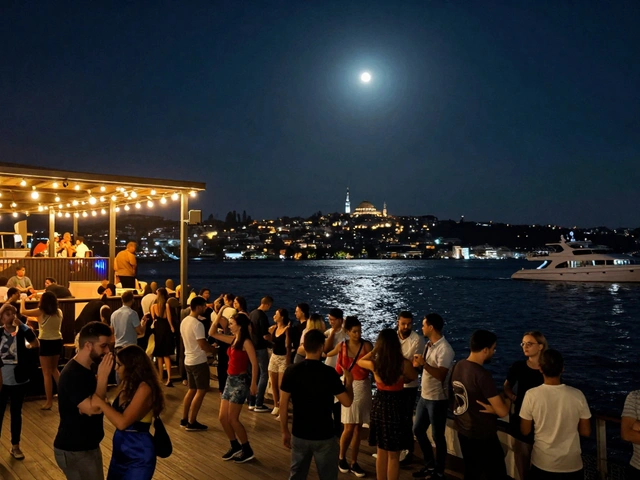
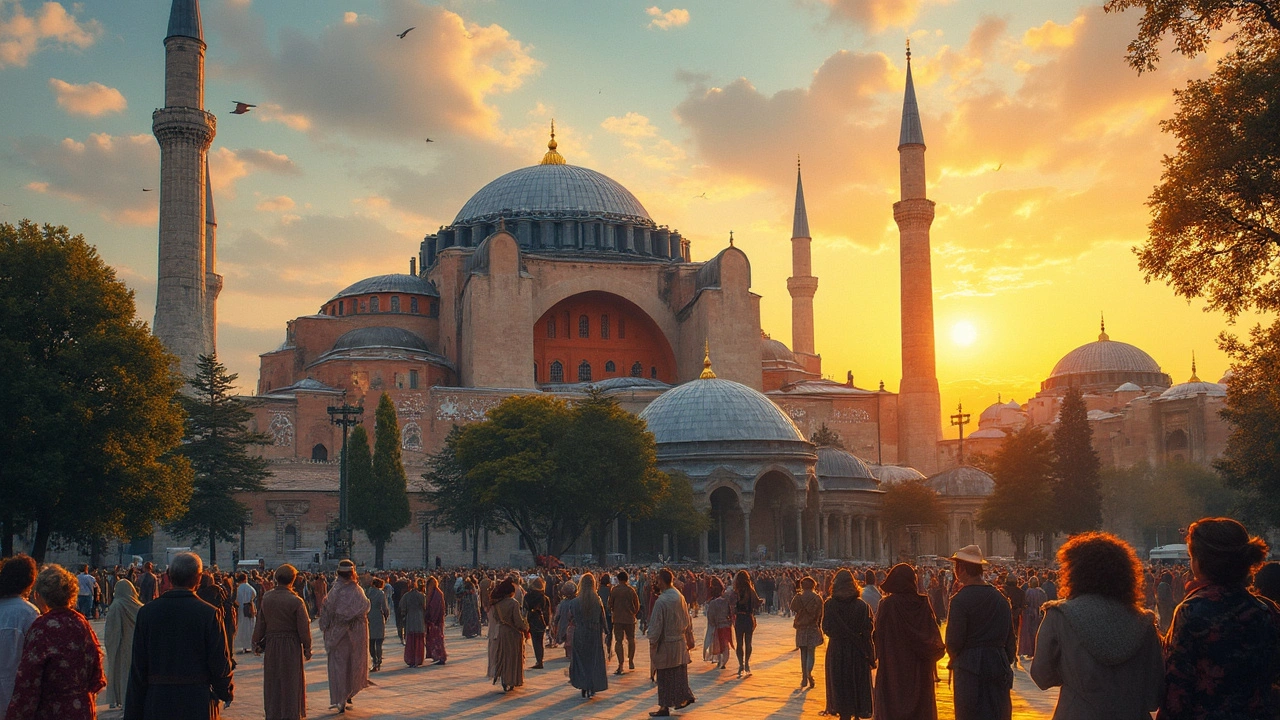

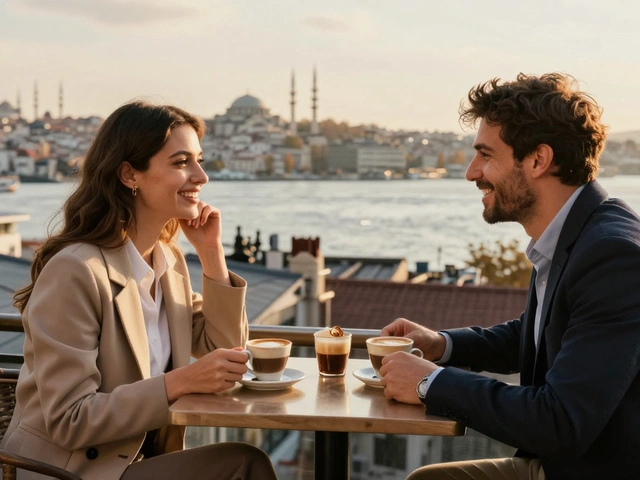
In Istanbul, few buildings carry as much weight as Hagia Sophia. It doesn’t just loom over the skyline near Sultanahmet - it echoes through the streets of Eminönü, whispers in the bazaars of Grand Bazaar, and lingers in the conversations of locals over çay at a corner café near the Spice Bazaar. For over 1,500 years, this structure has been a church, a mosque, a museum, and now a mosque again. To walk its marble floors is to step through empires, revolutions, and quiet acts of faith that shaped not just Istanbul, but the entire region.
From Byzantium to Istanbul: The Birth of a Monument
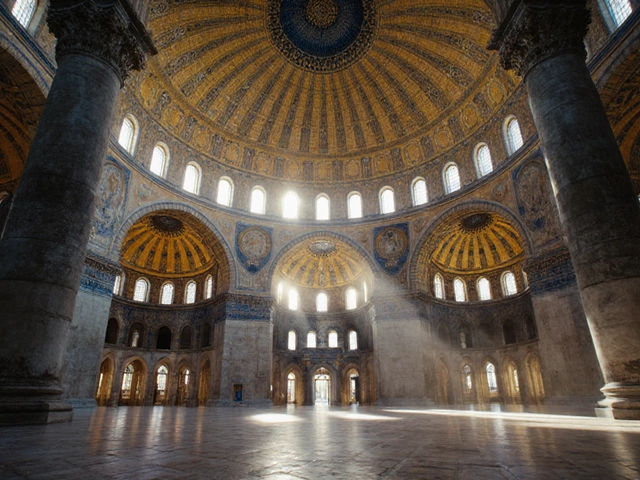
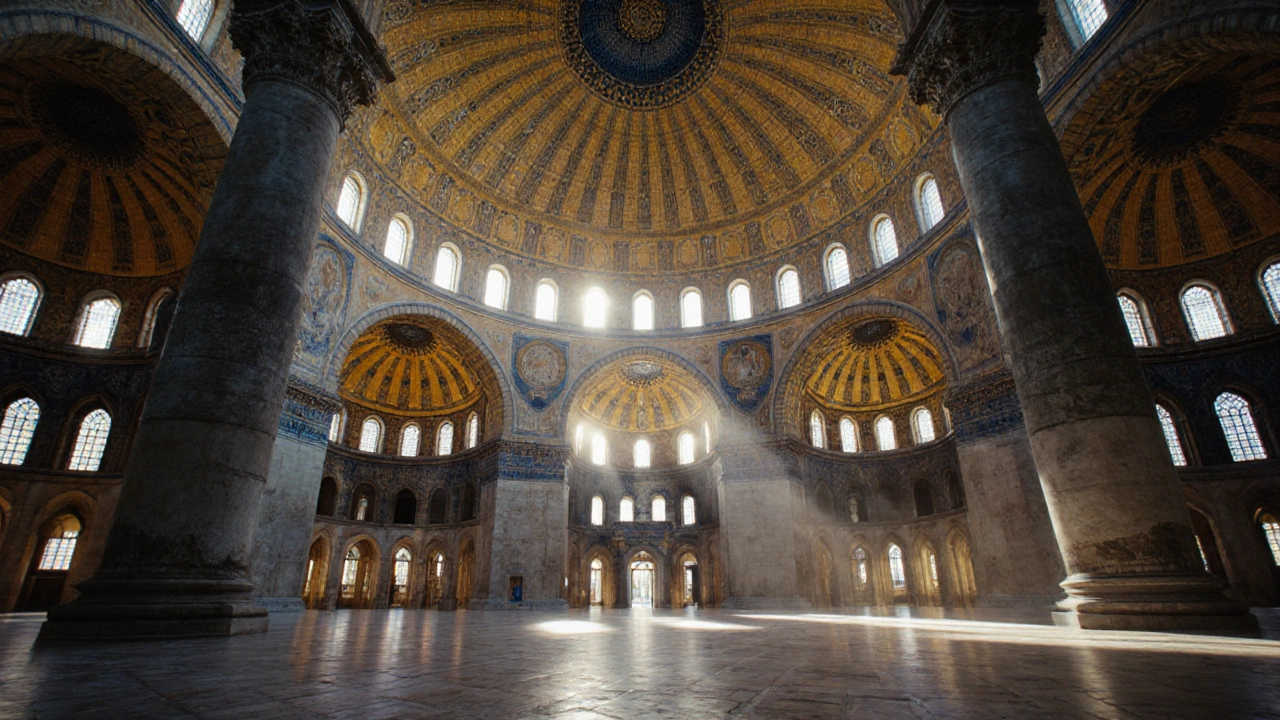
When Emperor Justinian I ordered the construction of Hagia Sophia in 537 AD, he didn’t just want a church - he wanted to prove that Byzantium was the center of the Christian world. The architects, Anthemius of Tralles and Isidore of Miletus, solved an engineering puzzle that had stumped others: how to build a dome so large it seemed to float above the nave. At 31 meters wide and 55 meters high, its dome was the largest in the world for nearly a thousand years. The marble came from quarries across the empire - from Rhodes to Egypt - and 10,000 workers labored for six years. When it opened, Justinian reportedly said, "Solomon, I have surpassed you."
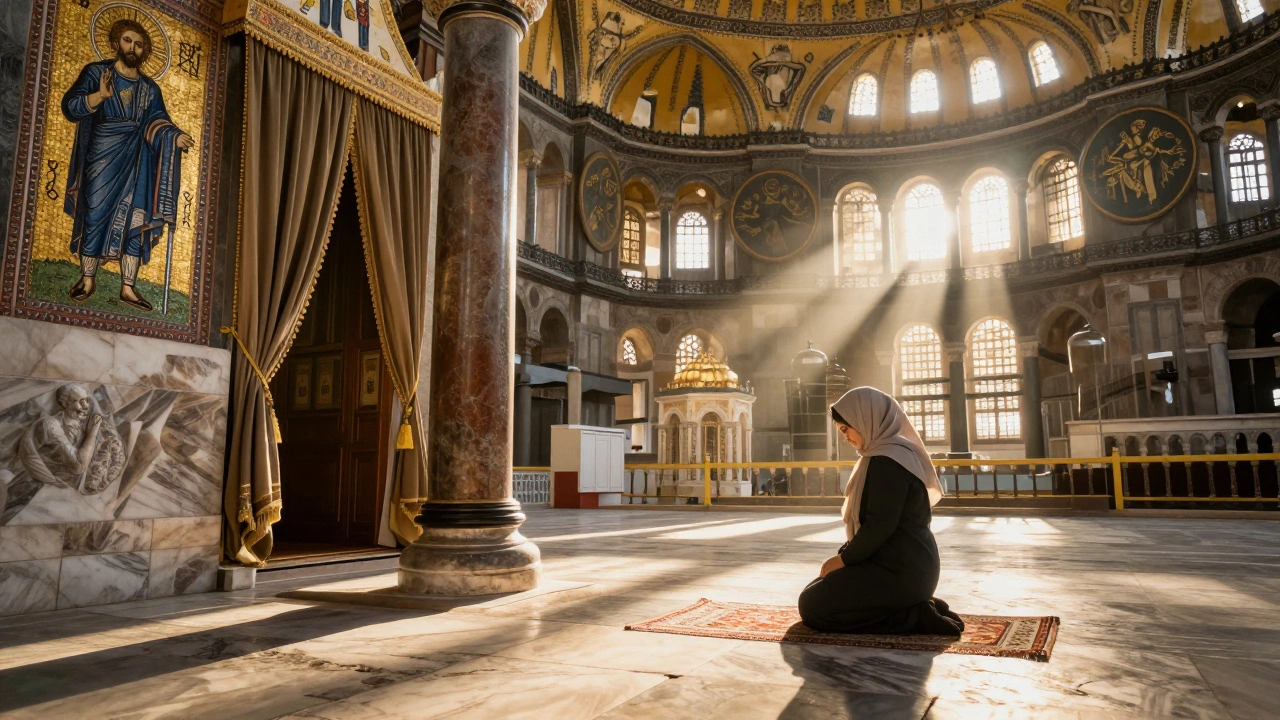
For nearly 900 years, Hagia Sophia stood as the spiritual heart of Eastern Orthodoxy. The mosaics of Christ Pantocrator, the Virgin Mary, and emperors kneeling in prayer were not just art - they were theology made visible. Pilgrims came from as far as Kiev and Constantinople’s own suburbs to touch the columns said to be from the Temple of Solomon. Even today, if you run your fingers along the "Wishing Column" near the southwest entrance, you’ll find it polished smooth from centuries of touch.
The Ottoman Transformation
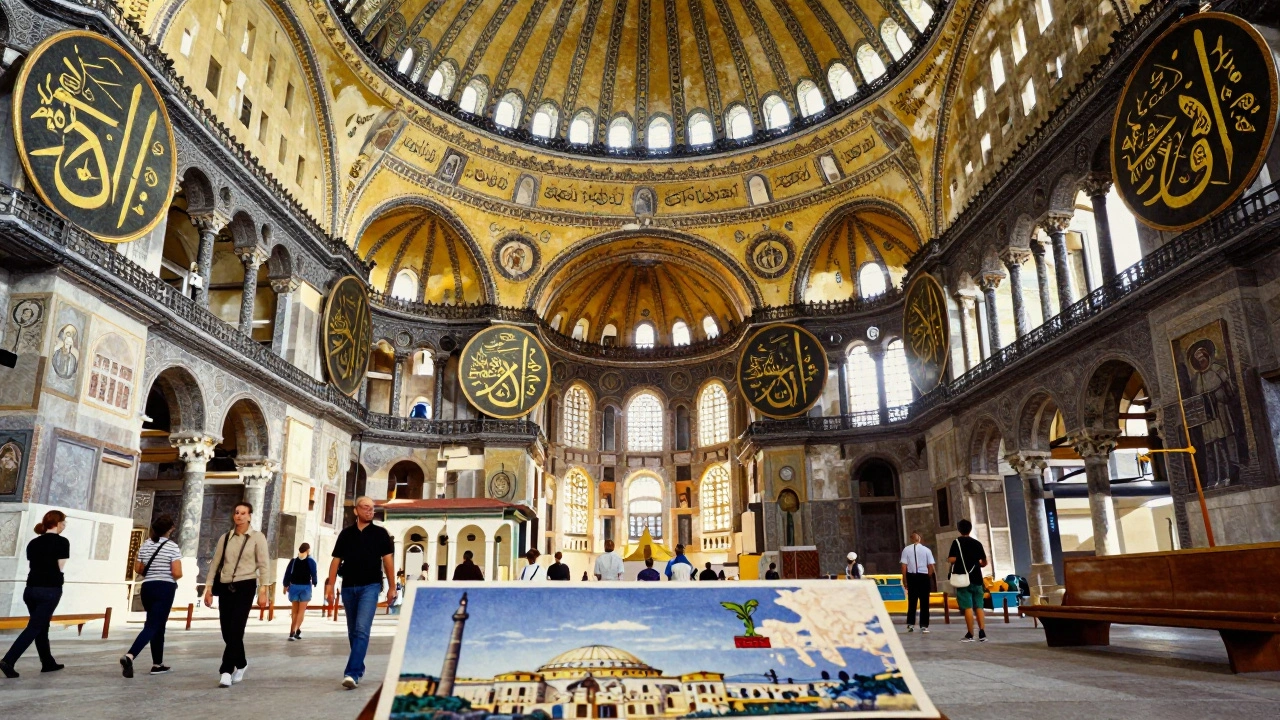
When Mehmed II conquered Constantinople in 1453, he didn’t destroy Hagia Sophia - he repurposed it. He ordered the removal of Christian icons, covered the mosaics with plaster, and added minarets. The call to prayer began echoing over the Golden Horn, and the building became Ayasofya Camii. Ottoman architects like Mimar Sinan didn’t just adapt the space - they enhanced it. They added a mihrab, a minbar, and a sultan’s loge. The giant circular calligraphy panels bearing the names of Allah, Muhammad, and the early caliphs were installed in the 19th century, blending Islamic art with the building’s existing grandeur.
Locals in Istanbul still remember the days when Friday prayers meant the entire neighborhood fell silent. The mosque’s courtyard, now flanked by the same fountains that fed pilgrims in the 1500s, still gathers worshippers before noon. You’ll see elderly women in headscarves from Kadıköy or Üsküdar arriving early to pray, their prayer rugs spread on the same marble slabs that once held Byzantine monks.
The Museum Years: A Compromise in a Changing City
In 1935, Mustafa Kemal Atatürk turned Hagia Sophia into a museum. It was a bold move - one meant to signal Turkey’s secular identity to the world. For decades, tourists from Paris, Tokyo, and Berlin flocked here. The mosaics were uncovered, the minarets remained, and the building became a symbol of shared heritage. The ticket lines stretched past the entrance of the Blue Mosque. The gift shops sold postcards of the dome, the mosaics, and the calligraphy side by side.
But for many in Istanbul, the museum years felt like a pause, not an ending. Families from Fatih, Şişli, and Bakırköy would visit on holidays, not just for the history - but because it was part of their identity. Grandparents told grandchildren stories of how their own parents had prayed here before the museum. The building never stopped being holy to some, never stopped being historical to others.
Back to a Mosque: What Changed?
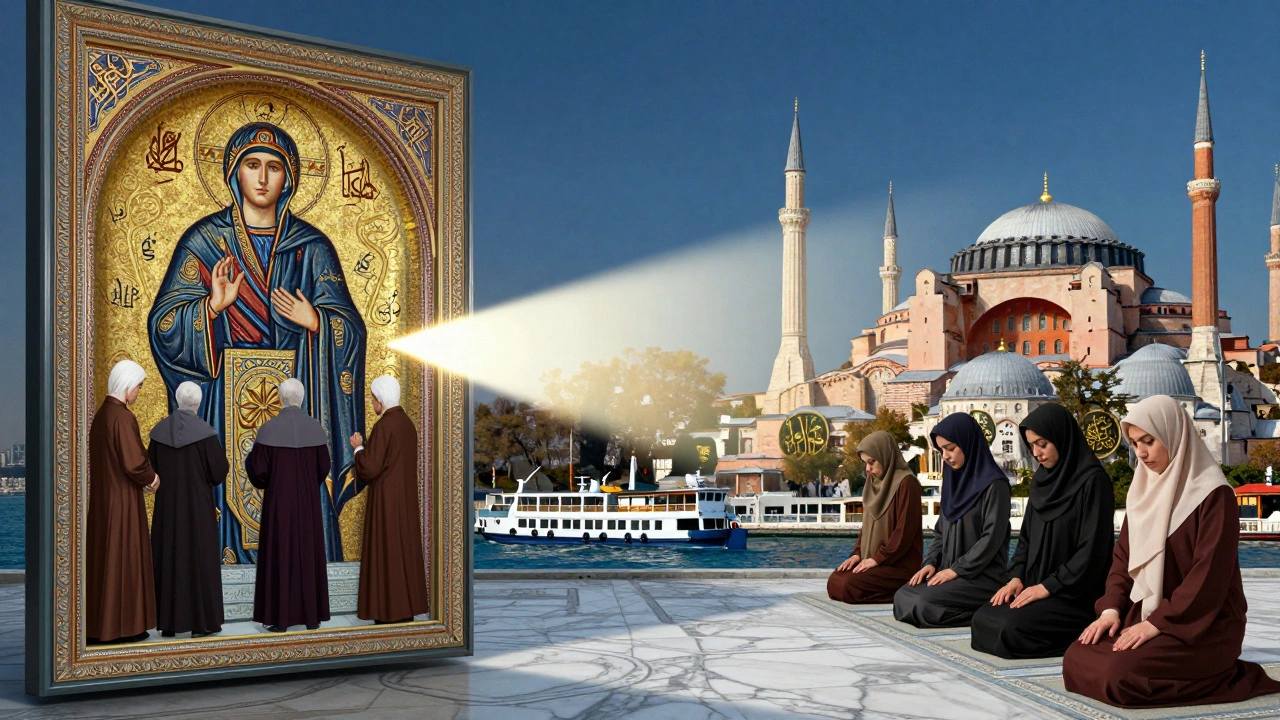
In 2020, the Turkish Council of State reversed the 1934 decree, and Hagia Sophia once again became a mosque. The change wasn’t just legal - it was cultural. The call to prayer returned. The carpeting replaced the marble in certain zones. The mosaics were covered during prayer times with curtains, not removed. The shift sparked debate - internationally, yes - but also within Istanbul’s neighborhoods.
On the ground, life adapted. The entrance now has shoe storage, just like the nearby Süleymaniye Mosque. Women in headscarves line up for the women’s section, just as they do at the Nusretiye Mosque in Tophane. Tourists still come - and they still can visit outside prayer times. The ticketing system changed: entry is free, but visitors must follow dress codes. No shorts, no bare shoulders. The same rules that apply to the Sultan Ahmed Mosque now apply here.
For Istanbul residents, the change wasn’t about erasing history - it was about reclaiming a space that had always been part of their daily rhythm. You’ll hear it in conversations at the ferry docks: "I used to take my kids here in summer. Now I take them after Friday prayer."
Visiting Hagia Sophia Today: What You Need to Know
If you’re in Istanbul and want to see Hagia Sophia, here’s what actually works:
- Visit between 9 AM and 1 PM on weekdays - that’s when the building is open to tourists and prayer hasn’t started.
- On Fridays, the mosque is closed to visitors from noon until 4 PM. Plan your day around the call to prayer.
- Wear modest clothing. Women should cover their heads - scarves are available at the entrance, but bringing your own saves time.
- Don’t rush. The mosaics are still there. The dome still soars. The silence between prayers is the most powerful part.
- Walk the perimeter. The outer walls, the minarets, and the courtyard are free to explore. The view from the garden near the former Hippodrome is still one of the best in Istanbul.
Many locals recommend visiting early in the morning, right after the first prayer. The light through the windows is soft, the air is cool, and the echoes of the imam’s voice still linger. It’s the closest you’ll get to feeling what it meant to be in this space across centuries.
More Than a Monument: A Mirror of Istanbul
Hagia Sophia isn’t just a building. It’s a mirror. It reflects the city’s contradictions, its resilience, and its quiet continuity. In Istanbul, history isn’t locked behind glass - it’s lived. You’ll see it in the woman from Kadıköy who brings her daughter here to pray, then walks to the nearby Çinili Köşk for tea. In the German tourist who kneels quietly beside the mosaics, then buys a Turkish delight from a vendor who’s been selling them since the 1980s.
It’s in the way the call to prayer still rises over the Bosphorus, even as tour buses roll past. It’s in the fact that the same stone arches that held Byzantine hymns now echo with "Allahu Akbar."
For those who live here, Hagia Sophia isn’t a relic. It’s a neighbor. And like any neighbor, it changes - but it never leaves.
Can I visit Hagia Sophia during prayer times?
No. Hagia Sophia is closed to tourists during the five daily prayer times, especially on Fridays from noon to 4 PM. You can only enter outside of prayer hours. Check the official mosque schedule online or ask at the entrance - times change slightly with the seasons.
Is there a dress code for visiting Hagia Sophia?
Yes. Visitors must cover their shoulders and knees. Women are required to cover their heads. Scarves are provided at the entrance, but bringing your own is recommended. Comfortable, modest clothing is best - you’ll be walking on marble floors and climbing stairs. Avoid shorts, tank tops, or revealing outfits.
Why are some mosaics covered?
The mosaics depicting human figures - like Christ, the Virgin Mary, or emperors - are covered with curtains during prayer times to respect Islamic traditions that avoid figurative imagery in worship spaces. They are not removed or damaged. Outside prayer times, the curtains are drawn back, and the mosaics are fully visible. This practice has been in place since the building became a mosque again in 2020.
Is Hagia Sophia still a museum?
No. It was a museum from 1935 to 2020. Since July 2020, it has been reclassified as a mosque. However, it remains open to visitors during non-prayer hours, and its historical significance is preserved. It is not a tourist attraction in the traditional sense - it’s a working mosque with public access.
How is Hagia Sophia different from the Blue Mosque?
Hagia Sophia is older - built in 537 AD - and was originally a Christian cathedral. The Blue Mosque (Sultan Ahmed Mosque), built in 1616, was designed as a mosque from the start. Hagia Sophia has a massive central dome and Byzantine mosaics; the Blue Mosque is known for its six minarets and 20,000 hand-painted Iznik tiles. Both are active mosques, but Hagia Sophia draws more tourists due to its layered history.