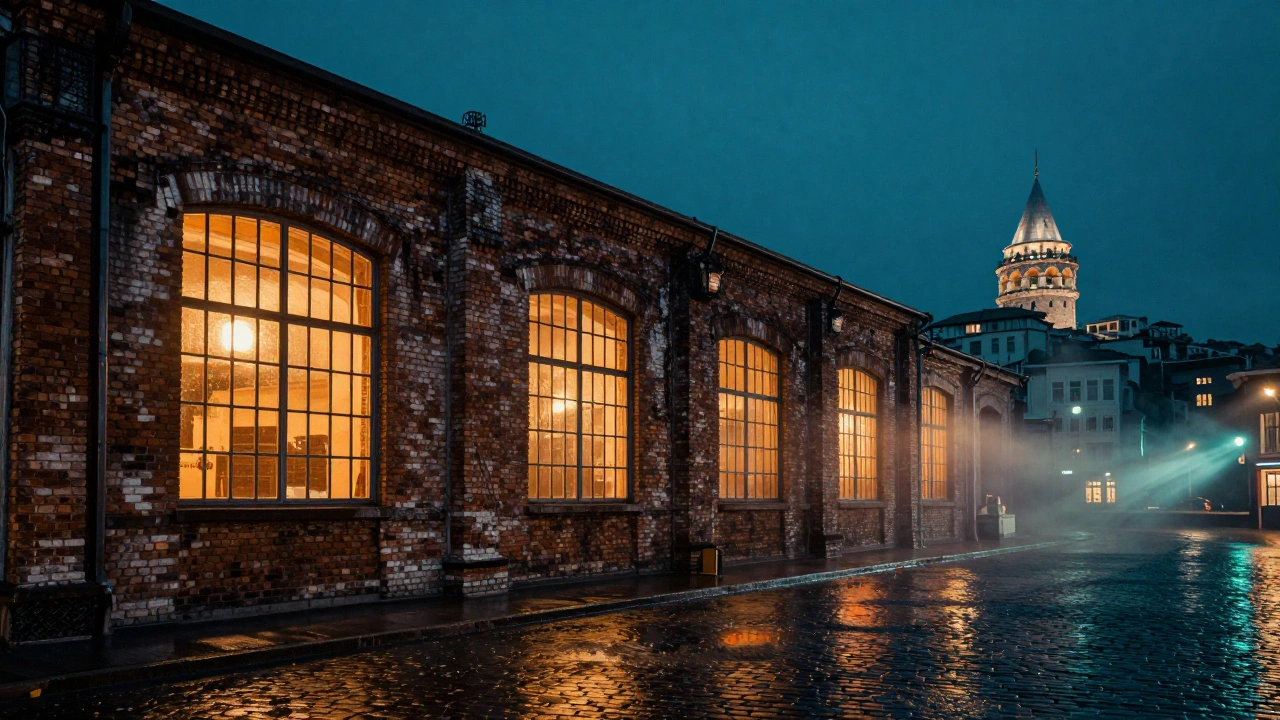

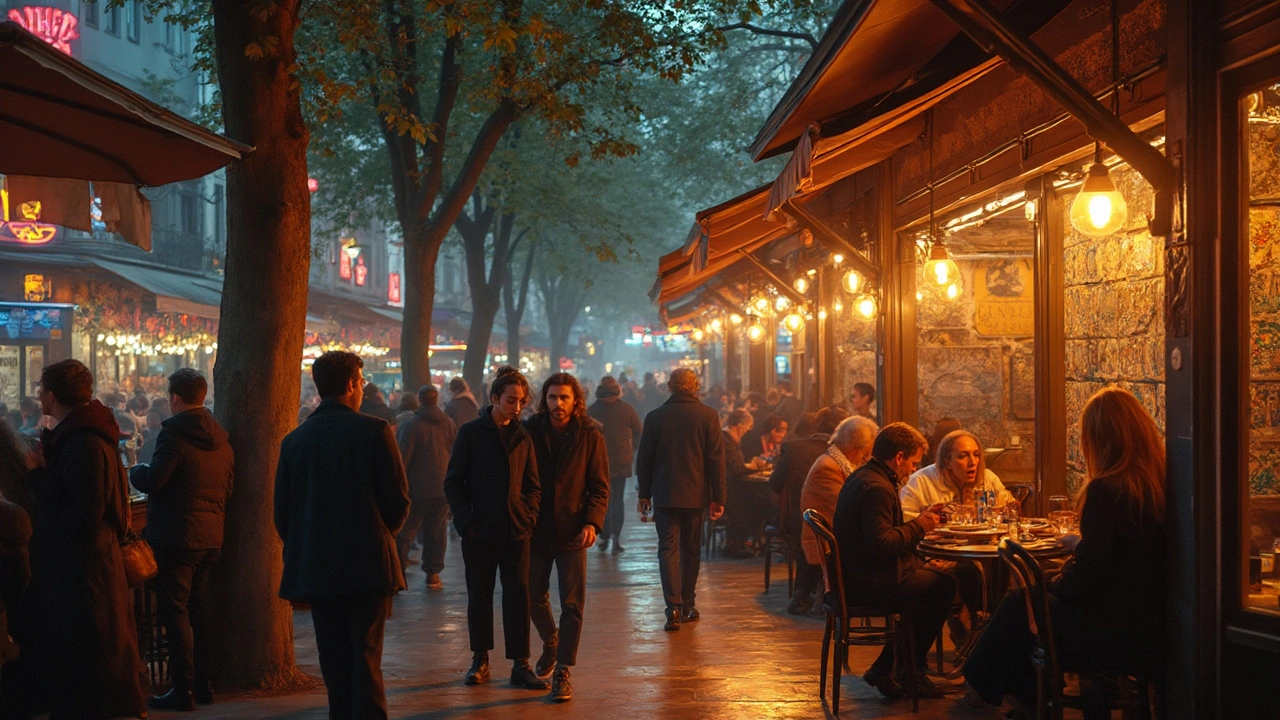
There is a specific hum that vibrates through Istanbul when night falls. It is not just the call to prayer echoing over the Golden Horn or the distant traffic along the E-5 highway; it is the bass thumping from a subwoofer in a renovated warehouse in Karaköy or the intimate strum of a jazz guitar in a hidden cellar on İstiklal Street. Designing these spaces is far more than just placing chairs and a stage. It requires understanding the deep tension between preserving the city's architectural soul and meeting modern acoustic standards. For anyone considering opening or upgrading **Live Music Venues**, the challenge lies in balancing artistic vision with the rigid realities of local infrastructure and regulation.
The landscape here is unique. You cannot treat a space in the historic peninsula the same way you treat a plot in Levent. Old buildings come with centuries of thick stone walls that trap sound, while modern glass structures in Maslak often lack the warmth needed for an organic listening experience. To create a successful environment, you must respect the geometry of the room and the expectations of the crowd walking out of the tram stop nearby.
Acoustic Engineering: The Foundation of Experience
Sound quality is the non-negotiable core of any performance space. In Istanbul, where humidity levels can vary drastically between the Bosphorus coast and the inland districts, material selection matters immensely. You cannot simply rely on expensive equipment to fix a flawed room shape.
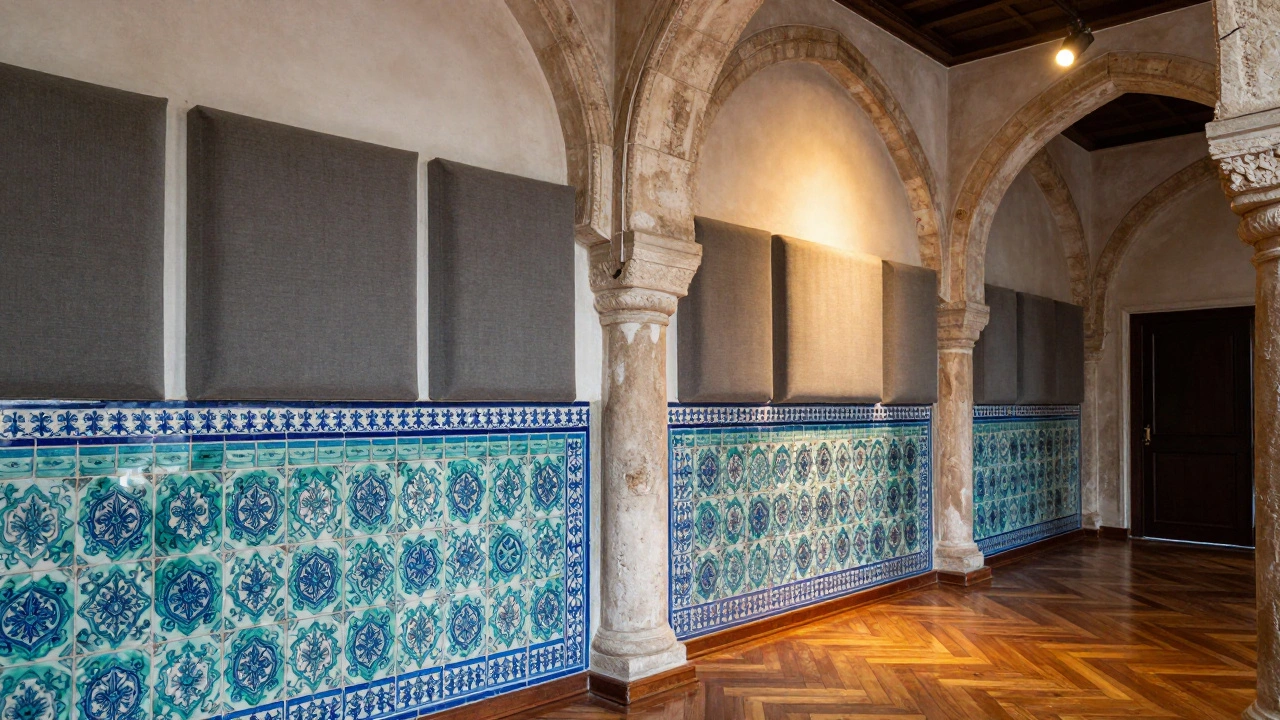
When designing the shell, we look at absorption versus reflection. A hard-surfaced club might sound great for electronic dance music, but it will turn live vocal performances into a muddy mess. In the historic neighborhoods like Balat or Fener, many venues convert old houses. These often feature high ceilings and wood floors that amplify mid-range frequencies. To mitigate this without covering beautiful tile work completely, designers install specialized panels behind curtains or integrate diffusers into the architecture itself.
Consider the neighbor factor. Many residents in Galata complain about late-night vibrations. If the venue does not isolate the structure properly, the low-end frequencies travel through the building’s frame and shake windows across the street. This leads to complaints, police visits, and potential license revocation. Professional acoustic treatment isn't optional; it is survival. You need to calculate the reverberation time specifically for the intended genre of music to ensure clarity.
Interior Design and Visual Identity
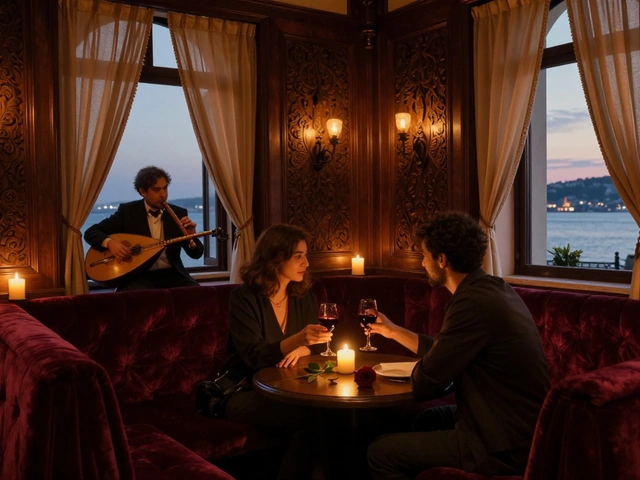
Aesthetics play a massive role in retention. Patrons return because they feel comfortable and inspired. Istanbul has a rich visual history that offers endless inspiration without needing to look abroad. You see a blend of Ottoman minimalism and brutalist concrete architecture depending on which side of the city you stand.
- Lighting plays a critical function beyond mere visibility. Dimmable warm lights encourage lingering drinks, while dynamic fixtures support the energy of a show.
- Furniture choice dictates capacity. High stools allow for more people in smaller spaces compared to full lounge seating, affecting fire code compliance calculations.
- Color schemes should reflect the band's identity or the venue's brand. Dark tones absorb light and focus attention on the stage, whereas lighter interiors suit daytime cultural events.
In recent years, sustainability has also moved into the conversation. Locals are increasingly aware of waste and energy consumption. Using LED lighting systems reduces heat output, which helps climate control costs during hot July summers. Integrating locally sourced materials supports the supply chain and adds authentic texture that plastic imports never achieve.
Permitting and Regulations in Turkey
Bureaucracy is perhaps the most daunting aspect of establishing a new spot. The regulatory framework involves multiple layers of government oversight. You deal with municipal authorities for zoning, the Fire Department for safety inspections, and the Ministry of Culture and Tourism for entertainment licenses. Each district municipality operates with slight variations in enforcement.
For example, a venue in Beşiktaş might face stricter noise ordinances due to proximity to diplomatic zones, whereas Kadıköy, being denser, focuses more on crowd management and emergency access. In 2024 and 2025, there were updates regarding earthquake safety protocols for public assembly spaces. Since March 2026, new renovations require updated structural integrity reports proving the foundation can withstand seismic activity.
You also need to navigate the Noise Pollution Control Law. Decibel meters are placed at the perimeter boundary, not inside the club. This means your HVAC system cannot overpower the insulation. The permitting timeline can stretch from six months to over a year if plans need revision. Hiring a local consultant who understands the specific quirks of the Istanbul Metropolitan Municipality is essential to avoid costly legal dead ends.
Layout Strategies for Safety and Flow
The physical arrangement of tables, stages, and bars determines both profit margins and safety. In Istanbul's older buildings, doorways are often narrower than international safety codes suggest for high-capacity rooms. You must work with the existing skeleton of the building rather than trying to force square footage to fit standard western models.
| Feature | Historic District (e.g., Sultanahmet) | Modern District (e.g., Maslak) |
|---|---|---|
| Venue Age | Preserved Heritage Structures | New Construction (Post-2010) |
| Typical Ceiling Height | High (3-5 meters) | Standard (3 meters) |
| Fire Access | Narrow External Staircases | Built-in Evacuation Elevators |
| Acoustic Challenges | Echo and Reverb | Skinny Reflections / Lack of Warmth |
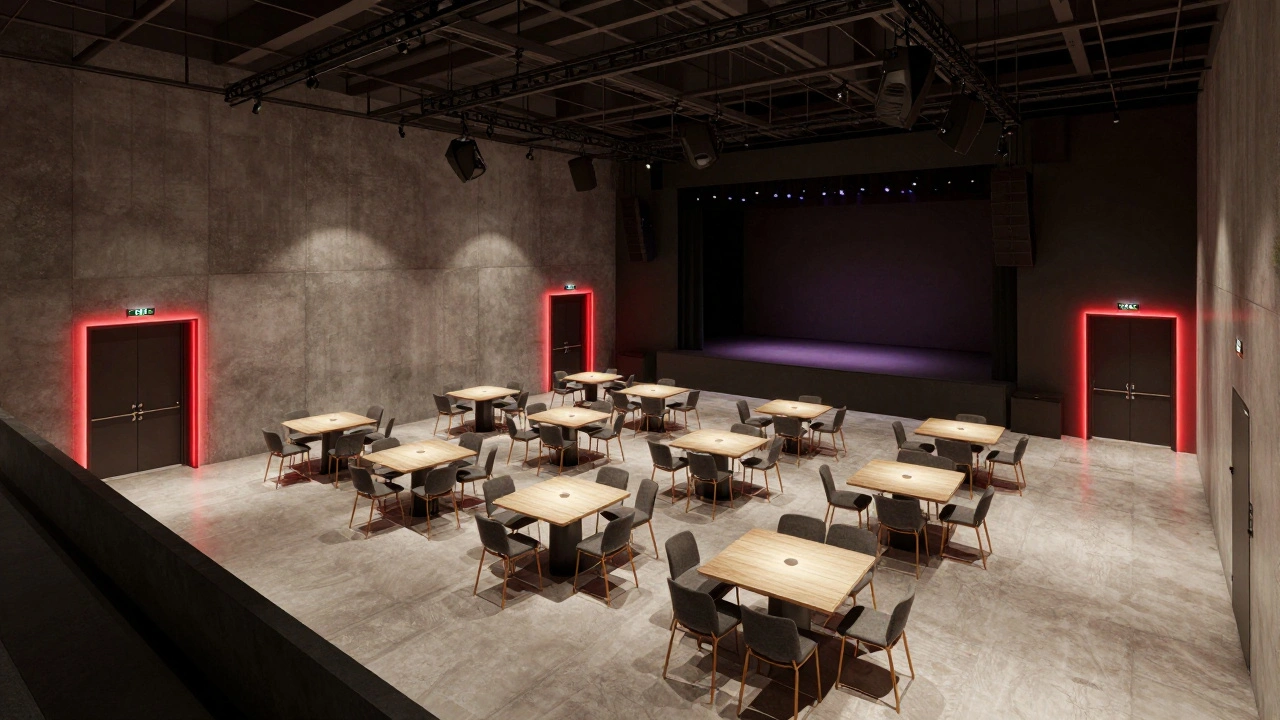
Emergency exit placement is strictly monitored. In a packed club during a rush hour event, panic can set in quickly. Clear signage in Turkish and English ensures everyone knows where to go. Bar placement should not block sightlines to exits. Additionally, separating cash points from stage areas prevents congestion near the entrance.
Socio-Cultural Context and Audience Expectations
Istanbul is a melting pot. The audience demographic ranges from students in Nişantaşı to expats in Çırağan and wealthy locals in Arnavutköy. A venue designed for one group may alienate another. You need to decide early on who your primary customer is. Are you targeting the heavy metal crowd gathering in Şişli or the bohemian jazz fans preferring quiet corners in Beyoğlu?
This decision shapes everything. Pricing strategy, alcohol menu, and even the temperature settings of the air conditioning. Younger crowds prefer vibrant, high-energy spaces, while older demographics value comfort and conversation. Ignoring these cultural nuances results in empty seats despite good marketing. Understanding local traditions, such as closing times aligning with prayer schedules or special events during Ramadan nights, ensures you remain respectful and integrated into the community fabric.
Future-Proofing and Technological Integration
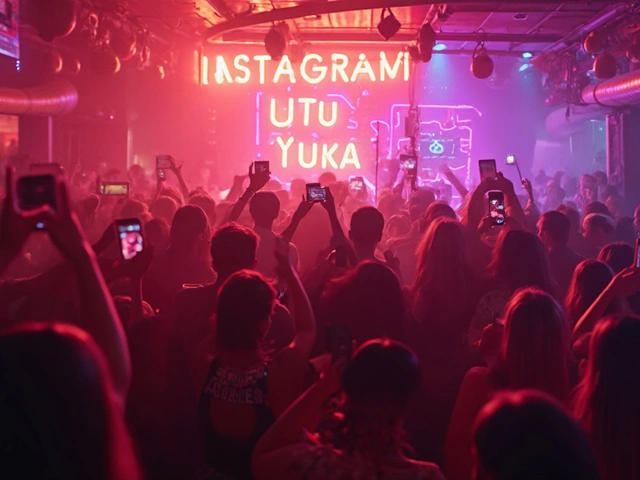
By 2026, venues are expected to offer seamless digital experiences. Mobile ordering systems are becoming standard in larger hubs. Wi-Fi infrastructure needs to handle hundreds of simultaneous connections without crashing. This is vital for social media promotion-fans want to share the moment instantly. Streaming capabilities for hybrid shows are also growing.
Investment in flexible rigging allows you to change the layout for different acts. Fixed speaker positions limit programming options. Modular wall systems enable quick adjustments for pop-up installations or art exhibits when live music bookings are slow. Being adaptable keeps the business model resilient against changing market trends. Finally, consider the longevity of materials. Cheap carpets in humid environments rot quickly. Stone and treated wood endure better and add character to the aging facility.
What are the strictest zoning laws for music venues in Istanbul?
Zoning laws depend heavily on the specific municipality. Historic preservation laws restrict modifications to exterior facades in areas like Sultanahmet, while commercial zones in Levent allow more flexibility. Noise ordinances are universally strict, especially near residential blocks.
How long does the permitting process usually take?
Expect a minimum of six months. Complex renovations involving heritage structures or changes to load-bearing walls can extend this to 12 months or longer due to required engineering assessments.
Is soundproofing mandatory for all venues?
Yes. Under the Noise Pollution Control Law, venues must prevent external decibel levels from exceeding legal limits, effectively requiring professional sound isolation regardless of location.
Can old heritage buildings be used for clubs?
It is possible but difficult. You need approval from the Regional Council for Preservation of Historical and Cultural Heritage. Structural reinforcement is almost always required.
What are the typical safety capacity ratios?
Safety ratios generally follow one square meter per person for standing areas, though fire departments often impose stricter limits depending on exit widths and fire suppression systems installed.