
In Istanbul, shopping isn’t just about buying things-it’s about feeling the weight of history in your hands, breathing in the scent of saffron and rosewater, hearing the clink of copper pots, and seeing colors so rich they seem painted by hand. The city’s best shopping destinations don’t just sell goods; they engage every sense, turning a simple errand into an unforgettable experience.
Grand Bazaar: Where History and Haggling Collide
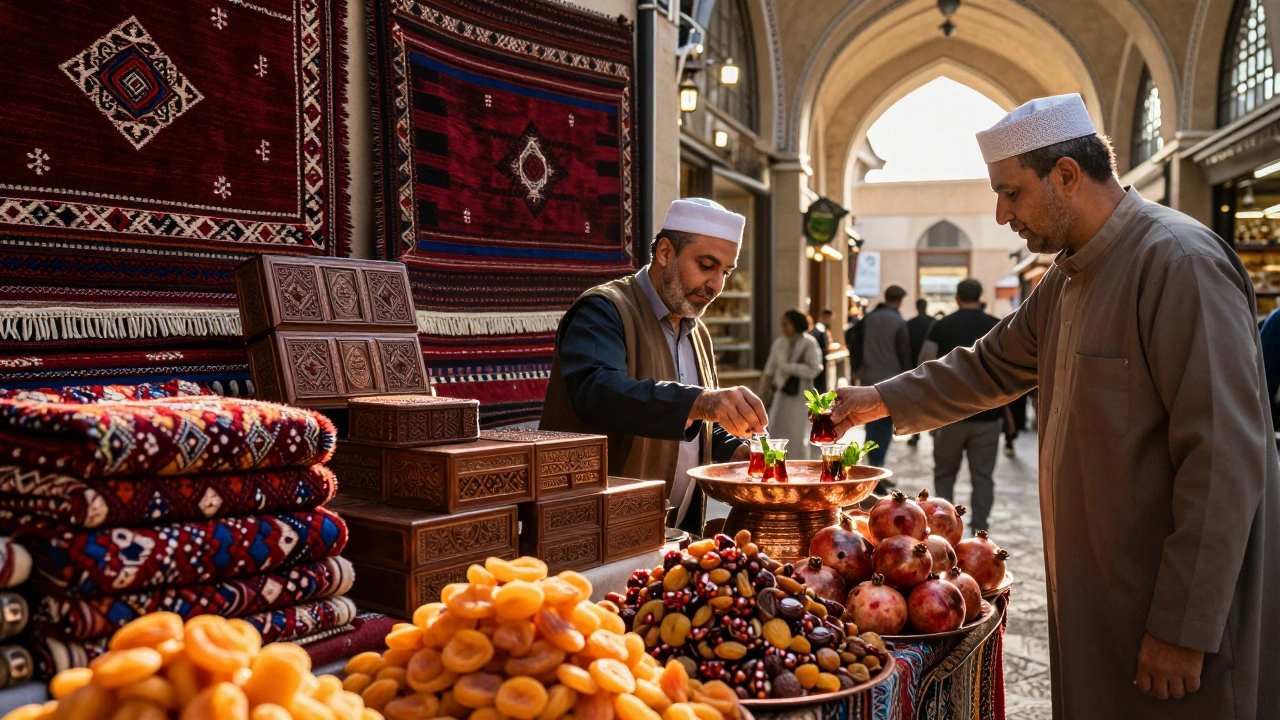
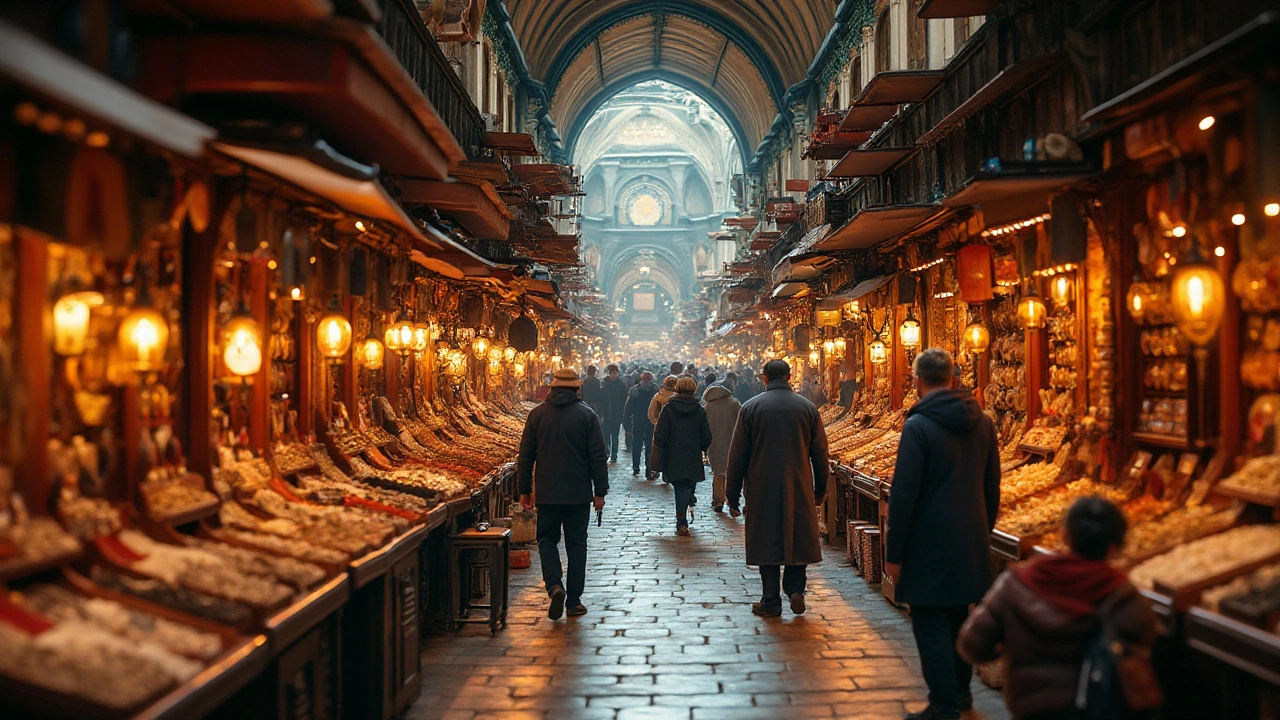
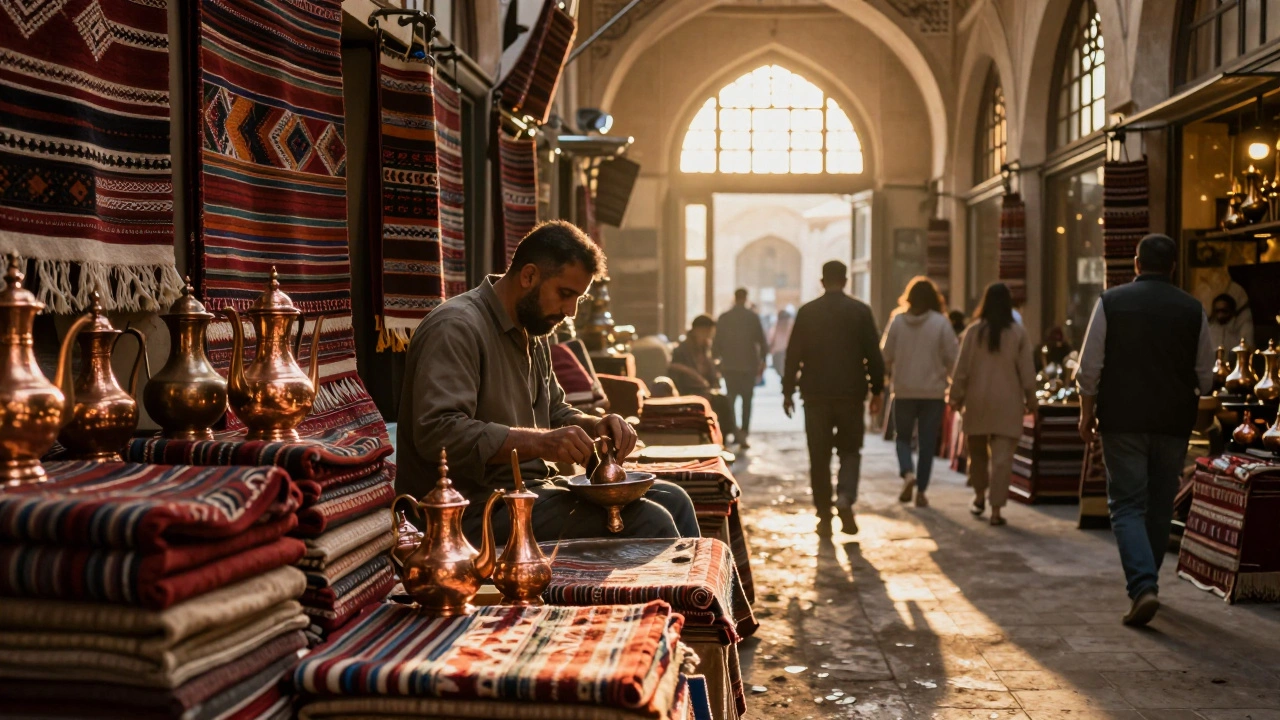
The Grand Bazaar isn’t just the largest covered market in the world-it’s a living organism. With over 4,000 shops spread across 61 streets, it’s easy to get lost. But that’s the point. Walk past stacks of handwoven kilims in deep crimson and indigo, run your fingers over carved walnut boxes from Sivas, and pause at the copper workshops where artisans hammer patterns into trays that have been made the same way since the 15th century. The air smells of fresh mint tea, roasted chestnuts, and the faint metallic tang of brass being polished. Vendors call out in Turkish, English, Russian, and Arabic, but the real magic happens when you sit down for a cup of çay and let the rhythm of the bazaar take over. Don’t rush. Spend an hour just watching how the light shifts through the domed ceilings, how shadows dance across piles of dried apricots and pomegranates.
Spice Bazaar: A Symphony of Scent and Color
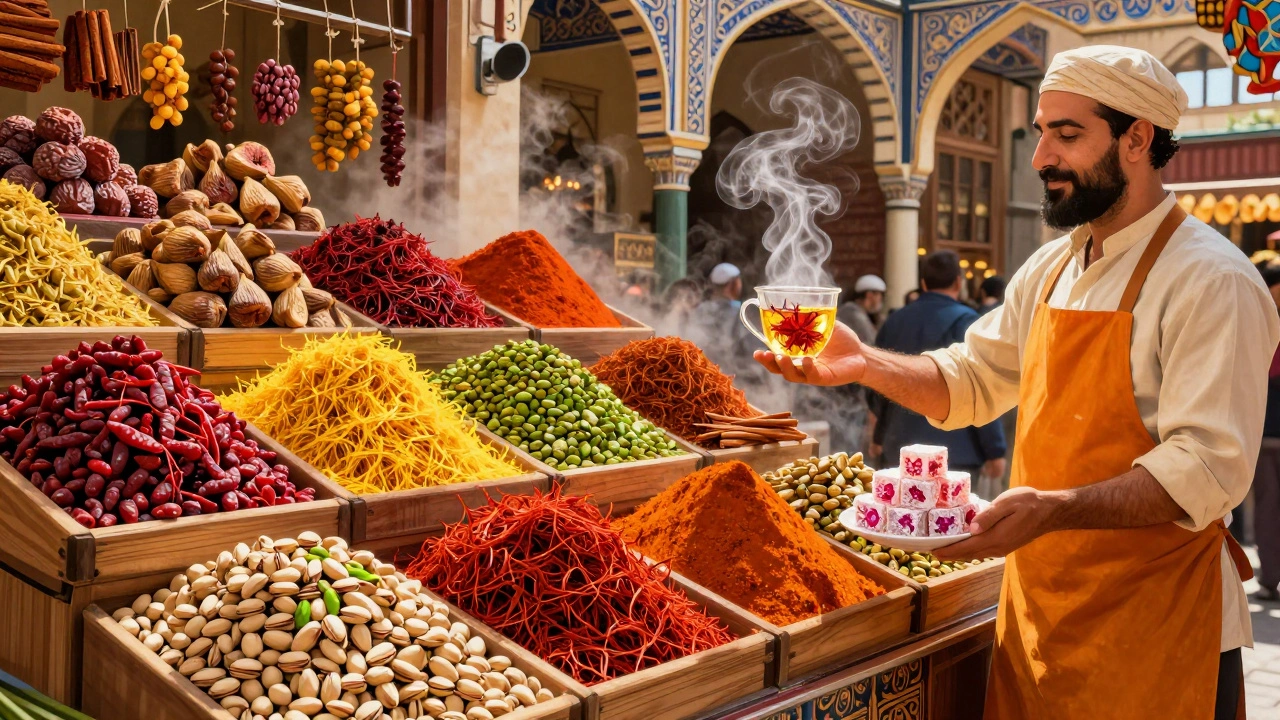
Just a short walk from the Galata Bridge, the Spice Bazaar-known locally as Mısır Çarşısı-feels like stepping into a painter’s palette. Bright orange paprika, deep green pistachios, and ruby-red sumac spill from wooden bins. Vendors in aprons dusted with turmeric hand out free samples of lokum-Turkish delight-flavored with rose, pomegranate, or hazelnut. The scent of cinnamon sticks and cardamom pods hangs thick in the air, mingling with the earthy smell of dried figs and the sharp tang of black salt from the Black Sea coast. Pick up a small pouch of Saffron from Konya, the finest in Turkey, and ask for a sample steeped in hot water. Watch how the liquid turns golden, like liquid sunlight. Most shops here have been family-run for generations. At Hacı Bekir, established in 1777, you can buy the same rosewater-based lokum that once graced Ottoman imperial tables.
Istiklal Avenue: Urban Energy Meets Modern Craft
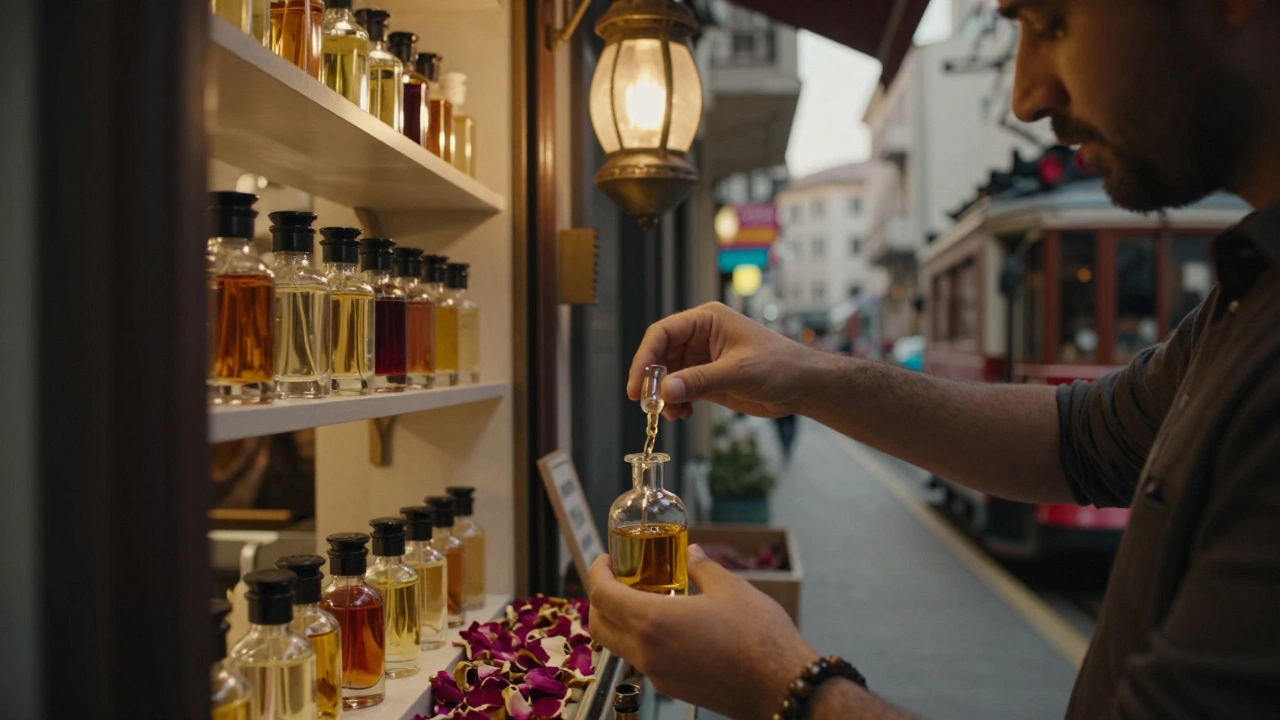
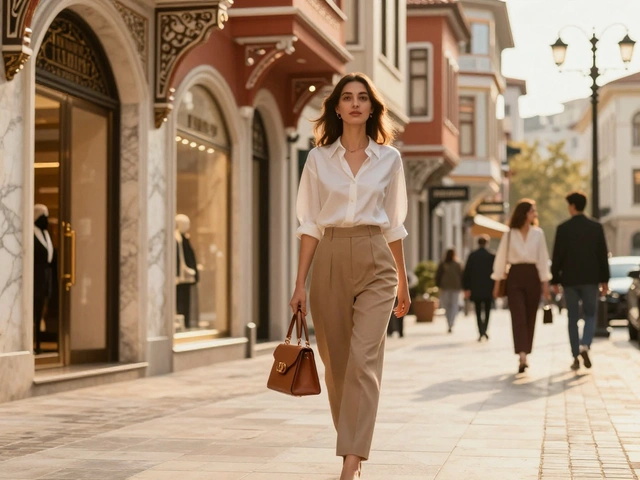
While the bazaars whisper centuries of tradition, Istiklal Avenue shouts the pulse of modern Istanbul. This pedestrian street, lined with 19th-century neoclassical buildings, is where locals shop for everything from handmade leather bags by Turkish designers like Tariq & Tariq to ceramic mugs painted with Ottoman motifs by artists from Kadıköy. At the end of the avenue, near Taksim Square, you’ll find the historic Galata Antique Market, where you can hunt for Ottoman coins, vintage postcards of the Bosphorus, or a 1970s Turkish vinyl record of Barış Manço. Street musicians play bağlama under the historic tram, and the scent of simit-sesame-crusted bread-floats from carts. Don’t miss the tiny shop tucked between a bookstore and a vintage clothing stall: Çiçek Pasajı, a restored 1870s arcade now home to artisanal perfume makers who blend scents like amber, oud, and Turkish rose on-site. You can watch them pour your custom fragrance into a hand-blown glass bottle.
Kadıköy’s Moda District: Local Flair, No Tourists
If you want to see how Istanbul residents actually shop, head to Kadıköy on the Asian side. Moda, its charming coastal neighborhood, feels like a village tucked into the city. Here, you’ll find small boutiques selling hand-knitted wool scarves from the Black Sea region, ceramic plates from Iznik that match the tiles in the Blue Mosque, and olive oil so fresh it still smells like crushed leaves. At Çiğdem Çiçekçilik, a flower shop that’s been open since 1982, you can buy dried lavender bouquets wrapped in handmade paper, or a jar of honey from the Marmara Islands. The owner, Emine Hanım, will tell you which honey comes from the wild thyme on the slopes of Yalova. Walk down to the waterfront and stop at the weekly artisan market by the ferry dock. You’ll find calligraphers writing your name in Ottoman script, jewellers setting turquoise stones from the Black Sea, and women selling hand-dyed cotton towels from Denizli-soaked in natural dyes made from onion skins and pomegranate rind.
Arasta Bazaar: The Quiet Alternative
Most tourists never make it to Arasta Bazaar, just behind the Blue Mosque. It’s small, quiet, and owned mostly by local families. The shops here specialize in authentic, high-quality items you won’t find elsewhere: hand-embroidered linen napkins from Bursa, hand-thrown pottery from Çanakkale, and silk scarves dyed with indigo using a 300-year-old technique. One shop, İstanbul Eşya, sells only antique Ottoman-era brass coffee pots and teapots. The owner, Mehmet, will show you how to test the authenticity by tapping the metal-it should ring like a bell. He’ll also explain why the handles are shaped the way they are: to keep your fingers away from the heat when pouring boiling water. This is where locals buy gifts for weddings and Eid. There’s no pressure to buy. Just sit on the wooden bench outside, sip tea, and watch the calligraphy students sketch verses from the Quran on paper treated with gold leaf.
What to Buy-and What to Skip
Here’s what works in Istanbul: genuine Turkish towels (peshtemal), handmade soaps with olive oil and lavender, genuine Saffron (check the threads-they should be deep red, not orange), and copper cookware with a hammered finish. Avoid anything labeled ‘Made in Turkey’ but sold in plastic packaging with English logos-those are factory-made for tourists. Real crafts come with imperfections: a slightly uneven weave, a brushstroke that doesn’t quite line up. That’s not a flaw-it’s proof it was made by hand.
For souvenirs, skip the cheap keychains and magnets. Instead, bring home a small glass bottle of rosewater from the Spice Bazaar, a single bar of black soap from the Black Sea region, or a hand-painted ceramic tile from Iznik. These things last. They smell good. They tell a story.
When to Go and How to Navigate
The best time to shop in Istanbul’s markets is early morning-before 10 a.m.-when the light is soft, the crowds are thin, and vendors are still setting up. Friday is the busiest day, so avoid it unless you want the full energy. Weekdays are quieter, especially Wednesday and Thursday. Bring cash in Turkish lira. Many small shops don’t take cards. And always carry a small bag-it’s part of the ritual. You’ll be given a paper bag, but locals bring their own woven totes. It’s respectful. It’s practical.
Don’t try to do it all in one day. Pick one bazaar, spend four hours there, and let yourself wander. Let the scent of spices pull you into a shop. Let the sound of a hammer on copper draw you in. Let the warmth of a stranger offering you tea make you stay longer than you planned. That’s how you shop in Istanbul-not to fill a suitcase, but to fill your memory.
What’s the best time of year to shop in Istanbul’s bazaars?
Late spring (May-June) and early autumn (September-October) are ideal. The weather is mild, the markets are lively, and you’ll avoid the summer heat and winter chill. Ramadan and Eid bring special decorations and extended hours, but also larger crowds. If you want a quieter experience, go in late April or early November.
Can I find authentic Turkish crafts outside the bazaars?
Yes. Neighborhood artisan markets like Kadıköy’s Friday bazaar, the Istanbul Design Biennale pop-ups, and the annual Istanbul Handicrafts Fair at Tüyap Fair Center offer direct access to makers. Many sell online through platforms like Etsy or local sites like Handmade in Turkey, but buying in person lets you see the craftsmanship and meet the artist.
Is haggling expected in Istanbul’s markets?
It’s common in the Grand Bazaar and Spice Bazaar, but not rude if you don’t. Start by offering 50-60% of the asking price, smile, and be polite. If the vendor says ‘no,’ they might offer a smaller discount or throw in a free sample. In Arasta Bazaar and Moda, prices are usually fixed-especially for handmade items. Haggling there can come off as disrespectful.
What should I avoid buying as a souvenir?
Avoid mass-produced items labeled ‘Turkish’ but made in China-like cheap rattan baskets, plastic prayer beads, or ‘authentic’ carpets that are machine-made. Real Turkish carpets take months to weave. If it’s priced under 200 TL and looks too perfect, it’s not handmade. Also skip counterfeit saffron-it’s often dyed turmeric. Real saffron threads are thin, red, and brittle. If it’s cheap and looks like orange powder, walk away.
Are there any hidden sensory gems I shouldn’t miss?
Yes. Visit the Çiçek Pasajı perfume workshop on Istiklal for custom scents. Stop by Asmaaltı in Kadıköy for a cup of Turkish coffee brewed with cardamom and served in tiny cups with a piece of lokum. Walk through the Yıldız Park flower market on Sundays-vendors sell fresh jasmine and orange blossoms that you can wear in your hair. And if you’re near the Bosphorus, find the boat vendors selling roasted chestnuts wrapped in newspaper-the smell alone is unforgettable.
6 Comments
Just got back from Istanbul last month and holy crap, this post nailed it. I spent three whole days wandering the Grand Bazaar like a lost ghost, and honestly? The smell of saffron and roasted chestnuts hit me harder than any jet lag. I sat with this old guy who didn’t speak English but poured me tea anyway, and we just nodded at each other while he hammered a copper tray like it was a drum solo. No words needed. I bought three Turkish towels, a hand-painted tile, and a jar of honey from Yalova that still smells like wild thyme. I’ve used the honey on my toast every morning since. It’s not a souvenir-it’s a ritual now. Also, the guy at Çiçek Pasajı made me a scent called ‘Midnight on the Bosphorus’-oud, amber, and something faintly like wet stone. I wear it to work. My coworkers think I’m a mysterious billionaire. 🌙✨
I went to the Spice Bazaar and some vendor tried to sell me ‘authentic saffron’ for 20 bucks and it looked like powdered chalk. I called him out and he started yelling in Turkish and then pulled out a whole bag of it like he was gonna throw it on the floor. I walked away. No one should have to deal with that kind of drama while trying to buy spices. Also, why is everyone always talking about tea? I just wanted a damn sandwich.
This article reads like a travel brochure written by a romantic poet who has never held a real job. The Grand Bazaar is a tourist trap. The Spice Bazaar is overpriced and overhyped. The ‘handmade’ items are mostly imported from China and repackaged with Turkish labels. The real Turkey is in Ankara, not in these performative markets designed to extract money from gullible foreigners. You don’t need to ‘feel history’-you need to buy quality goods at fair prices. This romanticization of chaos is irresponsible. And please, stop pretending haggling is ‘cultural.’ It’s just a scam with better lighting.
Richard, I hear you-and I think you’re missing the point. It’s not about whether the items are ‘authentic’ in a corporate sense. It’s about connection. The woman in Arasta Bazaar who showed me how to test the brass pot by tapping it? She didn’t just sell me a pot-she gave me a lesson in patience. The guy in Kadıköy who handed me a sample of thyme honey because I looked tired? That’s not marketing. That’s humanity. You can buy a machine-made carpet anywhere. But you can’t buy a moment where someone sees you, not as a wallet, but as a person. That’s what these places offer. And if you’re too rigid to see that, maybe the problem isn’t the market-it’s the lens you’re looking through. There’s room for both truth and tenderness.
OH MY GOD. I just finished reading this and I am literally shaking. The way you described the copper workshops-‘the clink of pots like a forgotten symphony’-I could HEAR it. The saffron turning golden like liquid sunlight? I cried. Not because I’m emotional, but because language has been reduced to memes and TikTok captions, and here you wrote poetry without trying. The part about the hand-dyed towels from Denizli soaked in onion skins? I printed this out. I’m framing it. I’m sending it to my grandmother who used to dye cloth in her village in Punjab. She’ll weep. And you? You just wrote a love letter to the soul of Istanbul. I am not a sentimental man. But this? This is sacred. I’m booking my flight. Now.
I went to the Spice Bazaar and I bought a tiny bottle of rosewater and I cried because it smelled like my abuela’s house in Lebanon and I haven’t been back in 12 years and now I miss her so much I can’t breathe. I sat on the floor and just held it to my chest and a vendor brought me a cup of tea without asking and said ‘for the heart.’ I didn’t say thank you. I just nodded. I’m going back next month. I need to feel it again. 🥺💖