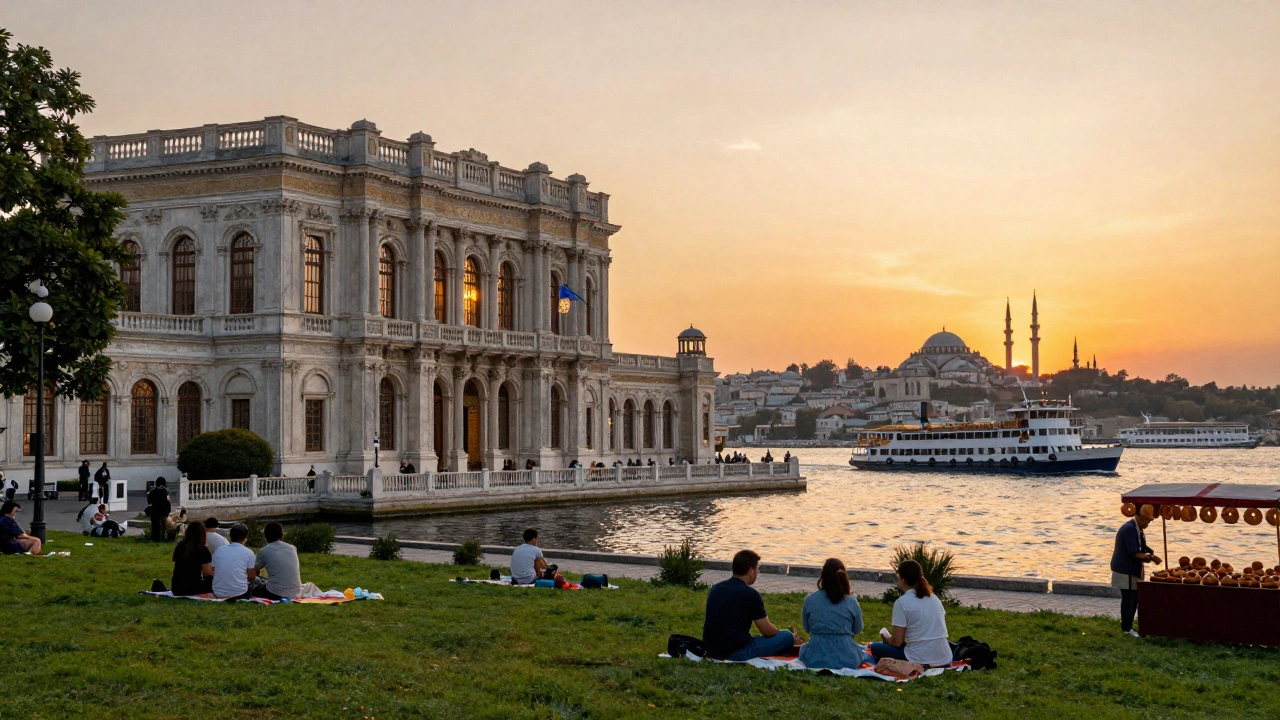

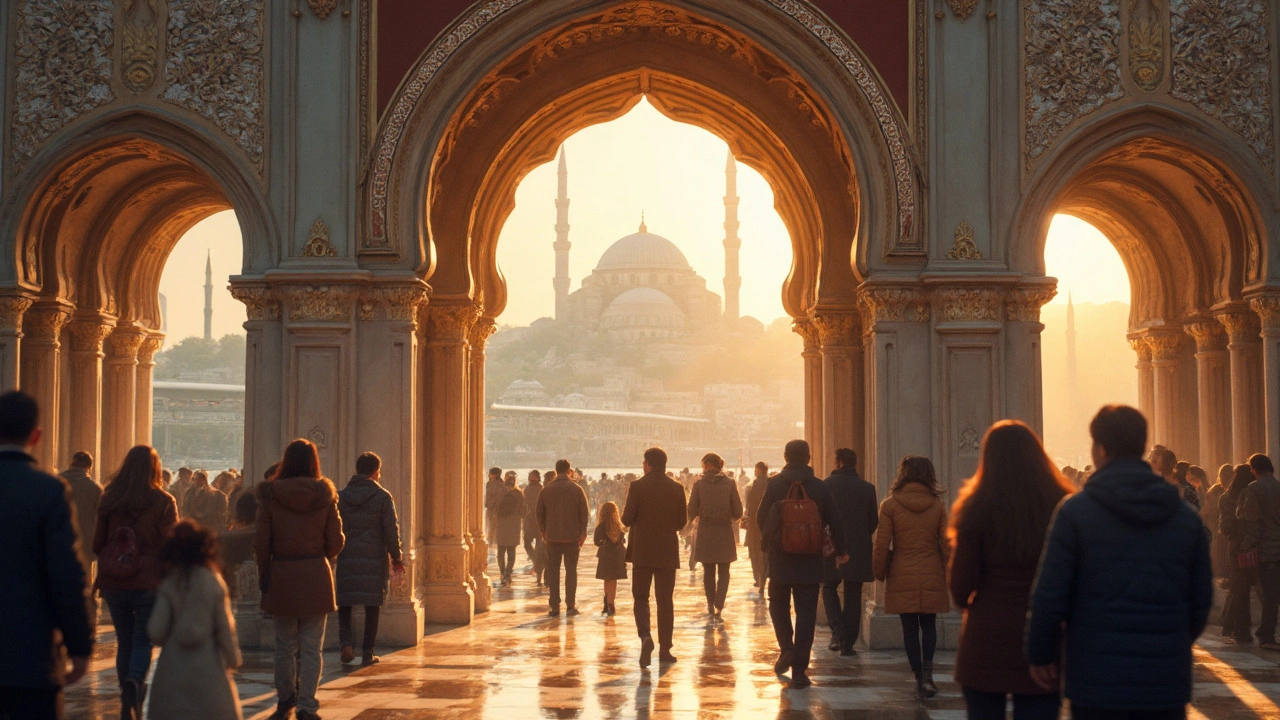
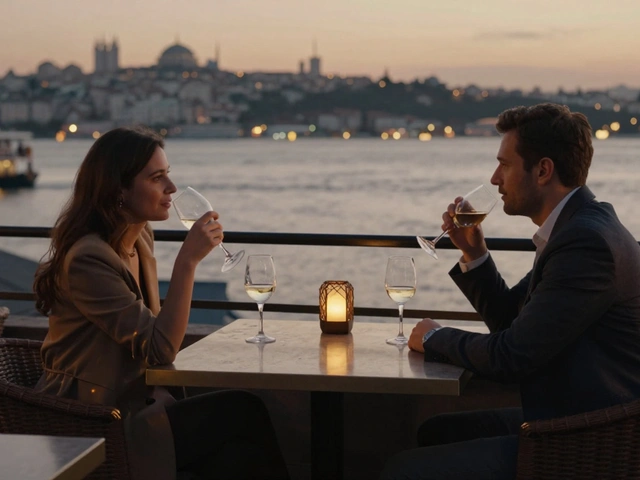
In Istanbul, where the call to prayer echoes over minarets and the Bosphorus glimmers with ferry lights, few places capture the soul of the city like Dolmabahçe Palace. Standing where the European side meets the water, this grand palace isn’t just a museum-it’s the heartbeat of a once-mighty empire, now woven into the daily rhythm of Istanbul life. Walk its marble halls, and you’re walking through centuries of power, elegance, and quiet tragedy-all within sight of a street vendor selling simit on Kabataş pier.
A Palace Built to Outshine the Past
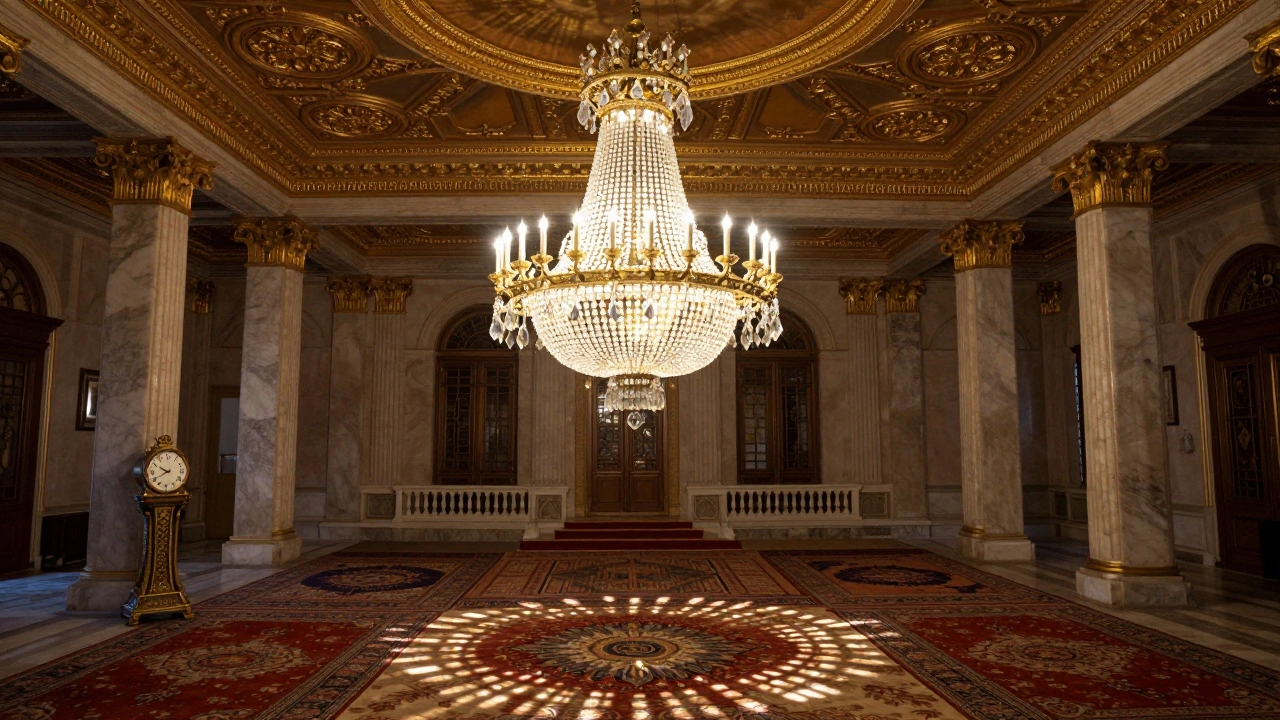
Before Dolmabahçe, the Ottomans ruled from Topkapı Palace, tucked away on a hill like a fortress. But by the mid-1800s, Sultan Abdülmecid I wanted something new-something that matched the palaces of Europe. So he ordered a palace built right on the shore, where the sea could be part of the view. Completed in 1856, Dolmabahçe was the first Ottoman palace to use crystal chandeliers, gold leaf, and European-style ballrooms. The main hall alone holds the largest crystal chandelier in the world-weighing 4.5 tons, with 750 lamps. Locals still whisper about how the sultan’s court used to gather here for evening concerts, the sound of violins blending with the lapping waves below.
It wasn’t just about luxury. This palace was a statement: the Ottoman Empire wasn’t falling behind-it was redefining itself. The architects were European, the materials came from across the globe: crystal from Bohemia, marble from Greece, carpets from Hereke. Even the doors were made of solid silver. That’s not just wealth-it’s ambition made visible.
The Weight of History in Every Room
Step into the Sultan’s private quarters, and the air changes. The rooms are smaller, quieter. The bed where Mustafa Kemal Atatürk died in 1938 is still there, preserved exactly as it was. A clock stopped at 9:05 AM-the moment he took his last breath. Locals often come here not just to see the gold, but to pay silent respects. It’s not unusual to see a grandmother placing a small flower on the railing near his room, or a student quietly reading a book on the bench outside, as if waiting for history to speak.
The Harem, with its 285 rooms, feels like a secret world. Women of the imperial family lived here, hidden from public view. Their courtyards were filled with orange trees and fountains, and their windows faced inward-not outward. You can still see the tiny holes in the walls where servants would pass food and messages without being seen. It’s a reminder that even in grandeur, privacy was sacred.
More Than a Tourist Spot-A Living Part of Istanbul
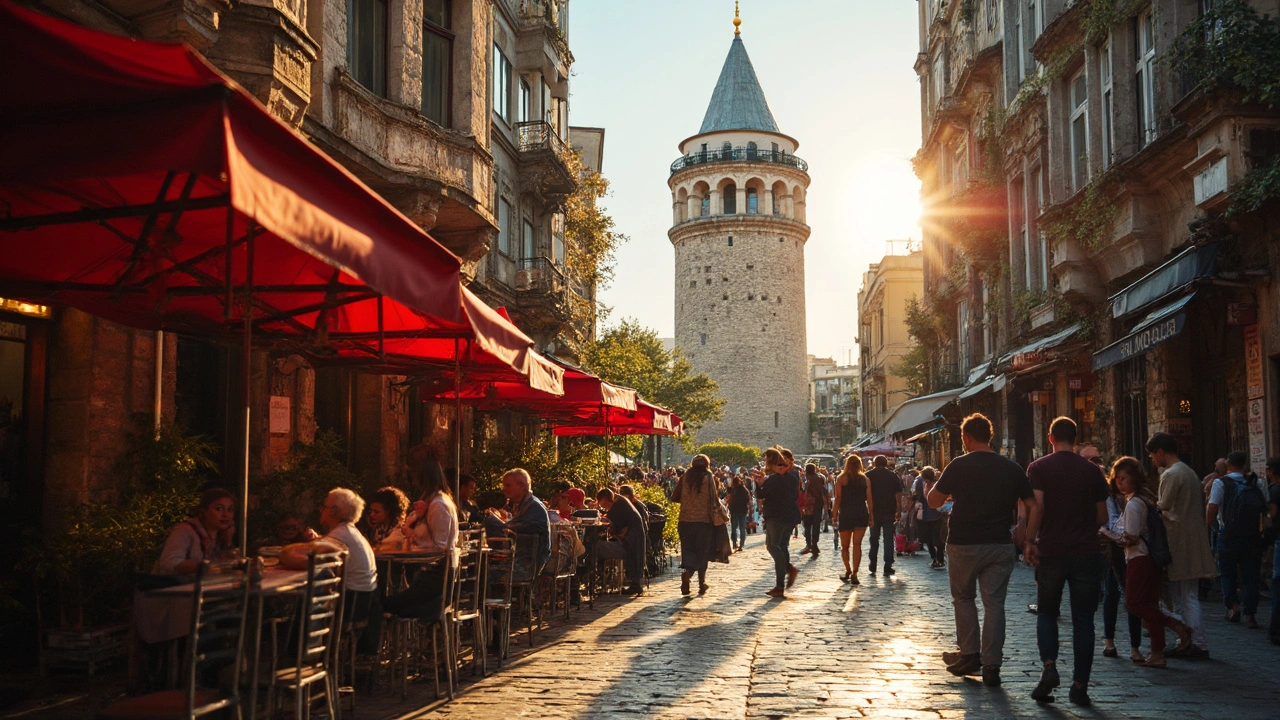
Dolmabahçe isn’t just for foreign tourists with cameras. On weekends, Istanbul families picnic on the palace grounds, spreading blankets under the plane trees. Students sketch the façade in their art notebooks. Couples take wedding photos on the grand staircase, the Bosphorus behind them like a living backdrop. You’ll see Turkish couples arguing playfully over who gets to take the best selfie in front of the crystal staircase, just like they do at Galata Tower or the Spice Bazaar.
And then there’s the ferry. Every day, dozens of commuters hop on the Kadıköy-Kabataş line, gliding past the palace as they head to work. Some glance up, barely noticing. Others pause, stare, and smile. For them, Dolmabahçe isn’t a relic-it’s part of their morning routine, like the smell of fresh çay from the kiosk on the pier.
What to See, and What to Skip
If you’re planning a visit, here’s what matters:
- Go early-before 9 AM. Lines form fast, especially on weekends and holidays. The palace opens at 9, but locals know to arrive by 8:30 to beat the crowds and the midday heat.
- Take the guided tour in Turkish. Even if you don’t speak it, the tone, the pauses, the emotion in the guide’s voice adds layers you won’t get from an audio headset. Many guides are descendants of palace staff-some still have family stories passed down for generations.
- Don’t miss the Ceremonial Hall. It’s where the sultan received foreign dignitaries. The ceiling is painted with gold leaf, and the floor is covered in handwoven Hereke carpets-each one taking over a year to make. One carpet alone cost more than a small village’s annual income.
- Skip the souvenir shops inside. The real treasures are outside: the sea view, the garden benches, the quiet corner near the clock tower where you can sit and watch the ferries pass.
The Palace That Still Speaks
Dolmabahçe Palace doesn’t just sit there. It listens. It remembers. It’s where the last sultan left, never to return. Where Atatürk, the founder of modern Turkey, breathed his last. Where generations of Istanbulites have walked past, ignored, or paused to wonder.
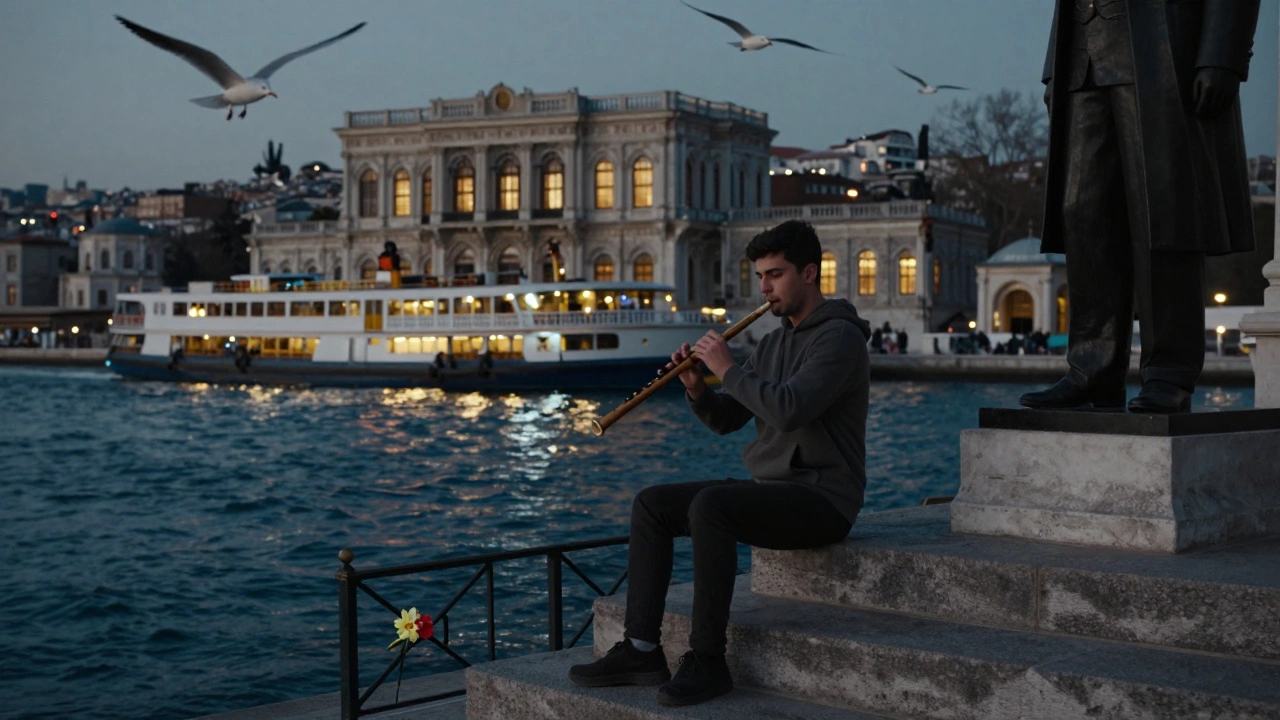
On a quiet Tuesday afternoon, you might see a young man in a hoodie sitting on the stone steps, playing a ney flute. The music drifts over the water, mixing with the sound of seagulls and the distant horn of a ferry. No one stops him. No one asks for money. It’s just music, and memory, and the Bosphorus-unchanged, enduring.
This is why Dolmabahçe isn’t just an Istanbul attraction. It’s the city’s quiet anchor. A place where empires rose, fell, and left behind something more lasting than gold: a story that still breathes.
Is Dolmabahçe Palace open every day?
Yes, Dolmabahçe Palace is open daily from 9:00 AM to 4:00 PM, except on Mondays and official public holidays. Locals often avoid weekends due to crowds, so weekdays are ideal for a peaceful visit. Tickets can be bought online through the official Turkish Ministry of Culture website, or at the entrance-though lines move faster online.
How long does it take to tour Dolmabahçe Palace?
A thorough tour takes about 1.5 to 2 hours. If you’re short on time, focus on the Ceremonial Hall, the Sultan’s private rooms, and the Harem wing-these are the most historically rich areas. Many Istanbul residents do a quick visit during lunch breaks, spending just 45 minutes to soak in the atmosphere before heading back to work.
Can you take photos inside the palace?
Photography is allowed in most areas, but not in the Harem or near Atatürk’s room. Flash is prohibited everywhere. Many locals use their phones instead of cameras-they’re more discreet and capture the moment without disrupting others. The best photo spot is the main staircase at golden hour, when the sun hits the crystal chandelier just right.
Is Dolmabahçe Palace accessible for people with mobility issues?
The palace has ramps and elevators in key areas, including access to the main halls and the terrace overlooking the Bosphorus. However, the Harem and some older sections still have stairs and narrow doorways. Wheelchair rentals are available free of charge at the entrance-just ask at the information desk. Many Istanbul residents with mobility needs come here regularly, especially during spring, when the gardens are in bloom.
What’s the best way to get to Dolmabahçe Palace from central Istanbul?
The easiest way is to take the tram from Taksim to Kabataş, then walk 5 minutes uphill. If you’re coming from Sultanahmet, take the ferry from Eminönü to Kabataş-it’s scenic, affordable, and drops you right at the palace gate. Taxis are common, but traffic on the Bosphorus road can be heavy during rush hour. Locals often combine the visit with a coffee at the nearby Çırağan Palace Kempinski, which has one of the best views of the palace from across the water.
Are there any free views of Dolmabahçe Palace?
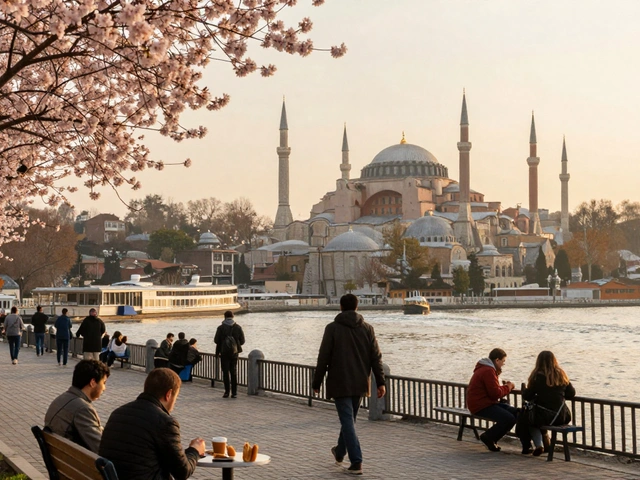
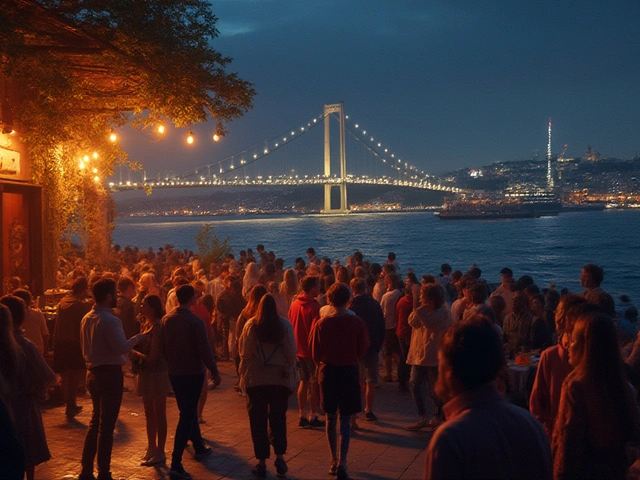
Absolutely. You don’t need to pay to see the palace. The best free vantage points are along the Bosphorus promenade between Kabataş and Beşiktaş, especially near the Dolmabahçe Clock Tower. Many Istanbul residents bring their dogs or coffee to sit on the benches here at sunset. The palace lights up at night, and the reflection on the water is unforgettable. It’s a quiet, local ritual-no ticket required.

6 Comments
The part about the grandmother leaving flowers by Atatürk’s room got me right in the chest. I’ve been to a lot of historic sites, but few feel so alive. It’s not just about the gold or the chandeliers-it’s the quiet, everyday reverence people still show. I cried a little standing there, honestly.
And that guy playing the ney flute? That’s the kind of thing that turns a tourist attraction into a living memory. No one stops him. No one demands a tip. Just music, water, and time.
I wish more places let history breathe like this.
Let’s be real-the whole ‘Ottomans redefining themselves’ narrative is just colonial wishful thinking. They were copying European palaces because they were losing power, not ‘rising to the occasion.’
And don’t get me started on the ‘silver doors.’ That’s not ambition-it’s delusional spending while the empire was collapsing. The Harem? A gilded cage. The chandelier? A 4.5-ton flex for tourists who think glitter equals grandeur.
Also, ‘quiet tragedy’? Yeah, because the Ottomans lost a war and got kicked out of Europe. Not exactly Shakespearean. Just sad, wasteful, and overdue.
And why does everyone romanticize the ‘local ritual’ of staring at the palace? It’s a museum. It’s not magic. It’s stone, glass, and propaganda.
OMG. I. AM. SO. MOVED. This isn’t just history-it’s a FULL-SPECTRUM EMOTIONAL EXPERIENCE! The chandelier? A SYMBOL OF HUMAN ASPIRATION! The stopped clock? A METAPHOR FOR TIME HALTING IN THE FACE OF LEGACY! The ney flute? PURE SPIRITUAL RESONANCE!
And the fact that locals still picnic there? THAT’S CULTURAL RESILIENCE IN ACTION! This isn’t a tourist trap-it’s a LIVING, BREATHING, THRIVING CULTURAL ANCHOR!
PLEASE. GO. THERE. NOW. Bring your journal, your tea, your trauma, and your wonder. Let Dolmabahçe hold you. Let it heal you. Let it remind you that even empires fall-but beauty? Beauty endures. And so do we.
Also-BUY THE BOOK. The author wrote one. I’m not even joking. It’s life-changing.
They let tourists take photos near Atatürk’s room? That’s disrespectful. He’s not a backdrop. He’s the founder of a secular republic. This place should be treated like a cathedral, not a selfie spot.
And why are people taking wedding photos on the staircase? That’s not romantic-it’s tacky. The sultan’s ballroom isn’t a wedding venue. It’s sacred ground.
Also, the article says ‘no flash’-but what about phone flashes? Same thing. People don’t care about history anymore. They just want content.
Big up to the ferry commuters who barely glance up-those are the real ones. Dolmabahçe isn’t a monument to them. It’s just part of the skyline, like a tree or a lamppost. That’s the most beautiful thing about it.
The palace doesn’t need you to bow to it. It just needs you to pass by. And sometimes, you do. And you smile. And that’s enough.
Also, the best free view? Definitely the bench near the clock tower at sunset. Bring a simit. Sit. Watch the boats. Let the gold on the walls glow. No ticket. No crowd. Just you and the Bosphorus.
And yeah, the ney guy? He’s probably a conservatory grad who’s just trying to pay rent. Let him play. The palace doesn’t mind. It’s heard worse.
Carl, you’re right that the palace was built during decline-but that doesn’t make it less powerful. Sometimes, beauty is the last thing you create before you fall. And that’s what makes it haunting.
Laura, you nailed it-this place feels alive because people still live around it. Not as relics. As neighbors.
John, the ferry thing? That’s the truth. The best memorials aren’t the ones you pay to enter. They’re the ones you pass on your way to work.
And Colleen? I get the passion. But let’s not turn history into a TED Talk. It’s already enough as it is.