
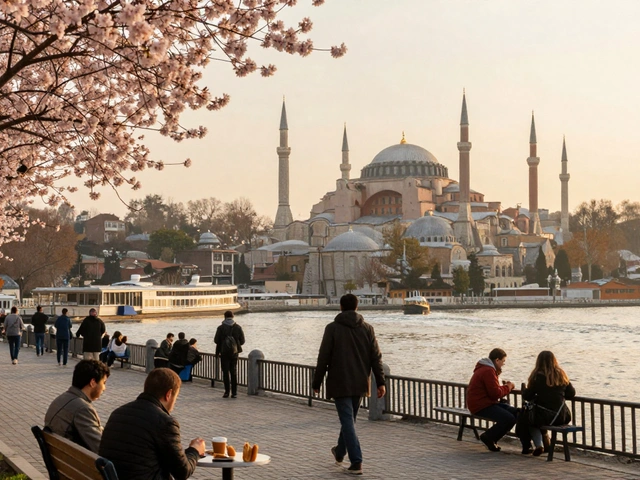
In Istanbul, the city doesn’t just have attractions-it has stories. Every cobblestone alley in Sultanahmet whispers Ottoman secrets. The call to prayer from the Blue Mosque echoes over the Bosphorus at dawn, while the spice-laden air of the Grand Bazaar swirls with the scent of sumac and dried apricots. This isn’t just a tourist checklist. These are the places locals live with, breathe through, and return to again and again-even after decades. If you’re new here, visiting for the first time, or just need a fresh perspective on your own city, this guide cuts through the noise. No fluff. Just the real, unfiltered, must-see spots that make Istanbul unforgettable.
The Heartbeat: Sultanahmet and the Historic Peninsula
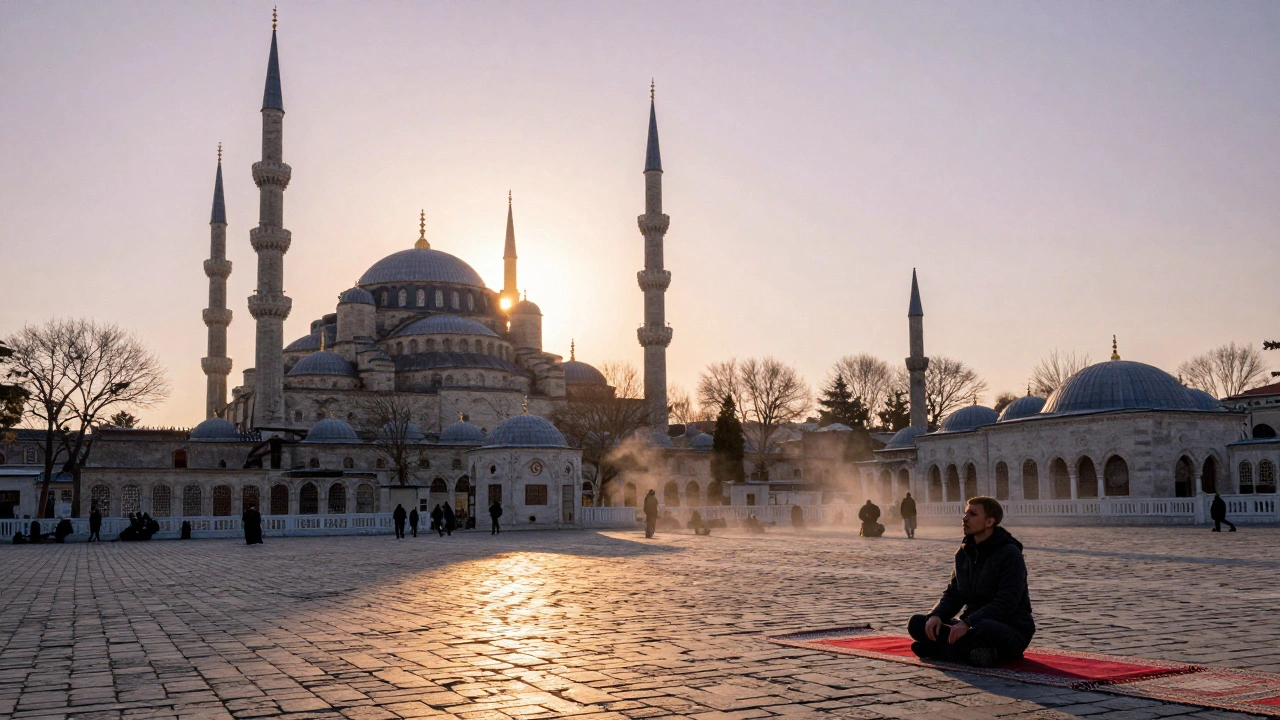
Start where the city began. Sultanahmet is the soul of Istanbul. The Blue Mosque isn’t just a postcard-it’s a living place of worship. Go early, before 9 a.m., to avoid the crowds and catch the morning light filtering through its 20,000 Iznik tiles. Don’t rush the interior. Sit quietly on the edge of the prayer rug area. Listen to the echo. That’s the sound of centuries.
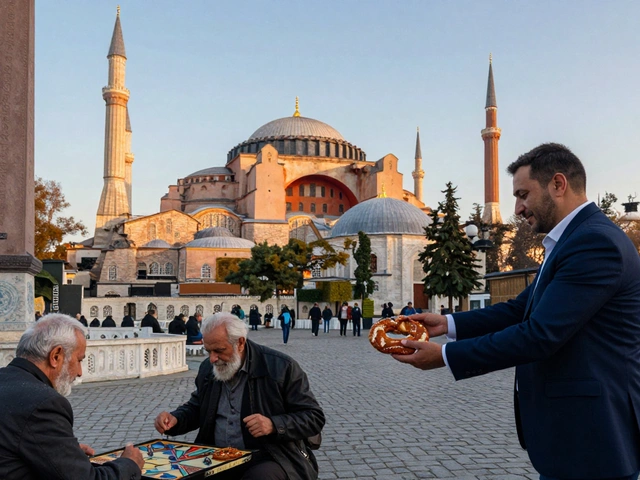
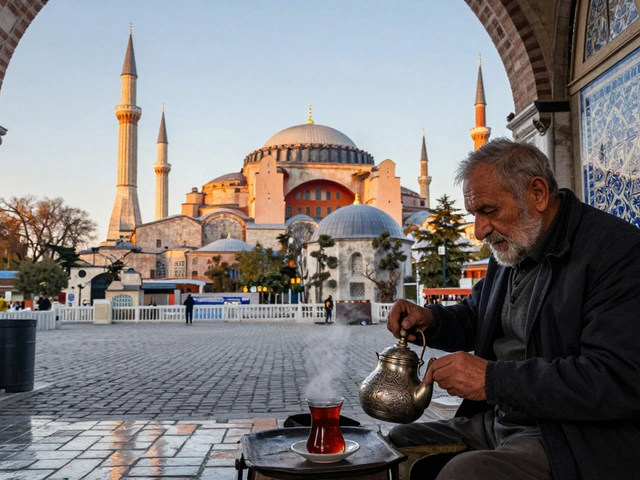
Right across the square, the Hagia Sophia doesn’t need a tour guide to explain its magic. Walk in. Look up. The dome still feels like it’s floating. The mosaics of emperors and saints glow softly under the low light. The building has been church, mosque, museum, and now mosque again. Its layers are the story of Istanbul itself.
Don’t skip the Topkapı Palace. Most visitors head straight to the harem, but the real gem is the Outer Courtyard. Grab a simit from a vendor near the Imperial Gate and sit on the stone bench overlooking the Bosphorus. Watch the ferries glide by. Locals do this every Sunday. It’s free. It’s peaceful. It’s Istanbul.
The Bazaar Experience: More Than Shopping
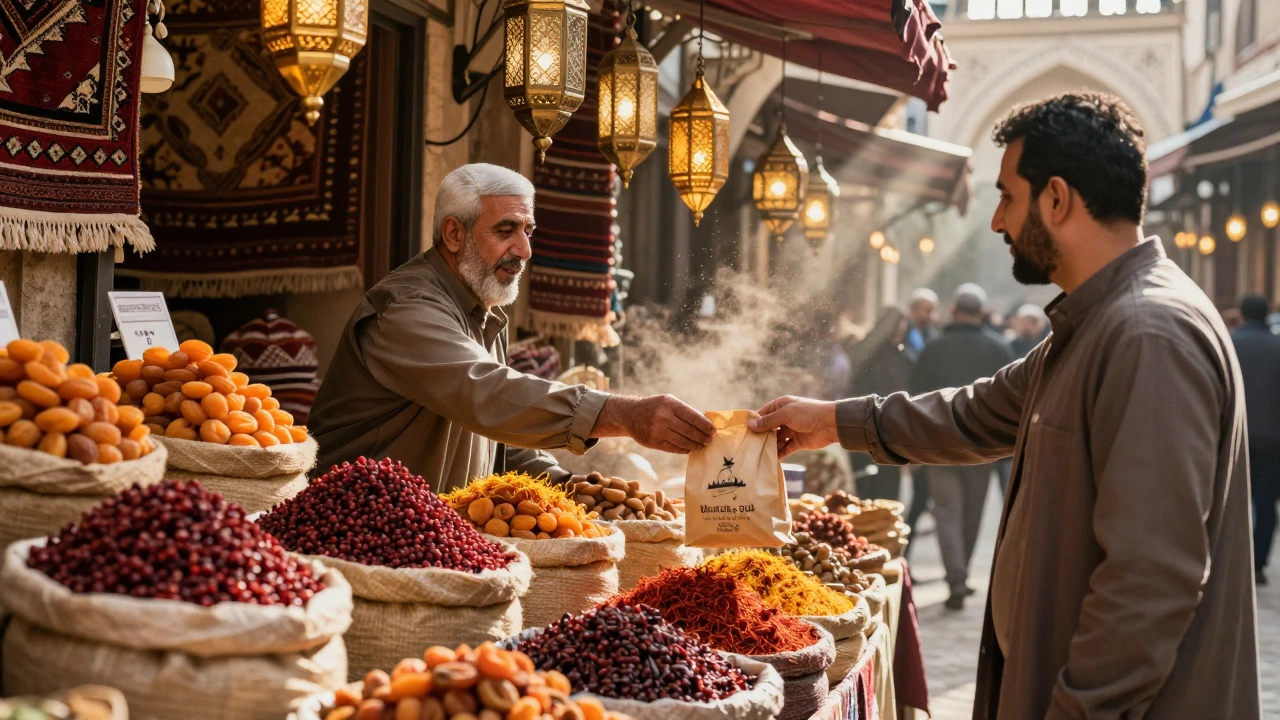
The Grand Bazaar isn’t a market-it’s a labyrinth with 61 streets and over 4,000 shops. You’ll find gold, ceramics, lanterns, and carpets. But if you’re looking for something real, head to the Spice Bazaar (Mısır Çarşısı). This is where Istanbul’s kitchens begin. Buy a small bag of sumac from Hasan Usta near the entrance-he’s been selling it since 1982. Taste the tartness. That’s the flavor of Turkish kebabs and salads.
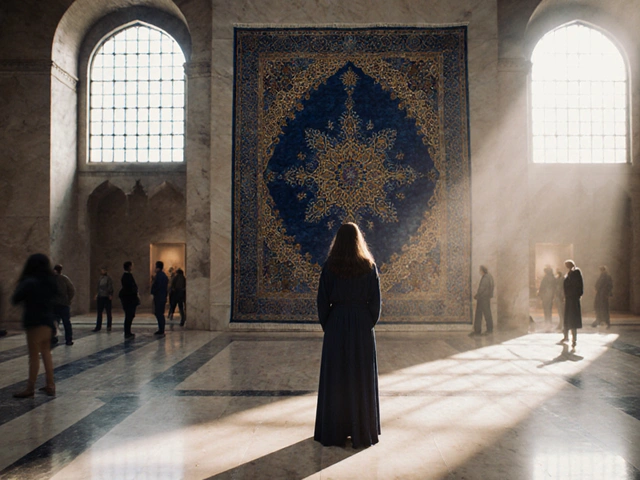
Don’t fall for the "Istanbul discount" sales. A real Turkish rug dealer won’t shout. They’ll offer you tea. Sit down. Ask where the wool was spun. Look at the knots. A good rug has 100-300 knots per square inch. If it’s under 60, it’s machine-made. The real ones come from Konya or Kayseri. Take your time. The best deals happen when you’re not in a hurry.
The Bosphorus: Istanbul’s Living Highway
Most tourists take the fancy Bosphorus cruise from Eminönü. Skip it. Instead, hop on the public ferry from Üsküdar to Beşiktaş-it costs 22 Turkish lira and runs every 15 minutes. You’ll see fishermen casting nets near the Maiden’s Tower. You’ll spot locals sunbathing on the rocks at Arnavutköy. You’ll pass the Ottoman wooden villas-yalıs-some still owned by families who’ve lived there since the 1800s.
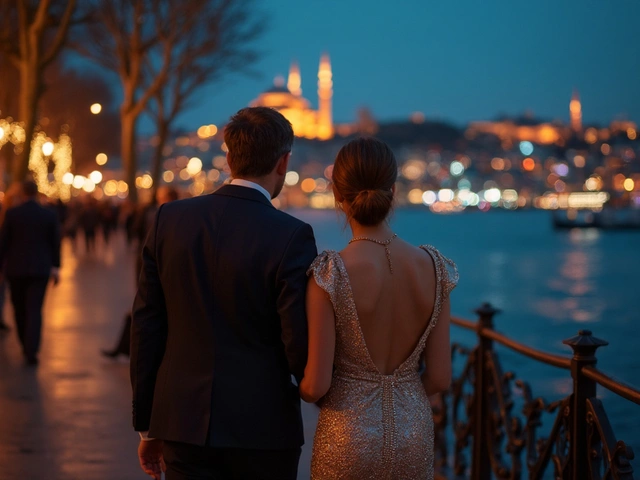
At sunset, walk along the Ortaköy Pier. The mosque lights up. The bridge glows. Street vendors sell kumpir-baked potatoes stuffed with butter, cheese, corn, pickles, and olives. Eat it while watching the ferries pass. This is where Istanbul’s youth hang out. No fancy restaurant. Just the sea, the music, and the smell of garlic.
Hidden Gems: Where Locals Go When No One’s Watching
Most guides skip Chora Church (Kariye Müzesi), but it’s one of the most breathtaking Byzantine sites in the world. The mosaics here are sharper, brighter, more emotional than even Hagia Sophia’s. The Christ Pantocrator stares down with eyes that seem to follow you. It’s quiet. You’ll have it mostly to yourself. Go on a weekday morning.
Down in the Kadıköy district on the Asian side, the Moda Pier is where Istanbul’s artists, writers, and teachers unwind. Walk the tree-lined promenade. Stop at İnci Sütçü for ayran and freshly baked poğaça. The bakery’s been there since 1954. Order the one with cheese and thyme. It’s the local breakfast of choice.
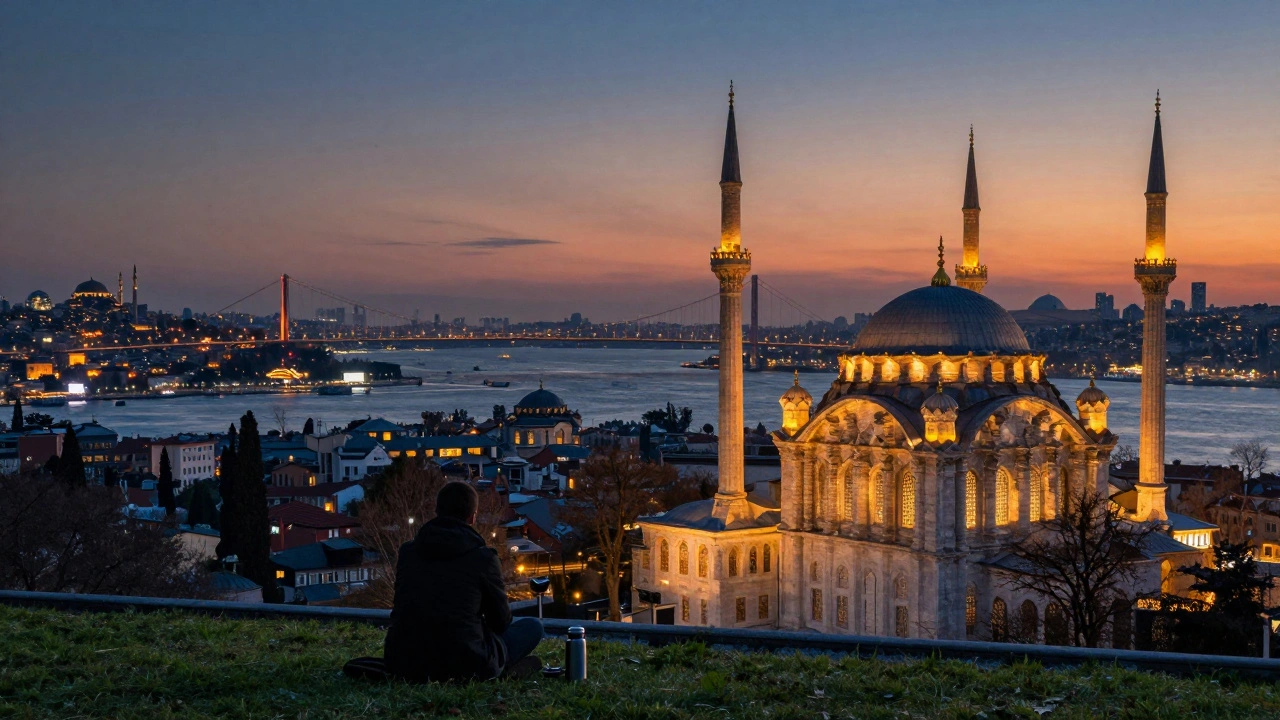
For a view no Instagrammer has captured, climb the stairs to the Çamlıca Hill Mosque. It’s the largest mosque in Turkey. But the real reward? The panoramic view of the entire city-Sultanahmet to the Princes’ Islands, the Golden Horn to the Black Sea. Go at dusk. Bring a thermos of Turkish coffee. Sit on the grass. Watch the lights turn on one by one.
The Street Food That Defines the City
You haven’t eaten in Istanbul until you’ve had simit from a street cart near Galata Bridge. The sesame crust crunches. The inside is chewy and warm. Eat it with a slice of beyaz peynir and a sip of çay from a tiny glass. That’s the rhythm of the city.
At Çiya Sofrası in Kadıköy, you won’t find kebabs. You’ll find forgotten regional dishes: çiğ köfte from Urfa, hünkar beğendi from Gaziantep, zeytinyağlı dolma from the Aegean. It’s not tourist food. It’s food that’s been passed down for generations. The owner, Hüseyin Çiya, sources ingredients from villages he’s known since childhood.
And yes, the balık ekmek boats by Eminönü are real. Fresh grilled mackerel, wrapped in warm bread, with onions and lettuce. Eat it standing on the dock. The fish comes from the Black Sea that morning. The bread is baked in a wood-fired oven in Fatih. This isn’t a snack. It’s a tradition.
When to Go, How to Move, What to Avoid
Best time? April to June and September to October. Summer is sweltering. Winter is wet. But even in January, the city has magic-the snow on the domes of Sultanahmet, the steam rising from the Bosphorus.
Forget renting a car. Traffic is chaos. Use the Istanbulkart. It works on metro, tram, bus, ferry, and even the funicular to Kabataş. Buy one at any metro station. Load it with 50 lira. You’ll use it every day.
Avoid the "Istanbul Pass" tourist bundles. They’re expensive and include places you don’t need. Buy tickets separately. Hagia Sophia is 1,200 lira. Topkapı is 1,000. Chora is 600. You’ll save money. And you’ll go where you want, when you want.
And don’t let anyone tell you Istanbul is "too crowded." It’s alive. Walk the narrow streets of Balat. Watch the old women sweeping their doorsteps. Listen to the shopkeeper singing along to the radio. That’s the rhythm. That’s the city.
What are the top 3 must-see attractions in Istanbul?
The top three are Hagia Sophia, the Blue Mosque, and the Grand Bazaar. But if you want to feel the real pulse of Istanbul, add Chora Church and the Bosphorus ferry ride from Üsküdar to Beşiktaş. These aren’t just sights-they’re experiences shaped by centuries of daily life.
Is it better to visit Istanbul in summer or winter?
Neither. Spring (April-June) and autumn (September-October) are ideal. Summer is hot and crowded, especially in Sultanahmet. Winter is quiet, rainy, and surprisingly beautiful-snow on the domes, steam rising from the Bosphorus, cozy cafés with çay and lokma. Locals say winter is when Istanbul feels most like itself.
Where can I find authentic Turkish food away from tourist traps?
Head to Kadıköy on the Asian side. Çiya Sofrası serves regional dishes from across Turkey, sourced directly from villages. In Fatih, try the balık ekmek boats near Eminönü or the kumpir stalls at Ortaköy. Avoid restaurants with pictures of food on the menu. The best places have no menu at all-just what’s fresh that day.
How do I avoid getting ripped off in the Grand Bazaar?
Don’t buy anything on your first visit. Sit down. Ask for tea. Learn the story behind the item. A real dealer will tell you where the materials came from. For carpets, check the knot count-100+ per square inch means handmade. For spices, buy from established shops like Hasan Usta in the Spice Bazaar. And never pay full price. Start at 40% of what they ask. It’s not rude-it’s tradition.
What’s the best way to get around Istanbul as a local would?
Get an Istanbulkart. Use the metro for long distances, trams for Sultanahmet to Taksim, and ferries for crossing the Bosphorus. Walk whenever you can-especially in neighborhoods like Balat, Fener, and Üsküdar. Taxis are expensive and slow. Ride-hailing apps like BiTaksi are better than hailing on the street. And never drive yourself. The traffic is a test of patience, not skill.
Final Thought: Istanbul Isn’t a List. It’s a Feeling.
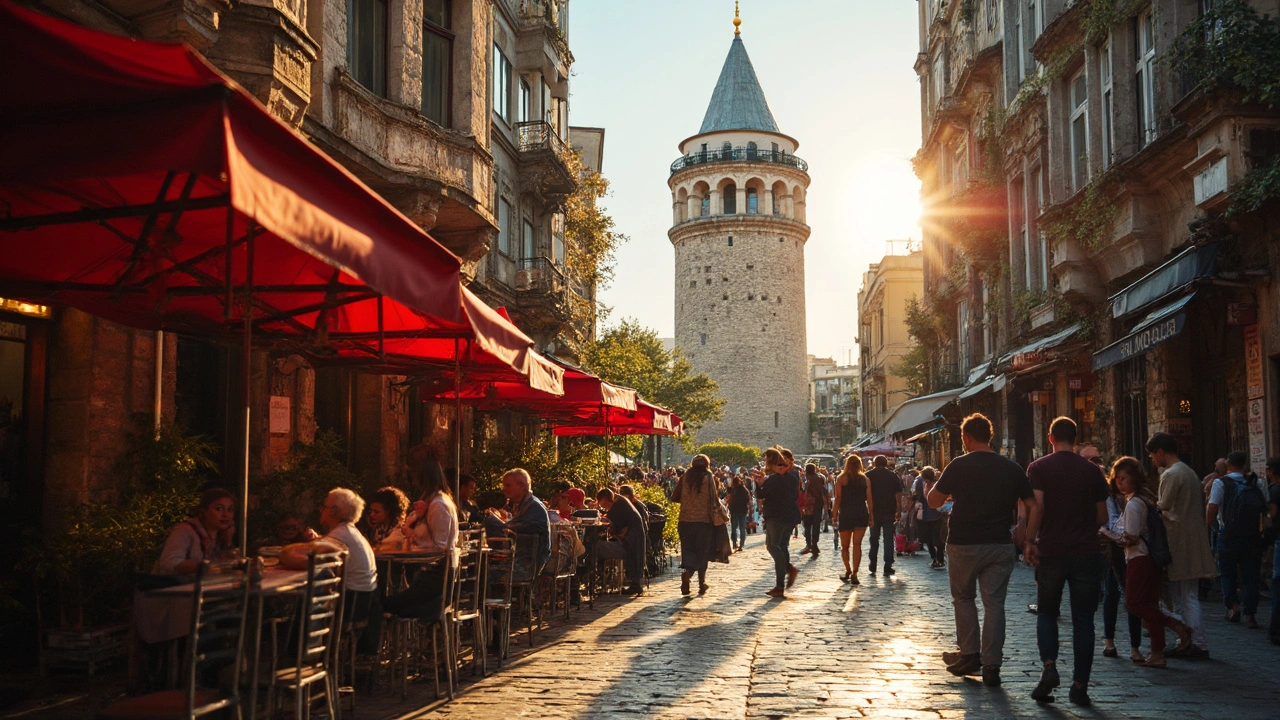
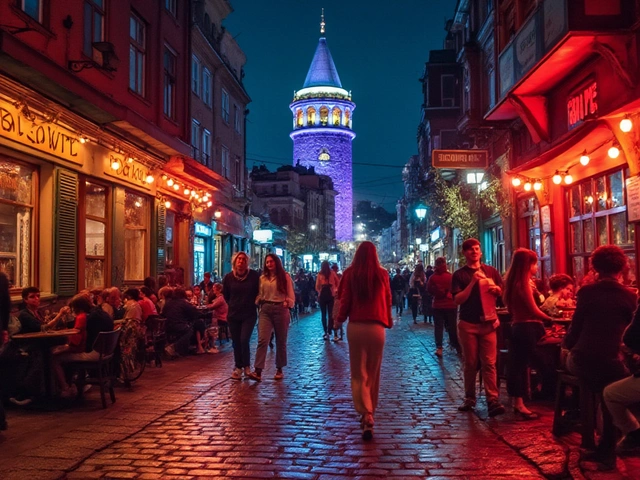
You can check off Hagia Sophia. You can snap a photo at the Bosphorus Bridge. But the real Istanbul? It’s in the old man who sells simit at 6 a.m. and remembers your name. It’s the woman who folds your tea towel at the café and asks if you slept well. It’s the sound of waves hitting the stones under the Galata Tower at midnight.
This city doesn’t need you to see everything. It needs you to feel something. Sit. Listen. Taste. Let the call to prayer carry you. That’s the only guide you’ll ever need.

5 Comments
Man, this guide is actually solid. I’ve been to Istanbul twice, and I skipped Chora Church both times. Big mistake. Third time’s the charm-I’m going back next spring just for that place. The mosaics? Unreal. Like, Byzantine anime-level detail. Also, the simit at Galata Bridge? Best in the city. Don’t even bother with the tourist carts near the ferry docks. Find the guy with the little cart near the old clock tower-he’s been there since the 90s. And yeah, the tea towel thing? Real. I got a free one once. Didn’t even ask. Just handed it to me like I was family.
Also, no one talks about how quiet the Blue Mosque is at 7:30 a.m. on a Tuesday. Zero crowds. Just the echo. That’s the moment you realize this place isn’t built for tourists. It’s built for prayer.
I think the real magic of Istanbul isn’t in the places, but in the pauses between them. The silence after the call to prayer. The way the ferry ride from Üsküdar feels like time slows down. You don’t need to see everything. You just need to sit somewhere-anywhere-and let the city breathe around you.
I sat on a bench in Kadıköy once, eating poğaça, watching an old man feed pigeons with his left hand while reading a newspaper with his right. He didn’t look up. The pigeons didn’t care. And for ten minutes, I didn’t care about anything else. That’s the Istanbul I remember. Not the landmarks. The stillness.
Okay but like… the author says "don’t buy anything on your first visit" in the Grand Bazaar? Bro. That’s not advice. That’s a scam tactic. They want you to come back so they can "offer tea" again and jack up the price. I bought a rug on my first day for 300 lira. Came back a week later-it was 800. They’re not selling rugs. They’re selling psychological warfare.
Also, "never pay full price"? Who even says that? That’s not tradition. That’s how tourists get scammed for 20 years. The real deal? Buy one thing. Walk away. Don’t play their game. And for god’s sake, stop romanticizing the "old man who remembers your name." That’s not a story. That’s a guy who’s paid to say that.
Angie’s got a point, but I think we’re missing the heart here. Look-I’ve lived in three different countries, and Istanbul is the only place where the vendors don’t just want your money. They want you to *understand*. The tea isn’t a trap. It’s a ritual. The slow walk through the Spice Bazaar? That’s not a sales pitch. That’s a lesson in patience.
I’ve seen people get angry because they didn’t get a "deal." But the deal isn’t the price. The deal is the story. Hasan Usta didn’t sell me sumac. He told me how his father learned to roast it in the hills outside Antakya. That’s worth more than any discount.
And yes, the simit guy remembers names. I went back three times. He remembered mine. I didn’t ask. He just smiled. That’s not scripted. That’s humanity. You can’t fake that. And you shouldn’t try to.
ok but have you seen the videos?? the "authentic" balık ekmek boats? they're all staged. the fish is frozen and shipped from Norway. the bread? mass-produced in a warehouse in Gaziantep. the "local woman folding your tea towel"? she's paid 12 lira an hour by the tourism board. i saw a hidden cam video on a reddit thread from 2021. they even have a script. "did you sleep well?" is line 7 of the customer experience manual. they even train the simit vendors to say "you look tired" to tourists who look like they're jetlagged. this whole guide is a marketing brochure disguised as truth. the real istanbul? it's a ghost town. the real people? they're in izmir. or ankara. or emigrating. this city is a theme park for rich americans who think "cultural immersion" means taking selfies with a guy who says "welcome home" in broken english. i'm not saying you're wrong. i'm saying the whole thing is a lie.