
In Istanbul, the Grand Bazaar isn’t just a market-it’s a living pulse of the city. More than 500 years old, it’s not a tourist trap you check off a list. It’s where your neighbor buys her saffron, where the guy who fixes your faucet picks up a new pair of copper teapots, and where expats learn to haggle like they’ve been doing it since childhood. If you’ve ever wandered through its 61 streets and 4,000 shops under those vaulted ceilings, you know it’s not about buying something. It’s about the rhythm of the place.
Start Early, Before the Crowds
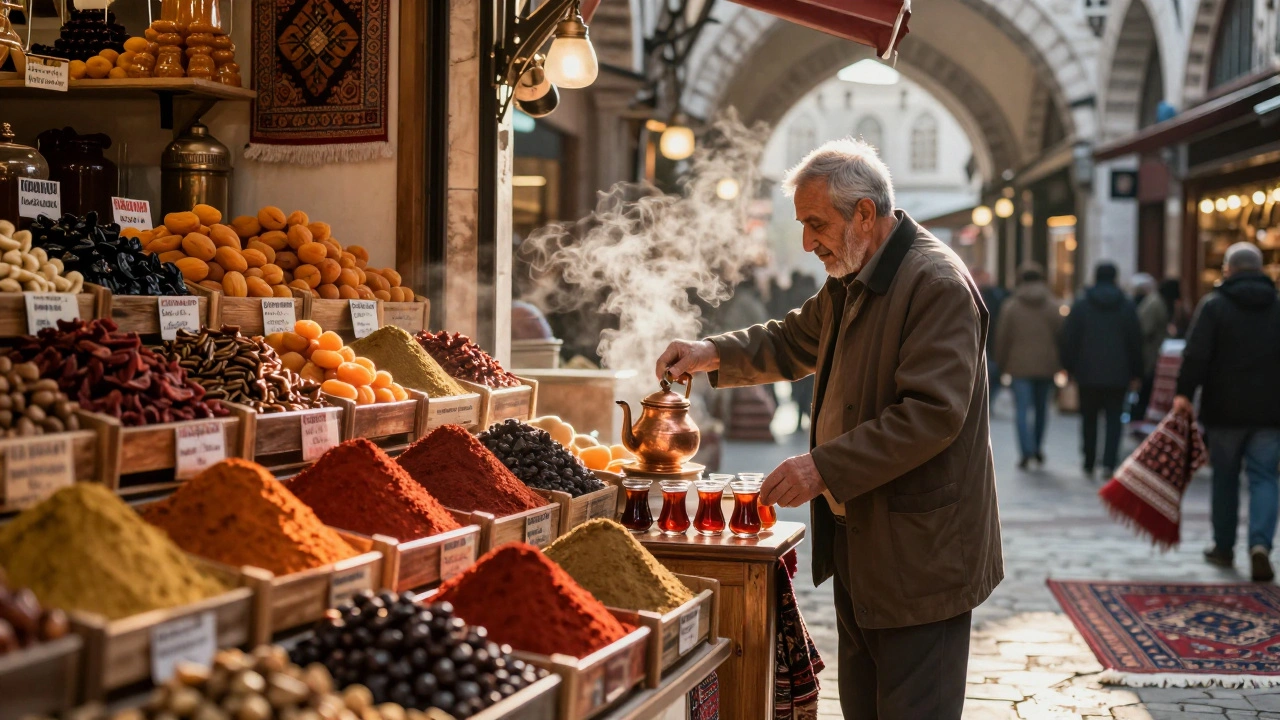
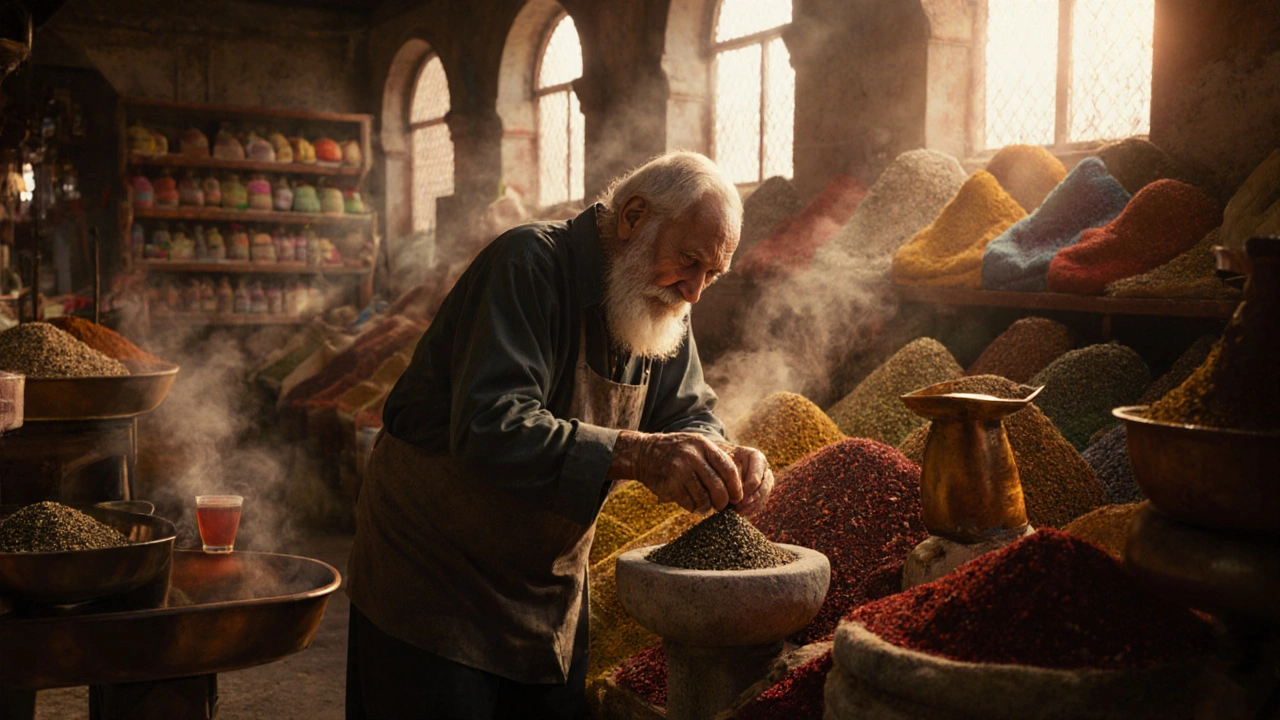
The Grand Bazaar opens at 9 a.m., but the real magic happens before the tour groups arrive. If you come in at 8:15 a.m., you’ll find the spice sellers laying out fresh batches of sumac and paprika from Malatya, the carpet weavers brushing dust off hand-knotted wool, and the tea masters pouring the first cups of çay from their brass kettles. Locals know this quiet hour is when prices are lowest and the best deals are still on the table.
Head straight to the Spice Bazaar entrance near Nuruosmaniye Street. That’s where you’ll find İstanbul Kuru Meyveler, the family-run stall that’s been selling dried apricots from Malatya and rose petals from Isparta since 1972. They don’t advertise. You’ll know them by the wooden crates stacked high with apricots that still have the pit in them-because that’s how they stay sweetest. Ask for a sample. They’ll give you three. You’ll ask for three more.
Know What You’re Really Buying
Not every silk carpet is hand-knotted. Not every copper pot is from Konya. And not every spice blend is made in Turkey.
When you see a carpet labeled "100% Turkish wool," ask to flip it over. Real hand-knotted carpets have uneven backs-each knot tied by hand, not machine-stitched. The patterns tell stories: the elma (apple) motif means fertility, the çinili (tile) design comes from Iznik. A good one takes a weaver six months to a year. You’ll pay 3,000 TL for a small one, 25,000 TL for a large. Don’t be fooled by the "discounted" price tag. The real discount is in patience.
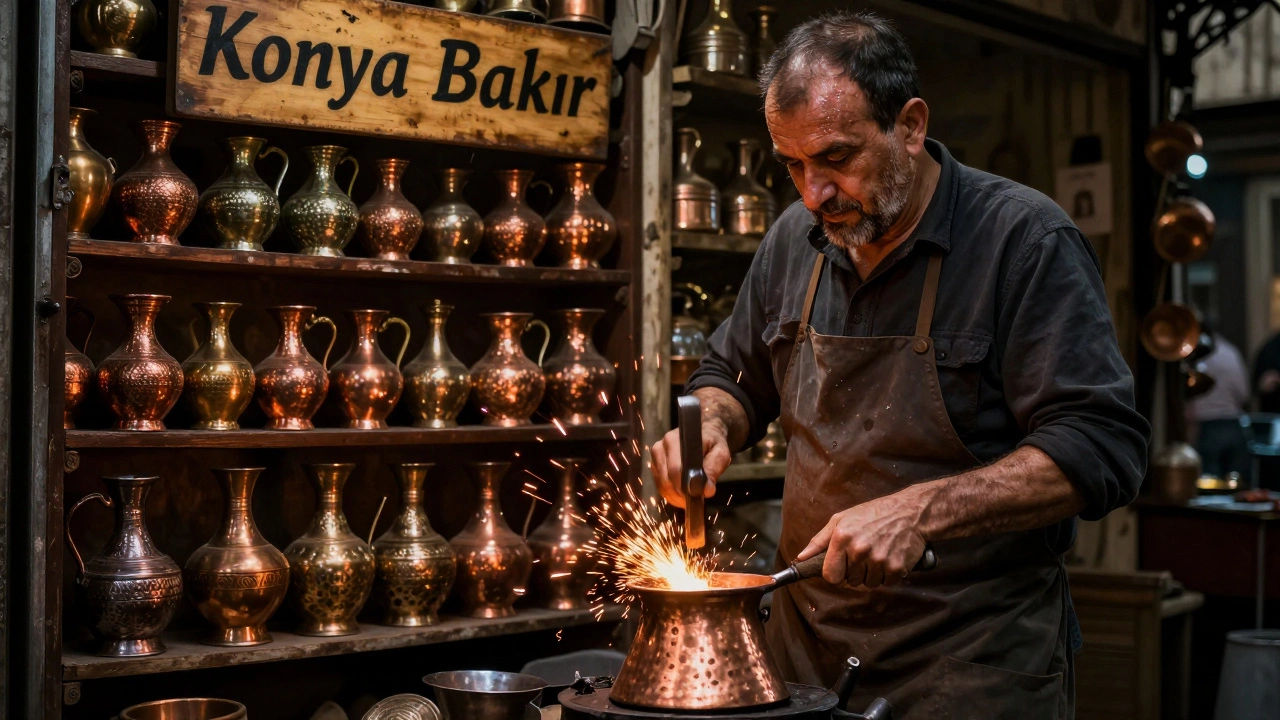
For copper, head to the alley between the Çarşı Kapısı and the Yeni Çarşı entrance. Look for the shop with the sign that says "Konya Bakır"-not "Istanbul Copper". That’s where the real stuff comes from. The pots are hammered by hand, not pressed. They’ll show you the dent where the artisan’s hammer struck just right. That’s the mark of quality.
The Art of the Haul
Locals don’t buy one thing. They buy a sefer-a journey. A bag of höşmerim cheese from Afyon, a roll of İstanbul silk scarves from the Çarşı silk district, a jar of boza from the old vendor near the Nuruosmaniye Mosque who still uses wooden barrels.
Bring a small cloth bag. Not a suitcase. You’ll be carrying your purchases through narrow alleys, up and down stairs, past tea stalls and goldsmiths who’ve been there since the Ottoman era. The best souvenirs aren’t the ones with logos. They’re the ones you can’t find anywhere else.
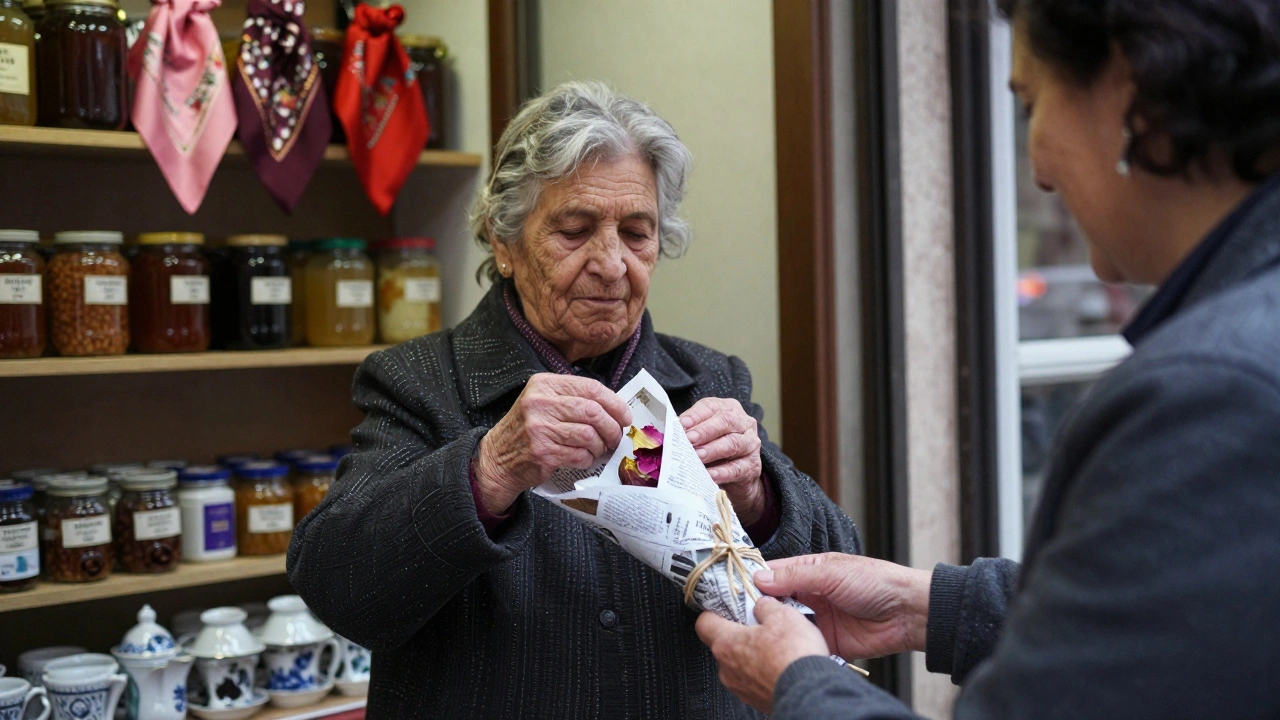
There’s a stall near the Çiçek Pasajı entrance that sells hünkar beğendi-a sweet made from figs, walnuts, and honey. It’s not in any guidebook. The woman who makes it is 78. She doesn’t speak English. But she knows your face by week three. She’ll wrap your purchase in newspaper, tie it with twine, and slip in a dried rose petal for luck.
Where to Eat Between Shops
You’ll get hungry. Don’t go to the food court near the main gate. That’s for tourists with cameras. Go to Çiya Sofrası’s little sister, Çiya Kebapçısı, tucked behind the clock tower. It’s a hole-in-the-wall with plastic chairs and a menu written in chalk. Order the İzmir köfte with grilled eggplant and a side of tarhana çorbası. It costs 85 TL. You’ll remember it longer than the scarf you bought.
Or stop at the Çay Bahçesi near the Yeni Çarşı exit. It’s not a café. It’s a patch of grass under a fig tree, where locals sit with their çay in small glasses and talk about politics, soccer, or their grandchildren. You’ll be invited to sit. You’ll say no. Then you’ll sit. And you’ll realize you’ve been in Istanbul long enough to feel at home.
What to Skip
Don’t buy "Turkish Delight" from the stalls near the entrance. Most of it’s imported, mass-produced, and coated in sugar you can’t pronounce. Instead, walk to Halil Usta in the İsmail Pasha section. He’s been making lokum since 1987. His rose flavor is made with real rose water from Isparta. His pistachio version has chunks you can see. He doesn’t have a website. He doesn’t need one.
Don’t buy "authentic" Ottoman jewelry from the silver vendors near the main corridor. Most of it’s plated brass. Look for the shop with the sign that says "Sırrı Usta"-he’s the last goldsmith in the bazaar who still uses traditional Ottoman engraving tools. His work is expensive. But if you’re buying something to wear, make it something that lasts.
How to Leave With More Than Just Bags
The Grand Bazaar doesn’t sell souvenirs. It sells memories. The woman who sold you the spice blend will wave when you pass by next week. The carpet dealer will remember you asked about the meaning of the peacock. The tea seller will pour you an extra cup because you smiled.
Leave with a story. Not a receipt.
And if you’re lucky, you’ll come back tomorrow. Because in Istanbul, the Grand Bazaar isn’t a place you visit. It’s a place that visits you.
Is the Grand Bazaar open every day?
Yes, the Grand Bazaar is open Monday through Saturday from 9 a.m. to 7 p.m. It’s closed on Sundays and public holidays like Kurban Bayramı and Ramazan Bayramı. Locals know to avoid the first day of the holidays-everything shuts down, and the streets fill with families buying new clothes and sweets.
Can I pay with credit card in the Grand Bazaar?
Most larger shops accept credit cards, especially for carpets, jewelry, and copperware. But many small spice sellers, tea vendors, and artisan stalls only take cash. Always carry Turkish lira in small bills-100 TL, 200 TL. ATMs are inside the bazaar, but they charge high fees. The best trick? Withdraw cash at a bank near Eminönü before you go.
What’s the best time of year to shop at the Grand Bazaar?
Spring (April-June) and early autumn (September-October) are ideal. The weather is mild, the crowds are thinner, and the spices are freshest. Avoid July and August-tourists flood in, prices rise, and the heat makes the stone floors unbearable. If you must visit in summer, go early in the morning and drink plenty of çay.
Are there guided tours in the Grand Bazaar?
Yes, but skip the group tours. Instead, hire a local guide through İstanbul Walks or ask at the İstanbul Tourist Information Center near Sultanahmet. A good guide won’t just show you shops-they’ll introduce you to artisans, explain the history behind the patterns, and teach you how to haggle without offending. A 90-minute private tour costs around 300 TL and is worth every lira.
What’s the most underrated item to buy in the Grand Bazaar?
Hand-painted ceramic çay bardağı-tea glasses. You’ll see them everywhere, but most are factory-made. Look for the ones with tiny brush strokes and uneven glaze. They’re made in Kütahya by artisans who’ve been firing clay since the 1800s. A set of six costs 180 TL. They’re beautiful, functional, and carry the soul of Turkish tea culture. Bring them home, and you’ll never drink tea the same way again.