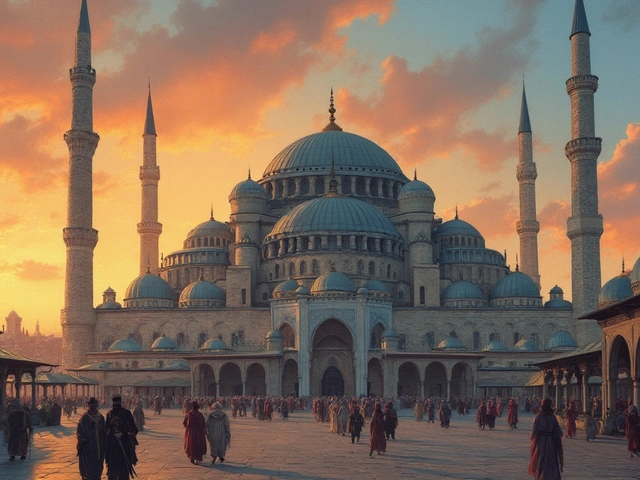
Istanbul Hidden Historical Sites: Discover the City’s Secret Past
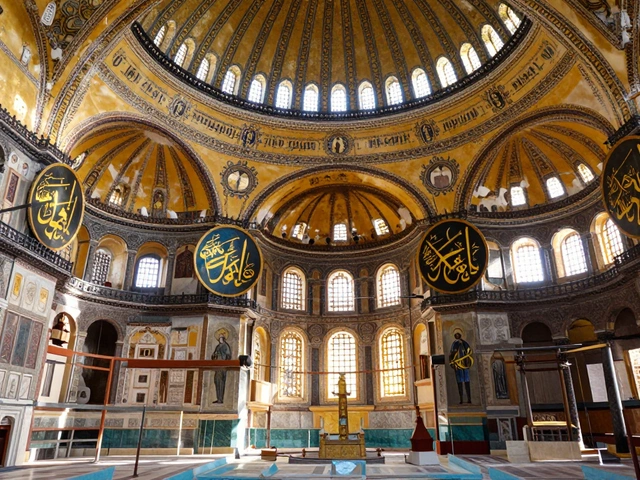
When you think of Istanbul’s history, you probably picture Hagia Sophia, a monumental Byzantine church turned mosque turned museum that dominates the skyline. Also known as Aya Sofya, it’s the city’s most famous landmark—but it’s not the whole story. Behind the crowds, tucked down narrow alleys and behind unmarked doors, are dozens of forgotten places where Byzantine mosaics still glow, Ottoman water systems still hum, and centuries of faith and power linger in silence.
These aren’t just ruins—they’re living fragments of two empires. The Basilica Cistern, a vast underground reservoir built in 532 AD to supply water to the Great Palace. Also known as Yerebatan Sarnıcı, it’s not just a tourist stop—it’s a cathedral of stone and shadow, where Medusa heads prop up columns like ancient bookends. Then there’s the Chora Church, a tiny Byzantine chapel in the Kariye district, packed with the most detailed mosaics and frescoes in the entire city. Also known as Kariye Museum, it’s so quiet you can hear your own breath echo off 700-year-old gold. Most visitors never find it. Locals? They go at sunrise, when the light hits the Virgin Mary’s face just right.
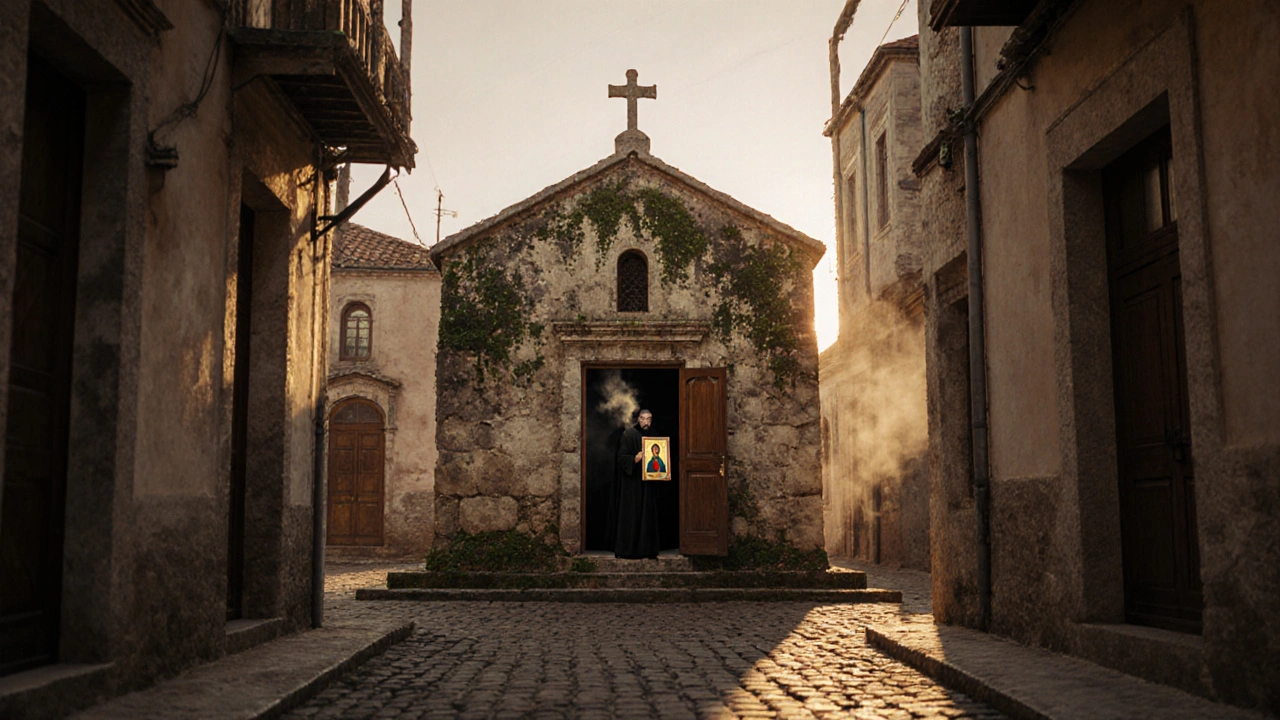
There’s also the Patriarchal Church of St. George, the spiritual heart of Eastern Orthodoxy in Turkey, hidden inside a walled compound in Fener. Also known as St. George’s Cathedral, it’s where the Ecumenical Patriarch still holds services, and the same stone steps have been worn smooth by centuries of pilgrims. Or the Rumeli Hisarı, a 15th-century Ottoman fortress built in just four months to control the Bosphorus. Also known as Rumelian Fortress, it’s where Sultan Mehmed II watched his fleet pass, and today, you can sit on the ramparts and watch modern cargo ships glide by. These places don’t scream for attention. They wait.
You won’t find these spots on most guided tours. They don’t have big signs, loud audio guides, or souvenir stalls. But they’re where Istanbul’s soul lives—not in the postcards, but in the quiet corners. The ones where the marble is cracked, the tiles are faded, and the only sound is the wind through broken arches. These are the places that remind you this city didn’t just survive history—it carried it in its bones.
Below, you’ll find real stories from people who’ve wandered these forgotten halls, found hidden courtyards behind mosques, and sat where emperors once walked. No fluff. No hype. Just the quiet truth of Istanbul’s hidden past.