
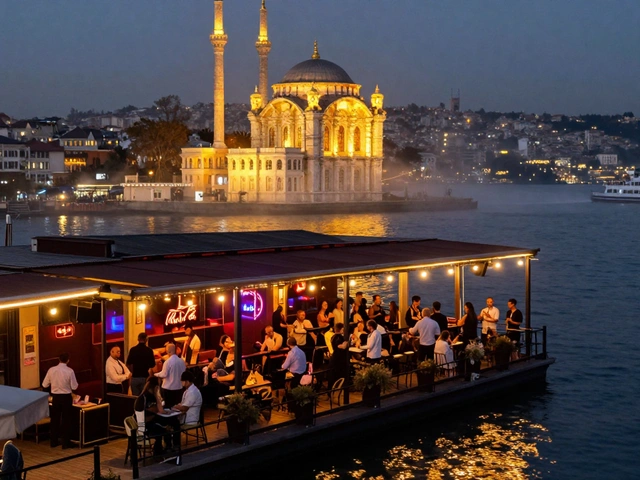
The Heart of History: Hagia Sophia and Süleymaniye Mosque
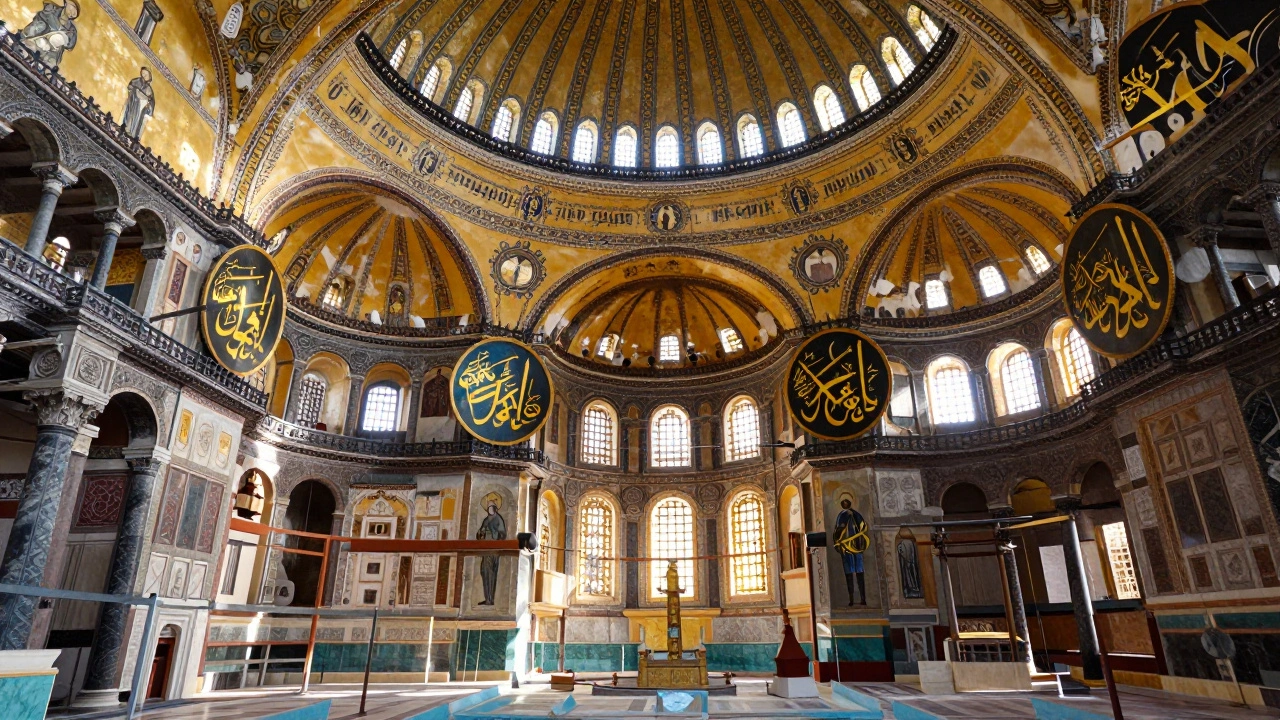
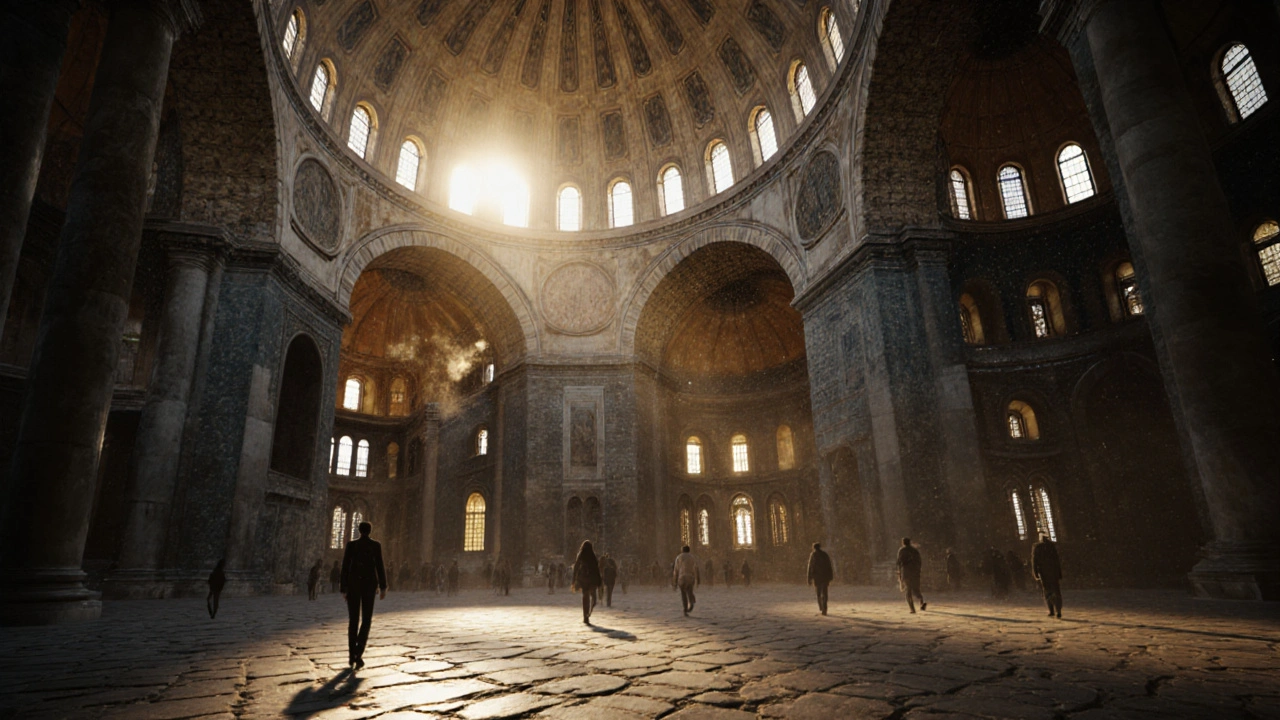
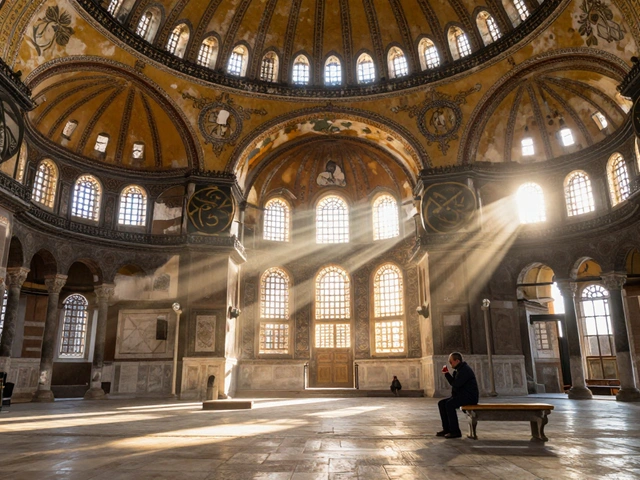
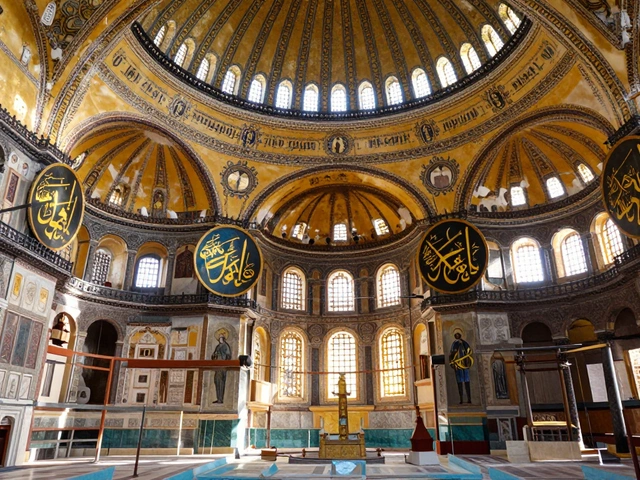
Hagia Sophia is a UNESCO World Heritage site in Istanbul. Originally built as a cathedral in 537 AD under Emperor Justinian I, it was the largest church in the world for nearly a millennium. Its 31-meter-wide dome stood as an engineering marvel until the 16th century. Today, Hagia Sophia’s interior features stunning Byzantine mosaics alongside Islamic calligraphy added after its conversion to a mosque in 1453. The building’s transformation reflects Istanbul’s complex history, serving as a cathedral, mosque, museum, and now a mosque again.
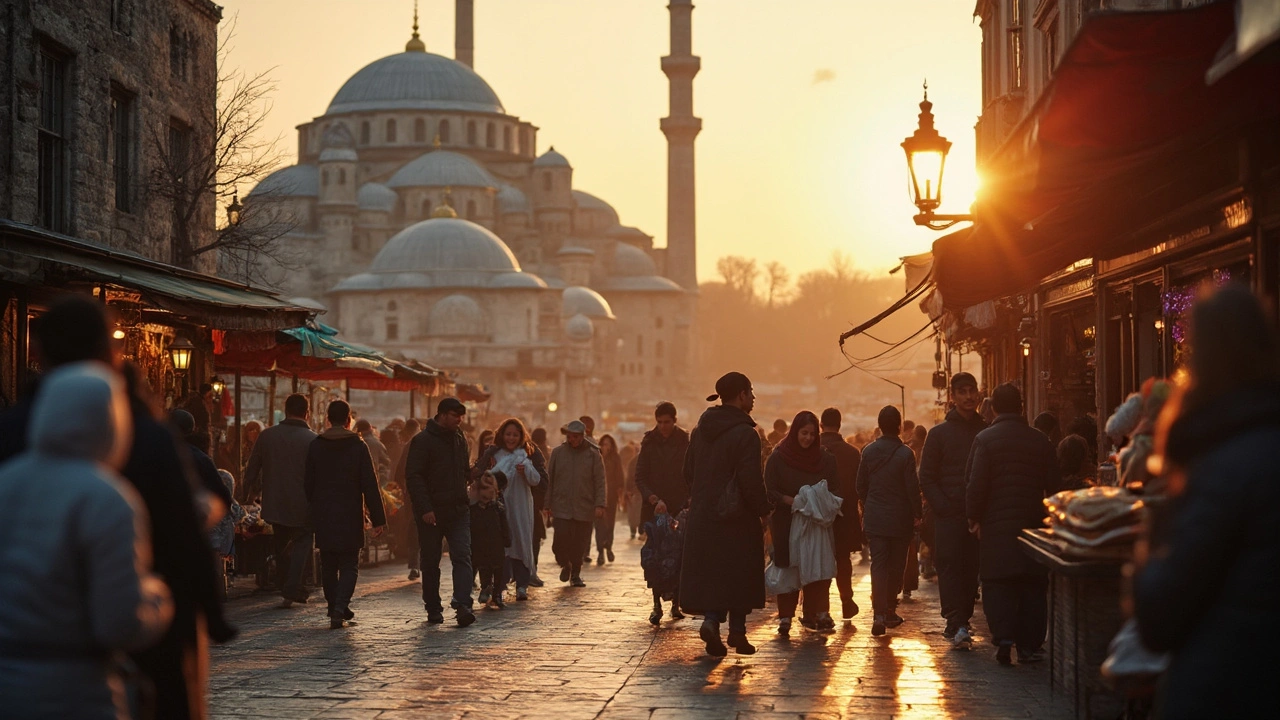
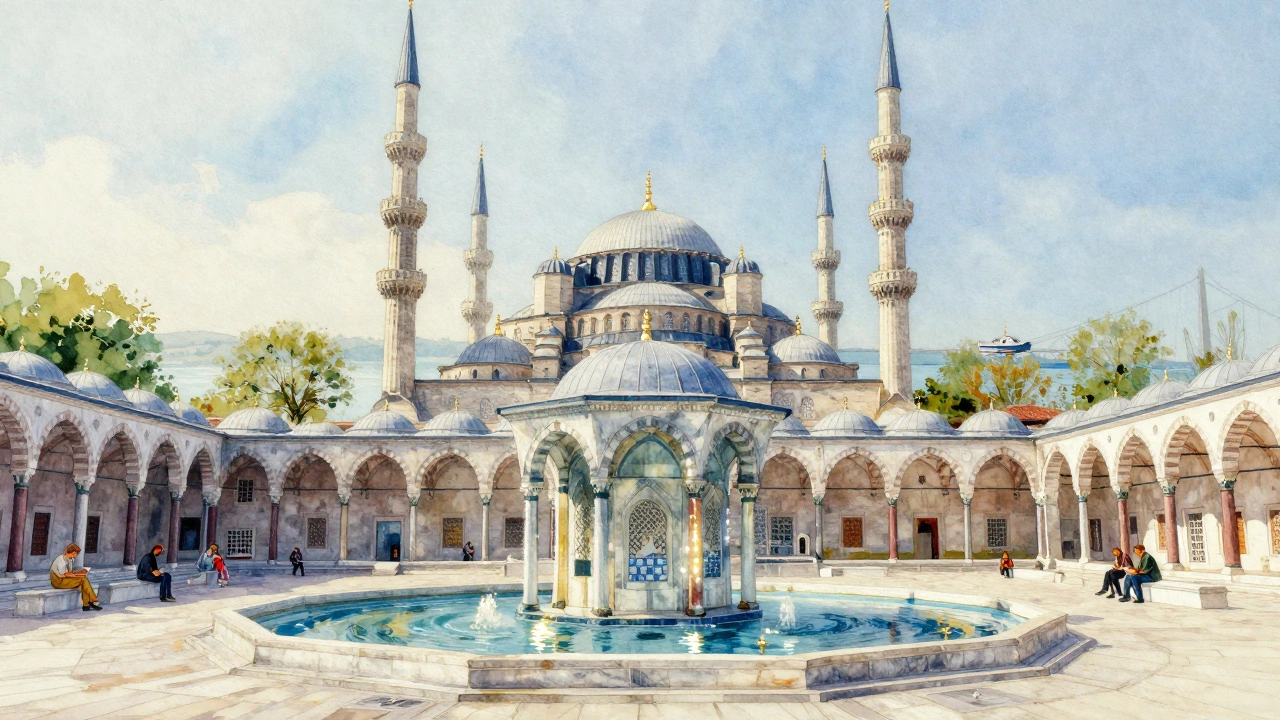
Süleymaniye Mosque was designed by the legendary architect Mimar Sinan in 1550. Commissioned by Sultan Süleyman the Magnificent, it’s considered one of his greatest achievements. The mosque’s four minarets symbolize Süleyman as the fourth Ottoman sultan after the conquest of Constantinople. Its grand courtyard, with a central fountain and marble columns, is a peaceful retreat for locals. On Fridays, hundreds gather for prayers, while tourists admire the intricate Iznik tiles and the mosque’s commanding view of the Golden Horn.
Ottoman Grandeur: Dolmabahçe and Topkapi Palaces
Dolmabahçe Palace was completed in 1856 and blends Ottoman, Baroque, and Neoclassical styles. Its 285 rooms house crystal chandeliers, gold leaf decorations, and a massive crystal staircase. Today, it serves as a museum, offering a glimpse into the opulent lifestyle of the Ottoman sultans. Locals often visit to see the ceremonial hall where Mustafa Kemal Atatürk spent his final days. The palace’s gardens along the Bosphorus provide a rare waterfront escape in the heart of Beşiktaş.
Topkapi Palace was the primary residence of Ottoman sultans for nearly 400 years. Built in 1460, it features sprawling courtyards, harem quarters, and the sacred Relics Chamber housing Islamic holy artifacts. The palace’s architecture reflects a fusion of Islamic and Byzantine influences. Today, its treasury displays priceless jewels, including the Spoonmaker’s Diamond. Many Istanbul residents take their children here to learn about Ottoman history through interactive exhibits.
Modern Marvels: Çamlıca Mosque and Istanbul Modern
Çamlıca Mosque completed in 2019 is Turkey’s largest mosque. Its 36-meter-high dome and 65-meter-tall minarets dominate the skyline. The mosque features a unique blend of traditional Ottoman elements and contemporary design, including a library with over 50,000 books and a museum showcasing Ottoman architecture. Every Friday, thousands gather for prayers, while its educational wing offers free Quran classes for Istanbul’s growing population. The mosque’s location on Çamlıca Hill provides panoramic views of the city, making it a popular spot for photography enthusiasts.
Istanbul Modern opened in 2004 and sits on the Bosphorus shoreline in Karaköy. Its sleek glass facade contrasts with the historic Galata Bridge. The museum hosts rotating exhibitions of Turkish contemporary art, including works by Bedri Baykam and İsmail Ateş. Its rooftop café offers stunning views of the Bosphorus while serving Turkish coffee and lokum. Local artists often host workshops here, fostering a creative community that blends tradition with innovation.
Galata Tower: A Timeless Icon
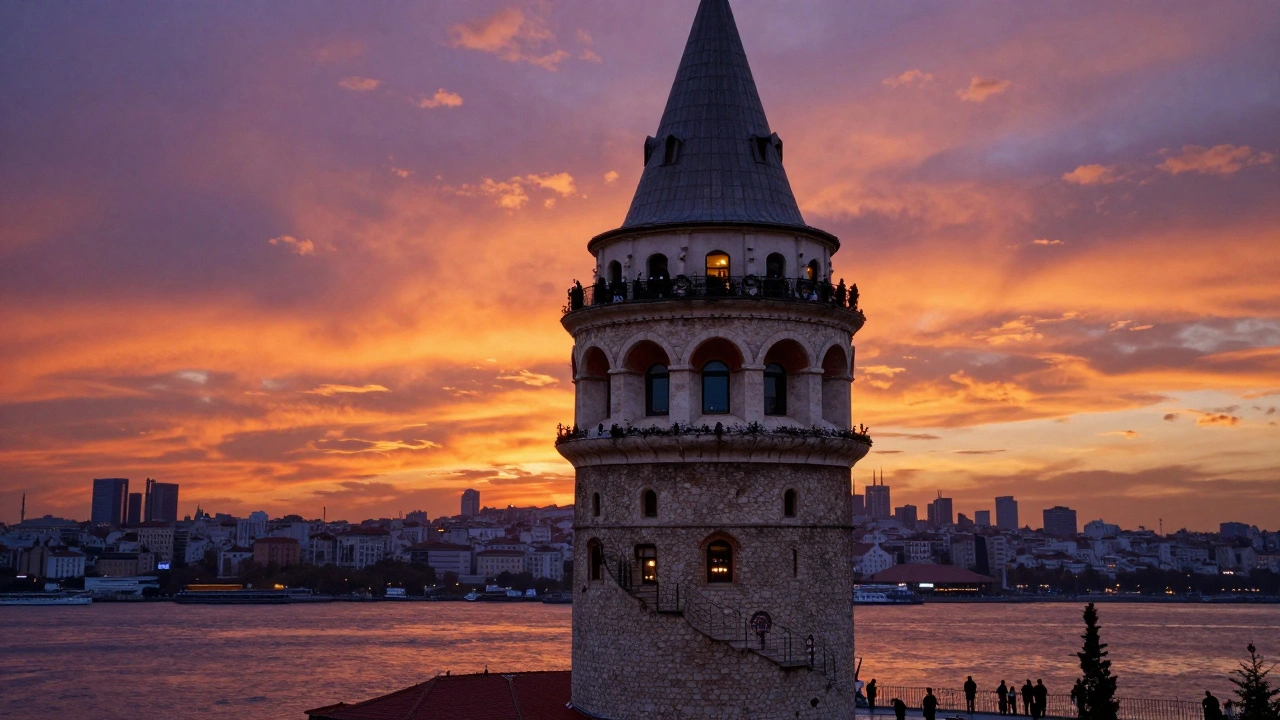
Galata Tower was built in 1348 by the Genoese and has served as a watchtower, prison, and observatory. Today, its upper floors house a restaurant and observation deck, offering panoramic views of the Bosphorus. The tower’s narrow spiral staircase is a favorite among photographers seeking sunset shots over the historic peninsula. The rooftop restaurant, Mikla, is a Michelin-starred spot known for Turkish cuisine with a modern twist. It’s a favorite among Istanbul’s foodies who want to enjoy fine dining with a view. Locals often bring visitors here for first impressions of the city’s skyline.
How These Buildings Shape Daily Life in Istanbul
For Istanbul residents, these iconic structures aren’t just tourist attractions. The Süleymaniye Mosque’s courtyard is a popular spot for locals to relax, while the Galata Tower’s rooftop café hosts art exhibitions. The Çamlıca Mosque’s educational facilities provide free Quran classes, and Istanbul Modern’s exhibitions often feature local artists, fostering a sense of community. The Bosphorus Bridge connects the European and Asian sides, serving as both a functional crossing and a symbol of unity. During Ramadan, the illuminated minarets of the Süleymaniye Mosque become a beacon for iftar gatherings. These buildings are living parts of the city’s identity, not just monuments frozen in time.
Frequently Asked Questions
What is the most iconic building in Istanbul?
The Hagia Sophia is widely regarded as Istanbul’s most iconic building. Its history spans over 1,500 years, serving as a cathedral, mosque, and museum before returning to a mosque in 2020. The building’s massive dome and unique blend of Byzantine and Ottoman architecture make it a symbol of the city’s cultural crossroads. Millions visit annually to witness its stunning mosaics and historical significance.
How old is the Galata Tower?
The Galata Tower was built in 1348 by the Genoese during their occupation of Constantinople. It has stood for nearly 700 years, surviving earthquakes, fires, and wars. Its original purpose was as a watchtower to monitor the city’s harbor. Today, it remains one of Istanbul’s most visited landmarks, with visitors climbing its 366 steps for breathtaking views.
Why is Çamlıca Mosque significant?
Çamlıca Mosque is significant as Turkey’s largest mosque, completed in 2019. Its 36-meter dome and 65-meter minarets symbolize modern Turkish architecture while honoring Ottoman traditions. The mosque serves over 50,000 worshippers daily and includes educational facilities, a library, and a museum. Its location on Çamlıca Hill makes it visible from across the city, representing Istanbul’s spiritual and cultural evolution.
Can visitors enter all parts of Dolmabahçe Palace?
Yes, most areas of Dolmabahçe Palace are open to visitors. The Crystal Staircase, Ceremonial Hall, and Harem section are accessible through guided tours. However, some private chambers remain closed for preservation. Tickets must be booked in advance, especially during peak tourist season. Locals often recommend visiting early in the morning to avoid crowds and fully appreciate the palace’s intricate details.
What makes Istanbul Modern’s exhibitions unique?
Istanbul Modern focuses exclusively on contemporary Turkish art, showcasing works from the late 19th century to today. Unlike other museums, it emphasizes experimental and socially relevant pieces, often featuring emerging local artists. Its rooftop café hosts weekly art workshops, and the building’s architecture itself is part of the experience. Many Istanbul residents consider it a cultural hub where tradition meets modernity.

6 Comments
Istanbul's architectural diversity is a beautiful reflection of its multicultural heritage. From the Hagia Sophia's seamless blend of Byzantine and Ottoman elements to the Süleymaniye Mosque's serene courtyard, each structure tells a story of coexistence. Çamlıca Mosque's modern design honors tradition while serving the community, and Istanbul Modern's exhibitions bring contemporary art to life. These places aren't just tourist spots-they're integral to daily life, fostering connection and pride. Truly a city where history and modernity coexist harmoniously.
Oh my goodness, the Hagia Sophia! It's not just a building; it's a living, breathing testament to the intricate tapestry of human history, a symphony of architectural brilliance that has witnessed the rise and fall of empires, the clash and fusion of civilizations, and the eternal dance of faith and culture. From its inception as a cathedral in 537 AD under Emperor Justinian I, to its transformation into a mosque in 1453, then a museum, and now a mosque once again, every stone, every mosaic, every arch tells a story that transcends time. The sheer engineering marvel of its 31-meter-wide dome, which stood as the largest in the world for nearly a millennium, continues to inspire awe centuries later. The Byzantine mosaics depicting Christ Pantocrator alongside the Islamic calligraphy added during Ottoman rule create a unique visual dialogue that speaks to Istanbul's role as a crossroads of worlds. Every visit to Hagia Sophia feels like stepping into a living museum where history isn't just preserved-it's actively evolving. The way it seamlessly integrates elements from different eras and cultures is a masterclass in architectural adaptation, proving that beauty and functionality can coexist across centuries. And let's not forget the Süleymaniye Mosque, designed by Mimar Sinan for Sultan Süleyman the Magnificent-its four minarets symbolizing the fourth Ottoman sultan after the conquest, the grand courtyard with marble columns, and the breathtaking views of the Golden Horn-it's a masterpiece of Ottoman architecture that still serves as a spiritual haven for locals today. Dolmabahçe Palace, with its crystal chandeliers, gold leaf decorations, and massive staircase, offers a glimpse into the opulent lifestyle of the Ottoman sultans, while Topkapi Palace's harem quarters and Relics Chamber house priceless artifacts that connect us to the empire's legacy. Çamlıca Mosque, completed in 2019, is a modern marvel that honors tradition while embracing contemporary design, with its 36-meter dome and 65-meter minarets dominating the skyline and its educational wing providing free Quran classes to the community. Istanbul Modern, with its sleek glass facade and rooftop café, is a hub for contemporary Turkish art, fostering creativity and dialogue between tradition and innovation. And Galata Tower, standing strong for nearly 700 years, has served as a watchtower, prison, and observatory, and now offers panoramic views of the Bosphorus from its Michelin-starred restaurant, Mikla. These structures aren't just monuments; they're the heartbeat of Istanbul, shaping daily life for its residents and visitors alike, proving that history is not static but a living, evolving part of our present. Every single one of these iconic buildings is a testament to the city's resilience, diversity, and enduring spirit, making Istanbul a true treasure trove of architectural and cultural heritage.
The architectural synthesis of Hagia Sophia represents a dialectical tension between Christian and Islamic paradigms, which is a quintessential example of postmodern deconstruction of religious hegemony. The current status as a mosque is merely a temporal phase in its ontological journey, reflecting the ongoing negotiation of identity in a globalized context. Mimar Sinan's Süleymaniye Mosque, while impressive, lacks the same level of syncretic complexity, being more of a monolithic expression of Ottoman imperial power rather than a true intercultural dialogue. The Çamlıca Mosque's contemporary design, however, introduces a new paradigm of neo-Ottoman futurism that may redefine the discourse. This evolution underscores the necessity of reevaluating traditional narratives in favor of more inclusive and dynamic frameworks. The very notion of 'iconic' is subjective, shaped by power structures and historical contingencies. A truly comprehensive understanding requires deconstructing these binaries and embracing the fluidity of cultural identity. The historical narratives imposed on these structures often obscure the lived experiences of the communities that interact with them daily. Therefore, we must move beyond superficial appreciation and engage with the deeper socio-political implications of these architectural marvels. This is not merely about aesthetics; it's about the politics of memory and representation in a postcolonial world. The interplay between preservation and transformation is a delicate balance that demands critical engagement. Each building is a palimpsest of competing narratives, and our role as observers is to unpack these layers with intellectual rigor. The future of Istanbul's architectural heritage lies in embracing this complexity rather than reducing it to simplistic binaries. Ultimately, it's about recognizing the agency of the city's inhabitants in shaping their own cultural landscape. The very act of labeling something 'iconic' is itself a political act that serves specific ideological agendas. Therefore, a critical lens is essential to navigate these complex histories.
Hagia Sophia should be a mosque.
Hagia Sophia's history is fascinating it seamlessly blends Byzantine and Ottoman elements making it a perfect symbol of Istanbul's cultural crossroads
Oh, the Hagia Sophia! It's such a magnificent structure; its history spans over 1,500 years! From cathedral to mosque to museum and back again-what a journey! The blend of Byzantine mosaics and Islamic calligraphy is simply breathtaking! I love how it symbolizes Istanbul's rich heritage!