
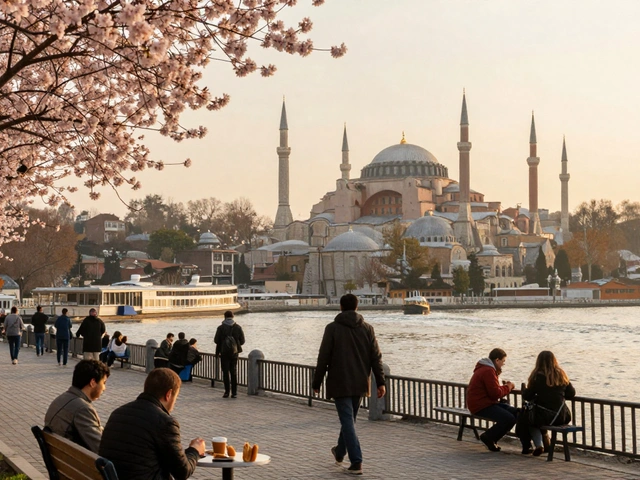
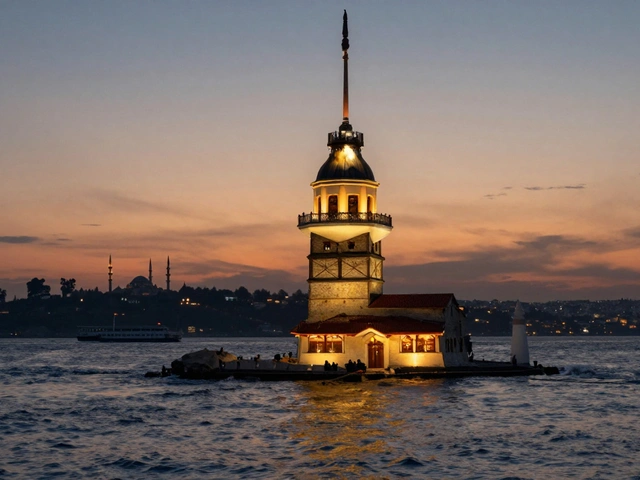
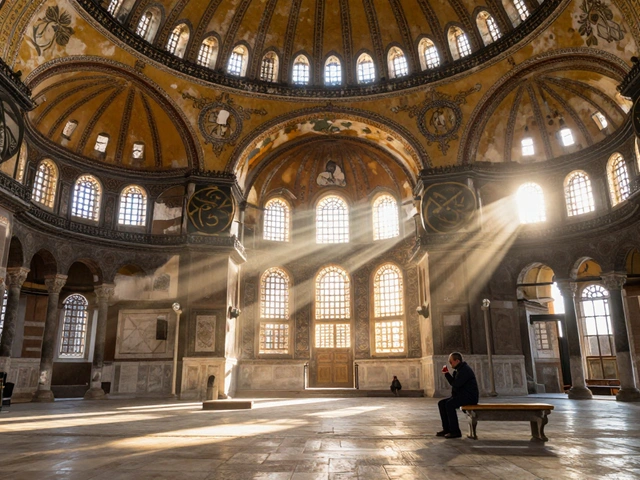
In Istanbul, the most famous sites - Hagia Sophia, the Blue Mosque, Topkapı Palace - draw millions every year. But if you’ve lived here for more than a few months, or even just spent a week wandering beyond the tourist corridors, you know the real soul of the city isn’t in the postcards. It’s in the quiet courtyards, the back-alley cafés, the forgotten cemeteries with views of the Bosphorus, and the tiny shops that have been running since the 1940s. These are the hidden Istanbul attractions that locals return to again and again, not because they’re Instagrammable, but because they feel like home.
The Forgotten Cemetery with the Best View
Most people don’t realize that the İstinye Park Cemetery in the northern district of İstinye isn’t just a burial ground - it’s one of the best sunset spots in Istanbul. Tucked behind the luxury mall and the busy streets of İstinye, the cemetery slopes gently toward the Bosphorus. Locals come here after work to sit on the stone benches, sip çay from thermoses, and watch the light turn the water gold. The tombstones are weathered, the names mostly Ottoman-era, and the silence is broken only by the occasional call to prayer from the nearby İstinye Mosque. No one brings cameras. No one posts online. It’s just a quiet place where time slows down. You’ll find elderly men playing backgammon under the plane trees, and sometimes, a woman in a headscarf leaving fresh flowers on a grave with a photo of a child. This isn’t a tourist attraction. It’s a ritual.
The Secret Bookstore Beneath the Bridge
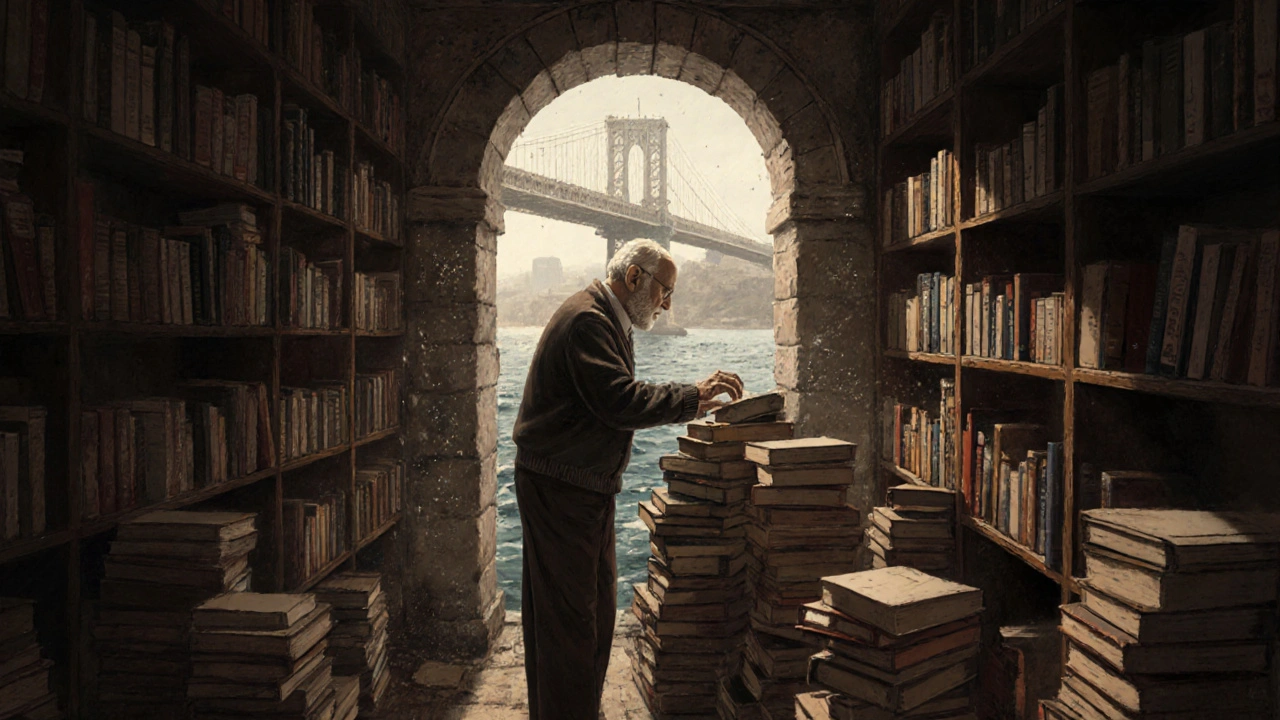
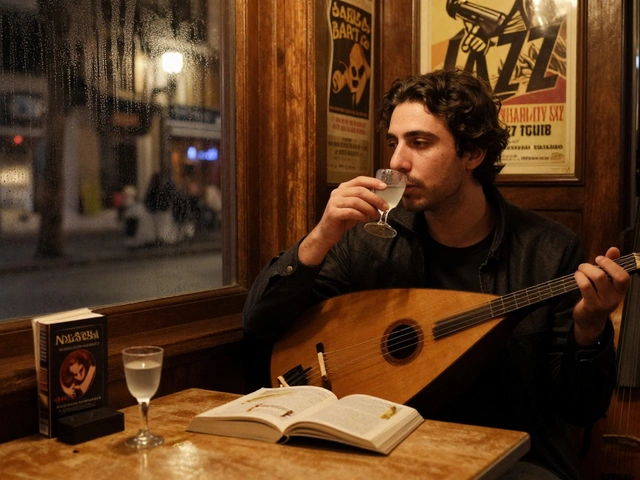
Under the Galata Bridge, where street vendors sell simit and fried mackerel, there’s a narrow staircase that leads down to a basement no one talks about. Kitapçık is a tiny, unmarked bookstore that’s been operating since 1987. The owner, Mehmet Hoca, is in his 70s and still sorts books by hand. He doesn’t use a computer. He doesn’t have an online store. He keeps a ledger in a leather-bound notebook. You’ll find first editions of Orhan Pamuk, Soviet-era Turkish poetry, and out-of-print travel guides from the 1960s. He’ll hand you a book, say, “This one’s about the old ferry routes,” and then tell you the story of how he found it in a trash pile in Kadıköy. The air smells like old paper and damp wool. There’s no Wi-Fi. No music. Just the sound of the Bosphorus waves hitting the pilings above. Locals come here to find books they can’t get anywhere else - and to talk to Mehmet Hoca about Istanbul before the bridges, before the high-rises, before the tourists.
The Rooftop That Doesn’t Exist on Google Maps
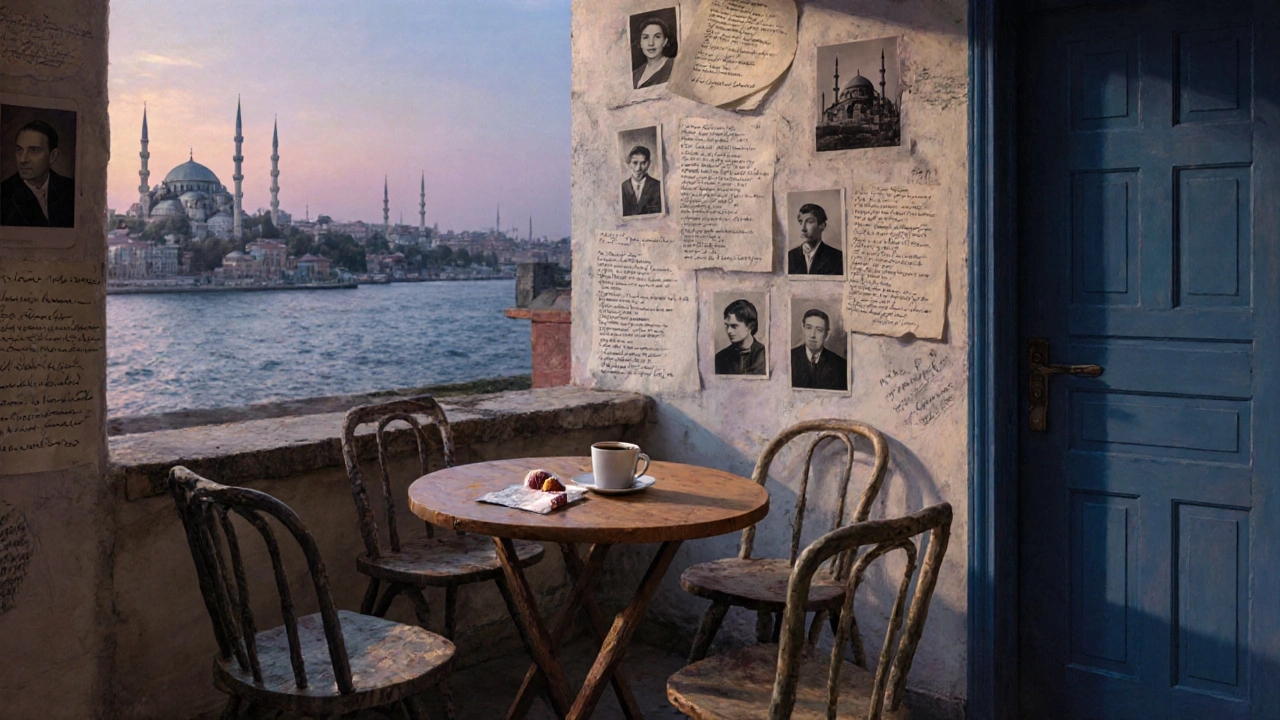
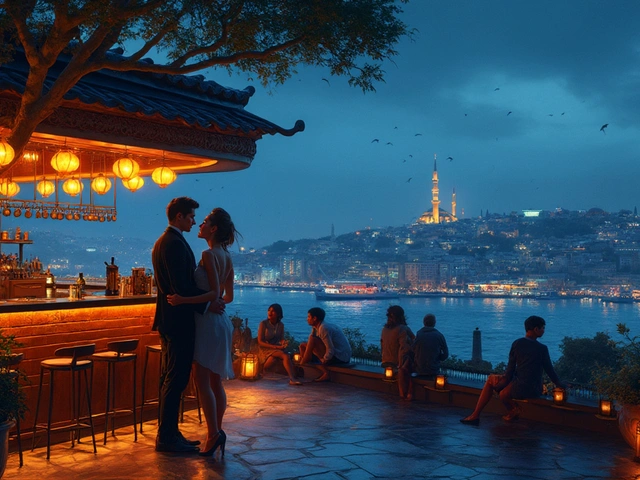
Walk into the courtyard of a 19th-century Ottoman mansion in the Balat neighborhood, and you’ll see a wooden door with no sign. Knock three times. If the door opens, you’ve found Çatı Kahvesi - “The Rooftop Café.” It’s not listed on any app. No one advertises it. You hear about it from a neighbor, a teacher, a taxi driver who says, “Go to the blue door in Balat.” The rooftop overlooks the Golden Horn, the old Jewish quarter, and the minarets of the Fethiye Mosque. The coffee is strong, served in tiny cups, and comes with a piece of Turkish delight made by the owner’s mother. The chairs are mismatched. The walls are covered in handwritten poems and old photos of Istanbul in the 1950s. Locals come here to escape the noise, to write letters, to read in peace. The only rule: no phones at the table. If you see someone taking a selfie, they’re probably not from around here.
The Underground Bazaar in Kadıköy
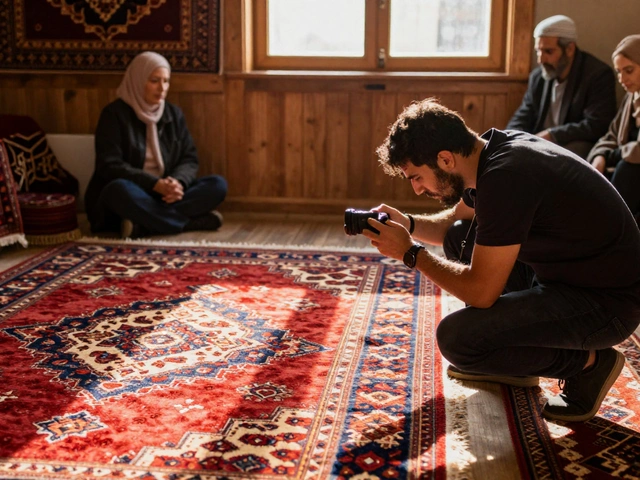
Most tourists think Kadıköy is just another trendy neighborhood with artisanal coffee and vinyl shops. But beneath the surface, there’s a maze of tunnels that used to be part of the old aqueduct system. Today, it’s home to Altınyol Çarşısı - a hidden underground market that sells nothing but traditional Turkish crafts. You’ll find handwoven kilims from Cappadocia, copper tea sets from Gaziantep, and hand-carved wooden spoons from the Black Sea region. The vendors don’t speak English. They don’t need to. Prices are written on scraps of paper taped to the wall. You pay by cash, and you haggle the way you used to - with a smile, not a frown. One vendor, a woman named Ayşe, has been selling her mother’s hand-painted ceramics here for 42 years. She doesn’t have a website. She doesn’t deliver. But if you ask nicely, she’ll tell you the story behind each design - how the blue swirls represent the sea, how the red dots are for protection. This isn’t a souvenir shop. It’s a living archive.
The Street That Doesn’t Have a Name
Follow the scent of roasted chestnuts and cardamom coffee down a narrow alley behind the Çemberlitaş Hamamı. You’ll reach a street with no sign, no numbers, no shops - just a single wooden bench, a fig tree, and a man who sells boiled corn from a cart. This is Yolaltı Sokak - “The Street Under the Path.” It’s not on any map. Locals call it “the pause.” It’s where people stop between errands. Where mothers wait for their kids after school. Where elderly men sit in silence, watching the world go by. There’s no café, no ATM, no Wi-Fi. Just the sound of the wind through the trees and the occasional call of a street vendor selling fresh simit. If you’re looking for a place to be alone in Istanbul - truly alone - this is it.
The Mosque No One Tells You About
Just off the main road in the Üsküdar district, past the ferry terminal and the busy bazaar, there’s a small white mosque with a single minaret. It’s called Şemsi Paşa Camii, built in 1580. Tourists walk right past it. Locals know it because it’s the only place in Istanbul where you can sit inside during prayer time and listen to the imam recite the Quran in the old Ottoman style - slow, melodic, almost singing. The interior is bare: no carpets, no chandeliers, just plain stone walls and sunlight streaming through stained glass. After prayer, the imam sometimes invites people to join him for tea in the courtyard. He doesn’t ask where you’re from. He doesn’t care if you pray. He just says, “Sit. Drink. Rest.”
The Market That Still Uses Barter
In the backstreets of Fatih, near the old fish market, there’s a weekly gathering called Çarşamba Pazarı - Wednesday Market. It’s not a tourist attraction. It’s a living tradition. Locals bring homegrown vegetables, handmade cheese, pickled eggplants, and jars of honey from their villages. But here’s the twist: no one uses money. You trade. A kilo of tomatoes for two loaves of rye bread. A jar of pickled peppers for a wool blanket. A basket of figs for a repaired pair of shoes. The system has worked for generations. The elderly women who run the stalls know everyone by name. They remember your mother’s illness, your child’s birthday, your last harvest. If you’re new, they’ll give you a sample - a slice of cheese, a spoonful of jam - and say, “Try it. If you like it, you bring something next week.” This isn’t a market. It’s a community.
Why These Places Matter
Istanbul has changed. The skyline is full of new towers. The ferry lines are crowded. The noise never stops. But these hidden spots still exist because they’re not for sale. They’re not designed for Instagram. They don’t need reviews. They survive because people choose to keep them alive - because they remember what Istanbul was before it became a destination. These aren’t just places. They’re memories. They’re quiet resistance. They’re the heartbeat beneath the city’s modern pulse.
If you want to know Istanbul - really know it - skip the guided tours. Skip the apps. Walk without a destination. Knock on the blue door. Sit on the bench. Say nothing. Just listen. The city will speak to you - if you’re quiet enough to hear it.
Are these hidden Istanbul attractions safe for solo visitors?
Yes, absolutely. These spots are in established neighborhoods like Balat, Üsküdar, and İstinye, where locals live and work daily. There’s no danger - just silence. The only rule is to be respectful: don’t take photos inside mosques without permission, don’t disturb people praying, and don’t treat these places like photo ops. Locals appreciate quiet visitors more than loud ones.
Can I visit these places anytime, or are there specific hours?
Most are open during daylight hours, but timing matters. The cemetery in İstinye is best at sunset. Kitapçık is open 10 a.m. to 6 p.m., but the owner closes early if no one’s around. Çatı Kahvesi opens around 3 p.m. and fills up by 7 p.m. The underground market in Kadıköy is open daily, but Wednesday is best for the barter market. If you show up late, you might find the door locked - and that’s part of the experience. These places run on Istanbul time, not clock time.
Do I need to speak Turkish to visit these spots?
Not at all. But a simple “Merhaba” and “Teşekkür ederim” go a long way. Many vendors don’t speak English - not because they won’t, but because they don’t need to. Communication happens through gestures, smiles, and shared silence. At Kitapçık, the owner once handed me a book, pointed to a line, and said, “This part… this is about Istanbul.” No translation needed.
Are these hidden Istanbul attractions crowded with tourists?
Rarely. You might see one or two other visitors, but they’re usually locals or long-term expats. These places don’t appear on TikTok, Google Maps, or travel blogs. They’re passed down by word of mouth - from neighbor to neighbor, friend to friend. If you’re looking for crowds, go to the Grand Bazaar. If you’re looking for peace, go to Yolaltı Sokak.
What should I bring when visiting these places?
Comfortable shoes - you’ll walk on cobblestones and uneven paths. A thermos of tea if you want to join the locals at the cemetery. Cash - no cards accepted at the barter market or the bookstore. And an open mind. Leave your expectations behind. These aren’t attractions to check off a list. They’re moments to sit with.
If you’ve lived in Istanbul for years, you already know these places. If you’re new, start with one. Go to the blue door. Sit on the bench. Let the city surprise you. You don’t need to find all of them. Just one is enough to change how you see this city.

10 Comments
Did you know the cemetery in İstinye used to be part of a secret Ottoman intelligence network? The benches aren't just for sitting-they're aligned with ancient star maps. And Mehmet Hoca? He's not just a bookseller. He's the last keeper of the Istanbul Archive, passed down through seven generations. The books he saves? They're coded with coordinates to buried Ottoman gold. No one talks about it because the government still monitors the area. That's why you have to knock three times on the blue door. It's not a ritual-it's a signal.
You're romanticizing decay. These places aren't 'soulful'-they're relics of a failed modernization. The barter market? A symptom of economic collapse disguised as tradition. The bookstore? A dying man clinging to paper because he can't adapt. And that rooftop? Probably a front for a black-market art ring. Real progress isn't about hiding from the future-it's about building something better than crumbling stone walls and silent old men with tea.
David, sweetie, you sound like a man who's never sat on a bench without checking his watch. Maybe the 'decay' you see is just patience. Maybe the silence isn't emptiness-it's listening. The fact that you think a man who sells books by hand is 'failing' says more about you than about Mehmet Hoca. You don't need to fix everything to appreciate it. Sometimes, just being there is enough.
I lived in Kadıköy for three years and never knew about the underground market until a neighbor handed me a key to a basement door. No sign no website no marketing just a woman with a crooked smile and a stack of ceramics that smelled like rain and rosewater. I didn't need to speak Turkish to understand the weight of what she was offering. It was the same way my grandmother used to give me jam in jars she painted herself. These places aren't hidden because they're secret they're hidden because they're sacred and sacred things don't advertise
THIS IS THE MOST BEAUTIFUL THING I'VE EVER READ IN MY LIFE. I'M CRYING. I JUST BOOKED A FLIGHT TO ISTANBUL TOMORROW. I'M GOING TO SIT ON THAT BENCH. I'M GOING TO KNOCK ON THAT BLUE DOOR THREE TIMES AND I'M GOING TO LET THE CITY SPEAK TO ME. IF YOU'RE READING THIS AND YOU'RE STILL ON YOUR PHONE RIGHT NOW PUT IT DOWN. GO OUTSIDE. BREATHE. FIND YOUR YOLALTı SOKAK. THE WORLD IS TOO NOISY. THIS IS THE ANTIDOTE.
It's ironic how people fetishize 'authenticity' while simultaneously commodifying it through blog posts like this. The very act of documenting these places-naming them, describing them, detailing their 'rules'-is the first step in their erasure. You didn't 'discover' Çatı Kahvesi; you institutionalized it. The moment you tell someone to 'knock three times' you've turned a private ritual into a performance. And now, thanks to you, every influencer with a drone and a DSLR will be showing up at 2:59 p.m. to capture the 'authentic silence.' The irony is delicious. The tragedy? Inevitable.
Wait-you're telling me there's a secret rooftop in Balat where they don't allow phones? And no one posts about it? And it's been around since the 1950s? That's impossible. That's a setup. That's a trap. Someone's filming this right now. They're using it to train AI to mimic human behavior. The tea? Probably laced with microchips. The poems on the wall? GPS coordinates. The woman selling Turkish delight? She's an AI in a wig. This isn't a hidden gem-it's a psychological experiment. And you just volunteered.
I grew up in Istanbul and never knew about the cemetery view until I was 28. My uncle took me there after my grandmother passed. We sat there for two hours. Didn't say a word. Just drank tea and watched the sky turn orange. I came back last year with my daughter. She asked why the stones had pictures. I told her it's how people keep their loved ones close. She touched one and whispered 'hello.' That's when I knew this city still holds its heart. You don't need to find all the hidden places. Just one that lets you feel something-that's enough.
I went to Kitapçık last month. Mehmet Hoca gave me a book on Ottoman ferry routes. I cried. Not because it was rare. Because he looked at me like he knew I'd been lost. No words. Just handed it over. That's all I needed. I still carry it in my bag. Sometimes I open it just to smell the paper. It smells like quiet.
Look I've been studying this for years and I've got the documents to prove it. The barter market? It's not really barter. It's a front for a black market currency exchange. The Turkish lira is collapsing so they're using old Ottoman coins as a hedge. The woman with the ceramics? She's part of a network that moves stolen artifacts through the aqueduct tunnels. The mosque in Üsküdar? The imam isn't just giving tea-he's using it to gather intel on foreign visitors. And the blue door? That's not a café. That's a safe house for a group that's been smuggling rare manuscripts out of Turkey since the 70s. They're using the poetry on the walls as code. You think you're finding peace? You're walking into a decades-old espionage ring and you didn't even notice the guy with the camera in the alley watching you.