
In Istanbul, where the Bosphorus meets the city’s bustling energy, raising a family doesn’t mean giving up on the planet. You don’t need to travel far to find green spaces, local markets, or quiet corners where kids can learn to care for the Earth-right here, in the heart of one of the world’s most historic cities. From the shores of the Golden Horn to the forests of Belgrade, Istanbul offers more ways than ever for families to live lightly and love deeply.
Start with the Neighborhood Market, Not the Supermarket
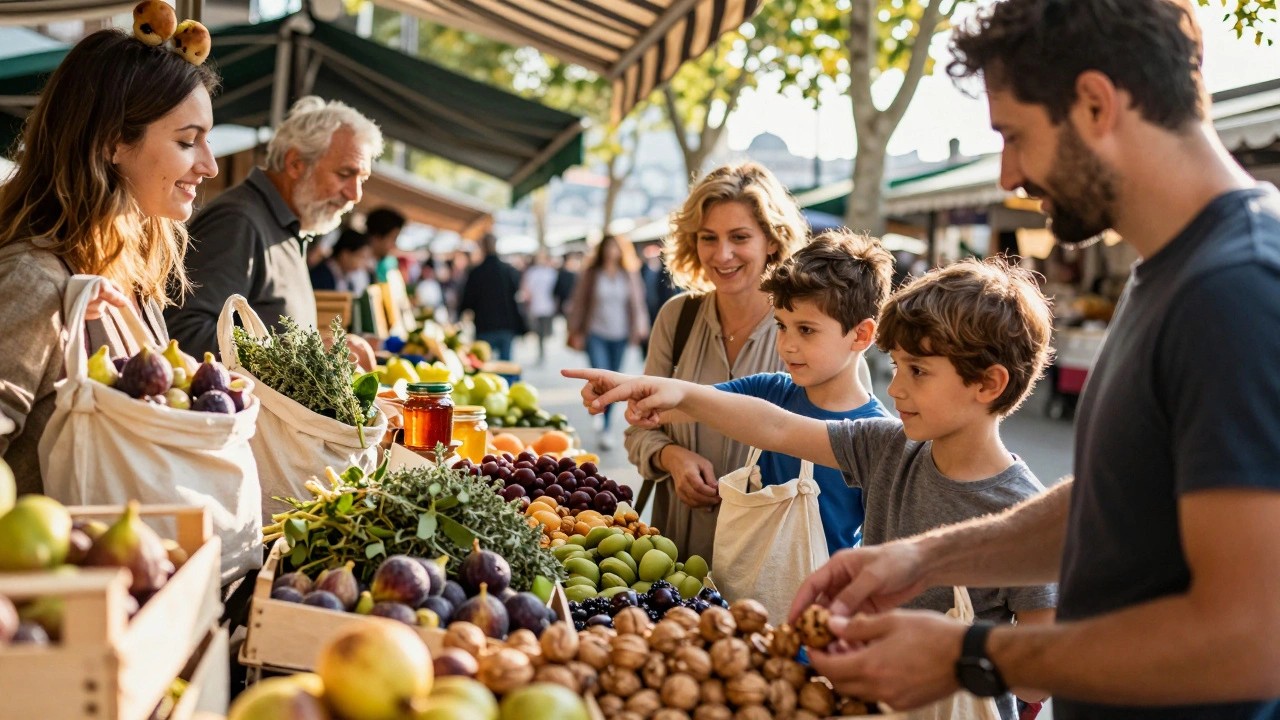
Skip the plastic-wrapped snacks at CarrefourSA or Migros. Instead, head to one of Istanbul’s weekly farmers’ markets-like the one in Çarşamba in Kadıköy or Üsküdar Meydanı on Saturdays. These are where local growers from the Black Sea coast, Thrace, and the Marmara region sell fresh figs, walnuts, honey, and herbs straight from their orchards. Bring your own cloth bag, let your kids pick out a seasonal fruit, and talk about how food travels just a few kilometers instead of continents. At the Üsküdar market, you’ll find hazelnut paste from Ordu and wild thyme from the Taurus Mountains-all organic, all unpackaged. This isn’t just shopping. It’s teaching kids where food comes from, without a single plastic bag.Walk the Bosphorus Shoreline, Not the Highway
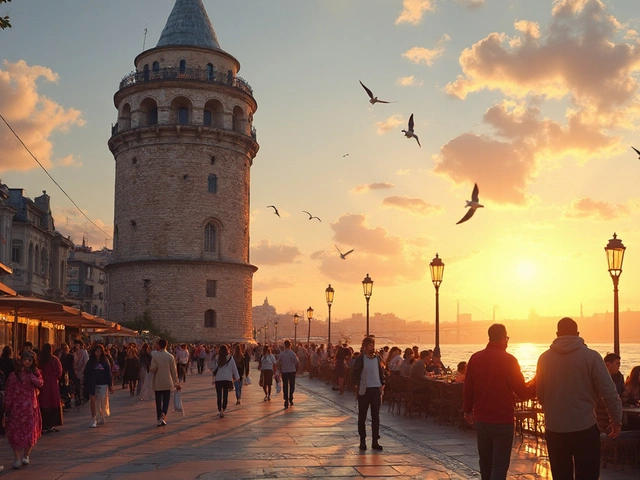
Istanbul’s coastline is one of its greatest gifts. Instead of driving to the Princes’ Islands, take the ferry from Kabataş or Beşiktaş to one of the nine islands. The ride itself is low-carbon, and once you’re there, the car-free streets are perfect for biking or walking. Rent a tandem bike from Adalar Bisiklet on Büyükada and pedal past the old wooden mansions and pine forests. Let your kids collect fallen chestnuts in autumn or search for sea urchins in the shallows near Kınalıada. On the mainland, walk the Yenikapı to Karaköy coastal path-part of Istanbul’s growing green corridor. You’ll pass street artists, fishermen mending nets, and locals sipping çay under plane trees. No cars. No noise. Just the sound of waves and kids laughing.Turn Trash into Treasure at Home
Turkish households produce nearly 1.5 kilograms of waste per person daily. But in Istanbul, families are turning this around. Start a small compost bin using a clay pot on your balcony-yes, even in a high-rise. Use it for tea leaves, fruit peels, and eggshells. Many neighborhoods, like Çamlıca and Beşiktaş, now have community composting programs run by NGOs like Yeşilay or Çevre Dernegi. Join one. Your kids will learn that banana peels don’t belong in the trash-they become soil for your potted herbs. Grow mint in a window box. Make your own cleaning spray with vinegar and lemon peels. These aren’t just habits. They’re rituals that connect your family to the land, even in the middle of a metropolis.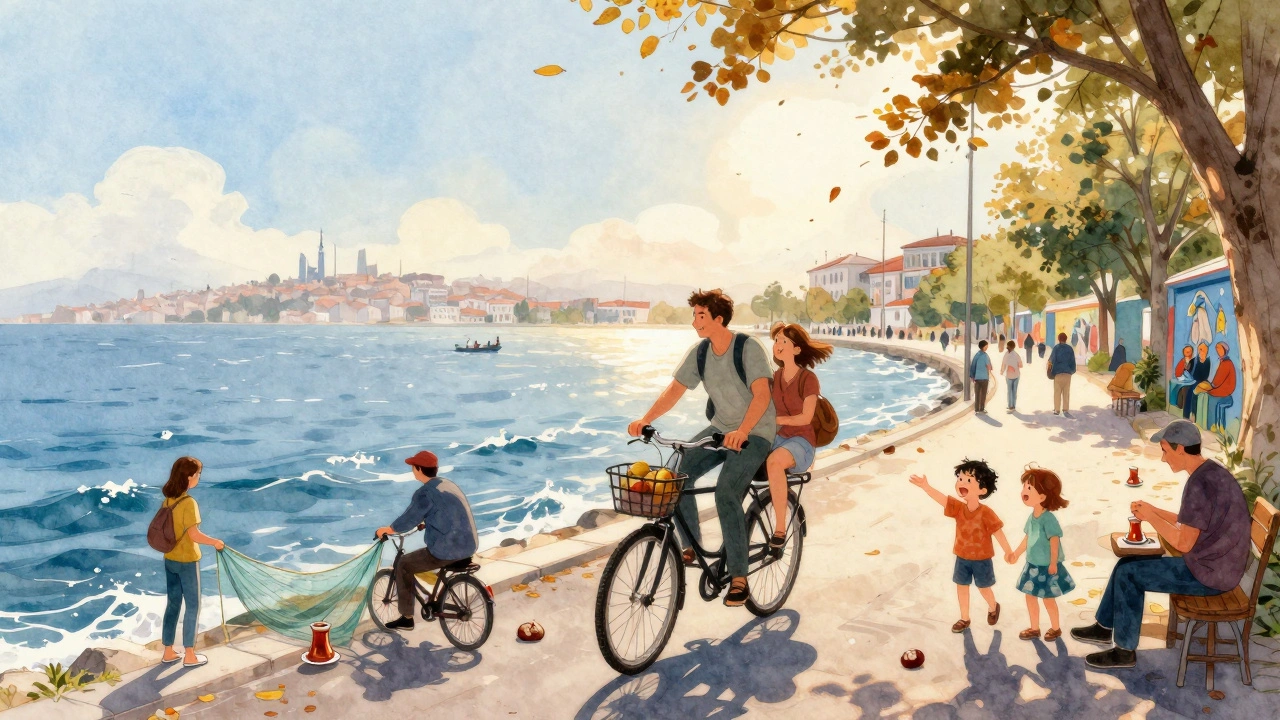
Visit the Green Museums and Eco-Centers
Istanbul has quiet places where learning happens without screens. Take your kids to the Istanbul Museum of Modern Art’s Eco-Workshop, where children create art from recycled materials-plastic bottles become fish, old newspapers turn into lanterns. Or visit the Yenikapı Archaeological Park, where they can dig in a real archaeological sandbox while learning how ancient Romans managed water and waste. The Çamlıca Eco Center hosts weekend nature walks for families, led by local biologists who teach kids to identify birds like the Eurasian jay or the hoopoe, both common in Istanbul’s parks. These aren’t tourist traps. They’re community spaces where curiosity meets conservation.Swap, Don’t Shop: The Rise of Family Swap Days
Kids outgrow clothes, toys, and books fast. Instead of buying new, join a family swap day in one of Istanbul’s green neighborhoods. Every third Sunday, groups gather in Emirgan Park or the courtyard of İstanbul Modern to exchange gently used items. Bring a bag of outgrown shoes or picture books, and leave with something new to your child. No money changes hands. Just trust, connection, and less waste. These swaps started in Kadıköy two years ago and now draw over 200 families. You’ll meet Turkish moms who’ve been doing this since their own childhoods, and expats who’ve never seen recycling done this way. It’s not just sustainable. It’s deeply Turkish-built on sharing, not owning.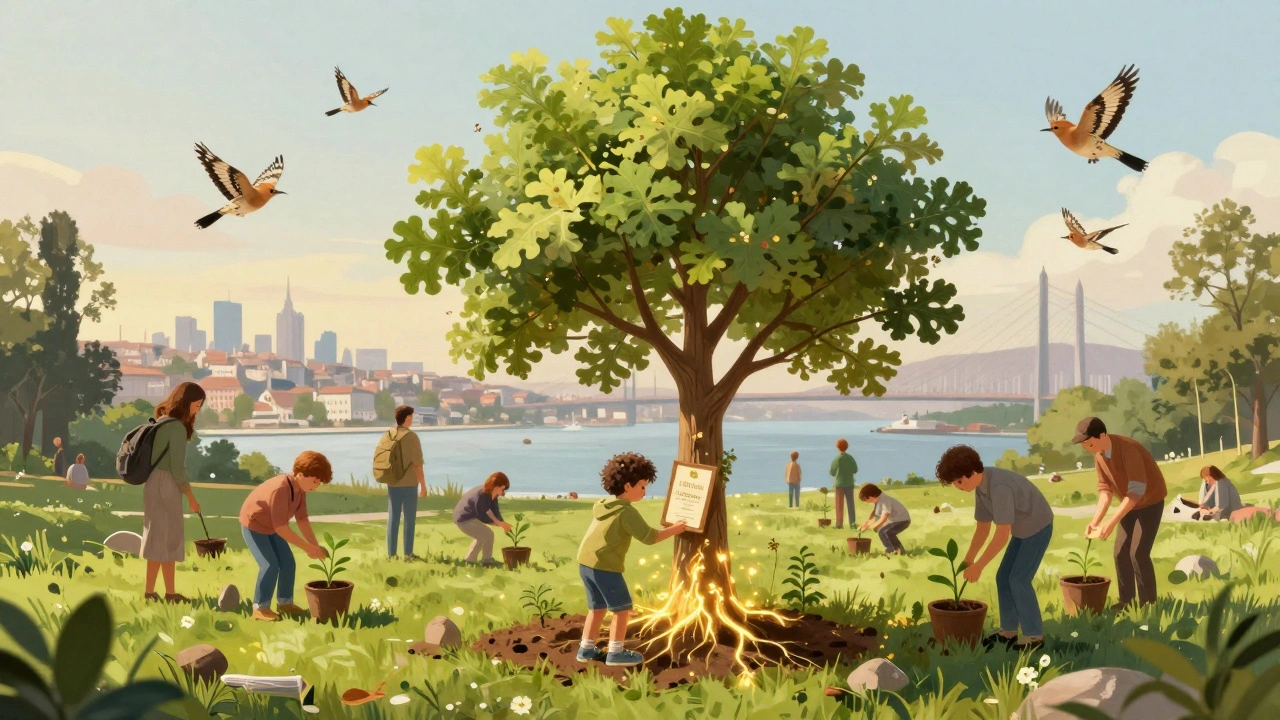
Plant a Tree, Not Just a Houseplant
Every spring, Istanbul’s municipal government runs “Ağaçlandır Istanbul” (Plant Istanbul), a city-wide tree-planting campaign. Families can sign up online to plant an oak, walnut, or chestnut tree in one of the 12 designated parks-like Yıldız Park or Maltepe Forest. You’ll get a certificate with your child’s name on it, and the city tracks the tree’s growth for years. In 2024, over 18,000 trees were planted by families like yours. It’s a living legacy. When your child is 18, they can return to see the tree they planted at age five. That’s the kind of memory that lasts longer than any toy.Make Ramadan and Kurban Bayramı Greener
Turkey’s biggest holidays don’t have to be wasteful. During Ramadan, skip the single-use plates and plastic cups at iftar. Use ceramic bowls and metal spoons-like your grandparents did. Donate extra food to local kitchens like İHH’s iftar tents instead of letting it go to waste. On Kurban Bayramı, many families now choose to donate the cost of a sacrificial animal to animal shelters or environmental causes. Organizations like Hayvan Hakları Derneği offer eco-friendly alternatives that honor tradition without harming the planet. Talk to your kids about mercy-not just for animals, but for the Earth too.Why This Matters More in Istanbul Than Anywhere Else
Istanbul is a city on the edge-of continents, of climates, of change. The Marmara Sea is warming. Forest fires burn closer every summer. The Bosphorus is under pressure from shipping and runoff. But here, families are not waiting for someone else to fix it. They’re planting trees on weekends, biking to school, and teaching their children that care isn’t a trend-it’s a tradition. In Istanbul, being green isn’t about buying expensive gadgets. It’s about remembering what your ancestors knew: that nature isn’t something you visit. It’s something you belong to.Can we really make a difference with small eco-actions in Istanbul?
Yes-because small actions add up. When 10,000 families stop using plastic bags at the market, that’s 3 million fewer bags a year. When 500 families plant a tree each spring, that’s 500 new carbon sinks. Istanbul’s environmental challenges are big, but so are its people. Change starts at home, in your neighborhood, on your balcony. It doesn’t require a protest or a petition-just consistency.
Are there free eco-activities for kids in Istanbul?
Absolutely. The city offers free nature walks in Belgrade Forest, free art workshops at the Istanbul Museum of Modern Art, and free ferry rides for children under 6. Many public parks like Emirgan and Yıldız host weekend storytelling sessions about animals and plants. Check the Istanbul Metropolitan Municipality’s website for monthly family eco-events-no fee, no registration needed.
What’s the best time of year for eco-family outings in Istanbul?
Spring (April-May) and autumn (September-October) are ideal. The weather is mild, the parks are blooming, and the ferry rides are calm. In spring, you can pick wild asparagus along the Bosphorus hills. In autumn, chestnut harvests begin in the forests, and kids love collecting them. Summer is hot and crowded, and winter can be rainy-but even in December, you can walk the coastal path and spot migratory birds.
How do I get my kids excited about composting?
Turn it into a game. Give them a small bin with a lid and let them decorate it with stickers. Use a chart to track what goes in: “Banana peel = happy soil!” Bring them to a community compost site and show them how worms turn scraps into dirt. Many schools in Kadıköy and Beşiktaş now have classroom compost bins-ask if your child’s school has one. If not, start one.
Is it safe to let kids explore nature in Istanbul’s parks?
Yes, especially in well-maintained areas like Belgrade Forest, Yıldız Park, or the shores of the Golden Horn. These spots are patrolled, well-lit, and popular with families. Avoid isolated trails after dark. Always carry water, wear sturdy shoes, and teach kids not to touch unfamiliar plants. Many parks now have educational signs in Turkish and English about local wildlife-use them as a learning tool.
Living green in Istanbul isn’t about perfection. It’s about presence. It’s about choosing the ferry over the car, the market over the mall, the shared meal over the packaged snack. It’s about teaching your children that the city they love-the call to prayer echoing over the water, the scent of roasted chestnuts in autumn, the quiet of a forest after rain-is worth protecting. And the best way to protect it? Start today, with your family, right where you are.


9 Comments
This is so performative. I live in Istanbul and half these places are closed or overrun with tourists. Who even has time for this? My kid just wants to play Fortnite.
And don't get me started on composting in a high-rise. That's not green, that's just messy.
You're not saving the planet, you're just feeling good about yourself while your carbon footprint is still huge.
Stop pretending this is activism. It's Instagram content with extra steps.
Well-structured. Practical. Actionable.
These initiatives reflect civic responsibility.
Replicable in other urban centers.
Encouraging local participation is key.
Thank you for the clear framework.
First, it's 'Bosphorus,' not 'Bosporus.' Second, you misspelled 'Çamlıca' as 'Çamlıca'-wait, no, you got it right, but then you wrote 'Yenikapı Archaeological Park' as if it's a real thing. It's not. It's 'Yenikapı Excavation Site.' Third, 'hazelnut paste from Ordu'? No one calls it that. It's 'fındık ezmesi.' Fourth, you say 'Ecological Center' but it's 'Çamlıca Eco Center'-why mix English and Turkish? Fifth, 'Marmara Sea is warming'? Source? Sixth, you say '18,000 trees were planted'-which year? The city reports 12,000 in 2023. Seventh, 'Kurban Bayramı' isn't about donating money to shelters-that's a Western reinterpretation. Eighth, 'eco-workshop'? No such official program exists at the Museum of Modern Art. Ninth, you use 'organic' incorrectly-Turkish farmers don't use that label. Tenth, you say 'no money changes hands'-but swap days often have donation jars. You're full of errors. This isn't helpful. It's misleading.
Urban ecological micro-activism in post-industrial metropoles like Istanbul is a textbook case of symbolic capital redistribution. The commodification of sustainability through performative rituals-market visits, composting, swap days-is less about systemic change and more about affective labor for middle-class identity formation. The city’s infrastructural decay creates a vacuum filled by NGO-driven, voluntaristic substitutes. The real issue? Municipal governance failure. You’re not solving waste-you’re patching a leaking dam with duct tape made of organic cotton.
Also, 'Çevre Dernegi'? That’s not even a registered NGO. Check the registry. You’re propagating misinformation.
Here’s the thing nobody says: we’re not saving the planet. We’re saving ourselves from the guilt of living in a system that makes us complicit. Every time you walk the Bosphorus instead of driving, you’re not reducing emissions-you’re reclaiming a piece of your soul from the machine.
Composting isn’t about soil. It’s about remembering you’re not separate from decay. That banana peel? It’s your body returning to the earth. So is that plastic bag you threw away last week. We’re all just temporary arrangements of stardust trying to pretend we’re in control.
And the tree you plant? It doesn’t care about your kid’s name on the certificate. But your kid will remember the smell of wet soil after rain. That’s the real legacy. Not carbon offsets. Not hashtags. Just a quiet moment between a child and a sapling.
And yeah, maybe it’s not enough. But it’s honest. And honesty is the first revolution.
I love this so much I cried in the middle of a coffee shop and spilled my latte on my jeans which is fine because I wore recycled cotton anyway
the way you described the chestnuts in autumn just made me want to pack a bag and hop on a ferry right now
and that part about the hoopoe bird? I looked it up and it’s literally a flying feather boa with a crown
we’re doing the swap day next Sunday and I’m bringing my kid’s old dinosaur toys
also I made vinegar spray and it smells like a lemony ghost and I’m weirdly proud
thank you for writing this like you actually love this city and not just posting it for clout
This is all just virtue signaling. You think planting a tree makes you a good person? You’re still flying to Europe every summer. You’re still buying imported organic kale. You’re still using your phone to post about it.
Real change doesn’t come from swapping toys. It comes from dismantling the system.
Stop pretending your little rituals matter.
Let’s deconstruct the neoliberal co-optation of ecological praxis here. The author frames localized, bourgeois practices-market visits, composting, swap days-as radical acts, but they’re actually mechanisms of containment. They channel dissent into safe, consumable rituals that reinforce the very capitalist structures they claim to resist. The ‘eco-center’? A state-sanctioned distraction. The tree planting? A carbon offset fantasy. The swap days? A performative reenactment of pre-capitalist reciprocity that ignores the structural inequality enabling such leisure.
And don’t get me started on the romanticization of ‘Turkish tradition.’ This isn’t ancestral wisdom-it’s Instagrammable nostalgia. The real crisis? Urban privatization, not plastic bags.
Wake up. You’re not saving the planet. You’re decorating your guilt.
This is beautiful. Thank you for writing this with such warmth and truth.
As someone who moved from India to Istanbul three years ago, I didn’t know how to connect with this city until I started walking the coastal path with my daughter.
We found a wild fig tree near Karaköy and now we visit it every week. She calls it ‘Grandpa Fig.’
The swap days? We went last month and came home with a wooden puzzle, a wool scarf, and a new friend whose son draws dragons on his lunchbox.
And yes, we compost-even in our 8th-floor apartment. The worms are thriving.
You’re right: this isn’t about perfection. It’s about showing up. Again and again.
Let’s keep doing this-together. The city is listening.