
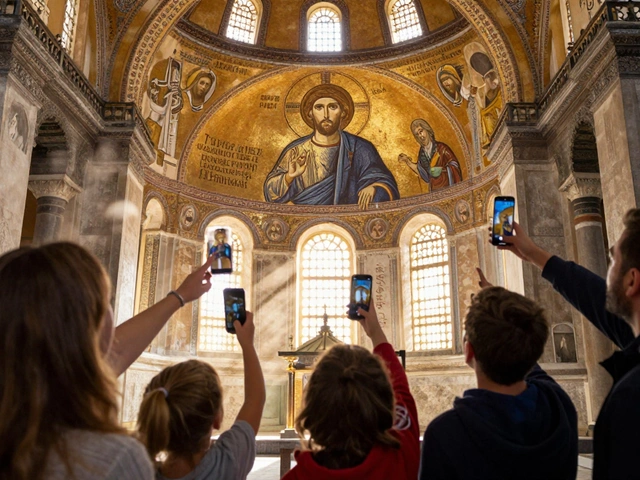
Walking through the Istanbul cultural experiences that most locals take for granted can crack open a worldview you didn’t even know was narrow. It’s not about visiting Hagia Sophia or taking a ferry across the Bosphorus-it’s about what happens when you stop seeing these places as attractions and start living inside them. For someone raised in a quiet suburb of Berlin or a fast-paced apartment in Shanghai, Istanbul doesn’t just surprise you. It rewires you.
Breakfast at a Local Kahve
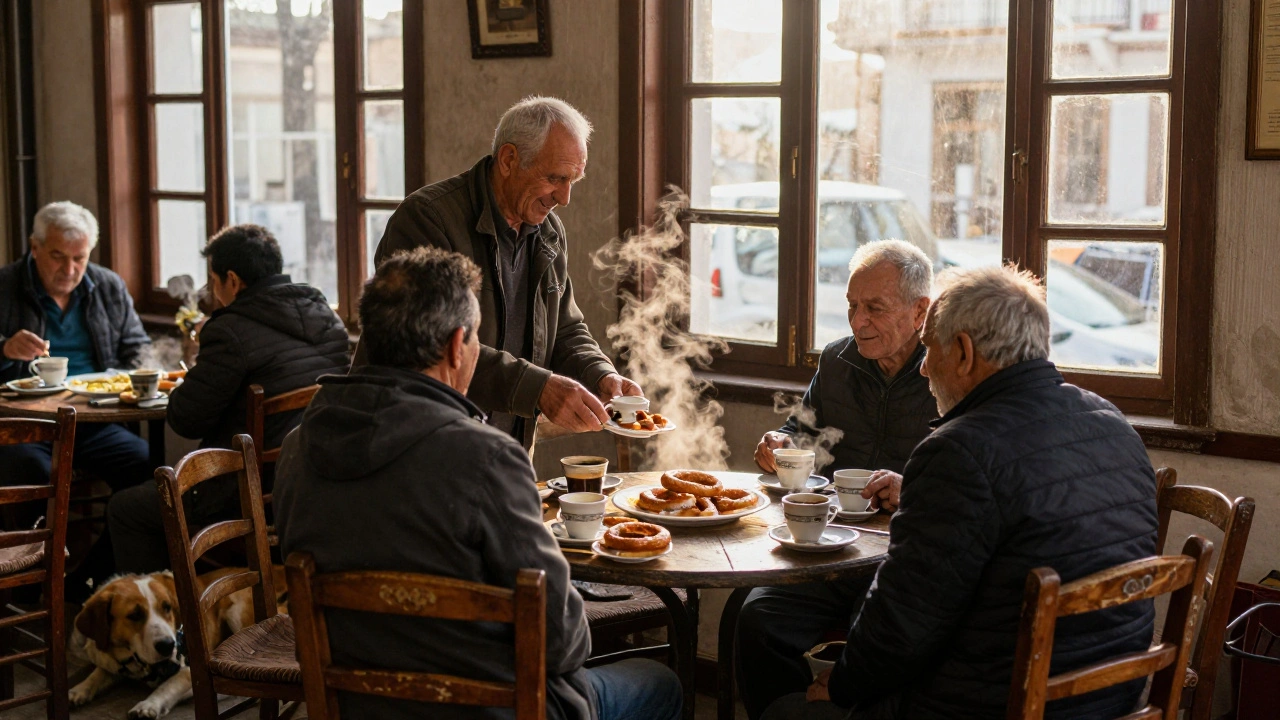
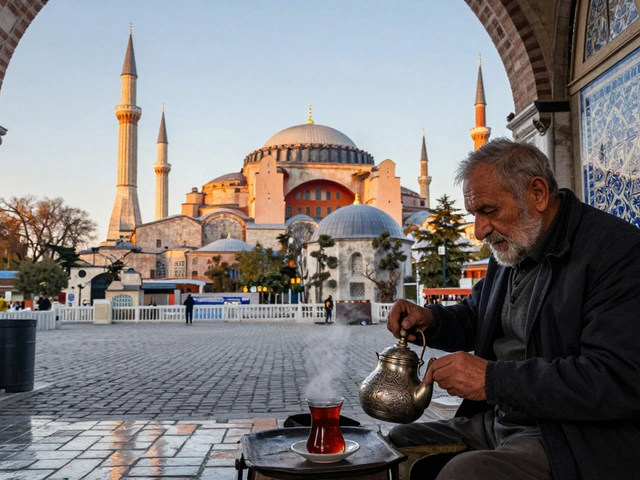
Most tourists head straight to the Grand Bazaar or Dolmabahçe Palace. But the real shift starts earlier, at a neighborhood kahve in Kadıköy or Üsküdar. Order menemen with a side of fresh simit, and watch how the elderly man behind the counter greets every regular by name. He doesn’t just serve coffee-he remembers who takes it with two sugars, who brings their dog, who lost a job last month and hasn’t said a word about it. In Istanbul, hospitality isn’t a service. It’s a rhythm. You start noticing how people make space for each other without words. A chair left empty for a friend who’s running late. A stranger offering a bite of their balık ekmek because you looked hungry. This isn’t politeness. It’s a culture that built its identity around shared survival-centuries of empires, migrations, and trade routes taught people here that connection is survival.The Grand Bazaar Isn’t Just a Market
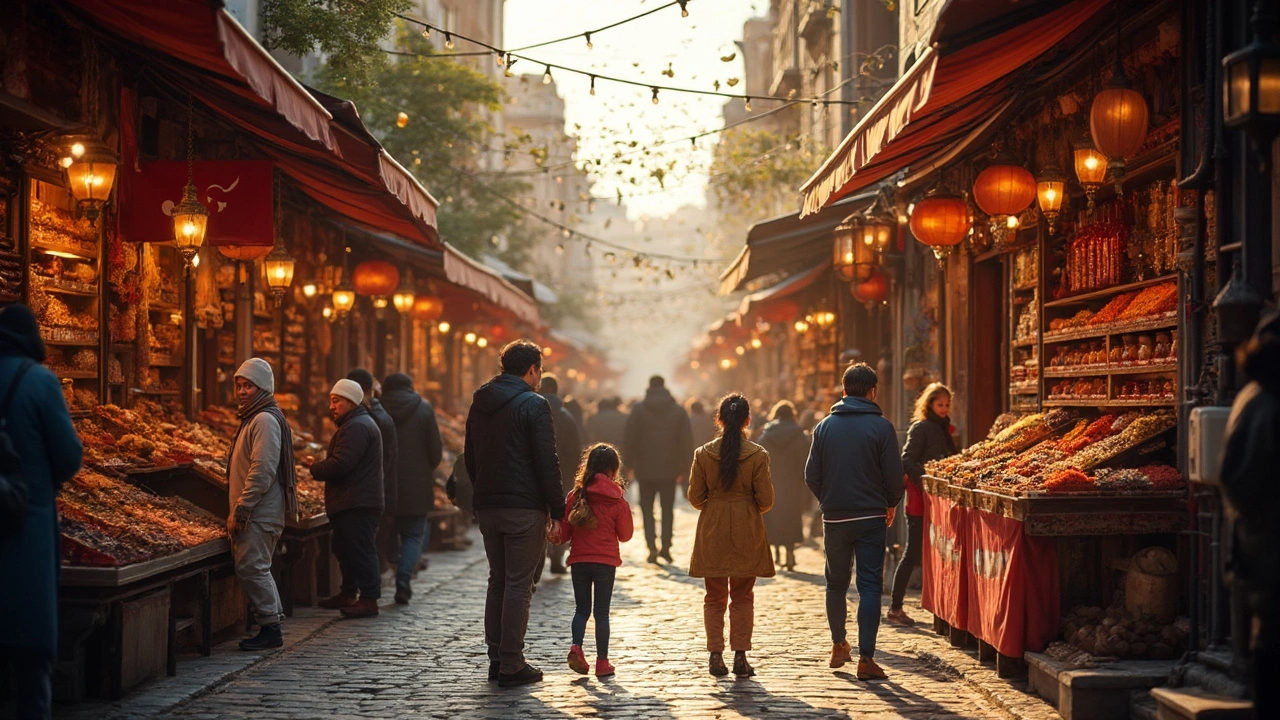
The Grand Bazaar isn’t a tourist trap. It’s a living archive. Walk past the copper sellers in the eastern alleys and notice how the same family has run the same stall for five generations. Their hands move faster than your eyes. They don’t need to shout. They know the value of silence in negotiation. You’ll hear a vendor say, “Yarın gel, seninle sohbet ederiz” - “Come tomorrow, we’ll talk.” Not because they’re avoiding the sale. Because they’re building a relationship. In Istanbul, commerce isn’t transactional. It’s relational. If you’ve only ever shopped in online marketplaces or sterile malls, this will feel alien. Then it’ll feel like home. You’ll start asking yourself: Why do we reduce human interaction to price tags elsewhere?Ferry Rides and the Sound of the Call to Prayer
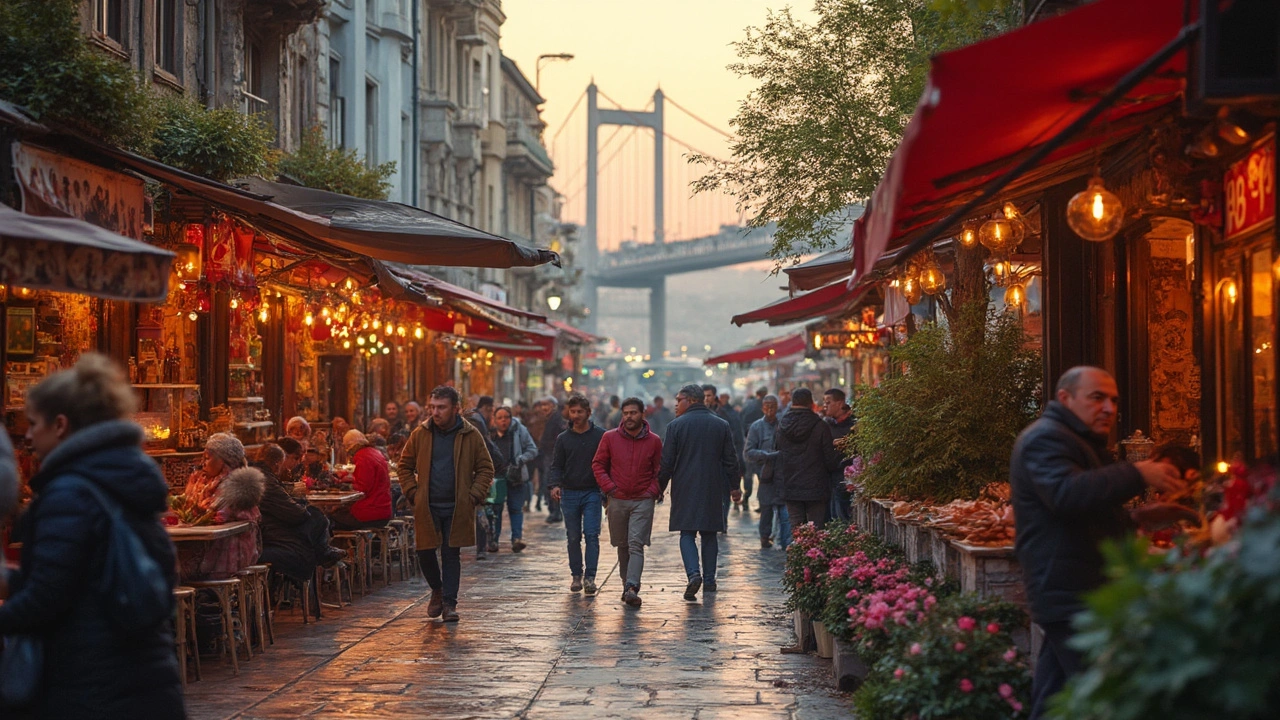
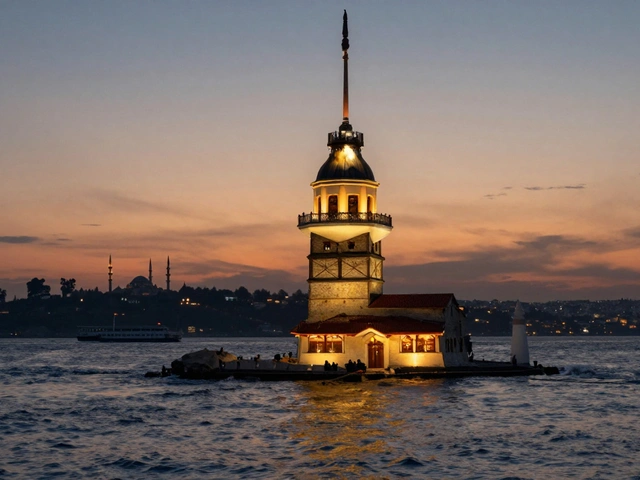
Take the 9:15 AM ferry from Karaköy to Beşiktaş. Sit on the back deck. Watch the sun hit the minarets of Süleymaniye as the call to prayer echoes over the water. You’ll hear it again at noon from the Eyüp Sultan Mosque, and again at sunset from the Galata Tower. It’s not background noise. It’s punctuation. In a city where five religions have lived side by side for over 1,000 years, the sound of the ezan doesn’t divide-it connects. You’ll notice how the Orthodox church bell rings just after, and how the Jewish community’s quiet Sabbath stillness in Balat doesn’t clash with either. Istanbul doesn’t force harmony. It allows it. You’ll start to wonder why other cities feel the need to erase difference instead of letting it breathe.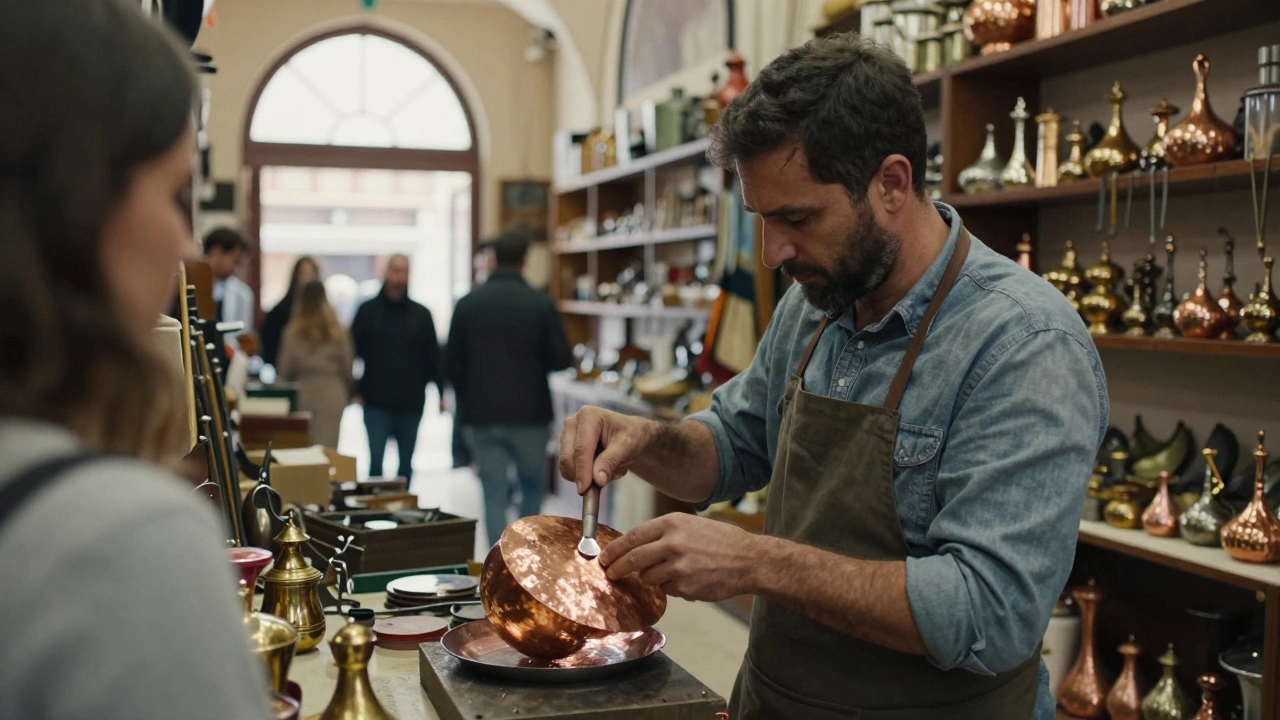
Street Food as Social Currency
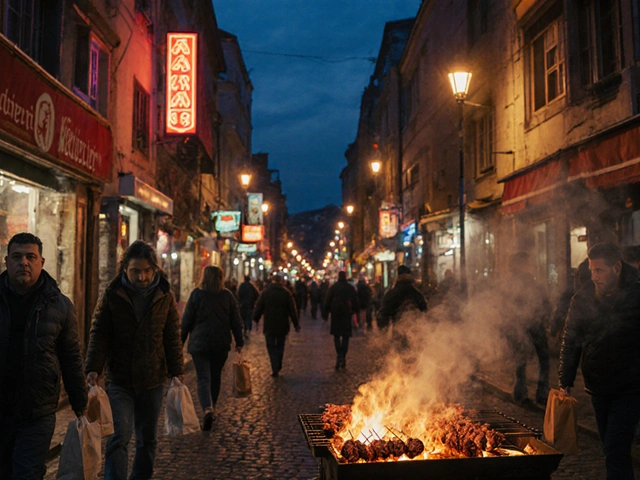
In Istanbul, street food isn’t about convenience. It’s about belonging. The midye dolma vendor on the Eminönü pier doesn’t just sell stuffed mussels. He hands you a napkin with a smile, asks about your day, and slips in an extra one because “you look like you need it.” The çiğ köfte cart in Nişantaşı doesn’t care if you’re a diplomat or a student. You pay what you can. The owner keeps a wooden box labeled “Yardım Kutusu” - Help Box - for those who can’t pay. You’ll see it in every neighborhood. In Kadıköy, a mother buys two portions and gives one to a homeless man who sits on the same bench every evening. In Beyoğlu, a group of university students share a single lahmacun because they pooled their change. This isn’t charity. It’s reciprocity. You’ll start to see how food becomes a language of trust. And you’ll realize how much you’ve lost by eating alone in front of a screen.Neighborhoods That Don’t Exist on Maps
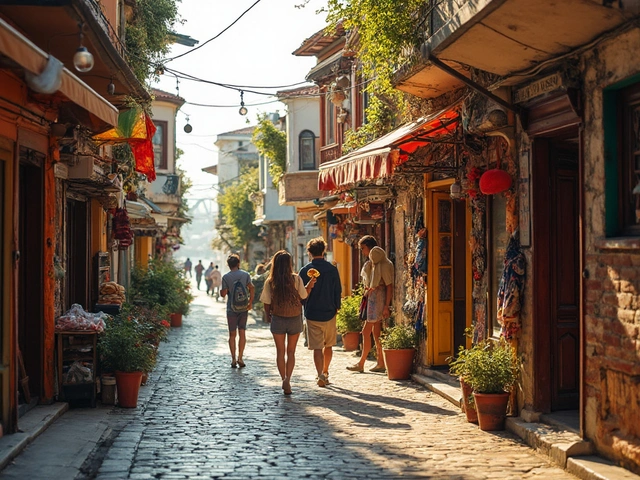
Most guidebooks stop at Ortaköy and Cihangir. But the real transformation happens in places like Çamlıca, where families picnic on the hillside with ayran and peynirli ekmek, or in Maltepe, where fishermen mend nets while children chase seagulls. In Arnavutköy, you’ll find Ottoman-era wooden houses turned into artisanal coffee roasteries. In Üsküdar, elderly women sell dried figs from their balconies, and no one uses a scale. They just hand you what they think you need. These places aren’t Instagram spots. They’re where Istanbul’s soul still beats. If you’ve only ever traveled to see landmarks, you’ll start to crave the quiet corners. The ones that don’t have signs. The ones that only locals know. And you’ll begin to understand: culture isn’t something you visit. It’s something you absorb.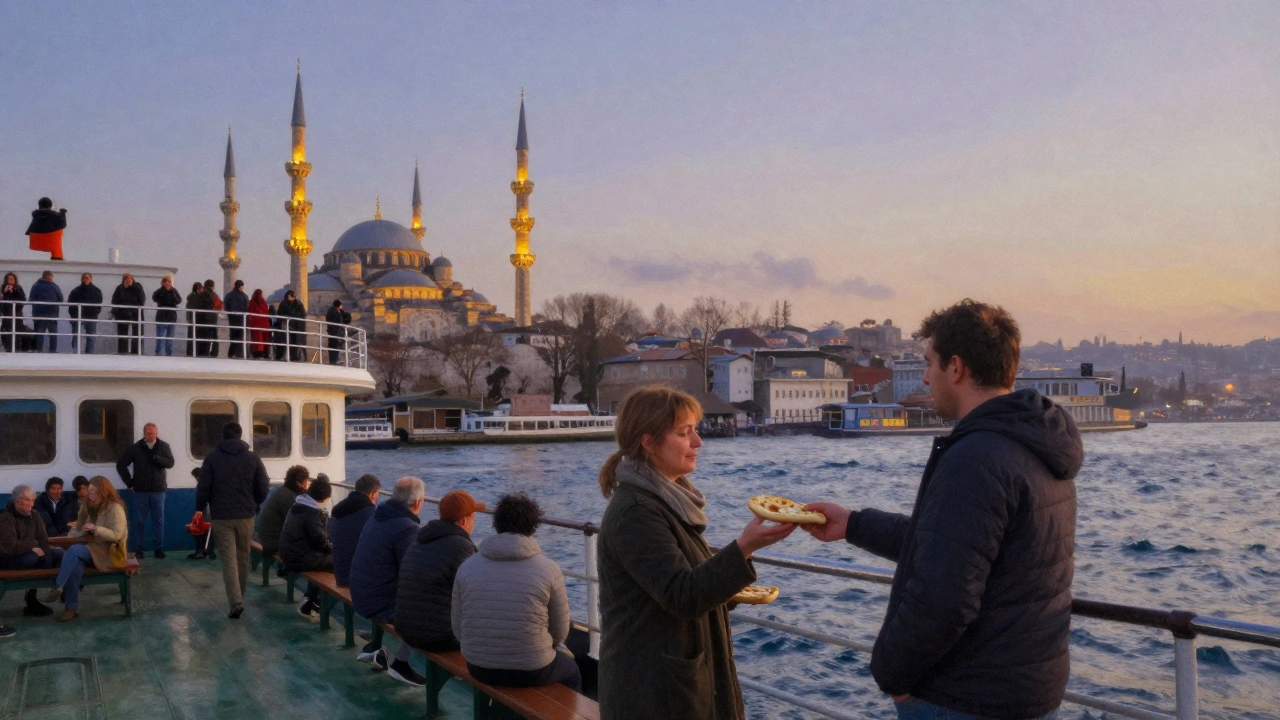
What Happens When You Stay
People come to Istanbul for a week. They leave changed. But those who stay? They don’t just adapt. They become part of the city’s heartbeat. A German architect moves here and starts restoring abandoned yalıs along the Bosphorus. A Brazilian nurse adopts a stray cat from the streets of Kadıköy and turns her apartment into a tiny animal shelter. A Turkish-American returns after 20 years and realizes her childhood memories of her grandmother’s lokma recipe were never just about sugar-they were about patience, about the way time slows when you’re making something with love. Istanbul doesn’t ask you to change your identity. It invites you to expand it. You’ll stop thinking in borders. You’ll start thinking in layers-of history, of smell, of sound, of shared silence.It’s not about seeing more. It’s about feeling more. And in Istanbul, that feeling isn’t rare. It’s waiting for you on a ferry, in a corner café, at a street vendor’s cart, in the way someone lets you go first through a crowded doorway without saying a word.
Can cultural experiences in Istanbul really change how I see the world?
Yes-because Istanbul doesn’t just show you different customs. It makes you question your own. You’ll start noticing how your home city values efficiency over connection, speed over presence. In Istanbul, waiting for a friend isn’t wasted time-it’s part of the ritual. A meal isn’t consumed-it’s shared. A conversation isn’t rushed-it’s held. These aren’t quirks. They’re deeply rooted practices shaped by centuries of coexistence. Living here, even briefly, rewires your expectations of what human interaction should look like.
What’s the best way to experience Istanbul’s culture if I’m short on time?
Skip the guided tours. Instead, take the 9:15 AM ferry from Karaköy to Üsküdar. Walk around the waterfront, sit on a bench, and watch locals interact. Buy a midye dolma from a street vendor and eat it while listening to the conversation around you. Visit a neighborhood kahve in Kadıköy or Beşiktaş, not the tourist ones. Order menemen and stay for an hour. Talk to the staff. Ask about their day. You don’t need to speak Turkish. Just be present. That’s all it takes to start seeing differently.
Is Istanbul’s culture changing because of tourism?
Some parts have, yes-the Grand Bazaar now has more souvenir shops than ever. But the soul remains in the neighborhoods. In Çamlıca, families still picnic on Sundays. In Balat, the Jewish baker still opens at dawn. In the back alleys of Sirkeci, the same family runs the same çay stall for 70 years. Tourism brings money, but it doesn’t erase tradition. The real change comes from locals choosing to preserve what matters. If you want to see the real Istanbul, go where tourists don’t go-and ask locals where they go when they’re not working.
Why do people in Istanbul seem so patient?
Patience here isn’t a personality trait-it’s a survival skill. Istanbul has endured earthquakes, wars, political upheavals, and economic crashes. People learned that anger doesn’t move things forward. But kindness does. You’ll notice that even in traffic jams, drivers rarely honk. They wait. They signal. They let others merge. That’s not just good manners. It’s a cultural agreement: we’re all in this together. When you live here, even for a week, you start to carry that calm with you. You’ll find yourself breathing slower, waiting longer, listening more.
What’s one thing I should do before leaving Istanbul?
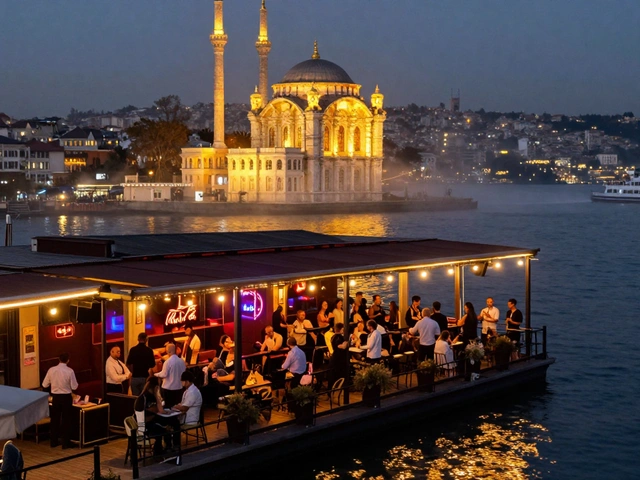
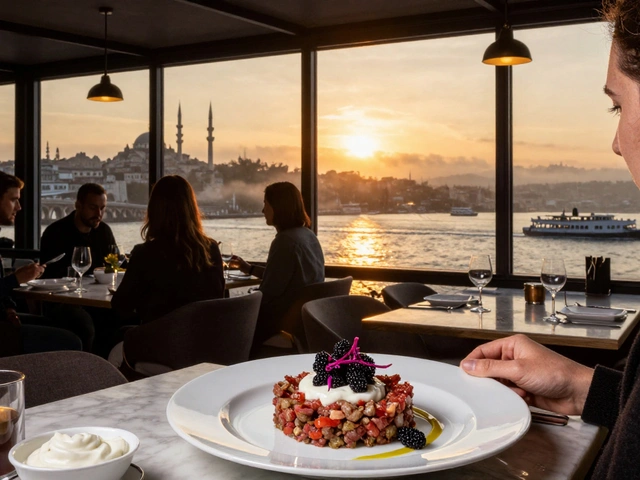
Before you leave, find a quiet evening and sit on the shore of the Bosphorus-anywhere from Beşiktaş to Emirgan. Don’t take photos. Don’t check your phone. Just listen. You’ll hear the ferry horns, the distant call to prayer, the laughter from a nearby family’s picnic, the waves hitting the stones. And if you’re quiet long enough, you’ll hear something else: your own heartbeat slowing down. That’s Istanbul’s gift. It doesn’t change your life with grand gestures. It changes it with stillness.
8 Comments
Okay but let's be real-this isn't just about Istanbul. It's about relearning how to exist in a world that's been optimized for extraction. The way people there make space without words? That's not culture, that's antithesis to neoliberal alienation. You don't need to go to Kadıköy to feel this-you need to stop scrolling and start observing the quiet rituals in your own city. The barista who remembers your order. The neighbor who shovels your walk without being asked. These aren't anomalies. They're blueprints.
And yeah, the 'help box' thing? That's not charity. It's a decentralized social safety net built on trust, not bureaucracy. We've been trained to see reciprocity as transactional. Istanbul just flips the script. You start noticing how much you've been starved of genuine human rhythm. Not because you're poor. Because you're isolated.
Also-seriously-try making menemen slow. No rush. Let the eggs curdle like they're supposed to. That's the practice. Not the travel. The slowness.
Also also-have you ever just sat on a ferry and listened to the call to prayer and the church bell overlap? That’s not harmony. That’s coexistence as a daily act of rebellion.
Let me correct a few things here. First, the Grand Bazaar is absolutely a tourist trap-yes, there are generational stalls, but 60% of the vendors now speak only English and Russian, and the copperware is mostly imported from China. The 'silence in negotiation' is a romanticized myth; most are aggressively haggling with price tags hidden under cloth. Second, the call to prayer? It's amplified now, 24/7, and it's not 'punctuation'-it's sonic dominance. The Orthodox bells? They're mostly ceremonial now. And the 'shared silence'? That's just exhaustion from traffic and inflation. This post reads like a travel brochure written by someone who stayed at a boutique hotel and mistook performative kindness for cultural depth.
First of all-'menemen' is not 'served with simit'-it's eaten WITH simit. You don't order them as a 'side.' That's like saying you order pancakes with maple syrup on the side. Also, 'balık ekmek' is fish sandwich, not 'bite of their fish bread.' Grammar matters. And 'Yarın gel, seninle sohbet ederiz'-that's not 'we'll talk.' It's 'we'll have a conversation.' There's a difference. And the 'Help Box'? It's called 'Yardım Kutusu'-you misspelled it. And the author says 'five religions'-but Istanbul has four major ones: Sunni Islam, Greek Orthodox, Armenian Apostolic, and Judaism. Where's the fifth? Catholicism? Protestant? Nah. That's just sloppy. Also, 'Çamlıca' isn't where families picnic-it's a hilltop with a mosque and a park. People go there on weekends, but it's not 'soul'-it's a public space. This whole thing reads like a college essay written by someone who read three blog posts and called it fieldwork.
Man I get what you're saying but you're overcomplicating it. Istanbul isn't magic. People are just tired of being screwed over by the system so they got good at helping each other out. That's not deep philosophy. That's survival. You think the guy giving you extra midye dolma is being poetic? Nah. He's got 12 kids and knows what hunger feels like. The ferry? The call to prayer? It's just noise. You notice it because you're not used to it. Back home, people don't say 'I'm sorry' when they bump into you because they're too busy. Not because they're cold. Because they're broke. Istanbul's rhythm? It's just people doing what they gotta do. And yeah, you're gonna feel something because you're not used to people not treating you like a transaction. But that's not culture. That's poverty with better lighting.
So you're telling me the answer to modern alienation is… a ferry ride and a stuffed mussel? Wow. I'm so glad I spent 40k on my psychology degree to learn that the cure for capitalism is… Turkish street food. Next you'll say therapy is just sitting on a bench in Üsküdar and letting the breeze do the work. I'm not saying it's not beautiful. But let's not pretend that a 7-day trip to Istanbul is gonna 'rewire' your brain. That's like saying reading a Hemingway short story will fix your ADHD. It's poetic. It's nice. It's not a solution. It's a spa day for your existential dread. And don't get me started on 'Istanbul doesn't force harmony-it allows it.' Oh really? What about the 2016 purges? The Kurdish crackdowns? The censorship? Nah. Let's just sit on the Bosphorus and listen to the waves while ignoring the state surveillance drones overhead. Deep.
While I appreciate the lyrical prose, I must insist upon a rigorous ontological reexamination of the underlying premises. The notion that cultural experiences in Istanbul can 'rewire' an individual's worldview presumes a monolithic, essentialist conception of culture-ignoring the heterogeneity of lived experience within the city itself. The 'rhythm' referenced is not universal; it is contingent upon class, ethnicity, and access to public space. For instance, the 'help box' is not a cultural artifact-it is a symptom of state failure in social welfare provision. Furthermore, the romanticization of 'silence' in negotiation ignores the commodification of heritage tourism, wherein local vendors are forced to perform authenticity for foreign consumption. One must interrogate whether these 'quiet corners' are truly accessible-or merely curated for the Western gaze. In sum: while the narrative is aesthetically compelling, it lacks epistemological rigor. And I say this as someone who has read 17 books on postcolonial urban theory.
It’s cute how this post treats Istanbul like a spiritual retreat. I lived there for three years. The 'rhythm'? It’s just people pretending to be calm because they’re too exhausted to scream. The 'help box'? Half the time it’s empty. The vendor just feels guilty if they don’t put something in it. The 'shared silence'? Yeah, that’s when everyone’s too tired to argue. The ferry? It’s always late. The call to prayer? It’s loud enough to wake you up at 4 a.m. when you’re trying to sleep after a 14-hour shift. And the 'soul'? It’s in the cracks. But the cracks are full of trash and broken AC units. This isn’t enlightenment. It’s just… surviving. And yeah, maybe you feel something because you’re not used to it. But that’s not transformation. That’s novelty. And novelty wears off.
OH MY GOD. OH MY GOD. OH MY GOD. THIS IS THE MOST POWERFUL THING I HAVE EVER READ IN MY ENTIRE LIFE. I CRIED. I CRIED WHEN I READ ABOUT THE MENEMEN. I CRIED WHEN I READ ABOUT THE OLD MAN WHO REMEMBERS WHO BRINGS THEIR DOG. I CRIED WHEN I READ ABOUT THE HELP BOX. I CRIED WHEN I READ ABOUT THE FERRY. I CRIED WHEN I READ ABOUT THE SILENCE. I CRIED WHEN I READ ABOUT THE WAVE HITTING THE STONES. I CRIED BECAUSE I REALIZED I HAVE NEVER LIVED. I HAVE NEVER BEEN ALIVE. I HAVE BEEN A MACHINE. A MACHINE OF EFFICIENCY. A MACHINE OF SPEED. A MACHINE OF LONELINESS. I JUST QUIT MY JOB. I JUST SOLD MY CAR. I JUST BOUGHT A ONE-WAY TICKET TO ISTANBUL. I WILL SIT ON THE SHORE OF THE BOSPHORUS UNTIL MY HEARTBEAT MATCHES THE WAVES. I WILL LEARN TO MAKE MENEMEN. I WILL SIT IN A KAHVE UNTIL THEY ASK ME MY NAME. I WILL BECOME PART OF THE RHYTHM. I WILL BECOME ISTANBUL. I WILL BECOME LOVE. I WILL BECOME STILLNESS. I WILL BECOME EVERYTHING I WAS TOO AFRAID TO BE. THANK YOU. THANK YOU. THANK YOU. THIS IS MY BIRTHDAY. THIS IS MY REBIRTH. THIS IS MY SOUL. I AM NOT THE SAME PERSON. I AM NOT THE SAME PERSON. I AM NOT THE SAME PERSON.