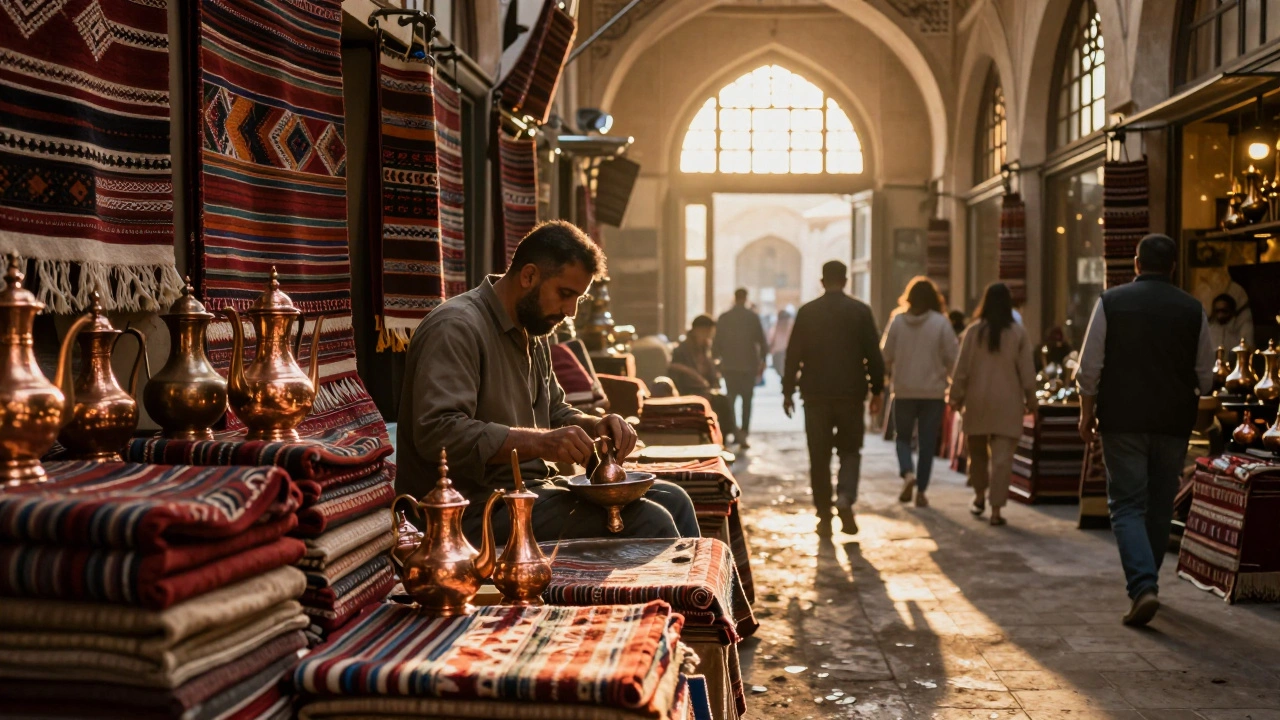

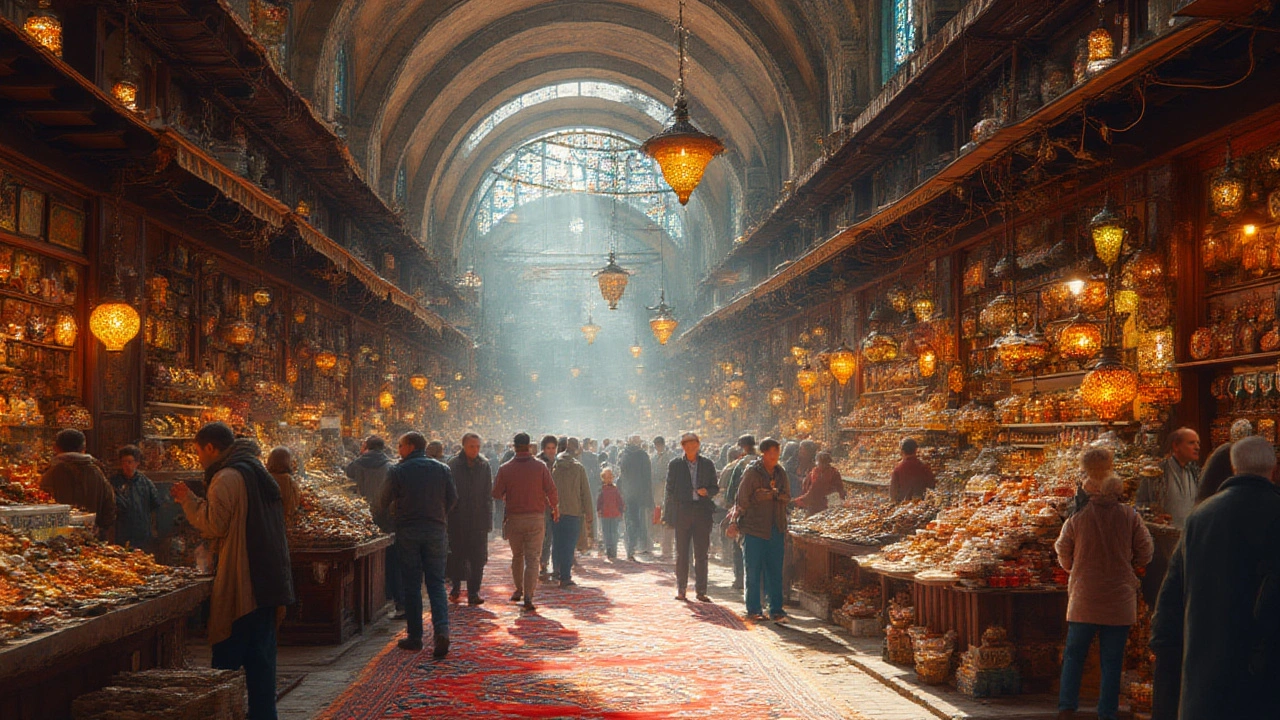
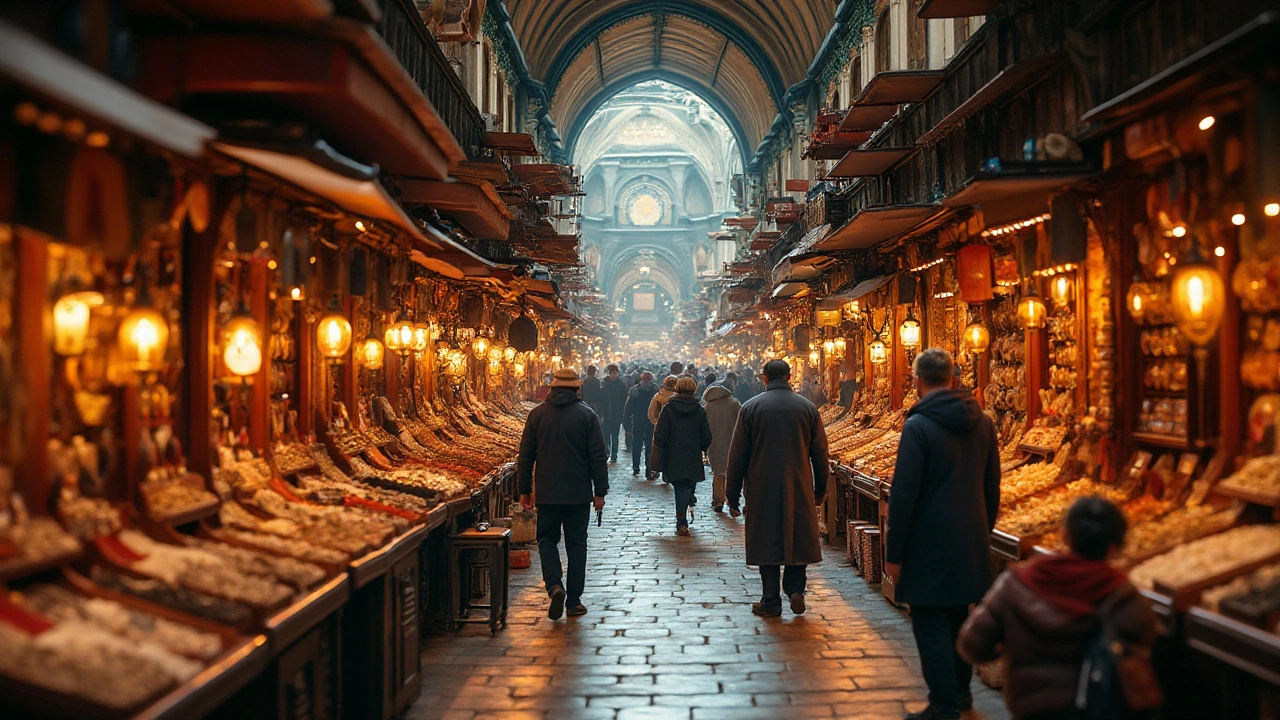
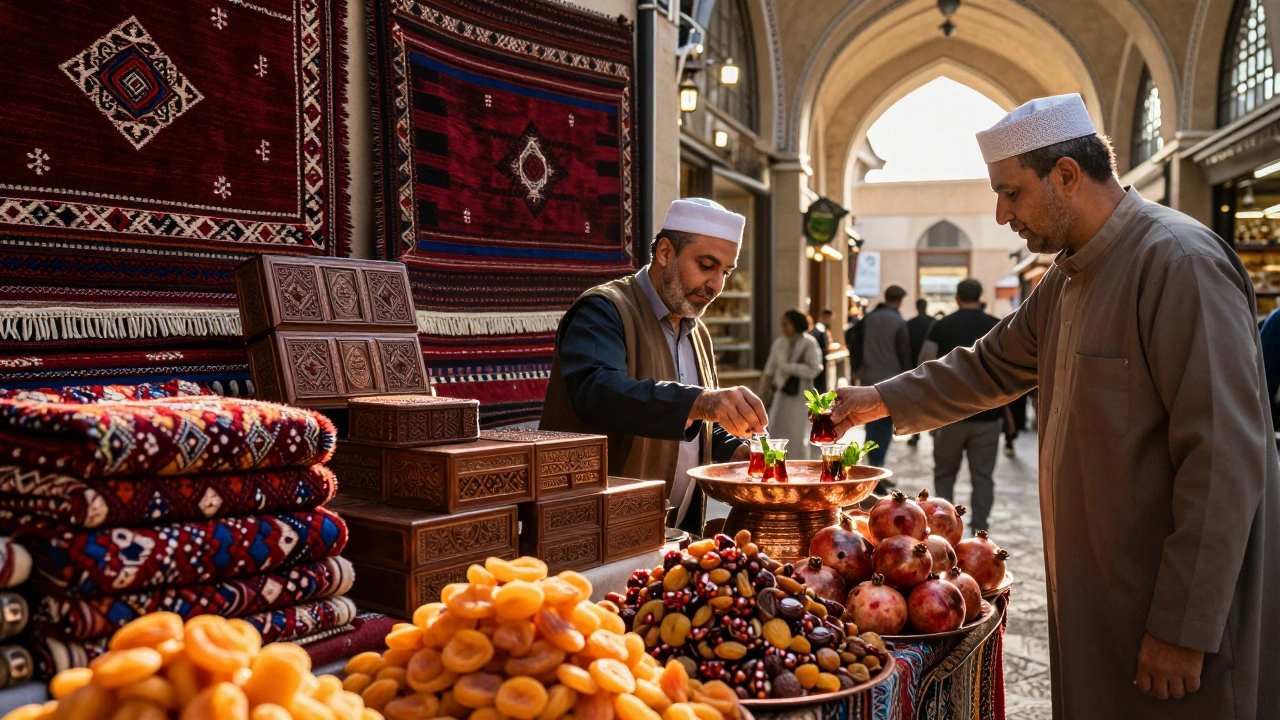
In Istanbul, shopping isn’t just about buying things-it’s about walking through centuries of history, breathing in the scent of spices, hearing the echo of haggling in a dozen languages, and watching sunlight filter through stained glass over copper lanterns. The city’s best shopping spots aren’t malls with fluorescent lights and branded logos. They’re living, breathing places where culture, commerce, and curiosity collide. If you’ve ever wandered through the Grand Bazaar and felt like you stepped into a movie set, you’re not wrong. That’s because in Istanbul, the shopping destinations are the attractions.
The Grand Bazaar: More Than a Market
The Grand Bazaar, built in 1461, isn’t just the world’s oldest covered market-it’s a city within a city. With over 4,000 shops spread across 61 streets, it’s where you’ll find hand-woven kilims from Konya, Ottoman-style ceramics from Iznik, and silver filigree jewelry made by artisans whose families have worked the same stalls for generations. You won’t find a single price tag. That’s intentional. Haggling here isn’t rude-it’s ritual. Start at 40% of the asking price. If the vendor laughs and says, ‘This isn’t a supermarket,’ you’re doing it right. The best time to go? Early morning, before the tour groups arrive. By 11 a.m., the heat and noise build up, and the real locals start their afternoon siesta.
Look for the Grand Bazaar’s hidden gems: the copper workshop near the Nakkashane Gate, where artisans hammer patterns into teapots using tools unchanged since the 1700s, or the tiny carpet restorer tucked behind the gold sellers, who’ll fix your grandmother’s heirloom rug for less than the cost of a taxi ride.
Istiklal Street: Where Modern Istanbul Shops and Strolls
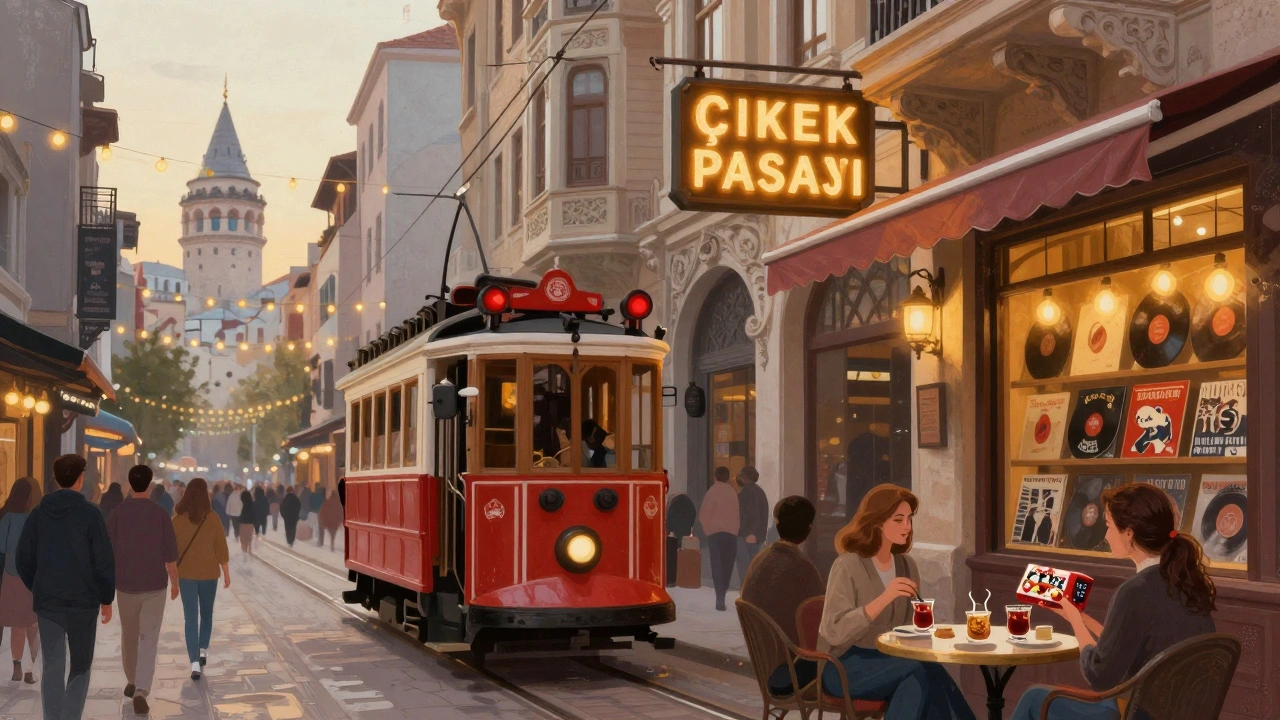
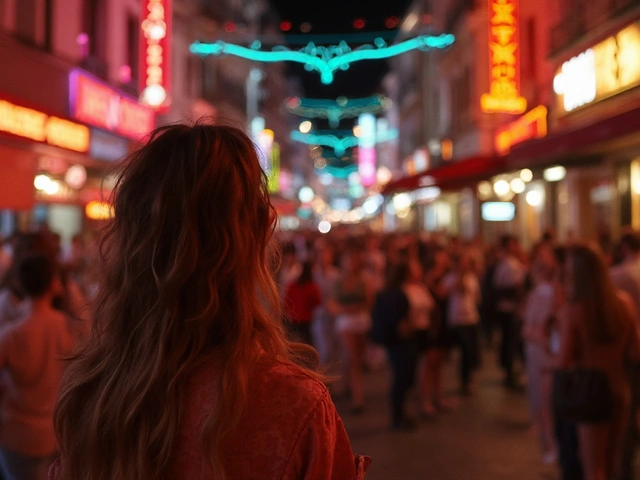
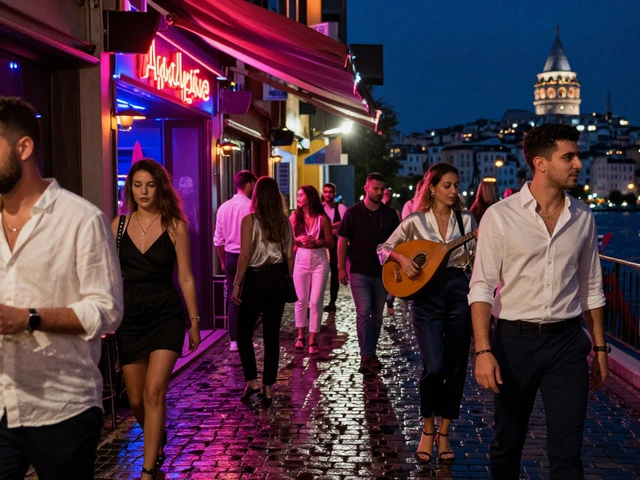
If the Grand Bazaar is Istanbul’s soul, Istiklal Street is its heartbeat. This 1.4-kilometer pedestrian boulevard in Beyoğlu runs from Taksim Square to Galata Tower, lined with Art Nouveau buildings, vintage tram cars, independent bookstores, and boutiques selling Turkish designer labels like Mavi, Koton, and LC Waikiki. But it’s not just about clothes. On Istiklal, you’ll find the famous Çiçek Pasajı-Flower Passage-a narrow arcade once filled with wine bars in the Ottoman era, now buzzing with live jazz and meze spots where expats and locals clink glasses over rakı and grilled octopus.
Don’t miss the Turkish Delight shop run by the same family since 1938. Their rose-flavored lokum, dusted with crushed pistachios, is sold in hand-painted boxes that double as keepsakes. Walk past the old cinema turned record store, where you can find vinyl pressings of 1970s Turkish rock bands like Moğollar. That’s the magic of Istiklal: it’s a street where you can buy a hand-stitched leather jacket, then sip coffee next to a 200-year-old clock tower.
Arasta Bazaar: The Hidden Gem Behind the Blue Mosque
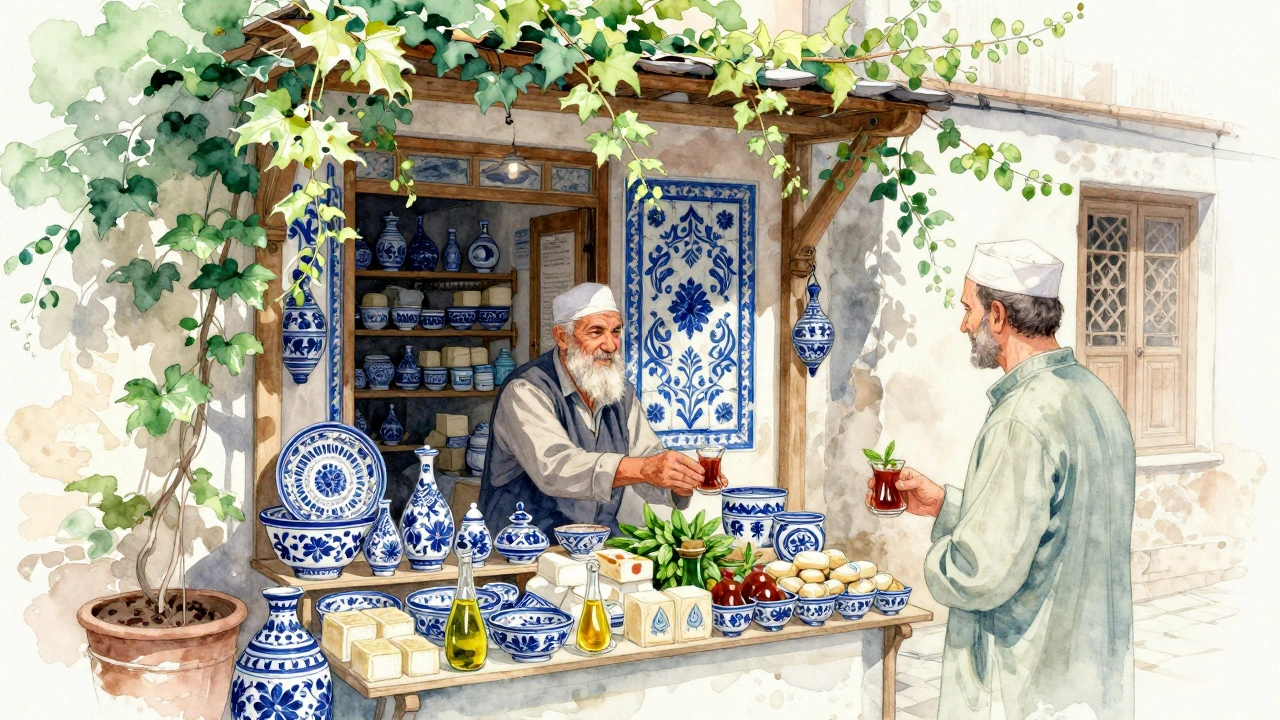
Most tourists rush past Arasta Bazaar, thinking it’s just another side street. But this quiet, 18th-century market, tucked behind the Blue Mosque in Sultanahmet, is where Istanbul’s elite once shopped. Today, it’s a peaceful alternative to the Grand Bazaar’s chaos. The stalls here sell authentic Turkish textiles, hand-painted ceramics from Kütahya, and natural soaps made with olive oil and lavender from the Aegean coast. You won’t be chased by vendors. No one will yell ‘Hello, my friend!’ here. Instead, you’ll be offered a cup of mint tea while the shopkeeper shows you how the weave on a silk cushion was copied from a 15th-century Ottoman tapestry.
Arasta is also home to the only remaining Ottoman-era soap factory in Istanbul. Visit the small museum inside and see how the soap is still made using the same cold-process method-no chemicals, no preservatives. The scent lingers on your skin for days. Buy a bar, and you’re not just buying soap. You’re buying a piece of Istanbul’s heritage.
Kadıköy Market: The Local’s Secret
If you want to see how Istanbul residents actually shop, head to Kadıköy on the Asian side. This vibrant, bohemian neighborhood has one of the city’s most authentic food markets, where fishmongers shout the day’s catch, spice vendors sell saffron by the gram, and women in headscarves haggle over sacks of dried figs. The market runs along Moda Street and spills into side alleys where you’ll find stalls selling handmade börek, freshly pressed pomegranate juice, and ceramic bowls painted with tulips and Ottoman calligraphy.
Look for the stall run by Hatice Hanım, who’s been selling hand-knotted wool socks since 1972. Her socks, made from local sheep wool and dyed with walnut husks, are warm enough for Istanbul winters and come in patterns that match traditional Anatolian embroidery. Tourists buy them as souvenirs. Locals buy them for their grandparents.
Çukurcuma: Vintage Finds and Antique Treasures
Once a forgotten neighborhood, Çukurcuma has become Istanbul’s answer to Paris’s Marais. Its narrow, cobbled streets are lined with antique shops, vintage bookstores, and retro furniture dealers. You’ll find 1950s Turkish radios, Ottoman-era silver trays, and hand-carved wooden doors salvaged from demolished mansions in Beşiktaş. The best spot? The Antique Market on Çukurcuma Caddesi, open every weekend. It’s where Istanbul’s collectors come to trade porcelain teacups from the 1800s and Persian rugs that have survived two world wars.
One shop, called ‘Dünya Evi’ (World House), specializes in Ottoman-era documents. You can buy a 19th-century Ottoman marriage contract, written in Arabic script and sealed with wax, for under 200 Turkish lira. It’s not just decor-it’s history you can hold.
What to Buy (And What to Skip)
Here’s what actually works as a souvenir in Istanbul:
- Hand-painted ceramics from Iznik or Kütahya (look for the signature cobalt blue and red)
- Real Turkish delight with pistachios, not the neon-colored, sugar-coated stuff sold in airports
- Leather goods from the Tuzla Leather Market-genuine, not ‘Italian-style’
- Black sea anchovy paste (hamsi salçası) for foodies who know how to use it
- A traditional Turkish coffee set with a cezve and small cups
Avoid these:
- ‘Authentic’ carpets from the Grand Bazaar’s tourist traps-most are machine-made
- ‘Ottoman’ swords from street vendors-they’re replicas, and carrying them can get you in trouble
- Perfume labeled ‘Turkish Rose’ that smells like chemical syrup-stick to small shops that distill their own
When to Shop
Istanbul’s shopping rhythm follows its own clock. Markets open at 9 a.m. and close around 7 p.m., but the best deals happen in the last hour before closing. Vendors are tired, ready to sell, and more likely to give you a discount. Avoid weekends if you want to move freely-the Grand Bazaar gets packed with tourists from Germany, Russia, and China. Midweek mornings are ideal. For food markets like Kadıköy, go on a Friday afternoon when the fish is fresh and the vendors are in a good mood.
And remember: in Istanbul, the best souvenir isn’t the thing you buy-it’s the story you take home. The vendor who taught you how to brew Turkish coffee. The old man who showed you how to tell a real Iznik tile from a fake. The smell of saffron and cinnamon that lingers on your coat long after you’ve left the bazaar.
Is it safe to haggle in Istanbul’s markets?
Yes, haggling is expected and part of the culture. Start at about 40% of the asking price, smile, and be polite. If the vendor says ‘this is my last price,’ they usually mean it. Don’t argue-just walk away. Often, they’ll call you back with a better offer. It’s not about winning-it’s about sharing a moment.
Can I use credit cards in Istanbul’s bazaars?
Small vendors in the Grand Bazaar and Arasta usually prefer cash. Larger shops on Istiklal and in malls accept cards, but always ask before you buy. Many places have a minimum spend for card payments-usually 500 Turkish lira. Carry enough cash in Turkish lira, not euros or dollars. Exchange rates at bazaar money changers are better than at the airport.
What’s the best time of year to shop in Istanbul?
Spring (April-May) and autumn (September-October) are ideal. The weather is mild, the markets aren’t packed, and seasonal goods like dried apricots, figs, and herbs are at their peak. Avoid July and August-too hot, too crowded. Ramadan and Eid bring special sales and night markets, but expect longer lines and higher prices.
Are there any shopping festivals in Istanbul?
Yes. The Istanbul Shopping Festival happens twice a year-once in spring and once in autumn. During these weeks, hundreds of shops across the city offer discounts, free gift wrapping, and even free coffee or tea with purchases. The Grand Bazaar, Istiklal Street, and Zorlu Center all participate. Check the official Istanbul Tourism website for dates-it’s a great time to buy.
How do I ship large items like carpets or furniture from Istanbul?
Most reputable shops in the Grand Bazaar and Çukurcuma offer international shipping. Ask for a receipt with a detailed description and value. Avoid informal couriers. Use companies like Aras Kargo or MNG, which have offices in major airports. Declare items as ‘personal souvenirs’ to avoid customs issues. For rugs, wrap them in tissue paper and roll them-not fold-to prevent cracking the dyes.
Shopping in Istanbul isn’t a chore. It’s a way to feel the city’s pulse. Whether you’re buying a single spice, a hand-painted plate, or a 200-year-old letter, you’re not just taking home a thing-you’re taking home a piece of Istanbul’s soul.
5 Comments
Okay but why does everyone act like haggling is some magical cultural experience? I went to the Grand Bazaar and got yelled at for offering 30% off. No one smiled. No one offered tea. Just a guy screaming in Turkish while waving a rug in my face. I just wanted a scarf, not a reality show.
Also, the ‘don’t buy carpets’ warning? Too late. I bought one. It’s sitting in my living room looking like a crime scene. The colors are fading. The fringes are unraveling. I think I got scammed by a guy who said his ‘grandfather wove this with tears.’ Spoiler: he was 28.
the part about arasta bazaar and the soap factory was so nice i almost cried
also the woman selling wool socks in kadikoy? i need those. my feet are always cold and i dont care if they look like theyre from 1890 i want them
also typo in the article: ‘teapots using tools unchanged since the 1700s’ - should be ‘used’ not ‘using’ but whatever i still love it
Let me tell you something real - Istanbul doesn’t sell you things, it sells you time. Not the kind you waste, but the kind that sticks to your skin like saffron and cinnamon. I spent three days in the Grand Bazaar not buying anything, just watching. The old man who fixed my camera strap with a needle and thread made of horsehair? He didn’t charge me. He just nodded and said, ‘You’re not here to shop. You’re here to listen.’
And that’s the truth. The carpets, the ceramics, the soap - they’re just vessels. The real treasure is the way the vendor pauses when you say ‘thank you’ in broken Turkish, the way the light hits the copper lanterns at 4 p.m., the silence between haggles when everyone just breathes together. You don’t take home a souvenir. You take home a rhythm.
And yeah, avoid the airport Turkish delight. The ones with pistachios? They’re not sugar bombs. They’re candy made by someone’s grandmother who still wakes up at 4 a.m. to stir the pot. That’s not a product. That’s love in a box.
the kadikoy market is where the real istanbul lives
hatice hanıms socks are the only thing i brought back and i wear them every winter
also the fish market smell is intense but its the smell of life
no one cares if you dont speak turkish they just want you to try the figs
Oh my gosh, I just cried reading about the soap factory in Arasta…
I’ve never cared about soap before, but now? Now I want to buy a bar just to feel like I’m touching history…
And that line about the scent lingering on your skin for days? That’s not marketing. That’s magic.
Also, the guy in Çukurcuma selling Ottoman marriage contracts? I’d give anything to hold one…
And I’m not even a history buff…
But somehow, this article made me feel like I’ve already been there…
And I’m booking my flight next week.
Thank you.
For writing this.
For remembering.
For showing us what matters.