
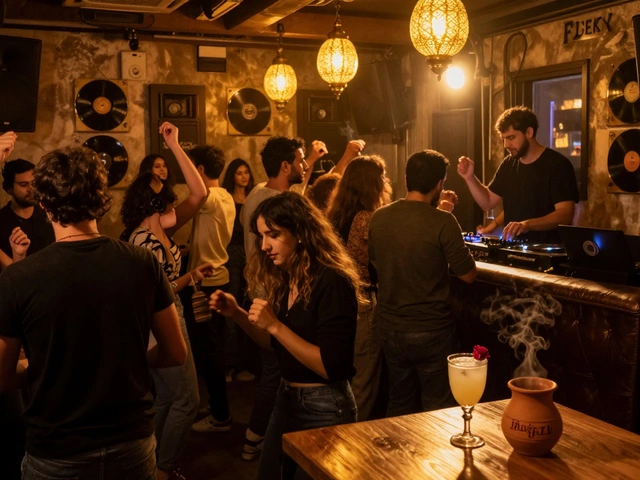
In Istanbul, the night doesn’t just begin when the sun sets-it explodes. From the winding alleys of Beyoğlu to the rooftop terraces of Karaköy, the city’s nightlife isn’t just about drinking or dancing. It’s where music and art collide in ways you won’t find anywhere else. You don’t just attend an event here; you step into a living canvas where the beats of duduk echo off Ottoman-era walls, and projections of Turkish miniatures dance across the faces of modernist buildings.
The Pulse of Beyoğlu: Where Street Art Meets Basslines
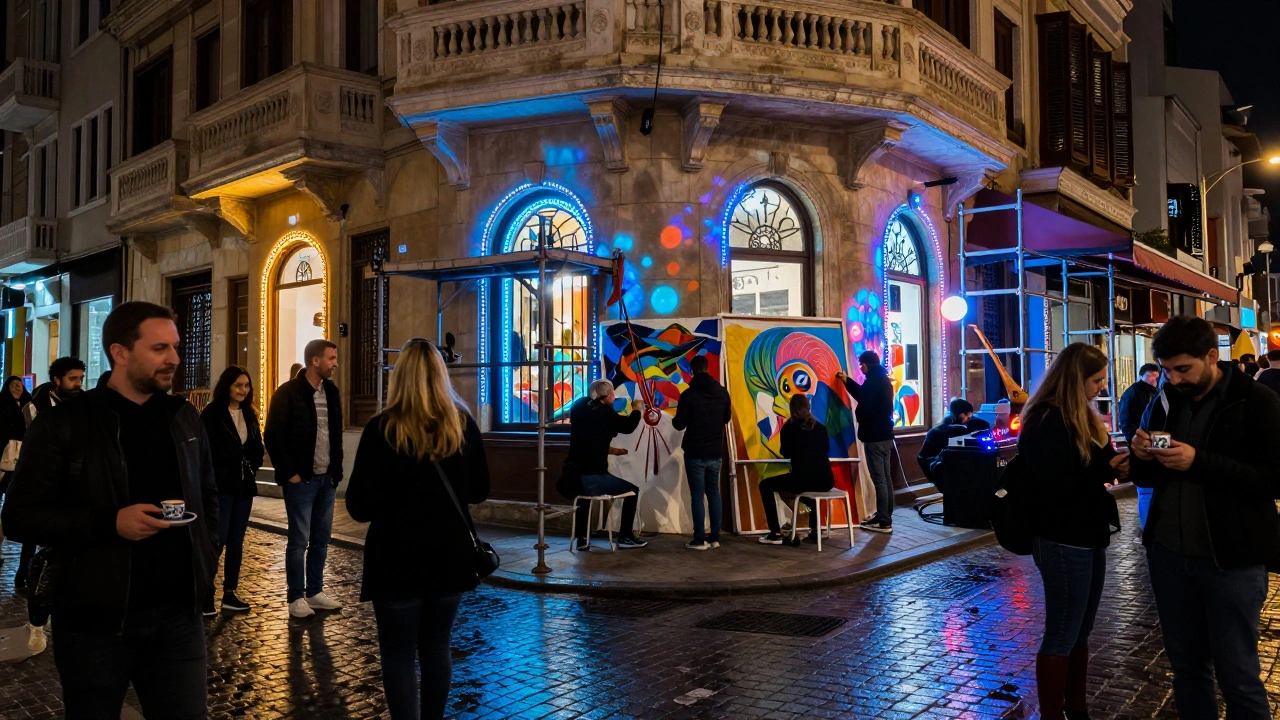
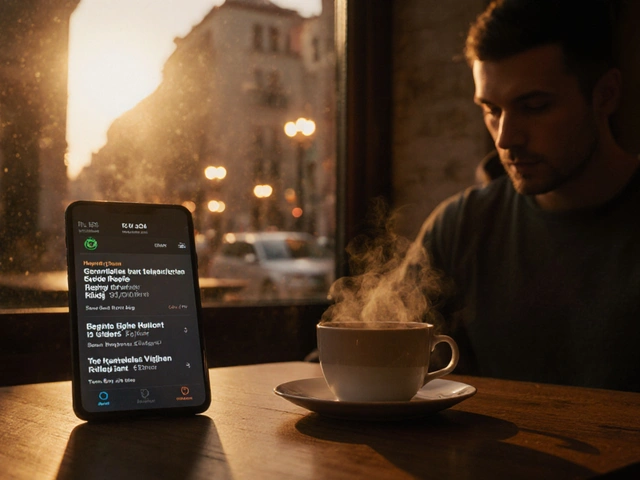
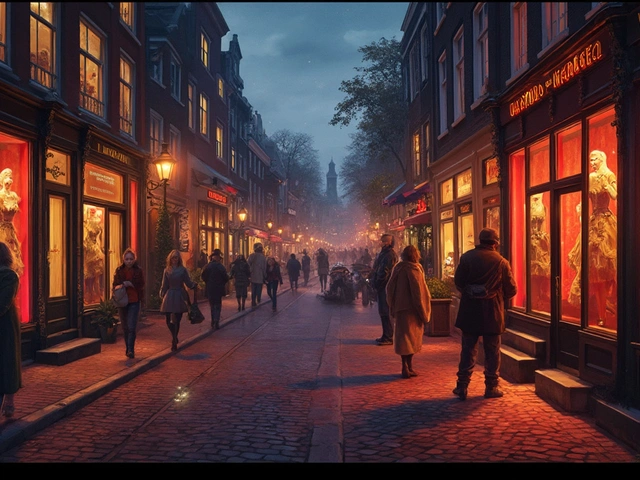
Walk down İstiklal Caddesi after 10 p.m., and you’ll feel it-the hum of bass leaking from hidden doorways, the murmur of artists debating color palettes over raki, the flicker of LED graffiti tagging abandoned Ottoman pharmacies turned into pop-up galleries. This isn’t just a street. It’s Istanbul’s most electric nerve center. At Artists’ Alley behind Galatasaray High School, local collectives like Boğaz Müziği host monthly sound-and-sight nights. DJs spin Anatolian folk samples mixed with deep house, while painters create live murals on canvas stretched between scaffolding. No tickets needed. Just show up, grab a cup of Turkish coffee from Kurukahveci Mehmet Efendi on the corner, and watch how a traditional ney flute solo transforms into a 4/4 rhythm under neon lights.The Bosphorus as a Stage: Rooftop Symphonies and Floating Canvases
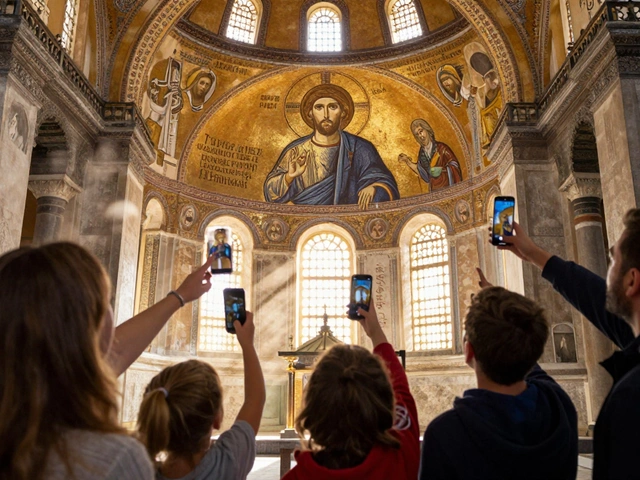
Head to Karaköy’s waterfront, and you’ll find a different kind of night. At Moda Kıyısı, the breeze off the Bosphorus carries the scent of grilled mackerel and incense. Here, Art & Sound Nights by Boğaz Art Collective turn yachts into floating galleries. Artists from Kadıköy display works inspired by Byzantine mosaics, while live ensembles play bağlama-infused ambient music. One summer evening last year, a painter projected a 20-minute animated sequence of Seljuk calligraphy onto the hull of a restored 1920s wooden ferry. The crowd stood silent-not because it was quiet, but because the music, the art, and the water all moved as one. You don’t need to be a collector to feel it. You just need to be there.Hidden Gems: The Secret Clubs That Don’t Appear on Google Maps
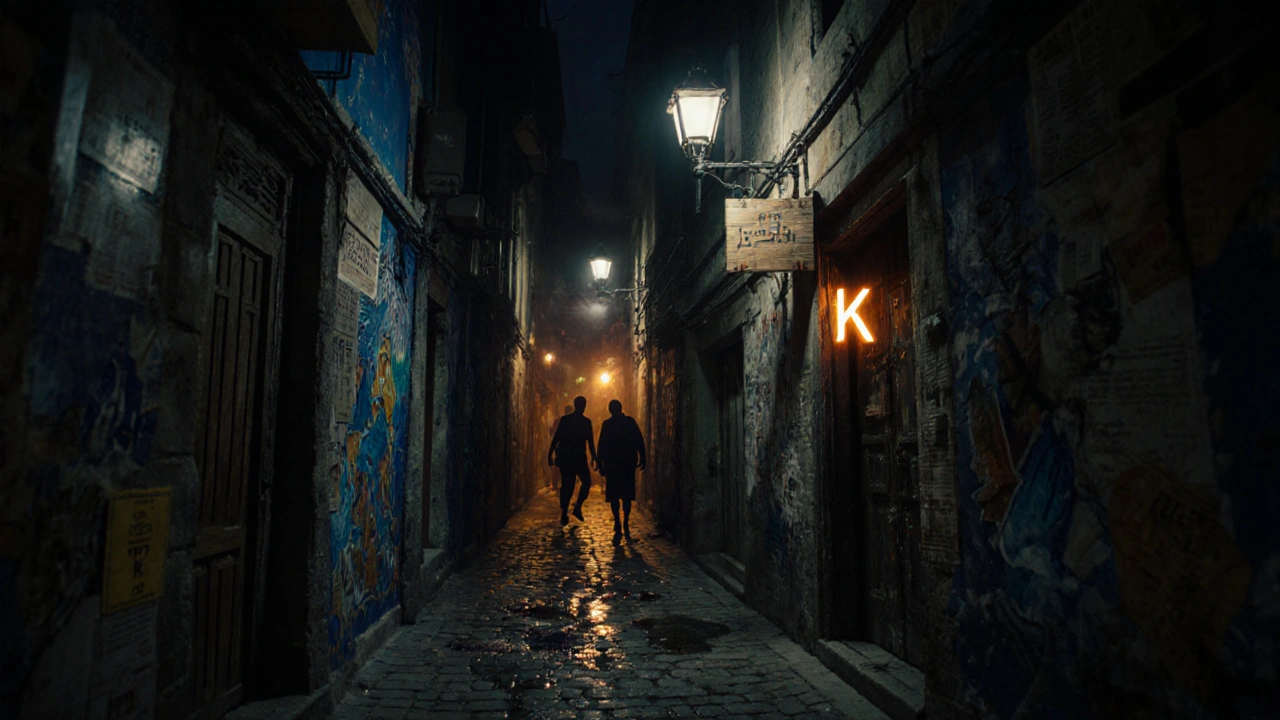
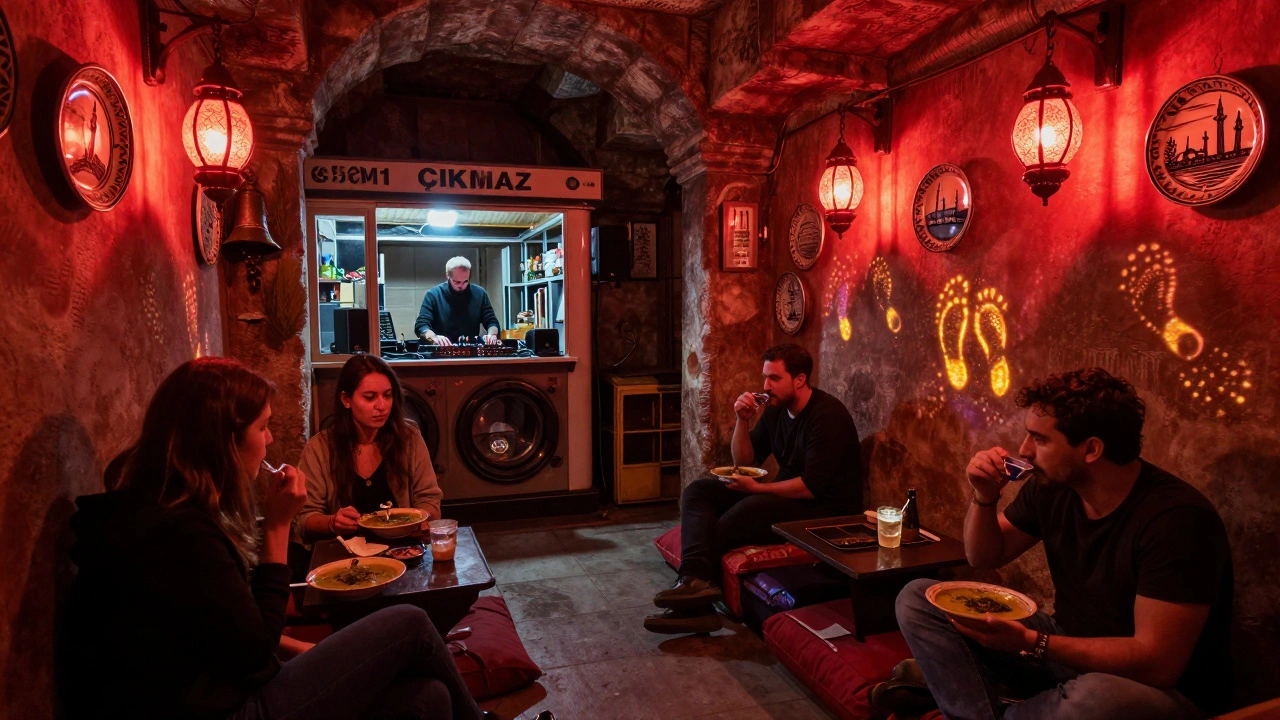
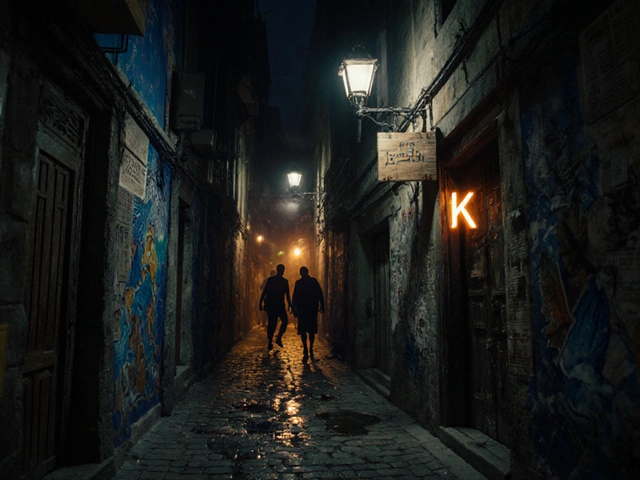
Forget the tourist-heavy clubs in Nişantaşı. The real magic happens in basements and courtyards. In Kadıköy, Çıkmaz (meaning ‘dead-end’) is a 15-person underground space behind a laundry shop. No sign. Just a red lantern. Inside, a sound artist from Ankara loops field recordings of Istanbul’s tram bells and street vendors’ cries into a sonic tapestry. On the walls, local ceramicists display hand-painted plates with abstracted images of minarets and ferry routes. The event runs every third Friday. You find out by word of mouth-ask at Çiya Sofrası or Şarkı Kahvesi. No cover. No drinks menu. Just a bowl of lentil soup and a glass of ayran. That’s the rule.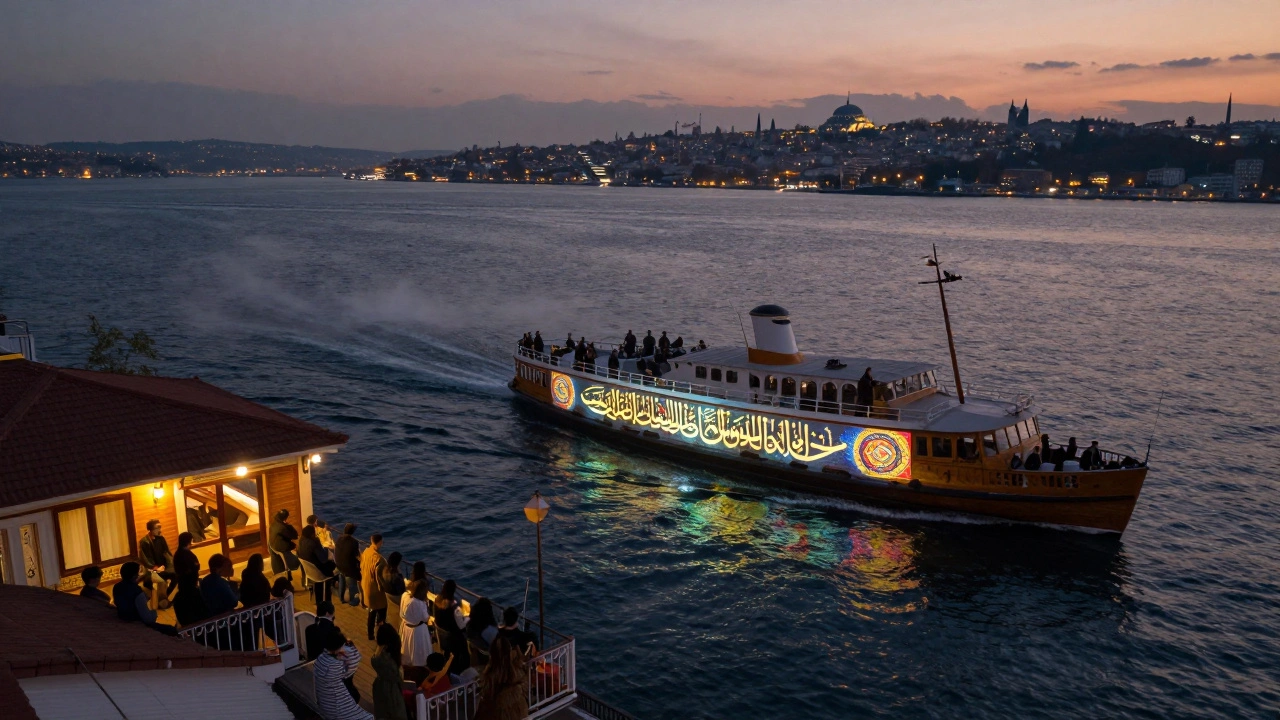
Why Istanbul Works: The City’s Unique Blend of Past and Present
What makes Istanbul’s nightlife events different from Berlin, Tokyo, or New York? It’s the layers. Here, a techno set can be interrupted by a Sufi drummer performing a whirling dervish rhythm. A digital art installation might use thermal imaging to show how many people passed through a 16th-century cistern last week. The city doesn’t erase its history-it breathes with it. The Topkapı Palace doesn’t just sit in the background. It influences the color palettes of projections, the tempo of live percussion, even the way people move through crowds. You feel the weight of centuries in the silence between beats.Where to Start: A Local’s Guide to Your First Night
If you’re new to Istanbul’s art-and-music scene, here’s how to dive in without getting lost:- Start in Beyoğlu: Go to Republik on a Thursday. They host Artists’ Mix-live painting, jazz fusion, and Turkish hip-hop. Free entry before midnight.
- Check Instagram hashtags: Follow #istanbulartnight, #bosphorussound, and #karakoyunderground. Events are rarely advertised on websites.
- Visit during the week: Weekends are packed. Tuesdays and Wednesdays are when the real experiments happen.
- Bring cash: Most underground events don’t take cards. Keep 200-500 TL on you for drinks, snacks, or small art pieces.
- Stay late: The best moments happen after 2 a.m. That’s when the DJs drop the remix of a 19th-century Ottoman love song over a beat made from the sound of a Turkish coffee pot boiling.
The Unspoken Rule: Respect the Space
Istanbul’s art-driven nightlife thrives on intimacy. These aren’t commercial shows. They’re community rituals. Don’t take photos without asking. Don’t shout over the music. Don’t treat the art like a backdrop for selfies. The painters, musicians, and poets here aren’t performing for likes-they’re sharing something sacred. A local artist told me last winter: “We don’t want you to remember the party. We want you to remember how you felt when the music stopped and the painting changed color.”What’s Next: The Seasonal Shifts
As spring approaches, expect new events. The İstanbul Biennial often spills into nightlife spaces, with pop-up installations in abandoned warehouses along the Golden Horn. In May, Art Istanbul partners with Bar 1907 to host a 12-hour sound-and-light marathon that begins at sunset and ends with the call to prayer from the Süleymaniye Mosque. Locals say it’s the only time the city feels truly whole-where the sacred and the experimental breathe together.Don’t come to Istanbul for the clubs. Come for the moments between the beats. For the way a brushstroke on a wall can make you pause mid-sip. For the silence that follows a bağlama note that sounds like a sigh from the 15th century. This isn’t nightlife. It’s the city’s soul, awake after dark.
Are Istanbul nightlife events safe for solo visitors?
Yes, especially in areas like Beyoğlu, Karaköy, and Kadıköy, where the art-driven scenes are tightly knit and community-focused. Most underground events have a friendly, watchful vibe-locals look out for newcomers. Stick to well-lit streets, avoid isolated alleys after 3 a.m., and always let someone know where you’re going. The real risk isn’t safety-it’s staying too long and missing the sunrise over the Bosphorus.
Do I need to speak Turkish to enjoy these events?
No. While some artists speak English, the experience is designed to be felt, not explained. Music, visuals, and movement transcend language. You’ll understand the rhythm, the emotion, the tension between old and new even if you don’t catch every word. A smile, a nod, or a raised glass is enough.
Where can I buy art from these events?
Many artists sell small pieces directly at events-posters, zines, ceramic tiles, or digital prints. Prices range from 50 TL to 500 TL. Some galleries like Arter and Galata House host follow-up exhibitions, but the best finds are at the source. Ask the artist if they have a portfolio or Instagram. Most do.
Are there family-friendly nightlife art events in Istanbul?
Yes, but they’re rare and usually on weekends. Çamlıca Art Park hosts monthly twilight events with projection mapping for kids and live storytelling. Yapı Kredi Culture also runs occasional family nights with interactive sound installations. These are quieter, earlier (6-10 p.m.), and focus on creativity over club energy.
What’s the best time of year to experience these events?
Late spring (April-June) and early autumn (September-October) are ideal. The weather is mild, and the city’s energy peaks. Summer brings heat and fewer events, while winter has fewer crowds but more intimate, cozy gatherings. Don’t miss the İstanbul Biennial in September-it often triggers a wave of pop-up art nights across the city.

7 Comments
Oh wow, another ‘Istanbul is magical’ travel blog dressed up like poetry. 🤡 Next they’ll tell me the Ottoman Empire’s ghost is DJing at Çıkmaz. Real talk-this is just cultural tourism with extra steps. You don’t ‘feel the weight of centuries’ when you’re standing in a basement with 14 people and a guy looping tram noises. It’s a gimmick. And don’t get me started on ‘no tickets needed’-that’s just how they filter out the real locals and keep the backpackers happy. This isn’t art. It’s Instagram bait with a side of raki.
Also, ‘respect the space’? Bro, if you’re gonna write a 2000-word essay on how ‘sacred’ it is, maybe don’t post it publicly so everyone shows up. Hypocrite city.
PS: Who lets a guy with a ney flute near a deep house beat? That’s not fusion. That’s sonic assault.
PPS: I’m not even mad. I’m just disappointed. We’ve been sold a fairy tale wrapped in a minaret.
PPPS: Still, I’ll probably go. Because I’m a sucker for free Turkish coffee and the illusion of depth.
ok so i just read this and i’m crying?? not because i’m emotional (ok maybe a little) but because this is the first time i’ve ever felt like a place *gets* me?? like, i’ve been to berlin, to tokyo, to brooklyn-but none of them had that quiet magic where the past whispers and the present dances without trying too hard.
the part about the coffee pot boiling as a beat?? omg. i want to be there so bad. i don’t speak turkish but i feel like i’d understand every note. and the way they describe the silence after the bağlama? that’s the kind of silence i’ve spent my whole life searching for.
also, the fact that you find out about Çıkmaz by asking at a soup place?? that’s the most beautiful thing i’ve read all year. no algorithm, no ads, no influencers. just people. real people.
thank you. i’m booking my flight. and yes, i’m bringing cash. and yes, i’ll stay past 2am. i need to feel that sigh from the 15th century.
ps: if anyone’s going in april, let me know. i’ll buy you ayran.
As someone who has spent over 18 months documenting global underground art scenes across 12 countries, I can confidently say Istanbul’s nocturnal cultural ecosystem is among the most authentically layered in the world. Unlike Berlin’s institutionalized techno sanctuaries or NYC’s commodified gallery-hop circuits, Istanbul’s events operate in a state of organic symbiosis between heritage and innovation.
The use of thermal imaging to visualize foot traffic through 16th-century cisterns? Brilliant. Not just aesthetic-it’s historical archaeology as participatory art. The integration of Sufi rhythms into techno isn’t ‘fusion’-it’s a continuum. The Ottomans didn’t separate music from spirituality; modern artists are merely restoring that equilibrium.
Also, the ‘no tickets’ model is critical: it preserves the ritual. No gatekeeping. No VIP zones. Just presence. And yes, cash-only is not a flaw-it’s a filter against transactional tourism.
That said, the real genius is in the timing: events on Tuesdays and Wednesdays avoid the performative crowd, allowing space for experimentation. This isn’t nightlife. It’s cultural resilience.
And yes, I’ve cried at a 3 a.m. remix of an Ottoman love song too. 😢
Pro tip: Bring a notebook. Not to take photos. To write down what you feel when the lights dim and the ney returns.
Also, the call to prayer at sunrise? That’s not a soundtrack. It’s a benediction.
ehhhhh i’m just not feeling it. sounds like a lot of work for something that’s basically just a bunch of people standing around pretending to be deep. i don’t want to walk down alleys looking for red lanterns. i don’t want to drink ayran and eat lentil soup just to ‘feel the weight of centuries.’
if i’m gonna stay up till 2 a.m., i want a good beat and a bartender who knows how to mix a drink. not some guy looping tram sounds like he’s in a TED Talk.
also, ‘respect the space’? sounds like a guilt trip. why can’t i take a selfie? it’s not like i’m stealing the art.
just… too much. too much poetry. too much ‘soul.’ i’ll stick to the clubs. at least there, the music’s loud and the people don’t stare at you like you’re breaking a sacred vow if you laugh too hard.
Man, I’ve been to Istanbul three times now, and honestly, this post nails it in a way that even some locals miss. I’m from Delhi, and I’ve seen how ancient cities try to modernize-usually by erasing the old. But here? The past doesn’t just survive-it sings. The way the calligraphy animation played on that 1920s ferry? I cried. Not because I understood every detail, but because I felt it in my bones.
Çıkmaz? I found it by accident. Walked past the laundry shop, saw the lantern, thought ‘what the hell,’ and ended up there for 4 hours. No one asked my name. No one asked where I was from. Just a nod, a bowl of soup, and a guy who played the sound of a street vendor yelling ‘Simit!’ over a beat that sounded like a heartbeat. That’s not nightlife. That’s communion.
And yeah, I know people say ‘it’s just for tourists,’ but the fact that the artists still show up, week after week, even when only 8 people come? That’s the real magic. They’re not doing it for likes. They’re doing it because they have to.
Also, the part about the bağlama sounding like a sigh? That’s exactly right. It’s not music you hear. It’s memory you feel.
Bring a jacket. The Bosphorus wind bites. And don’t rush. Let the silence between notes breathe. That’s where the soul lives.
Okay but why is everyone so obsessed with the ‘silence between beats’?? I swear, if I hear one more person say ‘the city breathes with its history’ I’m gonna scream. Who even talks like that??
Also, the part where you’re supposed to ‘respect the space’ and not take photos? That’s just code for ‘don’t document this because we want it to stay exclusive and we don’t want you to know it’s not actually special.’
And why is everyone acting like this is some secret society? I went to Karaköy last month and there were THREE groups of tourists with DSLRs taking pictures of the same ‘floating canvas’ yachts. It’s not underground. It’s just poorly advertised.
And don’t even get me started on ‘free before midnight’-that’s a trap. You show up early, wait an hour, and then the DJ plays 30 minutes of ambient wind sounds and calls it ‘a tribute to the Bosphorus breeze.’
I’m just saying… maybe it’s not the masterpiece everyone’s making it out to be. Maybe it’s just a bunch of people trying too hard to sound profound.
While the aesthetic presentation of this article is undeniably romanticized, the underlying cultural narrative it promotes is both misleading and potentially damaging to the integrity of Turkey’s historical legacy. The conflation of Ottoman heritage with contemporary club culture constitutes a form of cultural dilution that reduces centuries of spiritual and artistic tradition to a backdrop for performative tourism.
It is not ‘resilience’ when a Sufi rhythm is sampled into a techno track-it is appropriation without context. The invocation of the call to prayer as a ‘benediction’ at the conclusion of a nightclub event is not sacred-it is theatrical. Such practices risk trivializing deeply held religious and cultural symbols for the sake of aesthetic novelty.
Furthermore, the assertion that ‘you don’t need to speak Turkish’ to appreciate these events ignores the linguistic and cultural specificity that gives these traditions their meaning. To reduce the bağlama, the ney, or the calligraphy to mere sonic or visual textures is to strip them of their soul.
This is not art. It is spectacle dressed in the robes of authenticity. And it is precisely this kind of commodification that erodes the very heritage it claims to celebrate.
True preservation does not require neon lights or Instagram hashtags. It requires reverence. And reverence, unlike a ‘vibe,’ cannot be marketed.