Byzantine Istanbul Sites: Ancient Ruins That Still Shape the City
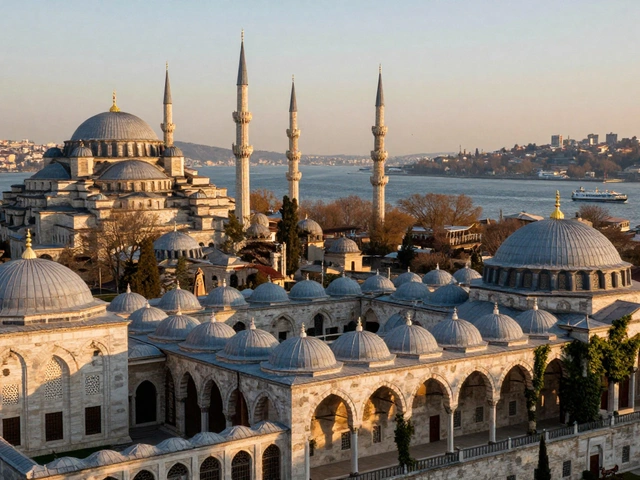
When you walk through Byzantine Istanbul sites, the surviving structures from the Eastern Roman Empire that still dominate Istanbul’s skyline. Also known as Byzantine ruins, these aren’t just relics behind ropes—they’re the bones of a city that once ruled the Mediterranean. This isn’t some dusty museum exhibit. These buildings still echo with the footsteps of emperors, monks, and merchants, and they shape how locals live today.
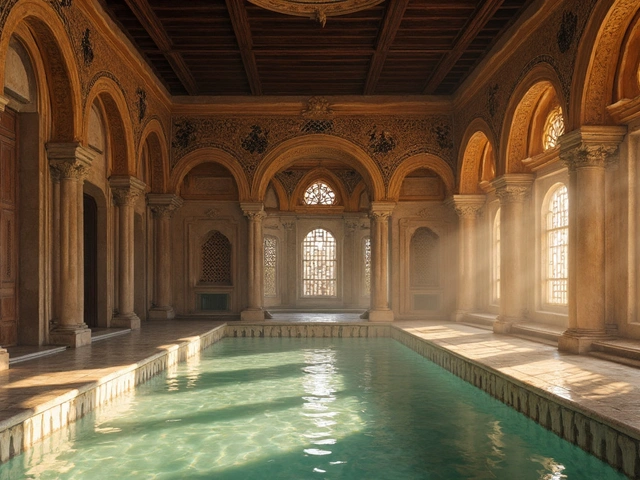
The most famous of these is Hagia Sophia, a 6th-century cathedral turned mosque turned museum, famous for its massive dome that seems to float above the nave. Also known as Aya Sofya, it’s where Byzantine engineering met spiritual ambition—and it still draws people not just for its size, but for the quiet awe it inspires. Just a few steps away, the Basilica Cistern, a vast underground water reservoir built to supply the Great Palace with fresh water. Also known as Yerebatan Sarnıcı, it’s a forest of 336 marble columns, some carved with Medusa heads, where the drip of water and dim lantern light make it feel like stepping into a myth. Then there’s Chora Church, a small but breathtaking chapel hidden in the Edirnekapı neighborhood, packed with the most detailed Byzantine mosaics and frescoes left in the world. Also known as Kariye Museum, it’s where ordinary people once prayed, and where the art still glows like it was painted yesterday. These aren’t just tourist stops. They’re the reason Istanbul feels older than most cities on earth.
What you won’t see on most maps are the smaller fragments—broken columns in parks, mosaic floors under modern shops, arches swallowed by apartment buildings. These are the quiet reminders that Byzantium didn’t vanish. It got built over, repurposed, and absorbed into daily life. You can still find Byzantine bricks in the walls of mosques, and Roman aqueducts feeding modern fountains. The city doesn’t just preserve its past—it breathes it.
When you visit these sites, you’re not just looking at stone and tile. You’re seeing how power, faith, and art collided and stayed. You’ll find the same people today—locals sitting on benches near Hagia Sophia, students sketching mosaics in Chora, couples taking photos in the dim light of the cistern. The past isn’t locked away. It’s out here, in the open, waiting to be noticed.
Below, you’ll find real stories from people who’ve walked these ruins, lived near them, and learned what they truly mean—not just as history, but as part of Istanbul’s heartbeat today.