European Heritage Sites in Istanbul: History That Still Breathes
When you walk through European heritage sites, historical landmarks in Istanbul that reflect centuries of Byzantine and Ottoman influence, also known as Mediterranean cultural monuments. You’re not just seeing old buildings—you’re stepping into a city that never stopped living. These aren’t museum pieces behind ropes. They’re places where locals still pray, where tourists get lost in mosaics, and where the scent of incense still lingers in domed chapels next to coffee shops.
At the heart of it all is Hagia Sophia, a former cathedral, then mosque, now museum-turned-mosque that stands as the ultimate symbol of Istanbul’s layered past. Its dome seems to float, built by engineers who had no steel, no computers—just math, stone, and sheer will. Nearby, the Basilica Cistern, a vast underground water reservoir built by the Byzantines to supply the Great Palace. feels like a secret world, lit by flickering lamps, with Medusa heads staring up from the floor like ancient graffiti. Then there’s the Topkapi Palace, the Ottoman Empire’s political and cultural center for nearly 400 years, filled with jewels, weapons, and rooms where sultans once whispered orders. These aren’t just tourist stops. They’re the bones of the city.
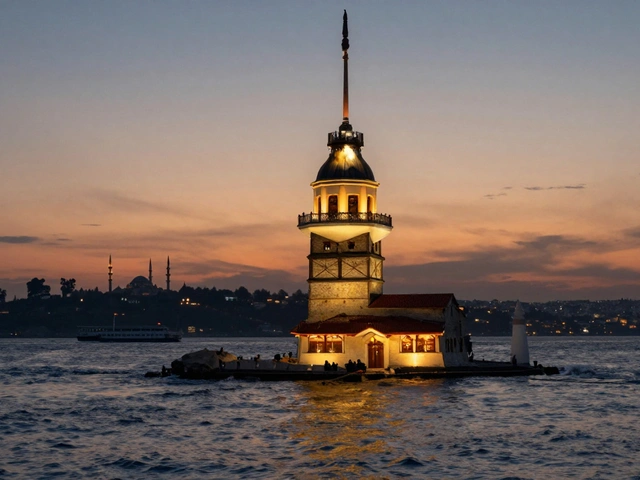
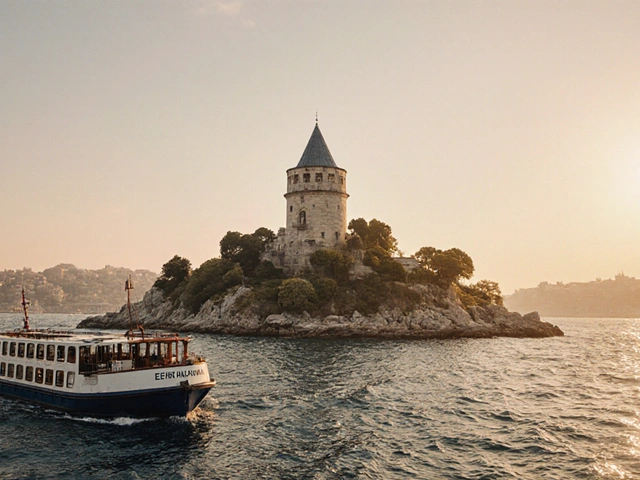
What makes these sites different from other historical spots? They’re still part of daily life. You’ll find women in headscarves praying inside Hagia Sophia, students sketching mosaics in Chora Church, and old men playing backgammon under the arches of the Galata Tower’s base. The European heritage sites here didn’t freeze in time—they adapted. A Roman aqueduct became a walking path. A 12th-century monastery became a mosque. A Byzantine palace became a luxury hotel. You don’t just visit them—you feel them breathing.
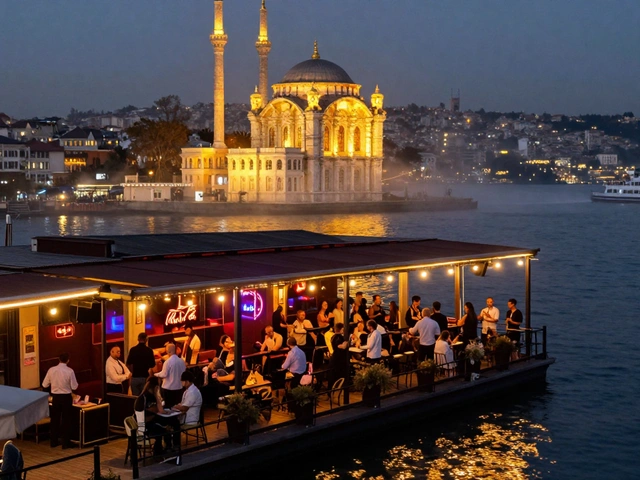
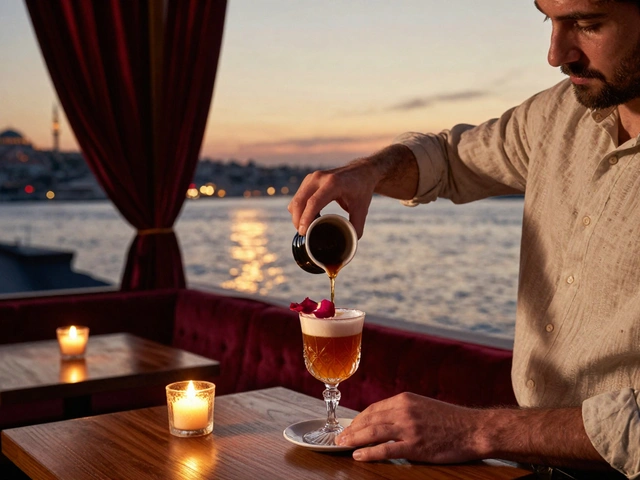
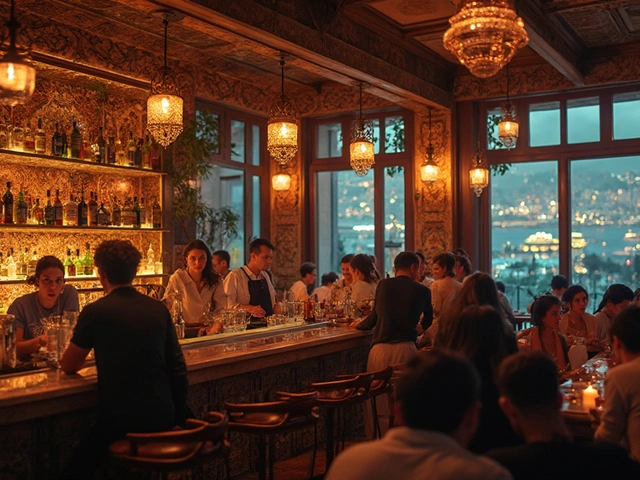
And that’s what you’ll find in the posts below: not just a list of old buildings, but stories of how these places still shape Istanbul today. From quiet corners where monks once wrote scripture to nightclubs hidden in 19th-century wine cellars, the past isn’t behind glass here. It’s on the menu, in the music, in the way the light hits the Bosphorus at sunset. You’ll learn where to find the hidden churches no guidebook mentions, how to spot Ottoman tiles disguised as modern decor, and why the city’s soul is written in stone, mosaic, and candlelight.