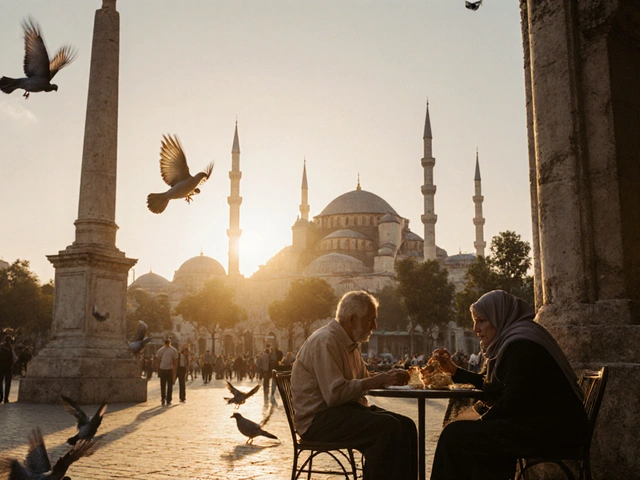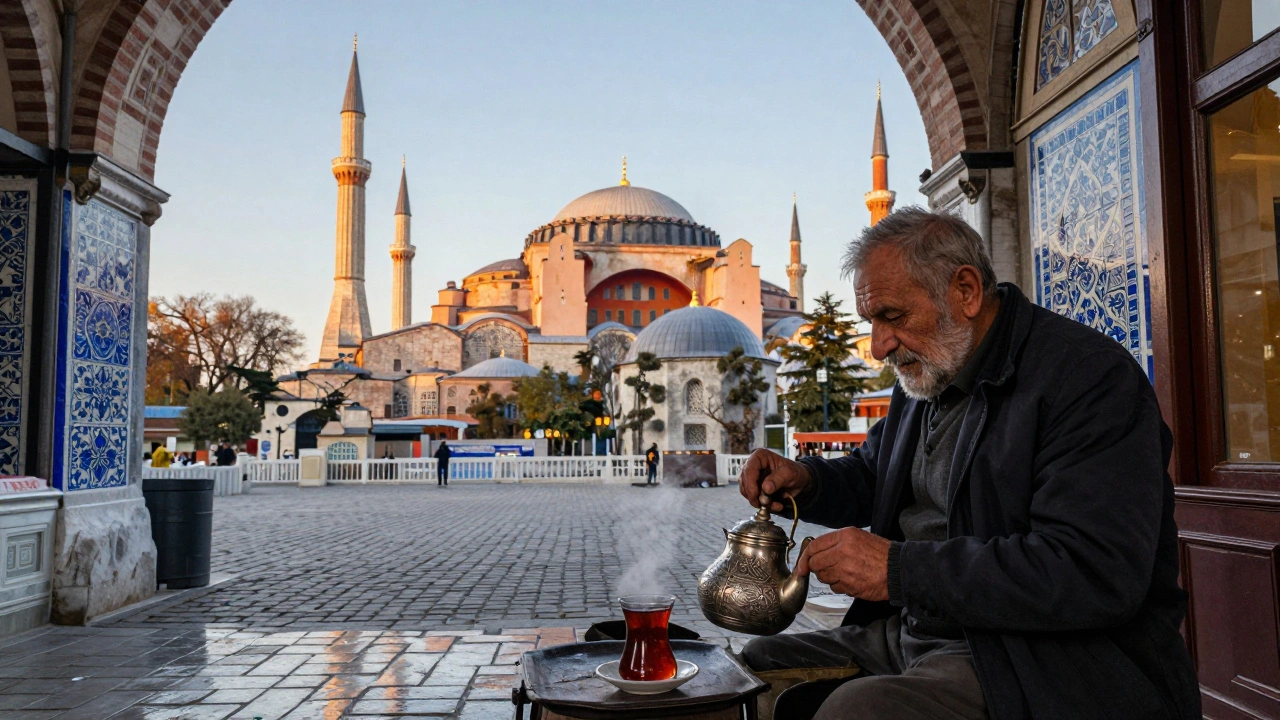

When you're standing in Sultanahmet Square, surrounded by the domes of Hagia Sophia, the minarets of the Blue Mosque, and the echoing calls to prayer from the Sultan Ahmed Mosque, it’s easy to forget you’re in the middle of one of the world’s most vibrant shopping districts. In Istanbul, even the most historic corners pulse with commerce - not the kind you find in global malls, but the real, lived-in, centuries-old trade that still thrives in alleyways, covered bazaars, and family-run shops. This isn’t just about buying a souvenir. It’s about walking through the same streets where Ottoman merchants once haggled over silk, spices, and ceramics - and still do today.
Where to Shop: Beyond the Tourist Traps
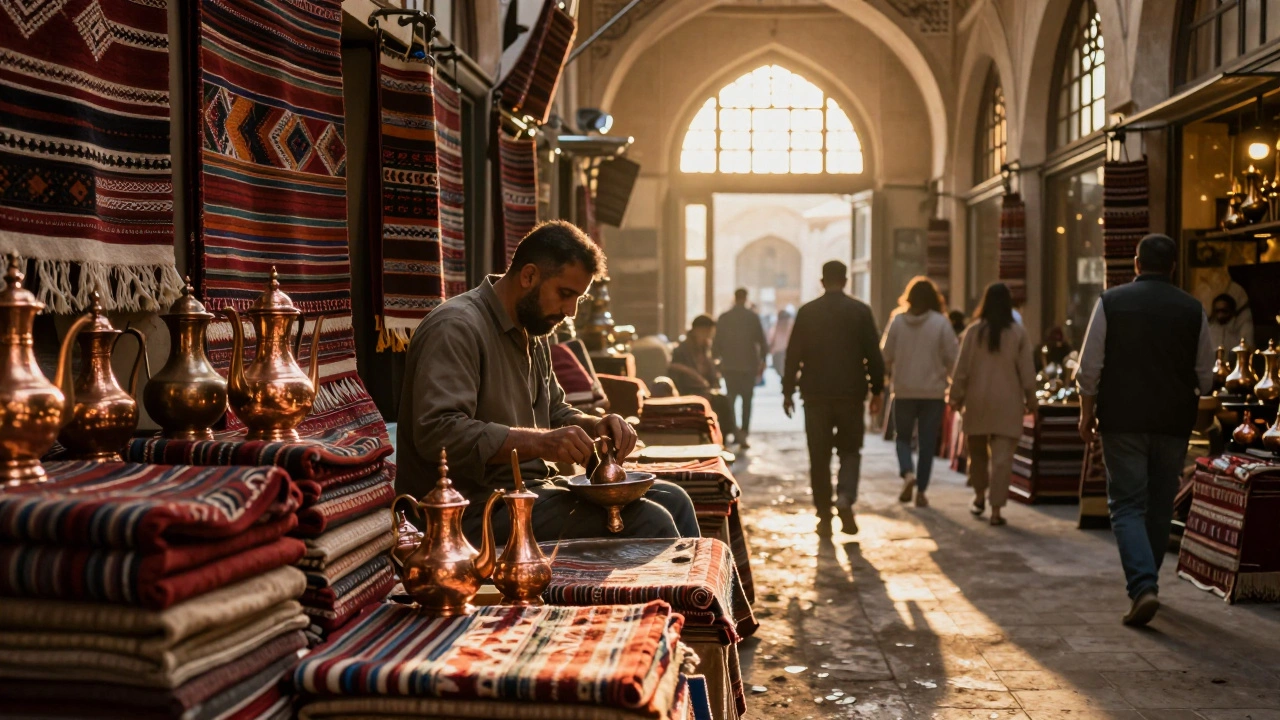
Most visitors head straight for the Grand Bazaar, and yes, it’s impressive - 61 streets, over 4,000 shops, and a maze that can swallow you whole. But if you’ve been to the Grand Bazaar once, you’ve seen 80% of what’s there. The real gems lie just steps away. Walk west along Sırrı Paşa Caddesi, and you’ll find Çarşı Han, a quiet, renovated Ottoman-era arcade with local artisans selling hand-stitched leather bags, copper tea sets from Kütahya, and hand-painted Iznik tiles. No crowds. No pushy vendors. Just the sound of a coppersmith tapping out a pattern on a teapot, and the smell of fresh baklava drifting from the shop next door.
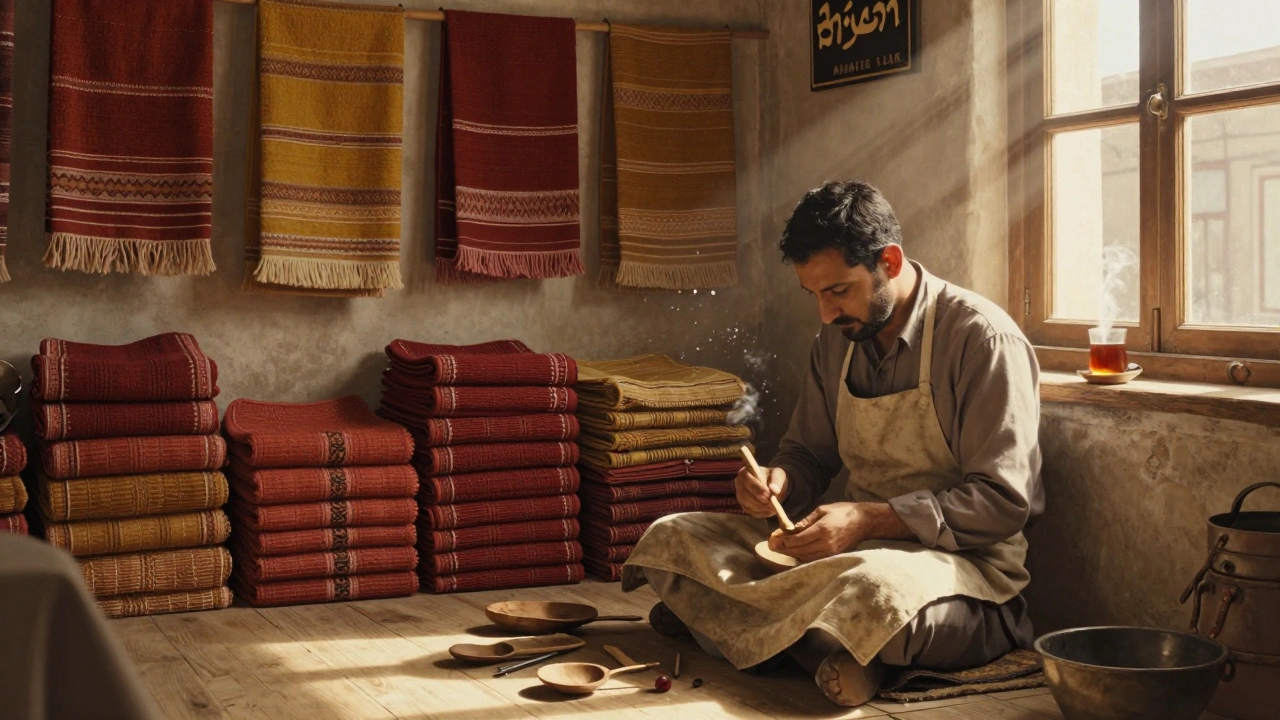
Don’t miss Arasta Bazaar, tucked right behind the Blue Mosque. It’s small, clean, and curated. You’ll find authentic Turkish towels (pestemals) woven in Denizli, hand-rolled incense from the Mardin region, and olive wood carvings made by a single craftsman who’s been working here since 1987. He doesn’t speak English, but he’ll show you his tools, pour you a cup of çay, and let you pick out a small spoon or box for under 50 Turkish lira. That’s the Istanbul way: personal, not transactional.
What to Buy: Real Turkish Crafts, Not Mass-Made Junk
Forget the plastic camels and “I ♥ Istanbul” t-shirts. If you want something that carries meaning, here’s what locals actually buy:
- Handmade Turkish ceramics - Look for the signature cobalt blue glaze. The best come from Iznik, but you’ll find genuine pieces in Arasta and Çarşı Han. Check the bottom: authentic pieces have a maker’s mark, not a barcode.
- Leather goods - Istanbul’s leather tradition goes back to the Ottoman Empire. Look for Çukurcuma-style bags - soft, unlined, and stitched by hand. Avoid anything labeled “genuine Italian leather.” It’s almost always imported from China.
- Spices and teas - The Spice Bazaar is famous, but the real deal is at Çinili Çarşı, a local market just 10 minutes from Sultanahmet. Here, you’ll find saffron from Uşak, black cumin from Gaziantep, and dried rose petals from the Aegean coast. Buy in small amounts - Turkish spices lose flavor fast if not stored right.
- Hand-knotted carpets - If you’re serious, go to Çarşı Han and ask for “Kilim” (flatweave) instead of pile rugs. They’re lighter, cheaper, and just as beautiful. A good 1.5m x 2m kilim from Anatolia costs between 8,000 and 15,000 TL. Anything under 3,000 TL is machine-made.
How to Bargain Like a Local
In Istanbul, haggling isn’t rude - it’s ritual. Here’s how to do it right:
- Start at 40% below the asking price. If a vendor says 500 TL for a copper tray, offer 300. They’ll laugh, but they’ll also counter at 400.
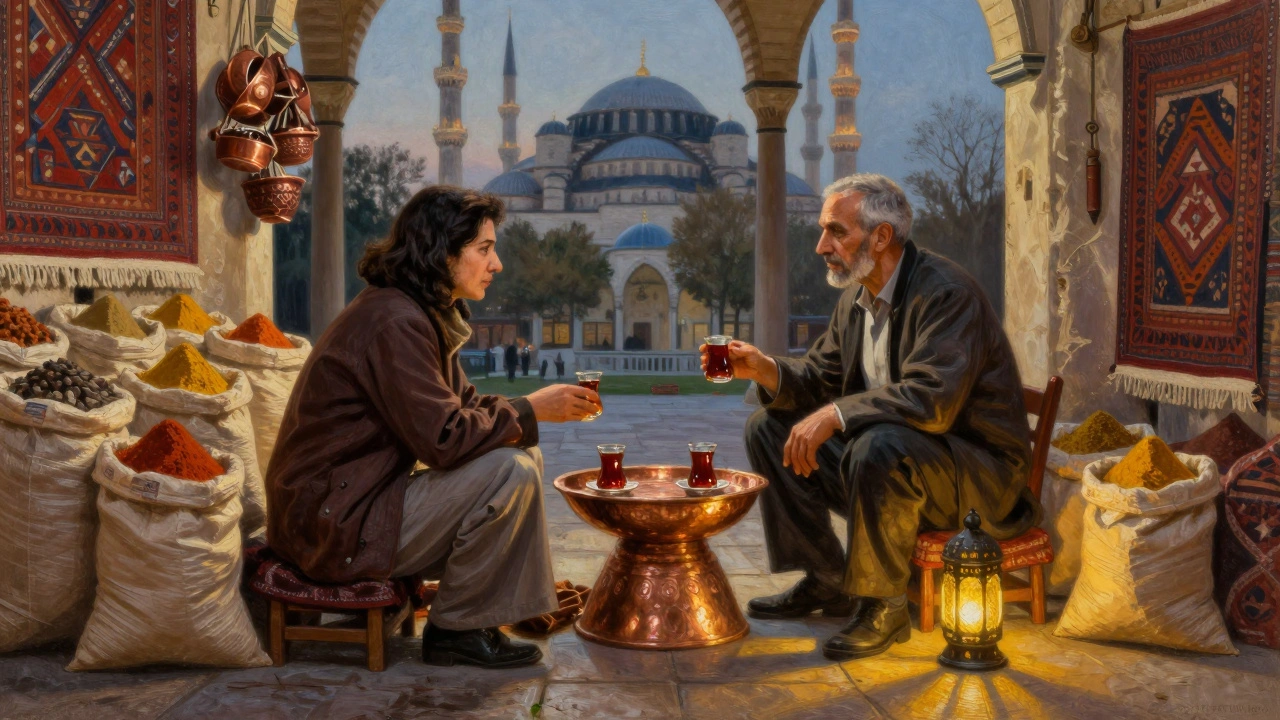
- Use “çay” as leverage. Ask for a cup of tea. Once you’re sipping, prices soften. It’s not just hospitality - it’s a psychological pause.
- Walk away. Not dramatically. Just say, “I’ll think about it,” and turn to look at another item. Nine times out of ten, they’ll call you back with a better offer.
- Never pay full price on your first visit. Even if you love it. Come back tomorrow. The shopkeeper will remember you - and they’ll give you a better deal.
Pro tip: If you’re buying multiple items, bundle them. “I’ll take the tray, the teapot, and three tea towels - can you make a set?” That’s how locals do it. It’s not about saving money. It’s about building a relationship.
When to Go: Timing Matters
Sultanahmet is busiest between 10 a.m. and 4 p.m., when tour groups flood in. If you want the real experience:
- Go early - before 9 a.m. - and you’ll have the Grand Bazaar almost to yourself. The copper sellers are setting up. The spice vendors are freshening their piles. You’ll catch the best light for photos and the best prices before the crowds arrive.
- Visit on a Wednesday. That’s when the local artisans from Üsküdar and Kadıköy bring their handmade goods to the open-air stalls near the Hippodrome. You’ll find hand-carved wooden boxes, woven baskets from the Black Sea region, and even old Ottoman-style inkwells.
- Avoid Fridays after noon. The Blue Mosque fills with worshippers, and the whole square turns into a slow-moving queue of tourists waiting for entry. Shops close early. It’s not worth it.
Local Tips You Won’t Find on Google
Here’s what only Istanbul residents know:
- The best lale (tulip) pattern scarves? Not from the Grand Bazaar. Head to Yeni Çarşı in Eminönü, where women from the Black Sea sell them for 300 TL - half the price of Sultanahmet.
- If you want Turkish delight that doesn’t taste like sugar paste, go to Halil Usta in the back of the Spice Bazaar. His rose and pistachio varieties are made daily, with real flower petals and crushed nuts. He doesn’t advertise. You’ll know him by the queue of locals.
- Don’t buy antiques unless you have a receipt with a Ministry of Culture stamp. Fake Ottoman coins and “ancient” pottery are everywhere. Real pieces are rare - and legally protected.
- Carry small bills. Many shops, especially in Arasta and Çarşı Han, don’t have card readers. Cash is king. And keep coins handy - you’ll need them for the public toilets near the Hippodrome (yes, they still charge 5 TL).
Where to Rest After Shopping
Shopping near Sultanahmet is exhausting - in the best way. When you’re done, don’t head straight to the hotel. Sit down at İstanbul Kahvesi, a tiny coffeehouse tucked under the arcades near the Column of Constantine. Order a Turkish coffee with a side of lokma (fried dough balls soaked in syrup). Watch the old men play backgammon. Listen to the Arabic and Turkish chatter. This is the soul of Istanbul - not the monuments, but the quiet corners where life still moves at its own pace.
And if you’re still hungry? Walk 3 minutes to Çiğdem Pide, a family-run spot that’s been serving lamb-stuffed pide since 1968. No menu. Just point. They’ll give you a plate so big you’ll need two hands. It costs 80 TL. Worth every lira.
Is it safe to shop in Sultanahmet Square at night?
Yes, Sultanahmet is one of the safest areas in Istanbul at night, especially around the Blue Mosque and Hagia Sophia. The streets are well-lit, and police patrols are frequent. But most shops close by 8 p.m., so shopping is limited. Stick to the main roads, avoid alleyways, and keep your phone and wallet secure. The real shopping happens during daylight hours.
Can I use credit cards in shops near Sultanahmet?
Larger stores in the Grand Bazaar and some souvenir shops accept cards, but many small artisans, especially in Arasta and Çarşı Han, only take cash. Turkish lira is essential. ATMs are plentiful, but avoid those with high fees - use Ziraat Bank or Garanti Bank machines. Always carry at least 500 TL in small bills for quick purchases.
What’s the best way to ship large items like carpets home?
Most reputable shops in Sultanahmet offer international shipping. Ask for a receipt with a customs declaration. The shop will pack the item, handle export paperwork, and ship via DHL or FedEx. Shipping a medium carpet to the U.S. or EU usually costs 200-400 TL. Avoid street vendors who promise “free shipping” - they often disappear after you pay. Always get the tracking number in writing.
Are there any hidden markets near Sultanahmet that tourists miss?
Yes - Çinili Çarşı (Tiled Market) is often overlooked. It’s just 5 minutes from the Hippodrome, near the entrance to the Istanbul Archaeology Museums. This is where locals buy household goods: copper pots, wool blankets from Konya, and handmade soap from the Aegean. The vendors here are friendly, don’t speak English, and rarely raise prices. It’s quiet, authentic, and completely free of tour groups.
What’s the best time of year to shop in Sultanahmet?
Spring (April-May) and autumn (September-October) are ideal. The weather is mild, the crowds are thinner, and artisans are restocking after winter. You’ll also find seasonal items like handwoven linen towels and rosewater-based cosmetics. Avoid Ramadan and Eid - markets are packed, prices rise, and many shops close for religious observances. Winter is quiet, but some artisans take breaks.