In Istanbul, shopping isn’t just about buying things-it’s about wandering through centuries of trade, smelling fresh saffron at dawn, haggling over handwoven kilims with a cup of çay in hand, and stumbling upon a hidden artisan’s workshop tucked behind a 16th-century mosque. While global brands keep opening in Zorlu Center and Istinye Park, the real magic in 2024 is happening where tradition meets unexpected innovation. These aren’t the usual tourist traps. These are the places locals are whispering about, where the rhythm of the city’s commerce is shifting-and it’s worth your time.
Çiçek Pasajı Reborn: From Ottoman Grandeur to Curated Boutiques
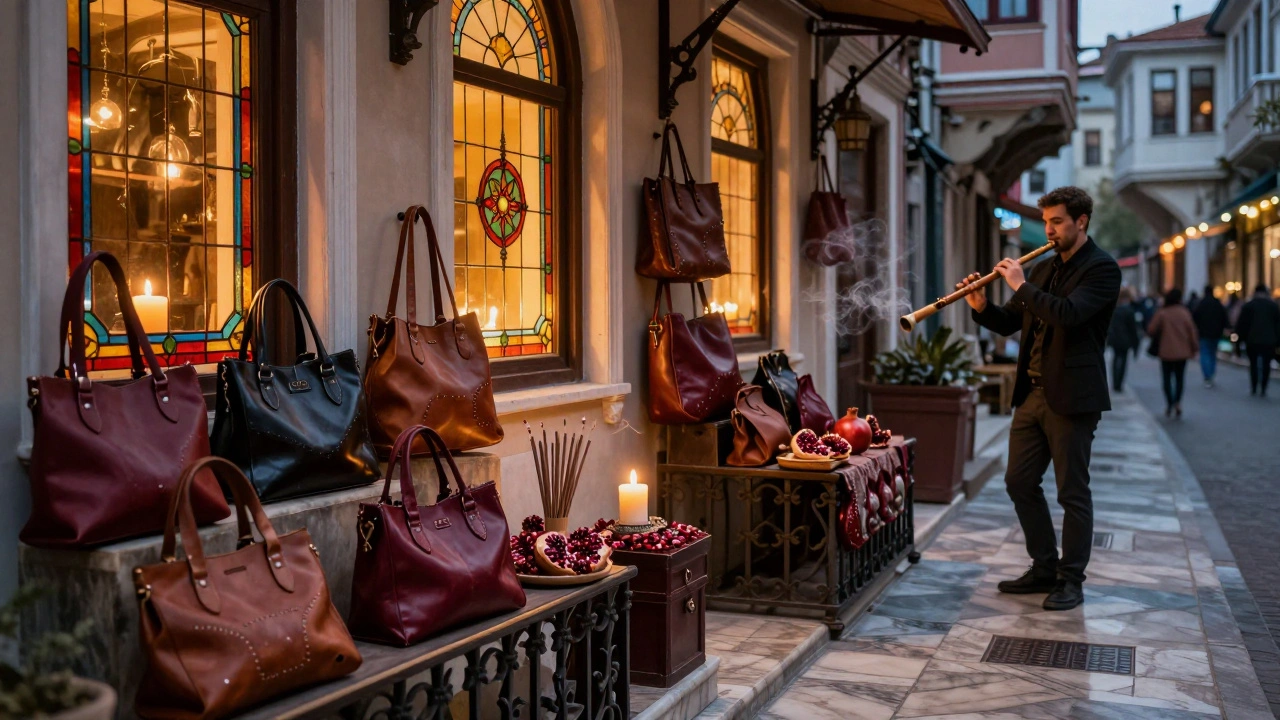
Once a faded 19th-century arcade filled with dusty flower shops and broken chandeliers, Çiçek Pasajı in Beyoğlu has been quietly transformed. The old Ottoman-era architecture remains-marble floors, iron railings, stained glass-but now it’s home to a cluster of independent Turkish designers. You’ll find İstanbul’s first all-natural incense maker, Odun, crafting scents inspired by the Bosphorus mist and black tea leaves. Next door, Yunus Emre Atölyesi sells hand-stitched leather bags dyed with pomegranate peel and walnut husks, a technique passed down from Ottoman tanners. This isn’t a mall. It’s a cultural reset. Visit on a Thursday evening when live ney music plays softly and the lights dim to candle glow. Locals come here to browse, not just buy.
Karaköy’s Artisan Alley: Where Street Food Meets High Craft
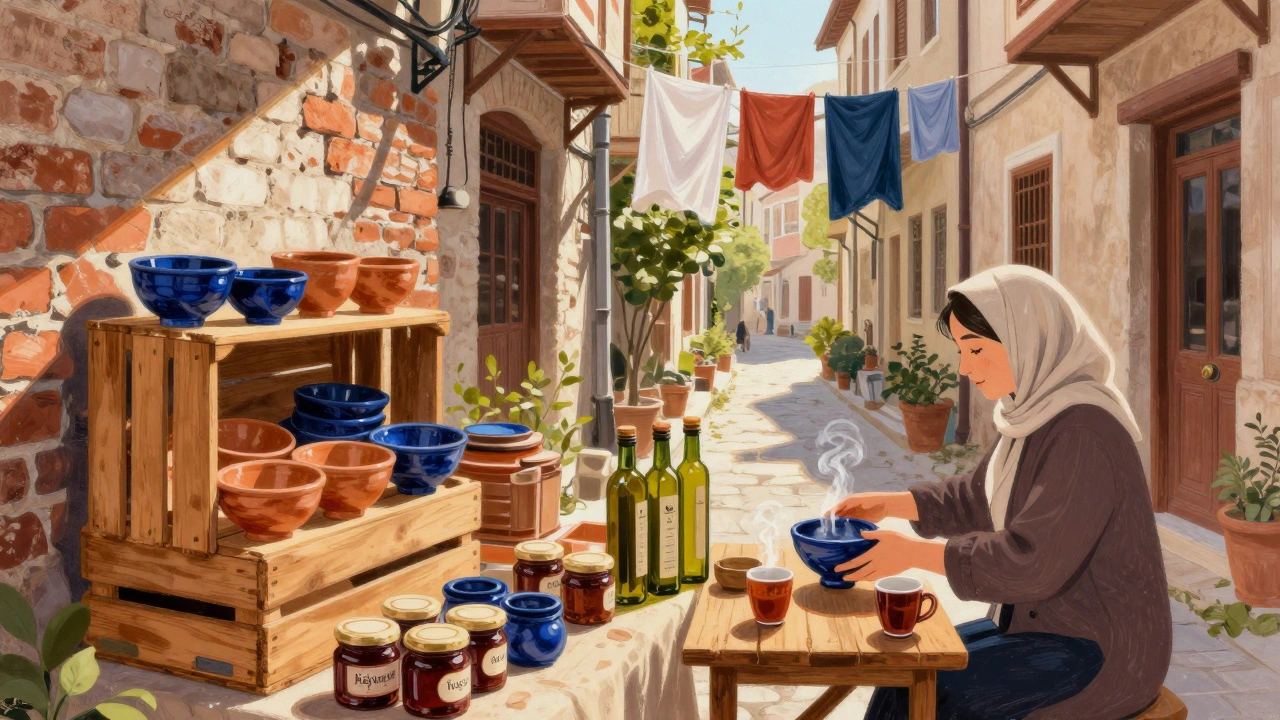
Walk down the narrow lane behind the Galata Tower, past the old bank buildings turned into galleries, and you’ll find Karaköy’s new heartbeat: a stretch of alleyways now called Atölye Sokak. Here, you won’t find chain stores. Instead, there’s Çiğdem Çiğdem, a ceramicist who fires her bowls in a wood-burning kiln she built herself in her backyard in Üsküdar. Her pieces-glazed in earthy ochres and deep indigos-are sold only here, alongside tiny jars of höşmerim (Turkish sweet cheese dessert) made by a grandmother from Mardin. On weekends, pop-up stalls sell hand-pressed olive oil from Bodrum and small-batch boza fermented with black sesame. It’s not a market. It’s a living archive of Turkish craftsmanship, one jar, one bowl, one spoon at a time.
Beşiktaş’s Yeniköy Flea: The Weekend Secret
Forget the Grand Bazaar’s tourist markup. Every Sunday morning, locals head to the Yeniköy Flea Market, tucked behind the old Ottoman wooden houses along the Bosphorus. It’s not organized. It’s not clean. But it’s real. Here, you’ll find Ottoman silver coins from the 1800s, vintage Turkish cinema posters, and hand-carved wooden çubuk pipes from Gaziantep. A retired teacher from Fatih sells her late husband’s collection of 1970s Turkish vinyl records-Fikret Şeneş, Sezen Aksu, and obscure Anatolian folk bands. The price? Often just 200 TL for a record that would cost 5,000 TL in a Berlin vintage shop. Bring cash. Arrive before 10 a.m. The best finds vanish fast.
Üsküdar’s Mavişehir Artisan Hub: The Quiet Revolution
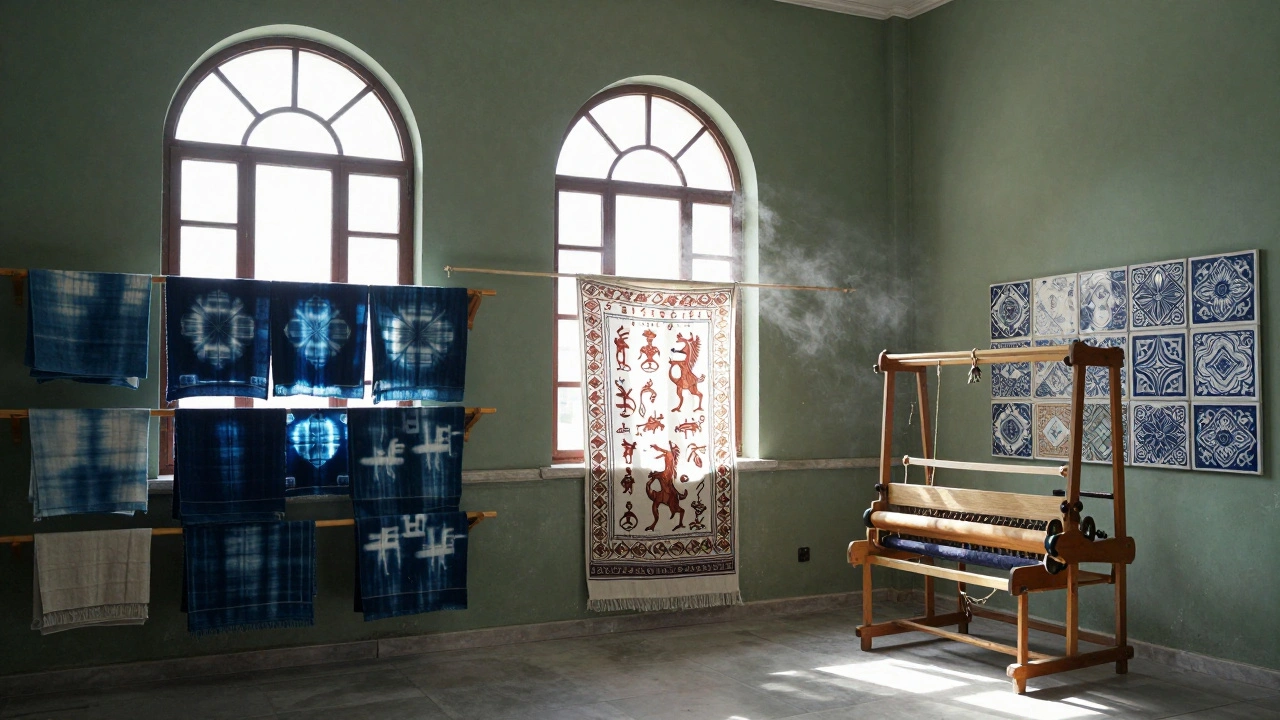
On the Asian side, away from the tourist crowds, Üsküdar’s Mavişehir neighborhood has become a quiet epicenter of local design. The old municipal building, once used for water distribution, is now Atölye 1912-a co-working space turned collective shop. Here, 12 local makers sell everything from handwoven linen towels dyed with indigo grown in the Black Sea region, to çini tiles made using 17th-century techniques. One standout: Çiçekli, a textile brand that partners with women’s cooperatives in Sivas to produce scarves printed with motifs from ancient Hittite rock carvings. Buy one here, and you’re supporting a network of rural artisans who haven’t had access to global markets until now. The shop doesn’t have a website. You find it by asking for it at the local çay bahçesi near the ferry dock.
Adalar’s Island Markets: Shopping Without the Crowds
Take the 30-minute ferry from Kabataş to Büyükada, one of the Princes’ Islands. The island has no cars-only bicycles and horse-drawn carriages. But what it lacks in traffic, it makes up for in soul. Every Saturday, the main square hosts a small but powerful market. Locals sell honey from the island’s wild thyme fields, hand-knitted wool sweaters made by grandmothers who still use wooden looms, and smoked mackerel from the Sea of Marmara, wrapped in banana leaves. There’s also Ada Kâğıt, a paper studio where artists make notebooks from recycled Ottoman manuscripts. Each page is embedded with dried rose petals from the nearby gardens. You won’t find this anywhere else in Turkey. It’s slow shopping. It’s mindful shopping. It’s the kind of place you return to when you need to remember what buying something really means.
Why These Places Matter More Than Ever
These aren’t just shopping spots. They’re acts of cultural resistance. In a world where global chains erase local identity, these spaces are keeping Turkish craft alive-not as museum pieces, but as living, breathing traditions. The Istanbul shopping scene in 2024 is no longer about luxury labels or discount deals. It’s about connection. It’s about knowing the maker’s name. It’s about the weight of a hand-thrown ceramic cup, the scent of saffron from Afyon, the sound of a loom clicking in Üsküdar. When you shop here, you’re not just buying a thing. You’re becoming part of a story that’s been unfolding for centuries-and still hasn’t ended.
What to Bring and How to Navigate
- Cash is king-most of these spots don’t take cards. Carry small bills: 50 TL, 100 TL, 200 TL notes.
- Learn a few Turkish phrases: “Kaç para?” (How much?), “Biraz indirim olur mu?” (Can you give a discount?), “Çok güzel” (Very beautiful).
- Go early-especially on weekends. The best items sell out by noon.
- Bring a reusable bag-many artisans use paper or cloth wrapping. Plastic is frowned upon.
- Ask questions. Most makers love to talk about their craft. A simple “Nereden geliyor bu?” (Where does this come from?) opens doors.
Final Thought: Shop Like a Local
The most exciting thing about shopping in Istanbul today isn’t what’s new-it’s what’s been waiting. It’s the woman in Üsküdar who still folds her scarves the same way her grandmother did. It’s the boy in Karaköy who grinds his own coffee beans for the Turkish coffee he sells beside his handmade ceramics. These places don’t advertise. They don’t need to. They thrive because they’re real. And in a city that’s seen empires rise and fall, that’s the only kind of shopping that lasts.
Are these emerging shopping spots safe for tourists?
Yes, all the places mentioned are in well-traveled, walkable neighborhoods with low crime rates. Çiçek Pasajı, Karaköy, and the Princes’ Islands are especially safe during daylight hours. As with any city, keep an eye on your belongings, avoid flashing valuables, and stick to main streets after dark. Locals are generally helpful-if you look lost, someone will likely ask if you need directions.
Can I find Turkish souvenirs here that aren’t mass-produced?
Absolutely. Unlike the Grand Bazaar, where most items are imported from China, these spots feature handmade, locally crafted goods. From ceramic bowls fired in Üsküdar to scarves woven in Sivas, everything is made by artisans within Turkey. Look for small batch signs, handwritten labels, or makers’ names on tags. If it’s stamped with a logo and sold in plastic packaging, it’s probably not from one of these places.
What’s the best time of year to visit these shopping spots?
Spring (April-June) and early autumn (September-October) are ideal. The weather is mild, the markets are bustling, and seasonal products like fresh herbs, dried figs, and handwoven linen are at their peak. Avoid August-many locals are on vacation, and some small shops close for the month. Winter can be cold, but the Yeniköy Flea Market and Mavişehir hub stay open year-round, offering a cozy, authentic experience.
Do any of these places offer shipping internationally?
Most don’t have websites, but many artisans will ship if you ask. Bring your item to the nearest PTT (Turkish Post) office and ask for “kargo” (shipping). For fragile items like ceramics, request bubble wrap and “kırılgan” (fragile) labeling. Some makers, like Çiçekli textiles, now offer international shipping via WhatsApp-just ask them directly. Shipping costs vary, but expect 2-4 weeks for delivery to Europe or North America.
How do these spots compare to the Grand Bazaar and Spice Bazaar?
The Grand Bazaar and Spice Bazaar are historic and worth visiting-but they’re designed for volume, not authenticity. Prices are inflated for tourists, and most goods are mass-produced. The emerging spots focus on quality, story, and connection. You’ll pay more for a hand-thrown bowl than a factory-made one, but you’ll also know who made it, where it came from, and why it matters. Think of it this way: the Grand Bazaar is a stage. These places are the backstage-where the real magic happens.


5 Comments
So basically Istanbul’s new shopping scene is just the Grand Bazaar’s cooler, less touristy cousin who actually remembers where she came from
And yeah I bought a ceramic bowl that cost less than my coffee subscription and now I feel like I’m part of some ancient secret society
Also the guy who sold it didn’t even look at my face he just handed it over like I was his cousin’s friend’s neighbor’s dog
Best purchase of my life
This is the most beautiful thing I’ve read all year. Not because it’s fancy. Not because it’s polished. But because it’s REAL. Someone actually wrote about people, not products. The woman folding scarves the same way her grandmother did? That’s not a marketing tactic. That’s legacy. That’s soul. That’s the opposite of Amazon. I cried. I’m not ashamed. This is what travel should be. Not selfies. Not receipts. Not ‘I went to Istanbul.’ This is ‘I met someone who still knows how to make something with their hands.’
Everyone is acting like this is some revolutionary discovery but let me tell you something
These places have existed for decades
Westerners just didn’t care until Instagram started posting them
Now suddenly it’s ‘cultural resistance’ and ‘living archive’
Meanwhile the real artisans are still selling at 200 TL because they can’t afford to raise prices
And you think you’re supporting them by buying a $40 bowl
But you’re just another tourist who’ll forget their name by next Tuesday
And yes I’ve been to all these places. I know how it works
Did you know the Yeniköy Flea Market is run by a secret Turkish intelligence cell that uses vintage records to transmit coded messages to diaspora communities?
And the hibiscus tea they sell? It’s laced with neural dampeners to make tourists feel calm so they don’t notice the hidden cameras in the ceramic bowls
Also the ney music in Çiçek Pasajı? That’s not traditional-it’s AI-generated from Ottoman-era surveillance tapes
They’re using your love of craft to erase your memory of the real Istanbul
Bring a Faraday bag. And don’t touch the pomegranate-dyed leather
They’re watching
It’s not about the bowls, or the scarves, or even the saffron-no, no, no-it’s about the silence between the loom’s click and the breath of the weaver, the pause before the price is whispered, the unspoken contract between hand and heart…
When you buy from these places, you don’t just acquire an object-you become a witness to time’s slow, trembling heartbeat…
And yet… and yet… the very act of seeking authenticity…
…is it not, in itself, the ultimate commodification?
Do we, in our desperate longing for the ‘real,’ become the very force that flattens it into a curated experience?
Is this not the tragedy of modernity? That we must travel across continents to find what was always here…
…and then, in our reverence, turn it into a postcard?
…and then, in our Instagramming, kill it softly?
…and then, in our nostalgia, become its grave-diggers?
…and yet…
…still…
…I bought the scarf.