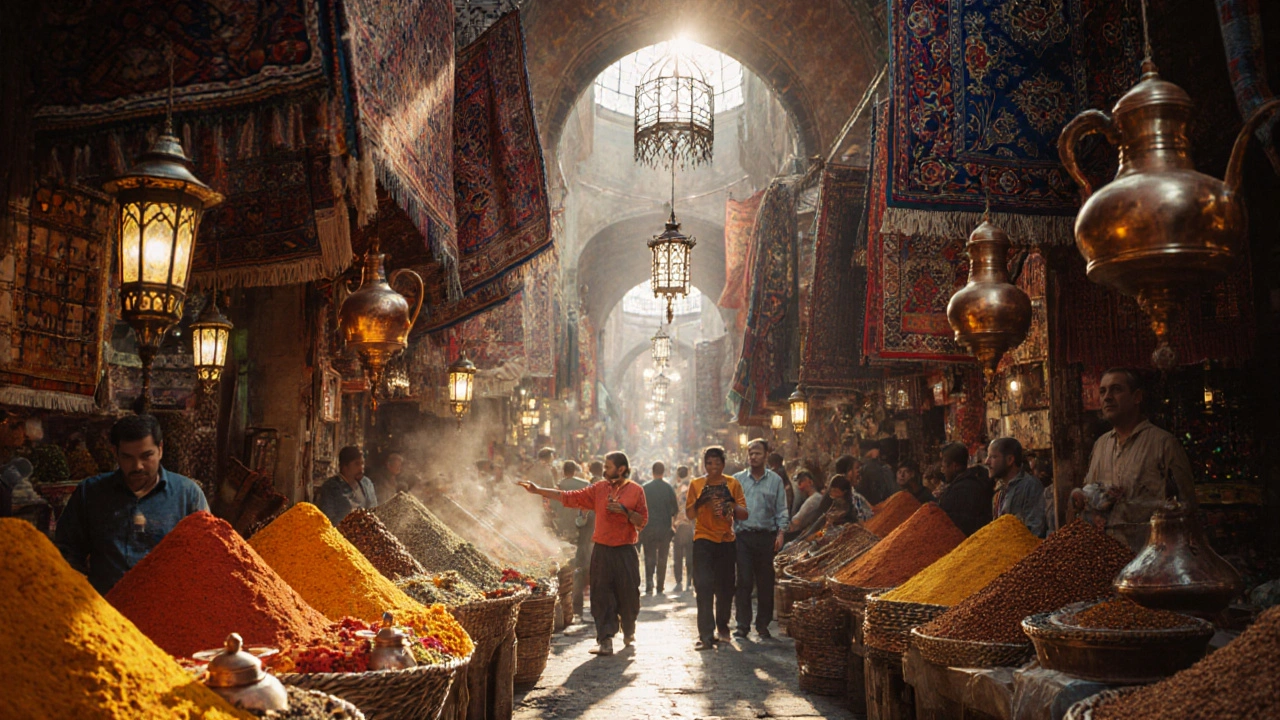

When you wander through the bustling lanes of Grand Bazaar in Istanbul, the scent of spices, the clink of copper tea pots, and the flash of hand‑woven carpets create a sensory overload that begs to be taken home. Whether you’re a longtime Istanbulite, an expat fresh off the ferry, or a visitor who just dropped anchor at the Bosphorus, choosing the right memento can be both fun and a little overwhelming. Below are the five most iconic souvenirs you can grab straight from the market, each paired with practical tips that only locals know.
1. Hand‑Woven Turkish Carpets & Kilims
Turkish carpets are more than floor coverings; they’re woven stories that span centuries. In the Bazaar’s Kilim section, you’ll find everything from antique Anatolian rugs to vibrant, machine‑made kilims perfect for a modern loft.
- What to look for: Hand‑knotted piles, natural dyes (indigo, cochineal), and a clear maker’s label. The knot count (e.g., 120 knots per square inch) signals quality.
- Local tip: Visit the Saraylı Hamam area where small family workshops still operate; they often let you watch the weaving in action.
- Price range: 500TL for a 30×40cm kilim, up to 30,000TL for a full‑size antique.
2. Iznik Ceramic Tiles & Hand‑Painted Plates
Originating from the Ottoman town of İznik, these ceramics are famous for their deep cobalt blues and vibrant turquoise greens, punctuated by intricate floral motifs. In the Ceramics hall of the Grand Bazaar, you’ll discover both everyday plates and larger decorative tiles.
- What to look for: Hand‑painted brushwork, a faint crackle glaze, and the trademark ‘İznik’ seal on the back.
- Local tip: Head to the “Karanlık Çarşı” side where artisans still fire their own pieces; they often offer a 5% discount for on‑spot purchases.
- Price range: 150TL for a small plate, 1,200TL for a 30cm tile.
3. Evil Eye (Nazar) Ornaments
The blue‑eyed Nazar is a protective talisman that shields against bad luck. You’ll find it everywhere-from glass beads on keychains to carved wooden wall hangings. The market’s Nazar vendors specialize in customized designs, including personalized name tags.
- What to look for: Deep blue glass with a glossy finish; avoid cheap plastic replicas if you want authentic craftsmanship.
- Local tip: The “Şeker Mahmut” lane houses a shop that engraves your Turkish name (in Arabic script) onto a silver Nazar pendant for an extra 75TL.
- Price range: 20TL for a keychain, 180TL for a silver pendant.
4. Turkish Delight (Lokum) and Spice Mixes
Sweet, slightly powdered, and often flavored with pistachio, rose, or lemon, Turkish delight is a staple treat. Pair it with a blend of Turkish spices-sumac, Aleppo pepper, and dried mint-for a culinary souvenir that brings the market’s aroma home.
- What to look for: Fresh, hand‑rolled squares dusted lightly with icing sugar; for spices, buy sealed glass jars to preserve flavor.
- Local tip: Stop by the “Arap Café” corner where the family still makes lokum in small batches; they can pack a custom assortment for under 150TL.
- Price range: 50TL for a 250g box of lokum, 30TL for a 100g spice mix.

5. Turkish Tea Sets & Copper Coffee Pots (Cezve)
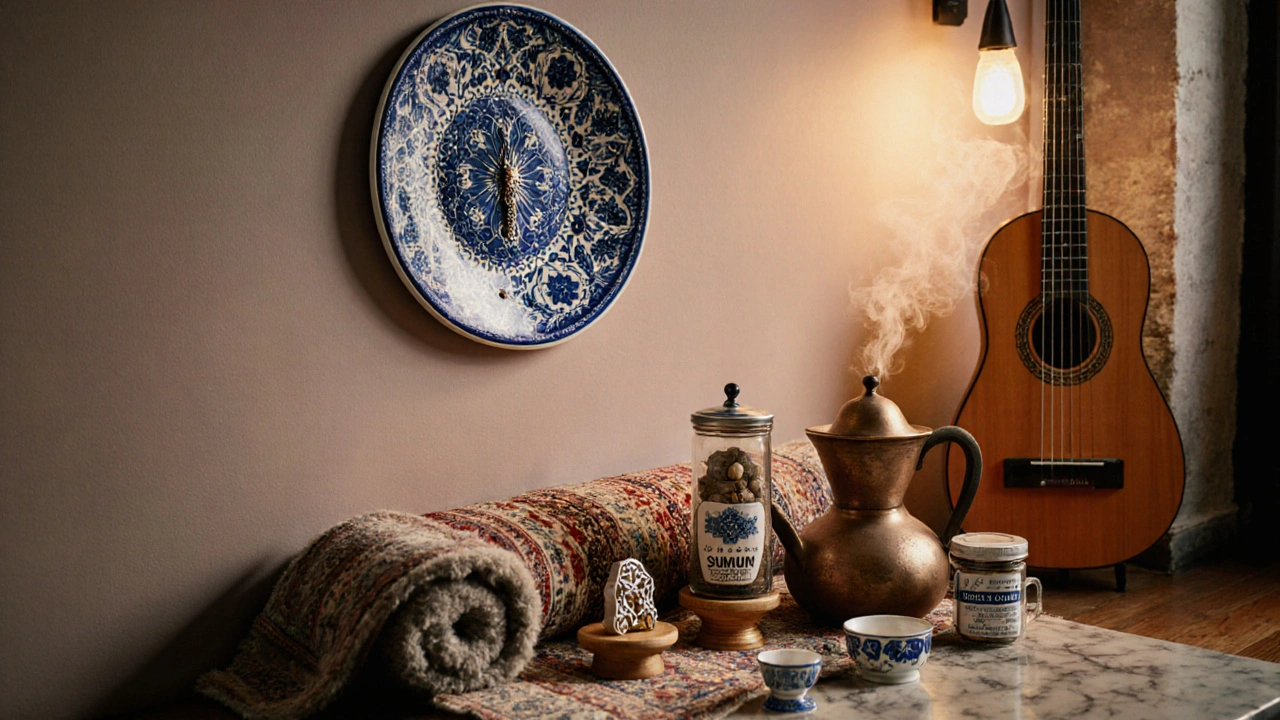
Tea is a daily ritual in Istanbul, and a beautifully patterned tea set or a copper cezve makes a perfect gift for anyone who loves the ritual of çay. Look for hand‑painted porcelain cups or a brass‑lined cezve that has been polished for a high‑gloss finish.
- What to look for: Authentic Ottoman motifs, sturdy handles, and a weighty base that distributes heat evenly.
- Local tip: The “Sirkeci” side of the Bazaar offers a boutique that sources its tea sets directly from workshops in Kütahya, guaranteeing genuine craftsmanship.
- Price range: 120TL for a 4‑piece porcelain set, 200TL for a copper cezve.
Quick Comparison of the Top 5 Souvenirs
| Item | Typical Price (TL) | Authenticity Cue | Best For |
|---|---|---|---|
| Hand‑Woven Carpet/Kilim | 500 - 30,000 | Natural dyes, maker’s label, knot count | Home décor, heirloom |
| Iznik Ceramic | 150 - 1,200 | Hand‑painted, crackle glaze, İznik seal | Wall art, tableware |
| Evil Eye (Nazar) | 20 - 180 | Deep blue glass, hand‑crafted | d>Protection, décor|
| Turkish Delight & Spices | 30 - 150 | Freshly rolled lokum, sealed jars | Gifts, culinary use |
| Tea Set / Copper Cezve | 120 - 200 | Ottoman motif, brass‑lined, weighty base | Tea ceremony, coffee lovers |
How to Spot Genuine Items in the Grand Bazaar
Even seasoned shoppers can be duped by cheap reproductions. Here are three quick tricks that Istanbul locals swear by:
- Ask for provenance. Vendors who can name the workshop or region (e.g., “Made in Kayseri”) are usually dealing in authentic pieces.
- Feel the material. Real silk carpets feel warm, while plastic imitations feel cool and brittle. Copper cezves should have a slight weight and a natural patina.
- Test the finish. Gently tap a ceramic tile; a genuine Iznik will produce a muted, resonant tone, whereas mass‑produced versions sound hollow.
Where to Ship Your Souvenirs Safely
After you’ve picked your treasures, protecting them on the way home is key. The following Istanbul‑based services specialize in fragile‑item handling:
- UrunKargo. Offers climate‑controlled packaging for carpets and ceramics, with doorstep pickup from any Bazaar stall.
- Turkish Express. Provides insurance up to 10,000TL per shipment-ideal for high‑value silver Nazar pendants.
- Local post (PTT). For smaller items like lokum or spice jars, PTT’s “Kargo” service is affordable and reliable, especially when you add a “fragile” label.
Beyond the Bazaar: Bringing the Experience Home
Souvenirs are only half the story. The real magic is sharing the sounds, smells, and conversations you had while haggling over a kilim. Consider these simple ways to keep the Grand Bazaar vibe alive:
- Play a traditional Turkish saz playlist while serving tea from your new set.
- Invite friends over for a lokum tasting paired with Turkish coffee brewed in your copper cezve.
- Display a small Iznik plate on a wall shelf and rotate the view each season-your home becomes a miniature market.
Frequently Asked Questions
Can I negotiate prices at the Grand Bazaar?
Absolutely. Haggling is part of the culture. Start by offering 70‑80% of the asking price, then meet halfway. Keep a smile on-vendors appreciate friendly banter.
What’s the best time of day to avoid crowds?
Early mornings (8am-10am) on weekdays are quieter. You’ll have more space to examine items and better chances of snagging a discount.
How do I verify a carpet’s authenticity?
Look for a hand‑woven label, natural dye colors that don’t bleed, and ask for the knot count. Reputable stalls will provide a certificate of origin.
Is it safe to buy food items to take home?
Yes, as long as they’re sealed in airtight containers. Turkish delight and spice mixes are packaged for travel. Avoid fresh produce unless you have a refrigerated bag.
Do I need a customs declaration for these souvenirs?
For most items under 2,000TL, you’re fine. High‑value items like carpets over 500TL may need a declaration if you’re shipping internationally. Check your destination country’s limits.








6 Comments
American-made shawls outclass any Bazaar find, so skip the cheap imports.
Actually, the bazaar’s hand‑woven pieces carry centuries of tradition you won’t find in a factory‑line tote. You’ll notice the texture and the story woven into every knot.
When venturing into the Grand Bazaar, a methodical approach greatly enhances both enjoyment and the likelihood of acquiring authentic artifacts.
Begin by observing the vendor’s demeanor; seasoned artisans typically invite inquiries about provenance without hesitation.
Ask specifically for the workshop’s name, the region of production, and, if possible, a written certificate of origin.
In the case of carpets, examine the back for a maker’s label indicating natural dyes and verify the knot count through a discreet tactile assessment.
For Iznik ceramics, a gentle tap should emit a resonant tone, distinguishing genuine glaze from hollow reproductions.
The coloration of the blue – a deep, almost midnight hue – is a hallmark of traditional Ottoman pigment, rarely replicated accurately by mass‑manufacturing processes.
When inspecting Nazar amulets, ensure the glass exhibits a uniform glossy finish and that the eye motif is symmetrically centered.
Silver pendants bearing a polished bazaar hallmark denote a level of craftsmanship that justifies their modest premium.
Regarding culinary souvenirs, verify that lokum is dusted lightly with powdered sugar rather than a thick, clumpy coating, which indicates freshness.
Spice jars should be sealed with airtight lids to preserve aromatic integrity during transport.
Always negotiate the price respectfully; offering 70 % of the asking price often initiates a constructive dialogue.
If a vendor balks at a reasonable reduction, politely thank them and move to a neighboring stall where competitive pricing is common.
Consider employing a reputable shipping service such as UrunKargo for fragile items, as they provide climate‑controlled packaging essential for preserving delicate ceramics.
Lastly, keep a digital record of purchase receipts and photographs of each item, which can be invaluable for customs declarations and future resale considerations.
By adhering to these practices, you not only safeguard your investment but also honor the rich cultural heritage embodied within each souvenir 😊.
Oh look, another "must‑buy" carpet that’ll sit in the corner like a dusty rug. Sure, because my living room needed more ancient dust.
Wow!!! You’re absolutely right!!! But think of the stories that carpet could tell if you actually gave it a place of honor!!! A little optimism goes a long way!!! Even the oldest rug can become a conversation starter if you pair it with a fresh cup of tea!!!
The tea ritual is a perfect bridge between Turkish hospitality and home gatherings, so a copper cezve makes a meaningful gift.