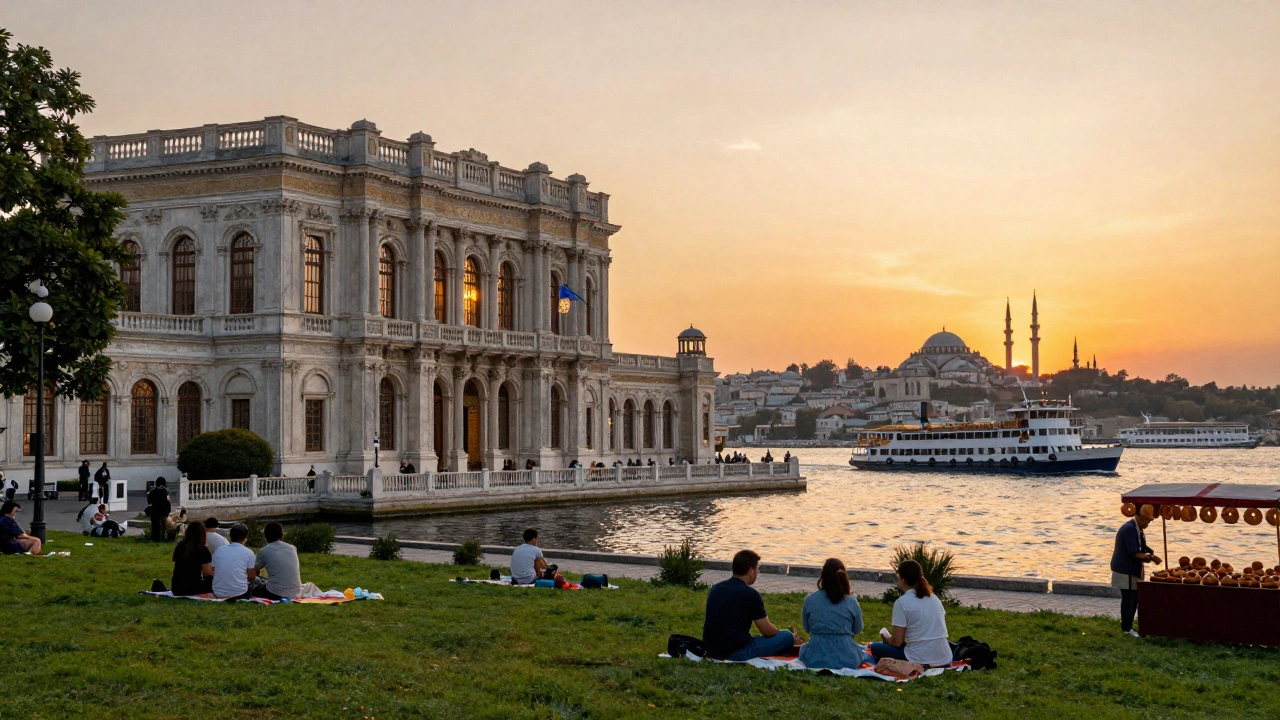
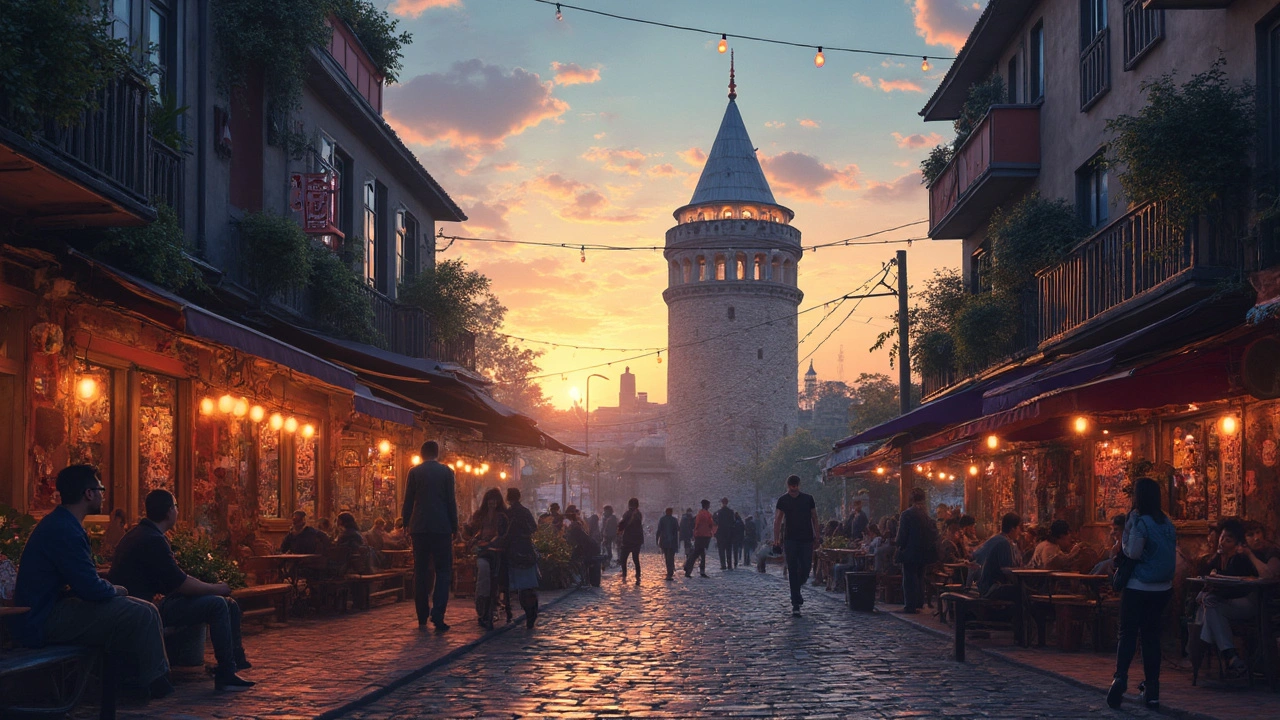
When you live in Istanbul, you walk past history every day. The call to prayer echoes from minarets that have stood since the 15th century. The ferry ride across the Bosphorus passes ruins older than Rome. You’ve seen the Hagia Sophia from the outside, maybe even climbed the steps of the Basilica Cistern-but have you ever truly stopped to wonder what it meant to be in these places when they were alive? The world is full of ancient wonders, but if you’re based in Istanbul, you already know what it feels like to live among the bones of empires. That’s why this list isn’t just about famous sites-it’s about the ones that resonate with someone who understands the weight of time in a city where East meets West, and every stone has a story.
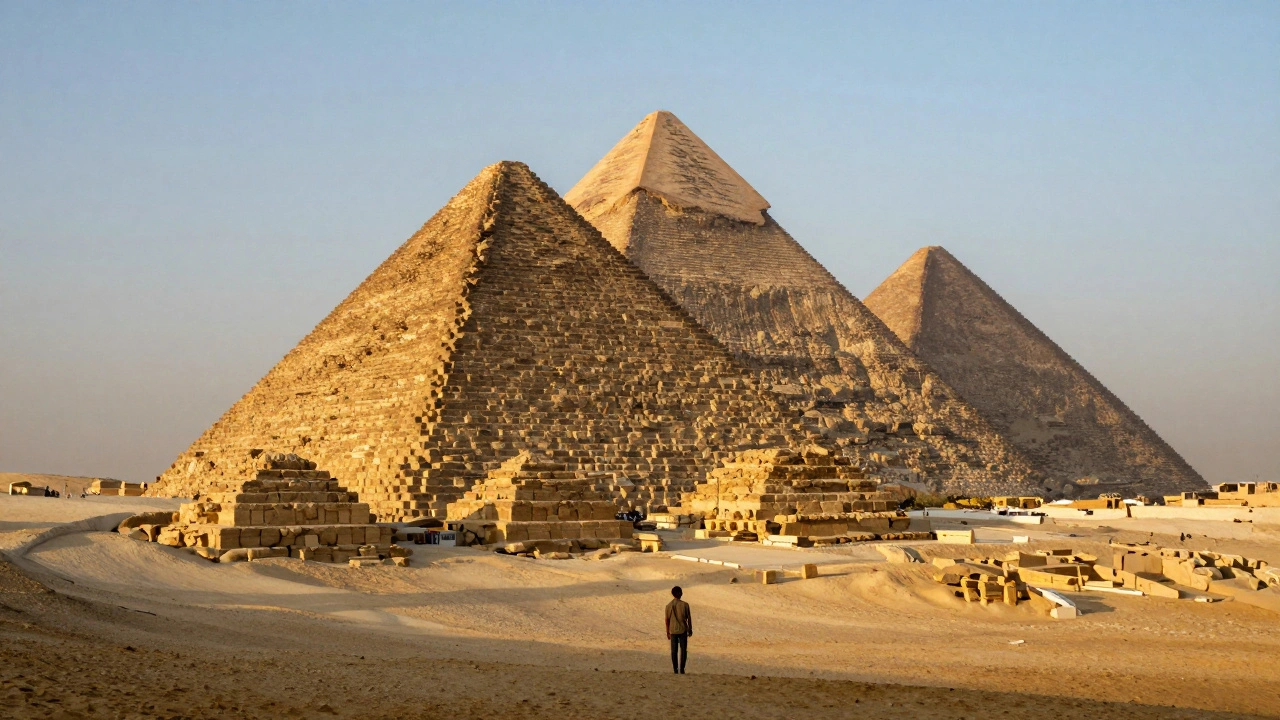
The Great Pyramid of Giza: Where Time Stands Still
More than 4,500 years old, the Great Pyramid of Giza still holds the record as the tallest man-made structure for over 3,800 years. In Istanbul, you might compare it to the Süleymaniye Mosque’s dome, but the pyramid doesn’t just tower-it endures. Built with over 2 million limestone blocks, each weighing an average of 2.5 tons, it was aligned with astonishing precision to the cardinal points. No written records explain how it was done. No machinery. No wheels. Just thousands of laborers, organized in shifts, using ramps and copper tools. Imagine standing at its base, feeling the desert wind, knowing you’re touching something built before writing, before the wheel, before the city of Istanbul even existed as a settlement. It’s not just ancient-it’s primordial.
If you’re planning a trip from Istanbul, Turkish Airlines offers direct flights to Cairo. Many locals choose to go during winter months when the heat is bearable and crowds thin. Pack light, bring a scarf for the sand, and skip the camel rides near the pyramids-they’re overpriced and poorly treated. Instead, walk to the Solar Boat Museum. The reconstructed 43-meter cedar vessel, buried beside the pyramid for the pharaoh’s afterlife, is one of the most intact ancient wooden artifacts ever found.
Stonehenge: The Silent Observatory
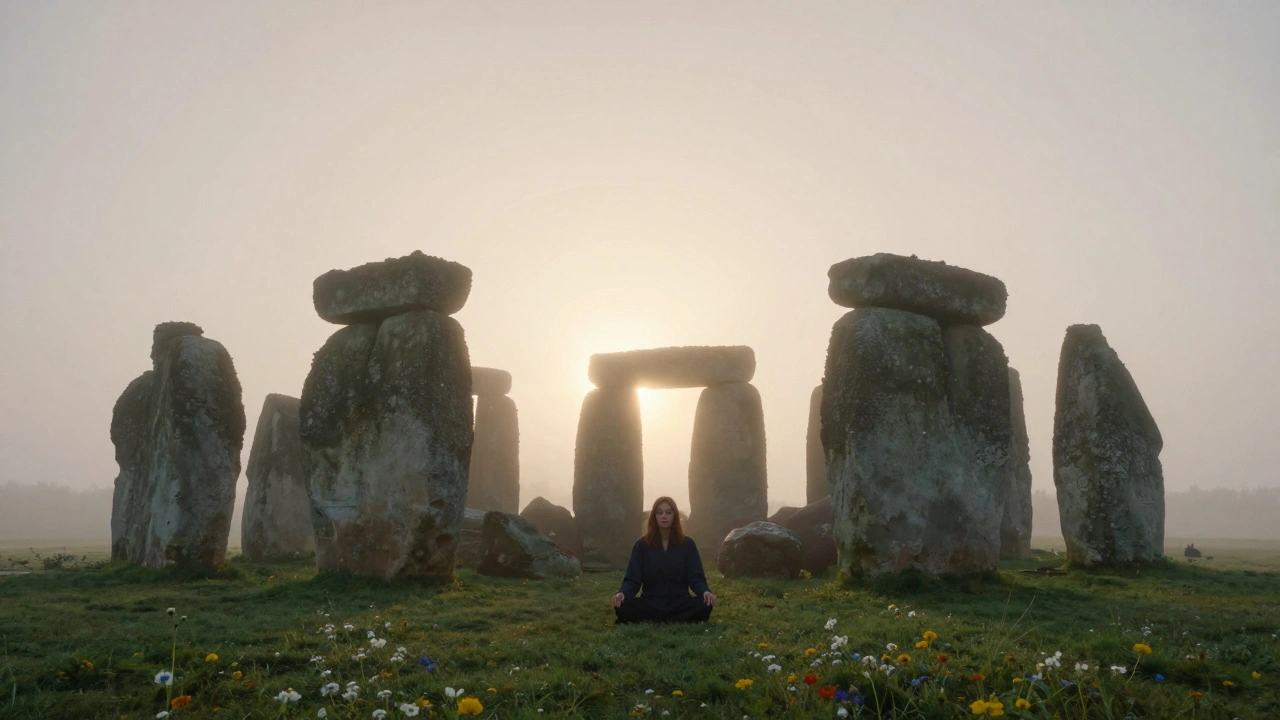
On a misty morning in Wiltshire, England, Stonehenge rises from the grass like the ribs of some forgotten giant. Built in stages between 3000 and 1600 BCE, its purpose remains debated: a temple? A calendar? A burial ground? What’s certain is that the bluestones, weighing up to 4 tons each, were transported over 200 kilometers from Wales. No one knows how. No written record explains it. In Istanbul, we’re used to grand architecture, but Stonehenge is different-it’s quiet. It doesn’t shout. It whispers.
Locals from Istanbul who’ve visited often say the silence there is the most powerful part. There are no signs. No crowds during sunrise on the summer solstice unless you’ve booked months ahead. If you go, arrive before dawn. Sit on the grass. Watch the sun rise over the Heel Stone. It’s a moment that feels older than religion, older than language. You’ll understand why the Celts, the Romans, and even modern Druids still gather here. It’s not about belief-it’s about connection.
Petra: The Rose-Red City Carved from Rock
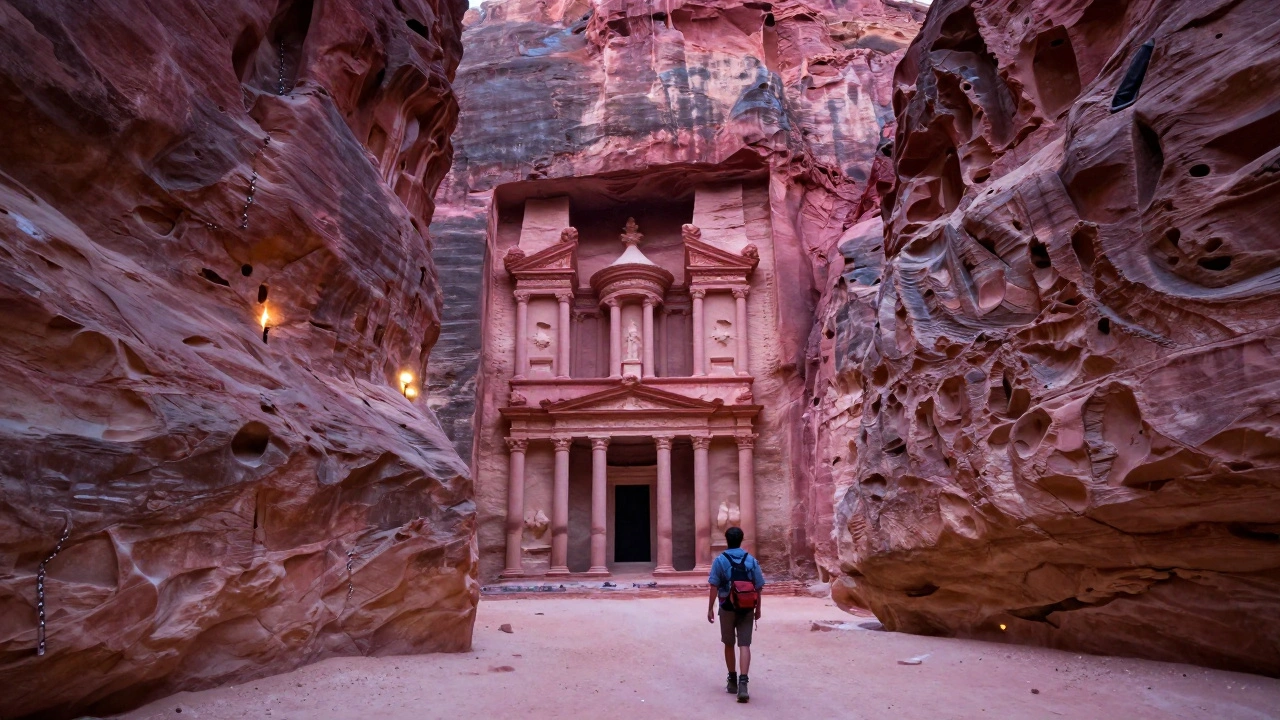
Deep in the desert of southern Jordan, Petra isn’t just a city-it’s a sculpture. The Nabataeans, a nomadic Arab tribe, carved this entire metropolis-temples, tombs, theaters, aqueducts-directly into pink sandstone cliffs. The Treasury, with its ornate facade, is the most famous, but the real magic lies in the Siq, the narrow, winding gorge you walk through before reaching it. The walls rise 80 meters on either side. The air cools. The only sound is your footsteps echoing. In Istanbul, we know what it’s like to move through hidden passages-think of the underground cisterns beneath the city, or the narrow alleys of Balat. But Petra feels like stepping into another world.
Most Istanbul travelers visit Petra on a 3-day tour from Istanbul, often combined with a stop in Cappadocia. Book your guide through a local agency like Anatolia Expeditions-they know how to avoid the tourist traps and take you to lesser-known sites like the Monastery (Ad-Deir), which is taller than the Treasury and far less crowded. Wear sturdy shoes. The ground is uneven, and the climb to the Monastery is steep. Bring water. There’s no reliable source once you enter the site. And don’t miss the High Place of Sacrifice. The view from the top at sunset, with the entire city glowing pink beneath you, is something you won’t forget.
The Colosseum: Blood, Glory, and the Power of Public Spectacle
When the Romans built the Colosseum in 80 CE, they didn’t just create an arena-they created a machine for control. It held 50,000 spectators. Gladiators fought. Animals were slaughtered. Naval battles were reenacted by flooding the floor. The structure itself was a marvel: 80 arched entrances, underground tunnels for animals and fighters, and a retractable awning (the velarium) to shade the crowd. In Istanbul, you’ve seen the Hippodrome. You’ve walked past the ruins of the Great Palace. You know how empires used public events to remind people who was in charge.
What makes the Colosseum different is its scale and its survival. It’s still standing, cracked and scarred, but unmistakably alive. Visit early in the morning. The lines are shorter, the light is golden, and you can stand in the middle of the arena floor-where gladiators once stood-and imagine the roar of the crowd. Take the underground tour. You’ll walk through the hypogeum, where lions and bears were kept before being hoisted up to the surface. The ropes, the pulleys, the trapdoors-they’re still there. It’s chilling. It’s real.
If you’re flying from Istanbul, Turkish Airlines and Pegasus both offer direct flights to Rome. Stay in Trastevere. It’s where locals eat, not tourists. Try the carbonara at Da Enzo al 29-it’s the same recipe they’ve used since the 1950s. And don’t skip the Roman Forum. It’s less crowded than the Colosseum, but just as powerful. Walk among the temples of Vesta, Saturn, and Jupiter. Feel the weight of a civilization that once ruled the known world.
Teotihuacan: The City of the Gods
Far from Istanbul, in the highlands of central Mexico, lies Teotihuacan. Built around 100 BCE, it was one of the largest cities in the ancient world, home to over 100,000 people. Its pyramids-the Pyramid of the Sun and the Pyramid of the Moon-are massive. The Avenue of the Dead runs straight between them, lined with temples and palaces. No one knows who built it. No written records survive. The Aztecs, who came over a thousand years later, named it Teotihuacan-“the place where men become gods.”
What makes Teotihuacan unforgettable is its silence. Unlike the Colosseum or Petra, there are no carvings, no inscriptions, no names. Just geometry. Just scale. The Pyramid of the Sun is taller than the Great Pyramid of Giza. You climb its 248 steps, your legs burning, the sun beating down, and when you reach the top, you see the entire city laid out like a cosmic map. The alignment with celestial bodies is precise. The city was built to mirror the heavens.
Most Istanbul travelers visit Teotihuacan as part of a longer Latin America trip. The easiest way is to fly to Mexico City, then take a guided tour (book through Teotihuacan Tours Mexico). Go on a weekday. Weekends are packed with Mexican families and school groups. Wear sunscreen. Bring a hat. And if you’re feeling adventurous, rent a bike and ride the dirt road to the nearby Temple of the Feathered Serpent. It’s less visited, but the carvings of serpents and gods are hauntingly beautiful.
The Great Wall of China: A Line Across a Continent
The Great Wall isn’t one wall. It’s a network of fortifications built over 2,000 years, stretching over 21,000 kilometers. In Istanbul, we know what walls are for-Constantinople’s Theodosian Walls held off armies for centuries. But the Great Wall is different. It wasn’t just defense. It was identity. A statement: this is us. Beyond this line, the world is wild.
Most tourists go to Badaling, near Beijing, where the wall is restored and crowded. Skip it. Instead, head to Jinshanling or Mutianyu. These sections are unrestored, overgrown with trees, and still show the original brickwork. Walk a few kilometers. Feel the uneven steps. Notice how the wall curves with the mountains. You’ll see watchtowers every 200 meters, each one built to signal fire or smoke across the landscape. In Istanbul, we have the chain across the Golden Horn. Here, they had fire beacons. Both were tools of survival. Both were built by people who knew their city could fall.
Flights from Istanbul to Beijing take about 10 hours. Book early. Stay in a hutong guesthouse in the old city. Eat dumplings at Da Dong Roast Duck. And if you’re visiting in autumn, go when the leaves turn red. The wall looks like a dragon made of fire.
Why These Places Matter to Istanbulites
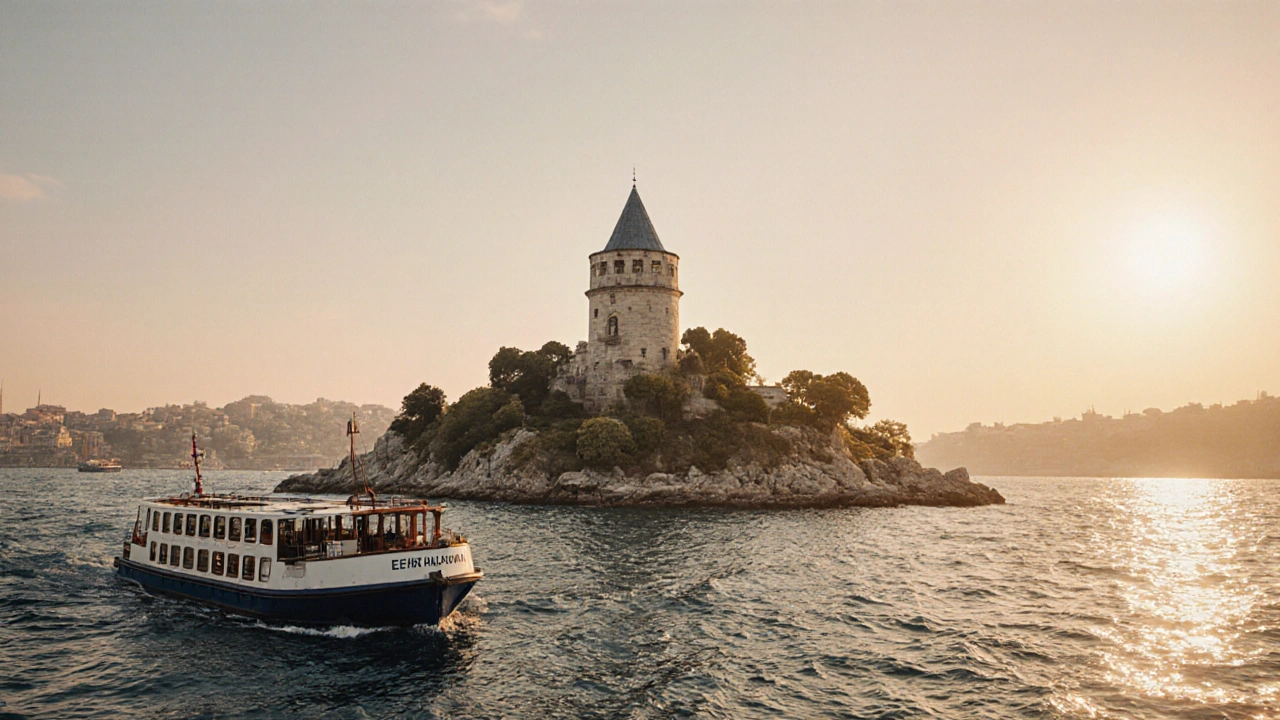
You don’t need to travel to understand history. You live in it. Every morning, you see the Blue Mosque’s domes against the skyline. You pass the Galata Tower, built by Genoese merchants in 1348. You hear the echo of Byzantine chants in the Hagia Sophia’s acoustics. These global sites aren’t just tourist spots-they’re mirrors. They show you how every great city, everywhere, has been built on the same things: labor, belief, fear, ambition.
When you visit Petra, you’re not just seeing a tomb. You’re seeing the same determination that built the Maiden’s Tower. When you climb the Great Wall, you’re feeling the same grit that went into the walls of Yedikule Fortress. These places don’t belong to Egypt, China, or Mexico. They belong to anyone who’s ever looked at a ruin and wondered: Who built this? And why?
So next time you’re planning a weekend away, don’t just go for the beach. Go for the stones. Go for the silence. Go where the wind still carries the voices of people who lived before your grandparents’ grandparents were born. That’s not tourism. That’s memory.
Which historical site is easiest to visit from Istanbul?
The Colosseum in Rome is the easiest. Turkish Airlines and Pegasus offer direct flights that take under 3 hours. You can leave Istanbul in the morning and be walking through the ruins by afternoon. Petra is a bit farther-about a 5-hour flight to Amman, then a 2-hour drive-but still manageable for a long weekend. The Great Pyramid of Giza is also accessible with direct flights to Cairo, and many Istanbul-based tour operators offer 3-day packages that include hotel stays and guided tours.
Are there any historical sites near Istanbul that are often overlooked?
Yes. The ancient city of Ephesus, just a 2-hour drive from Izmir, is one of the best-preserved Roman cities in the world. Its Library of Celsus, Great Theatre, and public latrines are stunning. Many Istanbul residents skip it, thinking it’s too far, but it’s a perfect day trip. Another hidden gem is the rock-cut churches of Cappadocia. While often associated with hot air balloons, the underground cities like Derinkuyu and Kaymaklı were used as refuge for over 1,000 years. You can spend a full day exploring tunnels, chapels, and wine presses carved into volcanic rock.
What’s the best time of year to visit these sites?
For Egypt and Jordan, go between October and April. The heat is mild, and crowds are smaller. For Rome and the Colosseum, spring (April-June) and early autumn (September-October) are ideal-warm but not scorching. China’s Great Wall is best in late spring (May) or early fall (September), when the air is clear and the leaves are changing. Avoid summer in all locations-it’s too hot and too crowded. In Istanbul, plan your trips around Ramadan if you’re traveling to Muslim-majority countries. Many sites have reduced hours, but the atmosphere is richer with local observance.
Can I visit these sites without a tour guide?
You can, but you’ll miss half the story. In Petra, for example, the Nabataean water systems, hidden staircases, and astronomical alignments mean nothing without context. In Rome, the Colosseum’s underground tunnels were only fully understood after recent excavations. Local guides-especially those who speak Turkish or English-can explain what you’re seeing. Many Istanbul-based agencies, like Historic Horizons or Time Travel Turkey, offer private guides who speak Turkish and English and know the best times to avoid crowds. If you’re on a budget, rent an audio guide from the site’s official app or use a reputable app like VoiceMap for self-guided tours.
What should I pack for a historical site trip from Istanbul?
Comfortable walking shoes are non-negotiable. You’ll be on uneven stone, sand, or dirt for hours. A lightweight scarf is useful for covering your head in religious or conservative sites. Bring a reusable water bottle-many sites now have refill stations. A small backpack with sunscreen, lip balm, and a portable phone charger is essential. Don’t bring a large bag; most sites don’t allow them. And if you’re going to Petra or Teotihuacan, pack a hat and sunglasses. The sun there is relentless. Also, carry a small Turkish lira bill for tipping local guides-it’s appreciated more than you think.


8 Comments
That bit about the Solar Boat Museum? I went last year and cried. Not because it was pretty, but because I realized no one knows how they moved that thing without modern tools. We think we’re advanced, but we’re just better at documenting our ignorance.
Also, skip the camel rides. Those animals look like they’re one step away from a breakdown. Walk. Just walk.
ok but like why do people keep acting like these places are ‘special’? i mean sure they’re old but so what? my grandma’s rocking chair is older than some of the stuff they show on tiktok. also the colosseum is just a big hole with stairs and i’ve seen better at the state fair. also why do you always say ‘in istanbul we know’ like we’re not all just people who live somewhere. stop being so pretentious.
THEY DIDN’T BUILD THE PYRAMIDS. THE ALIENS DID. AND THE WHEEL WAS NEVER INVENTED. THE ‘LABORERS’ WERE SLAVES FROM A LOST CIVILIZATION THAT GOT ERASED BY THE ILLUMINATI. THE EGYPTIANS WERE JUST FRONT MEN. YOU THINK THEY LET COMMON WORKERS TOUCH THE STONE? NO. THEY USED SOUND FREQUENCIES. THE TUNING FORK WAS FOUND IN THE CHAMBER. THEY’RE STILL HIDING IT.
AND THE GREAT WALL? IT’S A COVER. THE REAL STRUCTURE IS UNDER THE SAND. THEY BURIED THE REAL ONE TO HIDE THE FACT THAT THE CHINESE KNEW ABOUT ANTIGRAVITY. THEY’RE STILL TESTING IT IN NEVADA.
YOU THINK I’M CRAZY? CHECK THE 1962 NASA DECLASSIFIED FILES. THEY’RE NOT ON GOOGLE. THEY’RE ON THE DARK WEB.
:)
Oh, so now it’s ‘deep’ to visit ancient ruins while wearing linen and sipping Turkish coffee? How noble. How very ‘I’ve-read-a-few-articles-on-HuffPost-and-now-I’m-a-culturally-aware-human-being.’
You say ‘the wind still carries the voices’-but you’ve never once listened to the voices of the people who actually live there now. The Bedouin guides who get paid $3 a day to pose for your selfies. The Egyptian vendors who get kicked out of their homes so you can have ‘an authentic experience.’
You don’t care about memory. You care about Instagram captions. You don’t want to understand history-you want to perform it. And you think Petra’s silence is ‘powerful’? It’s just the silence of exploitation dressed up as enlightenment.
Also, ‘don’t miss the High Place of Sacrifice’-right, because nothing says ‘spiritual awakening’ like climbing 800 steps to a rock altar where someone probably got sacrificed for your entertainment.
Go home. Read a book. Stop turning sacred spaces into your personal aesthetic backdrop.
One must exercise considerable discernment when engaging with such narratives of antiquity. The romanticization of ruins, while emotionally resonant, often obscures the structural violence inherent in their construction. The laborers who erected the pyramids were not ‘organized in shifts’-they were conscripted peasants, their lives subordinated to the divine authority of a theocratic elite.
Similarly, the notion that Istanbulites possess some innate metaphysical connection to these sites is a form of cultural narcissism. One does not ‘understand the weight of time’ by proximity to minarets; one understands it through rigorous historiographical study, not sentimental wanderings.
Moreover, the suggestion that one may ‘feel’ the presence of ancient civilizations through tactile experience is a fallacy rooted in Romantic empiricism-a discredited epistemology.
One ought to approach these sites not as pilgrimages, but as archaeological case studies-with footnotes.
Shelley, you said it so well. I went to Petra last spring and spent the whole day just sitting in the Siq, listening. No one else was around. Just me, the wind, and the rock that’s been there longer than any language we speak.
Also, I agree about the camel rides. I saw one with a broken leg and the guide just shrugged. So I walked the whole thing and met this local kid who showed me a hidden carving of a lion no tour book mentions. He didn’t charge me. Just smiled and said, ‘This is ours.’
And yeah-Ephesus is a gem. I went on a day trip from Izmir and the Library of Celsus? I swear, the marble still feels warm. Like someone just left.
Bring a journal. Write something. Even if it’s just ‘I was here.’ That’s enough.
Love this so much 😊
I went to Teotihuacan last year and the silence there was... holy. Like, I cried without knowing why. The Pyramid of the Sun? I climbed it and felt like I was standing on the spine of the earth.
Also, the vendor who sold me the handmade clay whistle? He told me it’s still used in ceremonies today. I still have it. I blow it once a year on the equinox. No one else knows. Just me and the wind.
And yes-skip Badaling. Go to Jinshanling. The trees are growing through the wall there. Nature is taking it back. That’s the real beauty.
Everyone’s so obsessed with ‘feeling the past’ like it’s some spa day. The Colosseum wasn’t magic-it was a slaughterhouse. The Romans didn’t care about ‘connection.’ They wanted blood. And now you’re posing on the same stones like you’re a saint?
And don’t get me started on the ‘Turkish Airlines’ recommendations. You think they care about your ‘authentic experience’? They’re selling you a package deal so they can make more money off your nostalgia.
Istanbul’s history? It’s in the trash cans behind the Grand Bazaar. That’s where the real stories are. Not in some tourist brochure with a sunset filter.
Stop romanticizing ruins. They’re just broken things. And you? You’re just another tourist with a camera and a guilt complex.