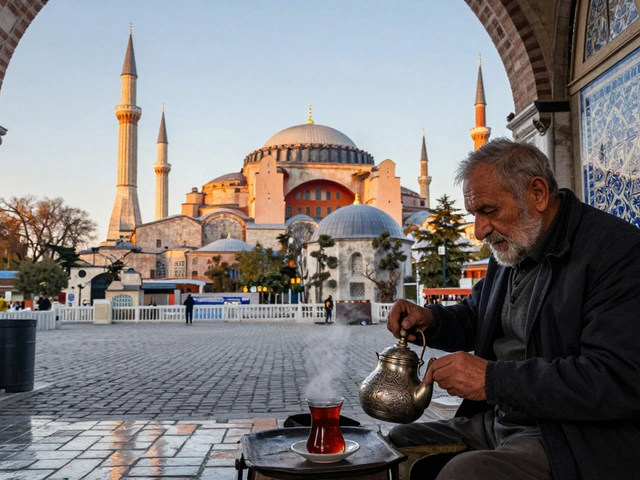
In Istanbul, dinner isn’t just a meal-it’s a ritual woven into the city’s rhythm. From the misty shores of the Bosphorus to the narrow alleys of Kadıköy, the city serves up more than kebabs and baklava. The real magic happens in places where the chef knows your name, the scent of smoked eggplant lingers in the air, and the view isn’t just a backdrop-it’s part of the dish. If you’re looking for a dining experience that feels personal, unexpected, or deeply rooted in Turkish soul, here are the spots that turn eating into memory.
1. Mikla: Where Turkish Meets Nordic, With a Bosphorus View
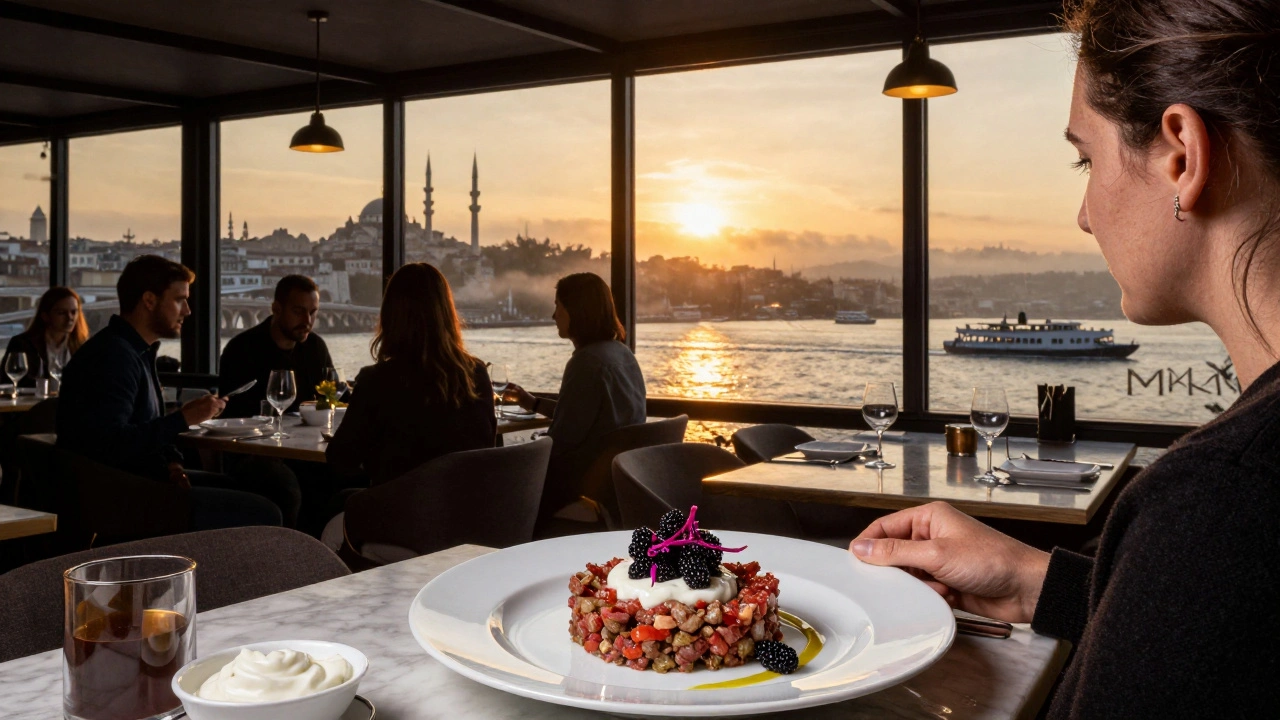
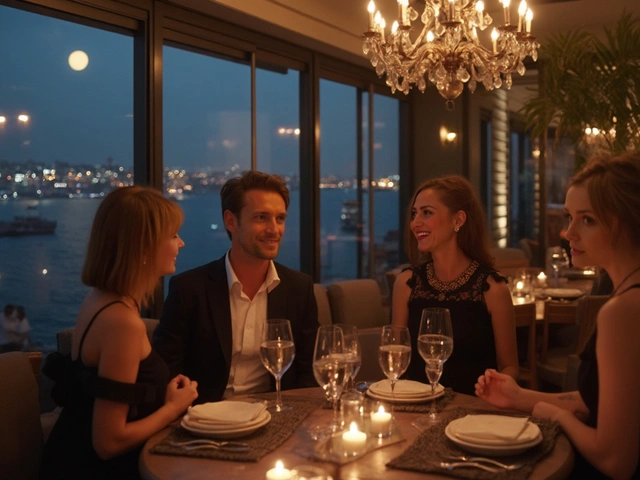
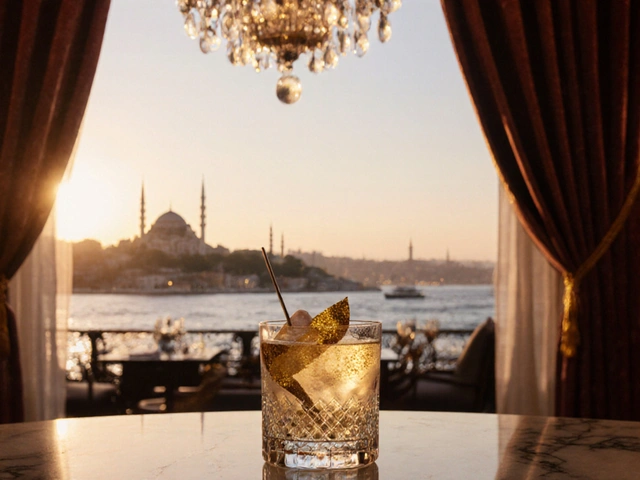
Perched on the 57th floor of the Marmara Pera Hotel, Mikla doesn’t just serve food-it stages a conversation between two worlds. Chef Mehmet Gürs takes ingredients from Turkey’s rural corners-wild thyme from the Black Sea, goat cheese from Kars, and sea fennel from the Aegean-and layers them with Nordic techniques: fermentation, smoking, and precise plating. The tasting menu changes monthly, but expect dishes like lamb tartare with pickled mulberry and fermented yogurt, or sea bass cooked in fig leaves, served with a dusting of dried sumac. The real draw? The view. At sunset, the Bosphorus turns gold, and the city’s minarets and bridges glow like lanterns. Reservations open 30 days in advance. Show up at 7:30 PM on a Thursday, and you’ll be sipping a rose petal-infused cocktail while watching the ferries glide below.
2. Asma: A Forgotten Ottoman Dish, Reborn
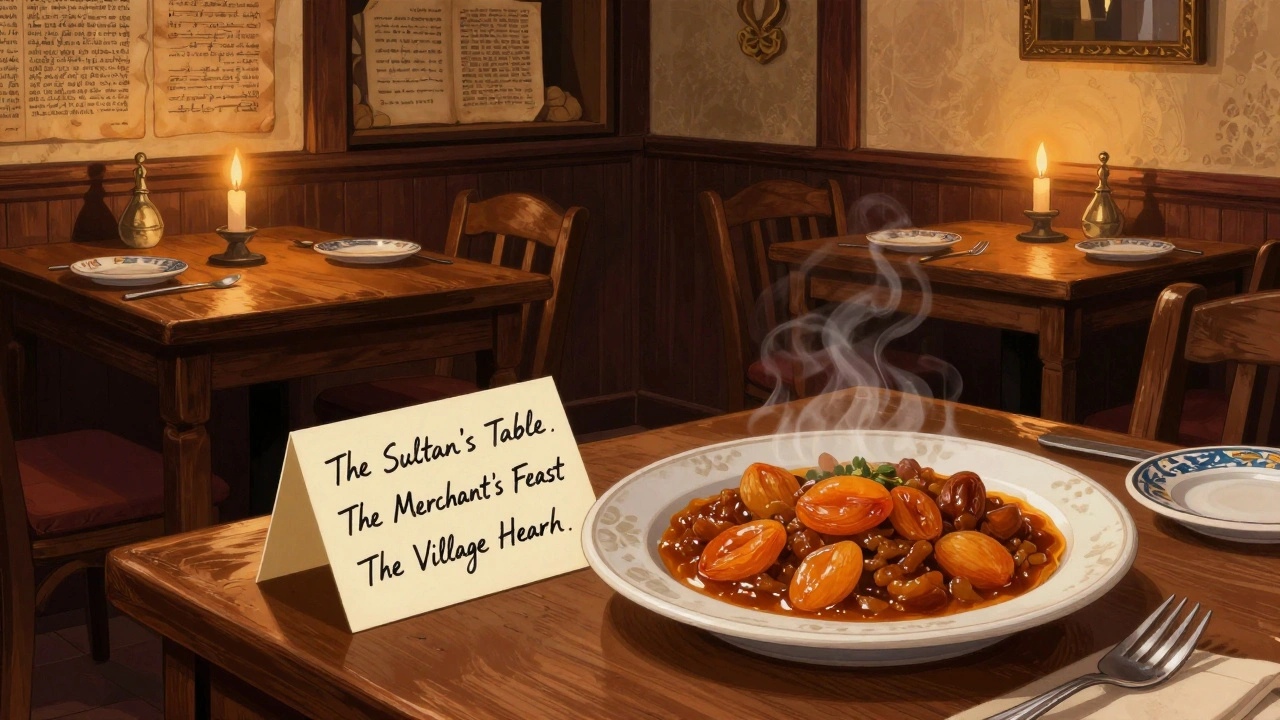
Deep in the backstreets of Beyoğlu, tucked between a vintage bookshop and a coppersmith, Asma feels like a secret you weren’t meant to find. There’s no menu. Instead, you’re handed a small card with three options: “The Sultan’s Table,” “The Merchant’s Feast,” or “The Village Hearth.” Each is a multi-course journey through dishes that haven’t been served in Istanbul for over a century. One night, you might eat çibirtme-a slow-braised lamb and barley stew from 18th-century Edirne-served with dried apricot compote and a side of pickled quince. Another, you’ll taste şerbetli karnabahar, cauliflower cooked in rosewater syrup, a dessert once served to Ottoman sultans after hunting trips. The chef, Elif Özdemir, spent three years in archives and village kitchens to reconstruct these recipes. No photos allowed. No phone rings. Just silence, candlelight, and the quiet clink of porcelain.
3. Balıkçı Sabahattin: Fish, Fresh from the Sea, Right on the Water
Most tourists head to the Princes’ Islands for seafood. Locals go to Balıkçı Sabahattin in Kuzguncuk. This isn’t a restaurant-it’s a wooden dockside shack with plastic chairs, a chalkboard menu, and a fisherman who still brings in his catch at 5 a.m. every day. You pick your fish from the ice: sea bass, red mullet, or the rare çipura (gilt-head bream). They grill it over charcoal, drizzle it with lemon from Mersin, and serve it with hünkar beğendi-smoky eggplant purée with melted kashar cheese. The table next to you? Likely a retired Turkish Navy captain who’s been coming here since 1978. Bring cash. No reservations. Arrive before 7 p.m. or wait an hour. The best seat? The corner table where the breeze off the Bosphorus carries the salt and smoke straight into your lungs.
4. Dönerci Şahin Usta: The Kebab That Broke the Mold
Forget the tourist traps on Istiklal. The real döner in Istanbul is served at Dönerci Şahin Usta in Fatih, a tiny shop that’s been running since 1983. Here, the meat isn’t just stacked on a vertical spit-it’s hand-chopped, marinated in pomegranate molasses and Aleppo pepper, then slow-roasted for 14 hours. The secret? They use only the shoulder of lamb from the highlands of Eastern Anatolia. The bread? Baked daily by a family in Üsküdar using sourdough and whole wheat. You order it with ezme-a fiery mix of tomatoes, peppers, and walnuts-and a side of höşmerim, a sweet cheese pastry soaked in syrup. It costs 45 TL. You’ll eat it standing at the counter, juice dripping down your wrist, and you’ll know, without a doubt, this is the most honest version of Turkish fast food ever made.
5. Sarnıç: Dining in a 1,500-Year-Old Cistern
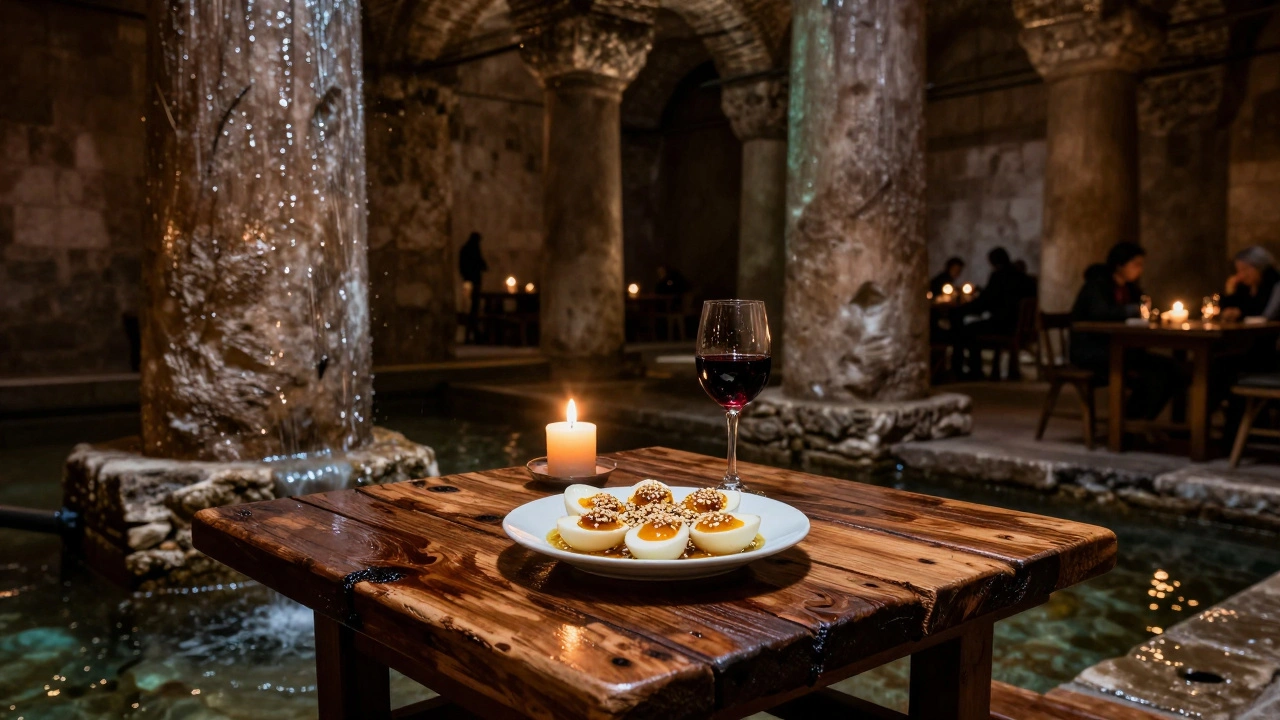
Beneath the streets of Beyoğlu lies the Basilica Cistern, the city’s ancient underground water reservoir. But few know about Sarnıç, a restaurant built inside a smaller, lesser-known cistern just steps away. The space is dim, lit only by candles reflecting off wet stone walls. The ceiling drips with condensation. The tables are made from reclaimed Ottoman ship wood. The menu? A modern take on Byzantine cuisine. Think stuffed quail eggs with honey and sesame, boiled chickpeas with saffron and rose petals, and date and walnut pie baked in a clay oven. The wine list? All Turkish-small producers from Thrace and Cappadocia you’ve never heard of. You’ll hear no music. Just the occasional splash of water and the hushed voices of diners who feel like they’ve stepped into a time capsule. Book weeks ahead. The last seating is at 9:30 p.m.
6. Kanaat Lokantası: The Last True Anatolian Canteen
In a city where everything is changing, Kanaat Lokantası in Üsküdar holds the line. Open since 1952, it’s run by a 78-year-old woman who still stirs the pots herself. There’s no English menu. No photos. Just a long counter with steaming pots of mercimek çorbası (lentil soup), etli kuru fasulye (white beans with beef), and hünkar beğendi-again, but this time, made with a secret blend of smoked cheese from the Taurus Mountains. The portions are huge. The prices? Under 60 TL for a full meal. Locals come here after Friday prayers, after hospital shifts, after divorce. It’s the kind of place where you’ll be handed a glass of ayran without asking, and someone will slide a slice of kurabiye your way with a nod. No reservations. No tables. Just a stool, a spoon, and the sound of the Marmara Sea outside.
Why These Places Matter in Istanbul
Istanbul’s dining scene isn’t about Michelin stars or Instagrammable plating. It’s about continuity. It’s about the grandmother who still grinds her own sumac. The fisherman who knows which tide brings the best mackerel. The chef who spent years tracking down a recipe written in Ottoman Turkish. These restaurants don’t just feed you-they connect you to layers of history you didn’t know existed. In a city where the skyline changes every year, these spots are anchors. They remind you that beneath the coffee shops and rooftop bars, Istanbul still eats the way it always has: slowly, deeply, and with soul.
What to Bring (and What to Leave Behind)
- Bring cash. Many of these places don’t take cards.
- Bring patience. No one rushes here-not the staff, not the food, not the view.
- Bring curiosity. Ask what’s in the dish. Ask why it’s cooked that way. Most chefs will tell you.
- Leave your phone on silent. And leave your expectations of “fine dining” at the door.
When to Go
Spring and autumn are ideal-mild weather, fewer tourists, and the best seasonal ingredients. Avoid August. Most locals leave the city. The restaurants stay open, but the soul of the place dims. Weeknights are better than weekends. You’ll get better service, better seats, and sometimes, a surprise dessert.
Are these restaurants expensive?
Not all of them. Mikla and Sarnıç are upscale, with tasting menus starting at 2,200 TL. But places like Balıkçı Sabahattin and Kanaat Lokantası cost under 100 TL per person. Dönerci Şahin Usta is 45 TL for a full meal. Istanbul’s unique dining experiences don’t require a luxury budget-you just need to know where to look.
Do I need to speak Turkish?
No, but it helps. Most staff at Mikla and Sarnıç speak English. At Asma and Kanaat, they don’t. But gestures, smiles, and pointing work fine. The food speaks louder than words. Many chefs will write down ingredients on a napkin if you ask.
Can I visit these places as a tourist?
Absolutely. But treat them like locals do-not as attractions, but as part of daily life. Arrive early. Be respectful. Don’t ask for ketchup. Don’t rush. These places aren’t here for your photos-they’re here to keep a tradition alive.
What’s the best time to book a table at Mikla?
Book exactly 30 days in advance at 10 a.m. Istanbul time. The system opens online, and tables vanish within minutes. If you miss it, try calling directly. Sometimes cancellations open up. Also, ask for the chef’s counter-it’s the best seat in the house.
Are there vegetarian options?
Yes, but not always obvious. Asma and Sarnıç have dedicated vegetarian menus. Mikla can adapt if you tell them in advance. Balıkçı Sabahattin offers grilled vegetables and stuffed vine leaves. Kanaat has lentil soup, eggplant dishes, and beans. Just ask. Turkish cuisine has deep roots in plant-based eating-especially in rural areas.
What to Try Next
After these experiences, dig deeper. Visit the Arnavutköy Fish Market at dawn and pick your own fish. Take a cooking class in Çengelköy to learn how to make imam bayıldı the old way. Or head to Çiya Sofrası in Kadıköy, where the menu changes daily based on what farmers bring in from Anatolia. Istanbul’s food story doesn’t end at the table-it begins the moment you step outside.

7 Comments
I went to Balıkçı Sabahattin last spring and still dream about that grilled çipura. The breeze off the Bosphorus? Pure magic. No reservations, no fancy plates, just fish so fresh it tasted like the sea remembered its name. Came back three times that trip. Best 45 TL I ever spent.
Also, the Navy captain next to me? He winked at me after I spilled lemon on my shirt. Totally worth it.
Okay but why is everyone ignoring the fact that Mikla charges 2,200 TL for a tasting menu? That’s insane. You’re paying for the view, not the food. And the ‘Nordic-Turkish fusion’? It’s just pretentious with a side of overpriced rose petal cocktail. I’ve had better lamb tartare at a food truck in Portland. This isn’t dining, it’s performance art with a price tag.
Also, ‘no photos allowed’ at Asma? That’s not a rule, that’s a guilt trip. You’re not a monk, people. Just take the damn picture.
ASMA IS THE ONLY PLACE THAT STILL HAS A SOUL IN THIS CITY. I CRIED WHEN I ATE THE ÇIBIRTME. I’M NOT EXAGGERATING. I’VE BEEN TO 12 COUNTRIES AND NEVER FELT THIS. THIS ISN’T FOOD - THIS IS TIME TRAVEL. THE CANDLELIGHT, THE SILENCE, THE WAY THE APRICOT COMPOTE MELTED ON MY TONGUE LIKE A SECRET FROM A DEAD QUEEN.
YOU PEOPLE WHO COMPLAIN ABOUT THE PRICE OR THE NO-PHOTO RULE? YOU’RE NOT HERE FOR THE FOOD. YOU’RE HERE FOR THE ‘GRAM. GO BACK TO YOUR TIKTOK DÖNER. THIS IS SACRED.
I’M STILL SHAKING.
IF YOU DON’T GO TO ASMA, YOU’VE NEVER BEEN TO ISTANBUL.
Ugh I don’t get why people are obsessed with this. It’s just food. Why do you need a cistern to eat chickpeas? Why can’t you just have a normal restaurant? And why is everyone acting like they’re in a movie? I went to Mikla and it was just… fine. Too fancy. Too quiet. I wanted a burger.
Also, why do they make you wait 30 days? That’s ridiculous. Just open more tables. People are being dramatic. I just want to eat and leave.
Reservations for Mikla open precisely 30 days in advance at 10:00 AM Istanbul time. Failure to adhere to this window results in guaranteed unavailability.
For Asma, silence is not a restriction - it is a covenant. Respect it.
At Kanaat, arrive before 1:00 PM. After that, the lentil soup sells out.
Bring cash. Always.
Do not request ketchup. Ever.
STOP. JUST STOP. Mikla doesn’t use ‘fermented yogurt’ - it’s ‘yogurt that’s been fermented.’ You don’t say ‘pickled mulberry’ like it’s some exotic spice - it’s just mulberries pickled. And ‘smoked eggplant purée’? That’s just baba ghanoush with a fancy name. This whole article is written by someone who thinks ‘Byzantine’ is a flavor.
Also, ‘hünkar beğendi’ is not ‘smoky eggplant with cheese’ - it’s eggplant and cheese. That’s it. No ‘secret blend.’ No ‘Taurus Mountains.’ You’re overcomplicating a dish that’s been in every Anatolian home since 1920.
And ‘Sarnıç’? In a cistern? That’s not a restaurant - that’s a damp basement with candles. You’re paying for ambiance, not taste. And you call that ‘fine dining’? Pathetic.
Y’all missing the structural anthropology here. These eateries are non-linear nodes in Istanbul’s culinary hegemony. Mikla = postcolonial gastronomic hybridity. Asma = palimpsestic memory architecture. Kanaat = proletarian culinary resilience. The cistern? That’s infrastructural reappropriation with gastronomic intent.
Also, the 45 TL döner? That’s a microeconomic counterpoint to neoliberal dining commodification. You’re not paying for meat - you’re paying for labor continuity. The pomegranate molasses? That’s pre-Ottoman terroir embedded in the epidermis of the meat.
Bring cash. Not because of tech gaps - because the transaction is sacramental.
And yes, the chef at Asma is a textual archaeologist. She’s not ‘reconstructing recipes’ - she’s performing epistemic restitution.