

When you wander through Istanbul’s historic heart, the sprawling stone walls of Topkapi Palace dominate the skyline of Sultanahmet. In Istanbul, locals and expats alike treat this former imperial residence as a living museum, a place where Ottoman stories unfold around every courtyard. Whether you’re planning a quick weekend cultural fix or a deep dive into Ottoman art, this guide shows how to navigate the magnificent complex without getting lost in its labyrinthine passages.
What is Topkapi Palace?
Topkapi Palace is the primary residence of Ottoman sultans for nearly four centuries, featuring expansive courtyards, ornate pavilions, and a treasury of priceless artifacts. Built in the 15th century after the conquest of Constantinople, the palace grew into a self‑contained city with kitchens, a harem, and even a small zoo. Its strategic position on the tip of the historic peninsula offers panoramic views of the Bosphorus, the Golden Horn, and the ancient walls of Constantinople.
How to Get There - Istanbul Transport Essentials
For residents of Istanbul, the palace is just a short ride away on the city’s integrated public‑transport network. Grab your Istanbulkart - the reloadable smart card that works on metro, tram, bus, and ferry - and follow these options:
- Tram Line T1: Alight at Gülhane stop, a 3‑minute walk through Gülhane Park straight to the main gates.
- Metro Line M2: Transfer at Vezneciler to the T1 tram; the combined journey takes about 25 minutes from Şişli.
- Ferry: From Eminönü or Kadıköy, hop on a Bosphorus cruise and disembark at Karaköy; a short taxi or tram ride finishes the trip.
- Taxi or Ride‑Share: Istanbul’s traffic can be chaotic, but a 15‑minute ride from Taksim during off‑peak hours drops you at the palace’s main entrance.
Tip: Early morning locals often use the Gülhane tram stop to avoid the midday tourist rush. If you’re a regular visitor, a monthly Istanbulkart pass gives you unlimited tram rides for just 560 TL.
Mapping the Complex - Understanding the Layout
The palace is split into four major courtyards, each with its own theme. Below is a quick visual map you can sketch on a napkin before you head out:
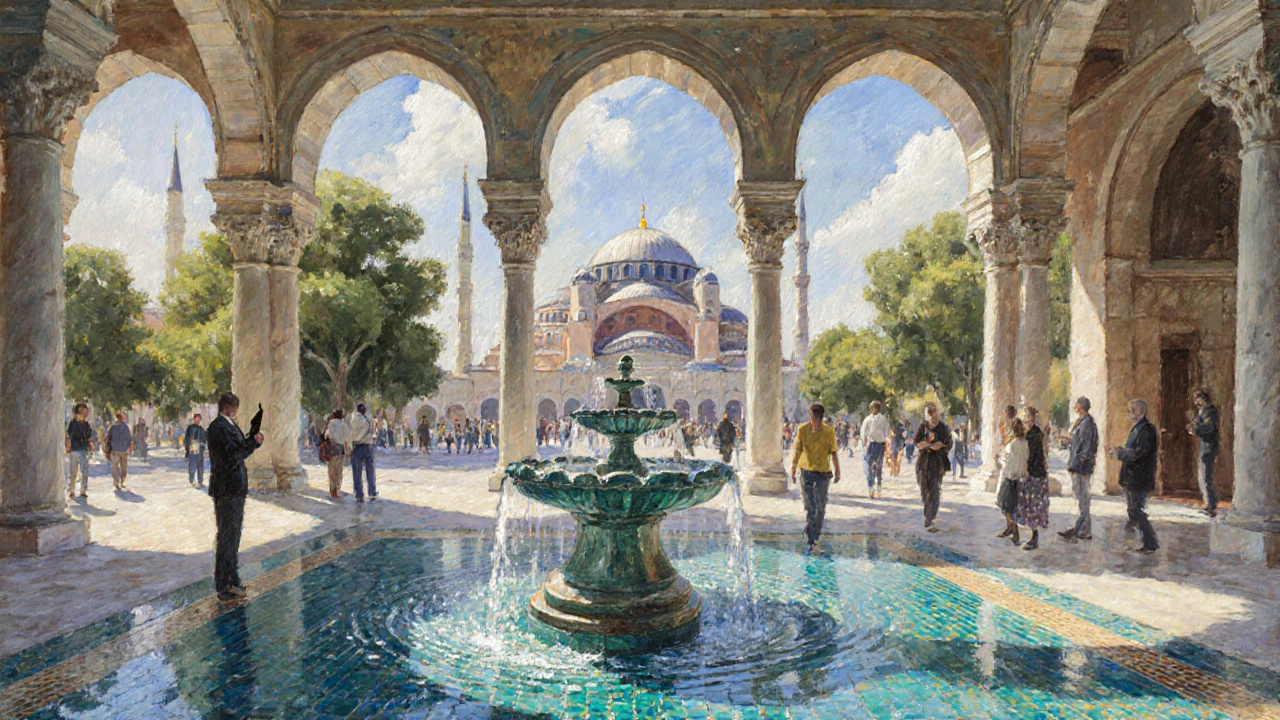
- First Courtyard (Alley of the Eunuchs) - Reception area with the Imperial Gate, the Clock Tower, and the Fountain of Ahmet III.
- Second Courtyard (Divan) - Home to the Imperial Council Hall, the Tendering Hall, and the famous Hagia Irene church.
- Third Courtyard (Outer Palace) - Holds the Imperial Treasury, the Sacred Relics Museum, and the weapons collection.
- Fourth Courtyard (Inner Palace) - The private realm: the Harem, the Private Apartments, and the Treasury of the Sultans.
Signposts are in both Turkish and English, but the maze‑like passages can be confusing. Grab a free map at the ticket office or use the official museum app, which features an offline GPS overlay for low‑signal days.
Must‑See Areas - Where History Lives
Don’t try to see everything in one go. Prioritize these highlights based on your interests:
- Harem is the secluded wing where sultans kept their families, showcasing intricate tiles, private chambers, and the Queen Mother’s quarters. A guided audio tour here reveals personal stories of Kösem Sultan and Hürrem Sultan.
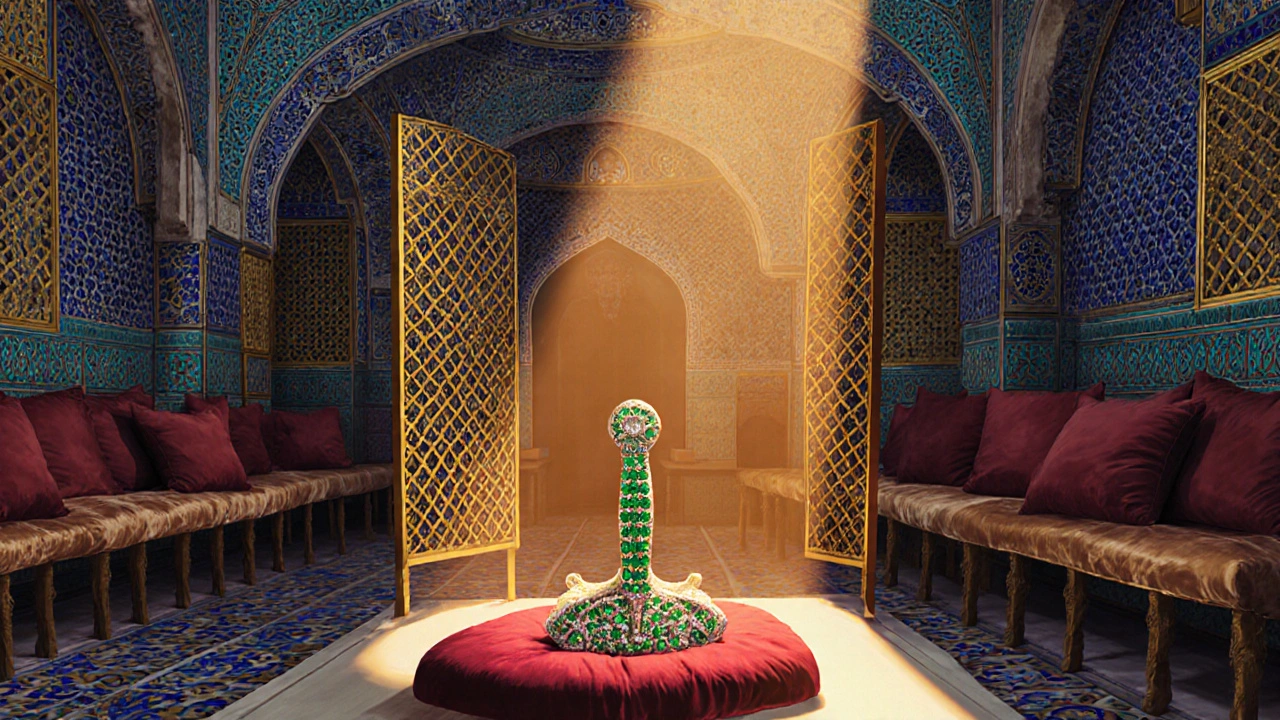
- Imperial Treasury is the vault that houses gold, silver, and jeweled artifacts, including the legendary Topkapi Dagger. Look for the 17‑carat emerald‑encrusted sword.
- Sacred Relics Museum is a collection of holy items such as the Prophet Muhammad’s hair, a piece of the True Cross, and the Buddha’s tooth. Expect long wait times; early hours are less crowded.
- Weapons Collection is an extensive armory featuring Janissary swords, Ottoman cannons, and a 16th‑century battle‑axe. Kids love the interactive displays.
- Hagia Irene is the Byzantine church turned museum of military music, located in the second courtyard. Free concerts are held on weekends.
Pro tip: The Harem closes at 5 p.m., so schedule it early in your visit.
Ticket Types and Time‑Saving Tips
| Ticket | Includes | Price (TL) | Best For |
|---|---|---|---|
| Basic Entry | All courtyards, Treasury, and relics museum (no Harem) | 200 | First‑time visitors who want a quick overview |
| Harem Ticket | All Basic Entry benefits + Harem access | 300 | History buffs and families |
| Guided Tour | Professional guide, skip‑line entry, audio headsets | 450 | Visitors with limited time or language needs |
| İstanbul Museum Pass | Unlimited entry to Topkapi and 45 other museums for 30 days | 560 | Residents and frequent culture seekers |
Purchase tickets online to bypass the ticket booth queues. If you have an İstanbul Museum Pass, you’ll also get free entry to the nearby Hagia Sophia and the Blue Mosque, making it a cost‑effective choice.
Best visiting hours: Arrive at opening (9 a.m.) on a weekday. The first two hours are the quietest, and the light through the courtyards is perfect for photos.
Nearby Attractions - Build a Full Sultanahmet Day
After you’ve explored the palace, continue your cultural marathon in Sultanahmet:
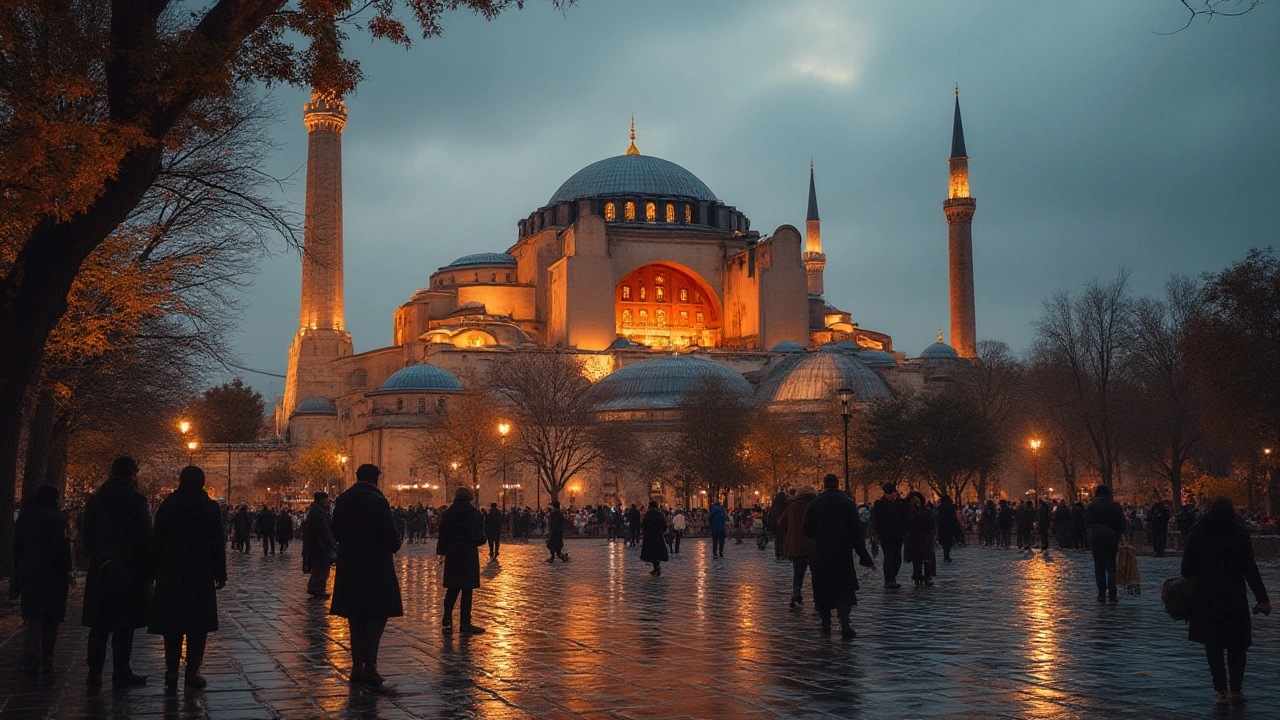
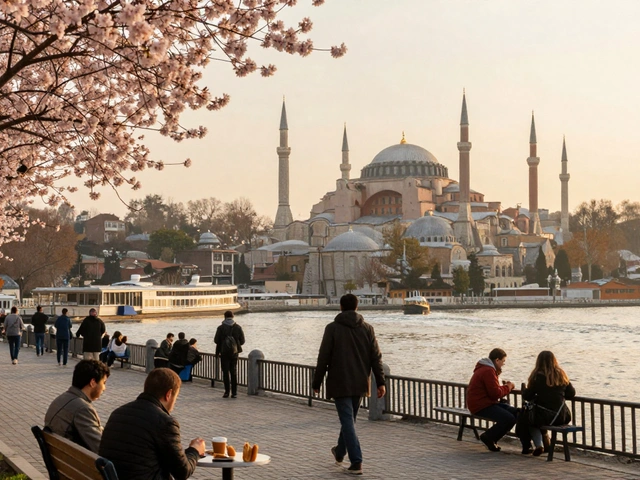
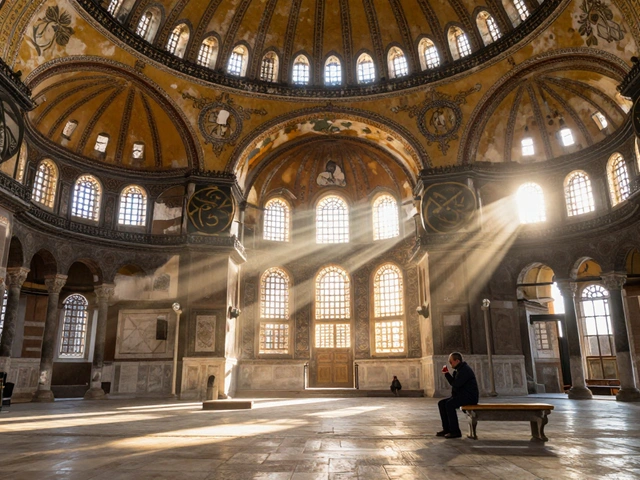
- Hagia Sophia is a former cathedral and mosque now serving as a museum, famous for its massive dome and mosaics. It’s a 5‑minute walk across the palace’s outer wall.
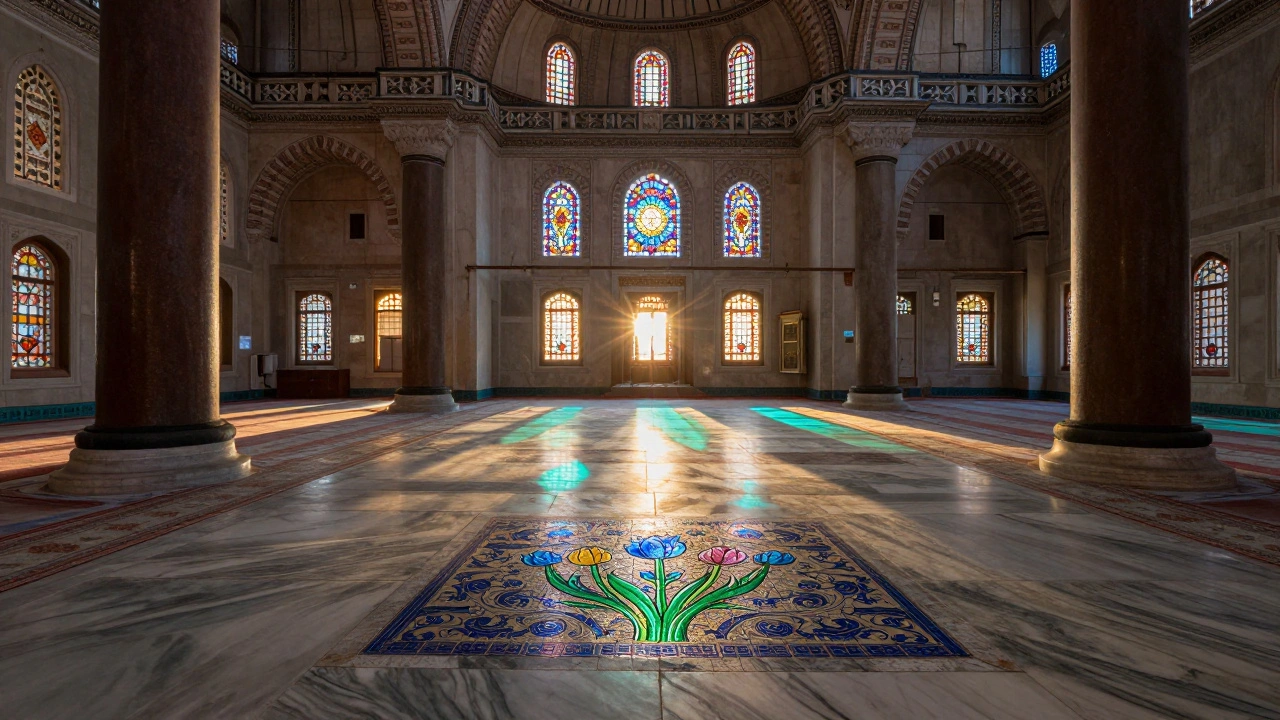
- Blue Mosque is the iconic six‑minaret mosque known for its blue Iznik tiles and towering minarets, just opposite Hagia Sophia.
- Grand Bazaar is one of the world’s oldest covered markets, with over 4,000 shops selling everything from spices to carpets. A short tram ride on the T1 brings you to the Beyazıt stop.
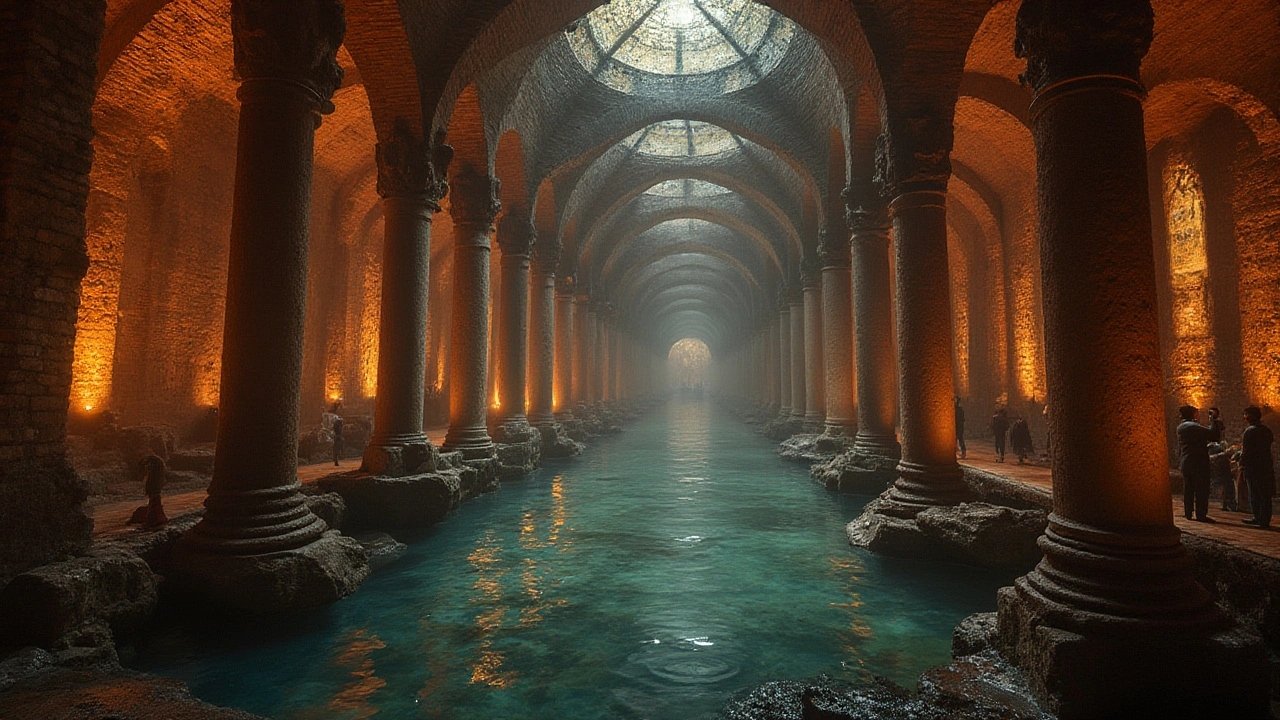
- Basilica Cistern is an underground water reservoir featuring 336 marble columns and the famous Medusa heads. Perfect for a cool escape on a hot afternoon.
Local tip: Grab a simit (sesame bagel) from the vendor near the Gülhane Park entrance for a quick snack before heading to the next site.
Practical Advice for Istanbul Residents
Living in Istanbul gives you a few advantages most tourists miss:
- Discounted night‑entry tickets are offered on Wednesdays after 6 p.m. for city‑card holders.
- Many cafés along Divan Street offer free Wi‑Fi and power outlets, ideal for a quick recharge before your next stop.
- If you prefer a quieter experience, visit during Ramadan evenings; the palace stays open later and the crowds thin out.
- Parking is limited, but the Gülhane municipal lot offers a flat rate of 30 TL per day for residents with a valid parking permit.
- The palace’s official shop sells replica Ottoman jewelry made locally in Istanbul’s Kumkapı district - a great souvenir that supports artisans.
Sample Half‑Day Itinerary for Locals
- 08:45 - Grab a Turkish coffee at Café Şehzade near the tram stop.
- 09:15 - Enter Topkapi Palace using your Istanbul Museum Pass; head straight to the Imperial Treasury.
- 10:30 - Join the audio guide for the Harem; spend 45 minutes exploring the private chambers.
- 11:30 - Walk to the Sacred Relics Museum; allocate 30 minutes for the holy artifacts.
- 12:15 - Exit through the western gate, stroll across Gülhane Park, and snap photos of the Bosphorus view.
- 12:45 - Lunch at Haci Abdullah Lokantası, just outside the park, ordering hünkar beğendi.
- 13:45 - Continue to Hagia Sophia and Blue Mosque for a quick interior visit before the midday prayer.
This schedule keeps you under four hours, perfect for a busy professional who still wants a cultural fix.
Frequently Asked Questions
What’s the best time of day to avoid crowds at Topkapi Palace?
Weekday mornings right at opening (9 a.m.) are the quietest. If you have a museum pass, consider the Wednesday night entry after 6 p.m. for fewer visitors.
Can I bring food or drinks inside the palace?
No. The palace enforces a strict no‑food policy, but you can enjoy a snack at the nearby Gülhane Park benches before or after your tour.
Is the Harem accessible for people with mobility issues?
The Harem’s upper floors are reachable only via stairs, so full wheelchair access is limited. However, the lower chambers and Treasury are accessible with a ramp at the eastern entrance.
Do I need to book guided tours in advance?
If you plan to visit during peak tourist season (April‑October), it’s wise to reserve a guided tour online. Walk‑ins are accepted but may involve a longer wait.
Are there any discount programs for Istanbul residents?
Yes. Residents with a valid Istanbulkart enjoy a 20 % discount on the basic ticket and free entry on selected Wednesday evenings. The Istanbul Museum Pass also covers Topkapi Palace.
10 Comments
Thank you for the thorough guide. The breakdown of transport options is especially useful for newcomers. I appreciate the tip about using the Gülhane tram stop to avoid crowds. The table of ticket prices makes planning the budget much simpler. Overall, this article gives a clear path for a hassle‑free visit to Topkapi Palace.
Wow, this is super helpful! I love the bit about the Istanbulkart, but i think you missed that the ferry from Kadıköy can be cheaper at off‑peak times. Also, the harem close at 5? good to know cause i always end up missing it. Keep up the good work!
Yaaas! This guide is exactly what I needed for my upcoming Istanbul adventure. I’m already picturing myself snapping photos of the Bosphorus from the fourth courtyard. The suggestion to start early and hit the Treasury first is spot on – I love hitting the highlights before the crowds. Can’t wait to explore the Sacred Relics Museum and maybe catch a live music session at Hagia Irene. Thanks for the insider tips, I’m pumped!
Agreed, the transport overview is concise and practical.
Listen, you’re missing the bigger picture – the real secret is to buy a combined museum pass that includes Topkapi AND the nearby historic sites, saving you both time and money. Also, the ferry routes change seasonally, so double‑check the schedule before you board, otherwise you’ll be stranded like a tourist in a maze.
Absolutely, your excitement is contagious!!! I especially love the idea of catching a live performance at Hagia Irene – it adds a cultural layer that many guides overlook!!! Don’t forget to bring a portable charger, as the museum app can drain your battery quickly!!!
Your point about the transport summary being concise is well‑taken. However, it might help future readers to include a brief note on the weekday tram frequency, which is typically every 10 minutes. Small details like that can make navigation even smoother for first‑timers.
Spot on with the combined pass recommendation – leveraging a multi‑site Istanbul Museum Pass optimizes both cost‑efficiency and access latency. In terms of transit dynamics, the seasonal ferry schedule alterations are a classic example of supply‑chain variability in urban mobility networks. Users should query the official Şehir Hatları API for real‑time updates to avoid unexpected bottlenecks.
While the enthusiasm for Hagia Irene’s concerts is understandable, one must consider the hidden implications of relying on an official museum app for navigation. The app requires an internet connection, which in reality is often throttled by undisclosed data‑sharing agreements between municipal Wi‑Fi providers and third‑party advertisers. Moreover, the GPS overlay can be manipulated to direct visitors toward commercial zones that generate additional revenue for private stakeholders. This subtle redirection is part of a larger pattern of data exploitation that has been quietly woven into the fabric of Istanbul’s tourism infrastructure. It’s also worth noting that the battery drain you mentioned is not merely a technical inconvenience; it serves as a covert method to encourage visitors to purchase expensive portable chargers from on‑site vendors. Those vendors, in turn, have contracts with the museum’s concessionaires, creating a feedback loop that benefits a select few. The timing of the concerts themselves is often coordinated with peak visitor influxes, maximizing ticket sales for ancillary services like guided tours and souvenir shops. Additionally, the announced “free” entry for city‑card holders after 6 p.m. on Wednesdays is frequently offset by increased prices for food and beverage stalls in the surrounding area. This practice is a classic example of “price gating,” where the apparent discount is neutralized by higher ancillary costs. Even the supposedly “unbiased” audio guides are sometimes sponsored, inserting subtle brand placements that go unnoticed by the casual listener. The cumulative effect of these tactics is to create a consumption ecosystem that subtly pressures tourists into spending more than they initially intend. As a prudent visitor, it’s wise to download an offline map from an independent source and carry a fully charged power bank that you acquired before arriving. This approach minimizes exposure to the profit‑driven mechanisms embedded in the official infrastructure. Ultimately, staying aware of these hidden layers allows you to enjoy the cultural experience without becoming an unwitting participant in a carefully orchestrated commercial strategy.
The grammar tip is useful but overly pedantic.