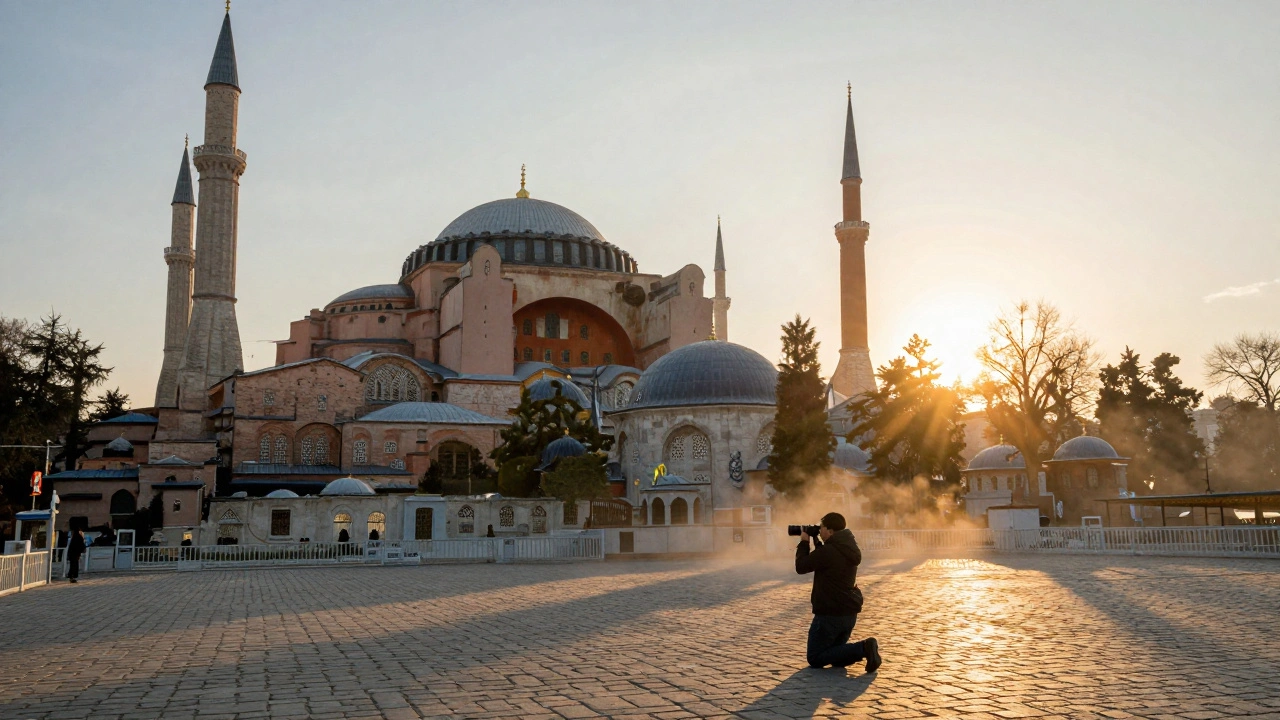
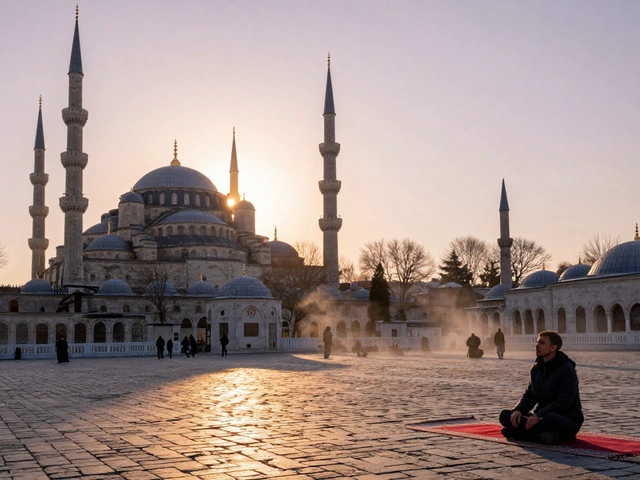
Every morning before the crowds arrive, the call to prayer echoes from the minarets of Sultanahmet, and the first light hits the dome of Hagia Sophia like gold poured from heaven. If you’ve ever stood there with a camera in hand, wondering why your photos never match the magic you felt-you’re not alone. Capturing Istanbul’s landmarks isn’t about having the best gear. It’s about knowing when to be there, where to stand, and how to see what most tourists miss.
Start Early, Before the Tour Buses Arrive
The best shots of Istanbul’s landmarks don’t happen at noon. They happen before sunrise. By 6:30 a.m., the lines at Topkapı Palace’s main gate are still empty. The blue tiles of the Rüstem Pasha Mosque glow softly under the rising sun, and the Bosphorus reflects the sky like a mirror. Locals know this: the Istanbul landmarks look different when no one else is around.Head to the Galata Bridge before the ferries start running. Stand on the lower deck near the fish vendors, where the steam rises from the grills and the gulls circle above. This is where Istanbul wakes up-not in the fancy hotels, but here, with coffee in paper cups and the smell of grilled mackerel in the air. Your camera will catch more than architecture. It’ll catch life.
Use the Bosphorus as Your Frame
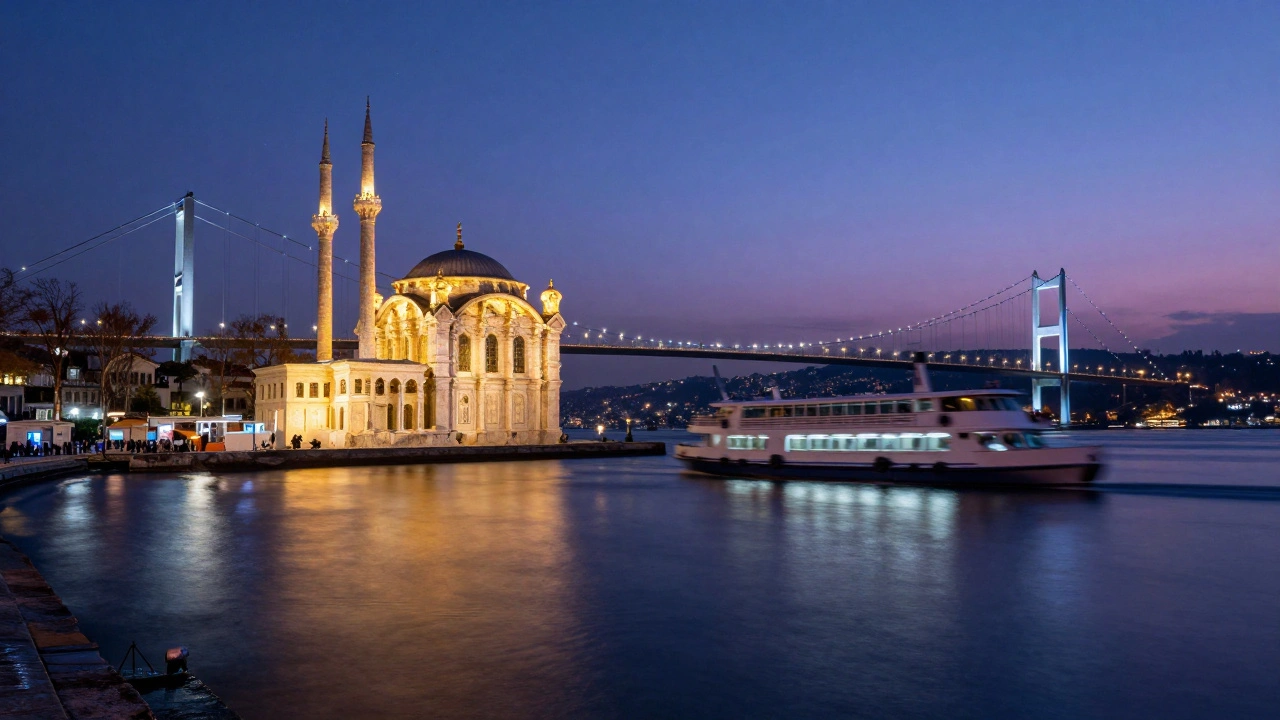
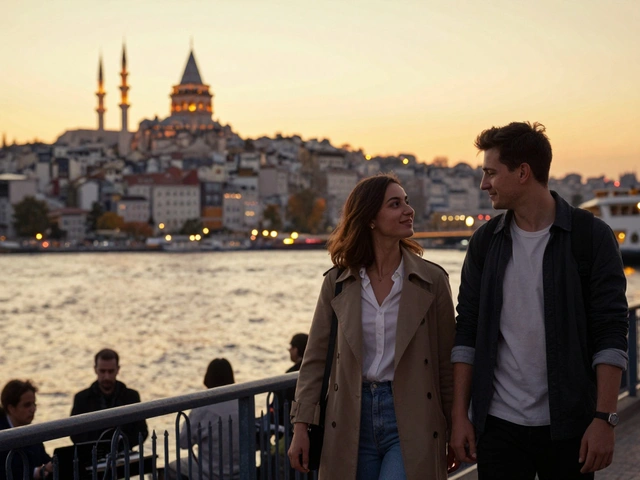
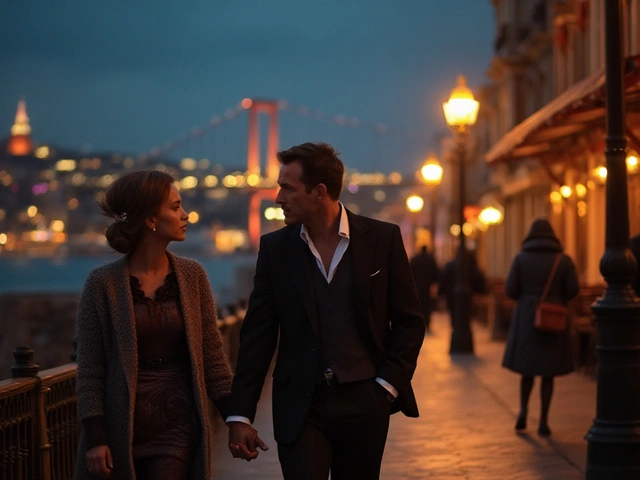
Most people photograph the Blue Mosque from the front. But the real magic happens when you step back-way back-and shoot it from the shores of the Bosphorus. Take the ferry from Eminönü to Üsküdar. Stand on the left side as you depart. In the distance, the mosque appears framed by the water, with a modern ferry cutting through the foreground. That’s the contrast Istanbul lives in: ancient and modern, sacred and busy, still and moving.For the perfect Bosphorus shot, bring a small tripod. The light fades fast after sunset, and you’ll need at least 1/4 second exposure to capture the lights of the bridges without motion blur. The Ortaköy Mosque at night is one of the most photographed spots in the city-but if you want to stand out, arrive at 7:45 p.m. when the bridge lights turn on and the crowd is still thin. Use a wide-angle lens. Let the mosque sit low in the frame, with the Bosphorus stretching behind it like a ribbon of light.
Golden Horn Views You Won’t Find in Guidebooks
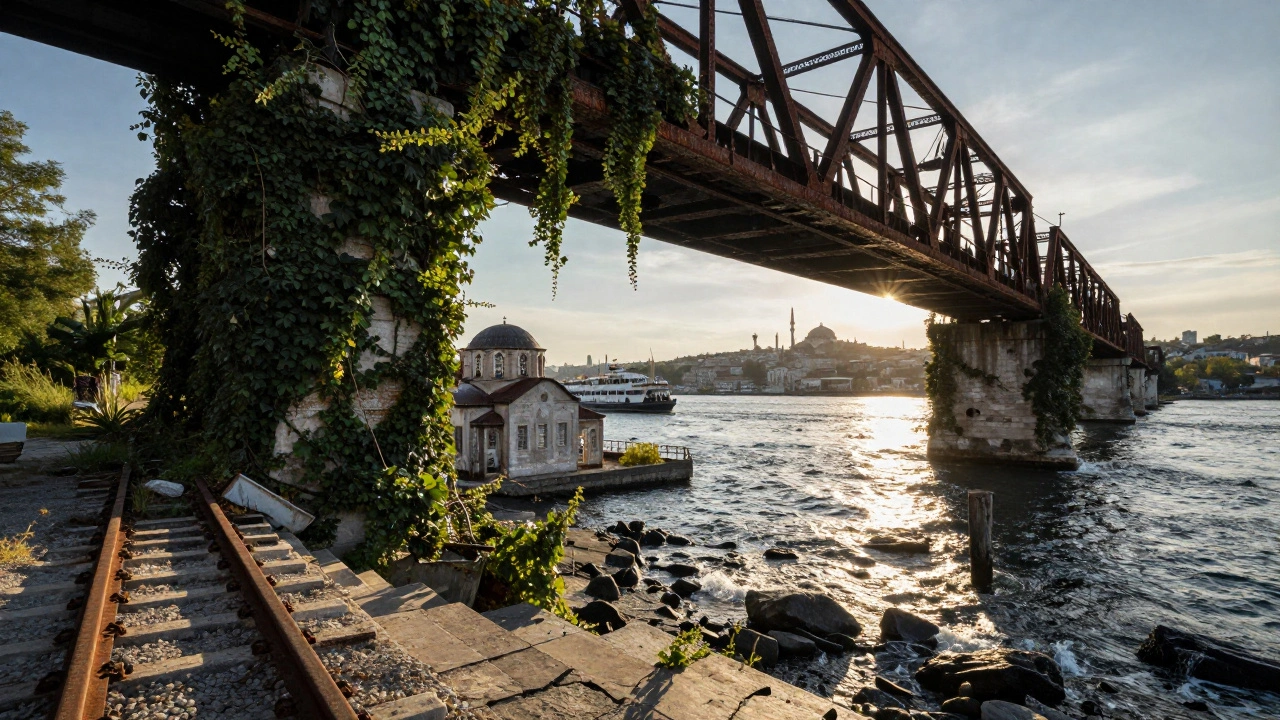
Everyone knows the view from Pierre Loti Hill. But few know about the rooftop terrace at Çırağan Palace Kempinski’s back garden. Walk past the staff entrance near the old Ottoman stables, ask politely for a quick look-you’ll be granted access if you’re respectful. From there, you get a clear, unobstructed shot of the entire Golden Horn, with the historic wooden houses of Fener and Balat clinging to the hills like painted boxes. The red rooftops, the minarets of Eyüp Sultan Mosque, and the Galata Tower all line up in perfect symmetry.Or try the abandoned railway bridge near Hasköy. It’s not marked on any map, but locals know it. Climb the rusted steps (wear good shoes), and you’ll be looking down at the water, the old Greek churches, and the ferryboats passing like ghosts. This is the Istanbul that doesn’t sell postcards. It’s raw. It’s real. And your camera will thank you.
Lighting Secrets for Hagia Sophia and Süleymaniye
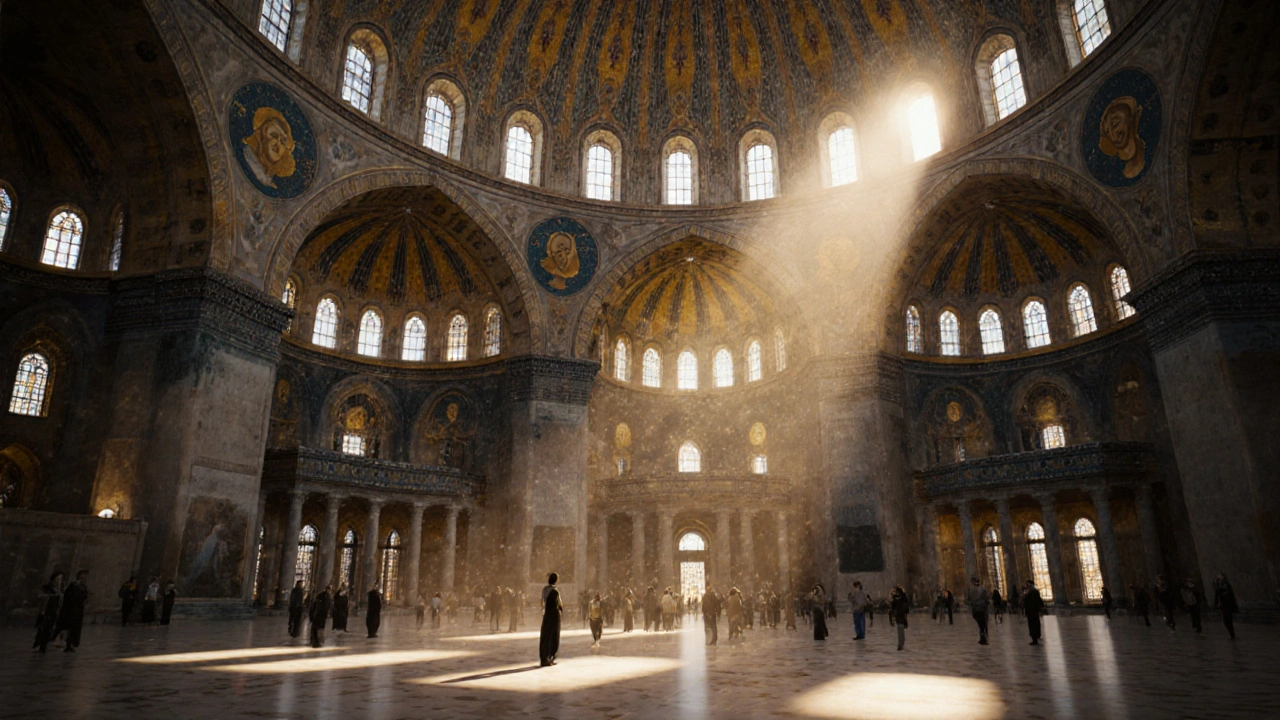
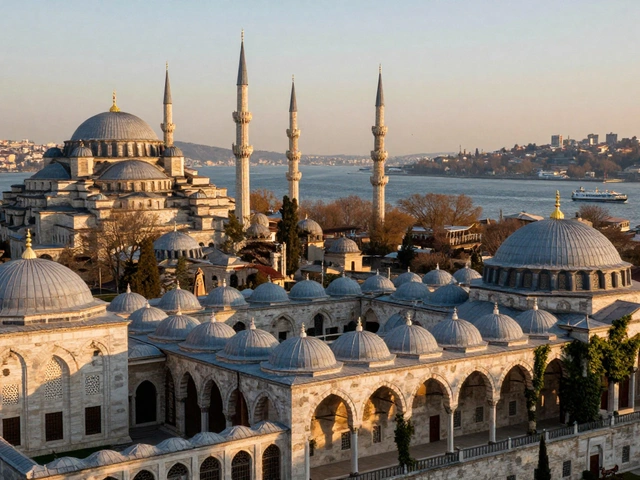
Hagia Sophia’s interior is dim, even at midday. Don’t crank up your ISO to 6400 and expect clean results. Instead, shoot during the late afternoon when the sun hits the western windows. The light pours through the clerestory, illuminating the mosaics like stained glass. Wait for the moment when the golden glow hits the central dome-then hold your breath. That’s the shot.For Süleymaniye Mosque, climb the hill behind it, past the cemetery where Ottoman scholars are buried. Find the small stone bench near the third terrace. It’s not marked, but it’s the only spot where you can capture the entire mosque, the minarets, and the city skyline behind it-all in one frame. Bring a polarizing filter. The afternoon sun reflects off the dome and creates glare. A filter cuts that out, and the blue tiles pop like they’re lit from within.
Local Tips No Tourist Guide Will Tell You
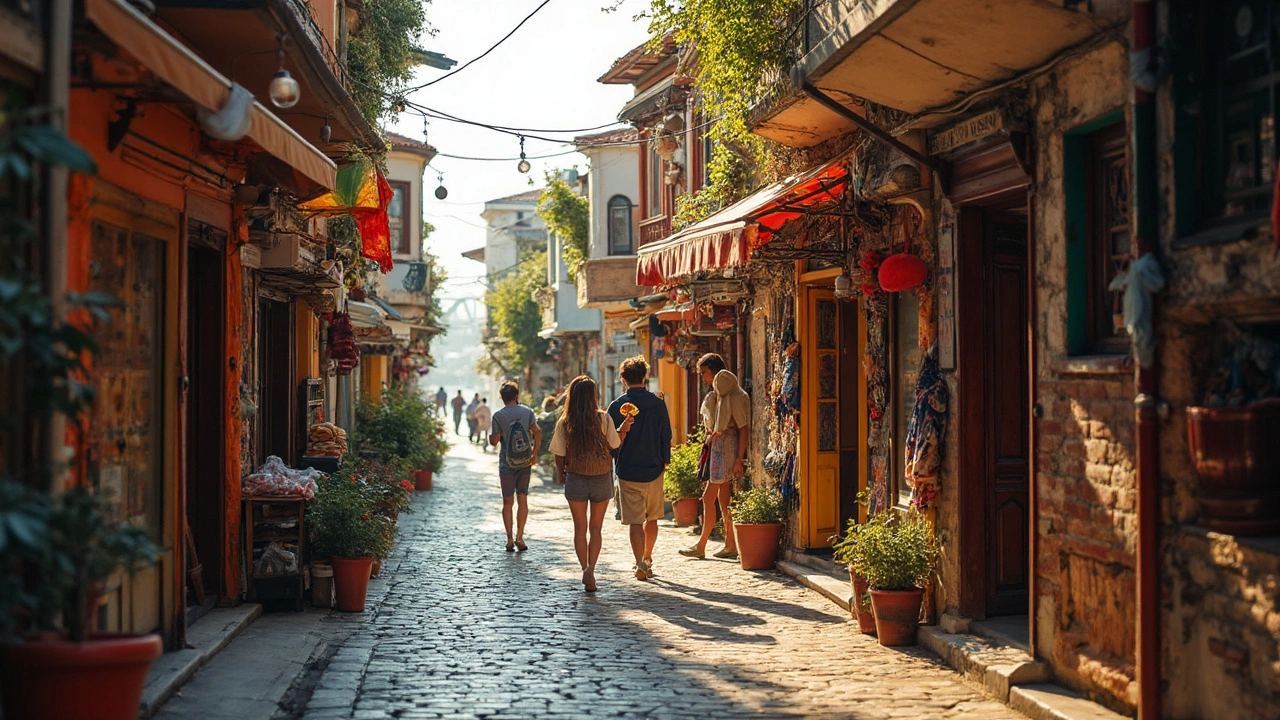
Istanbul’s landmarks aren’t just places. They’re living spaces. Respect that.Don’t set up a tripod in front of the entrance to the Grand Bazaar. The vendors will glare. Instead, go to the back alley near the Spice Bazaar, where the dried limes and saffron are stacked in colorful pyramids. Shoot from the side. Let the steam from the tea stalls blur into the background. That’s the texture of Istanbul.
At the Chora Church (Kariye Museum), the mosaics are best captured with a 50mm lens. The detail is incredible, but the space is tight. Use a small aperture (f/8) and shoot in RAW. You’ll need to edit later, but the colors-those deep blues and golds-are unlike anything else in the world.
And if you’re shooting from the Princes’ Islands, skip Büyükada’s main square. Walk to the abandoned mansion near the eastern shore. The wooden balconies are rotting, the vines are swallowing the walls, and the sea crashes below. It’s quiet. It’s haunting. And it’s the kind of image that makes people stop scrolling.
What Gear Works Best in Istanbul’s Climate
Istanbul’s air is salty. The wind off the Bosphorus carries moisture. Your lens will fog. Your camera will sweat. Don’t rely on a cheap rain cover. Bring a sealed camera bag with silica gel packs. Change lenses under your coat, not on the street. And always carry a microfiber cloth-dust from the old stone streets clings to everything.For lenses: a 24-70mm f/2.8 is your best friend. It handles interiors, streets, and distant views. If you’re serious, bring a 14mm tilt-shift for architecture. The distortion on the Süleymaniye minarets is brutal without it. A 70-200mm helps you isolate details from afar-like the calligraphic panels on the walls of the Blue Mosque, or the reflections in the windows of the Dolmabahçe Palace.
And don’t forget a power bank. Battery life dies faster in cold mornings. Istanbul winters are damp. Your camera won’t last long without a backup.
When to Avoid Crowds (And Where to Go Instead)
The crowds at Topkapı Palace peak between 11 a.m. and 3 p.m. Go at 8 a.m. or 5 p.m. The guards are less strict after hours, and the light is softer. You’ll get the courtyards to yourself.Instead of the crowded Galata Tower observation deck, walk to the rooftop of the İstanbul Modern museum. It’s free on Tuesdays. The view of the Bosphorus, the old city, and the modern skyline is clearer than from the tower. And no one’s taking selfies in front of you.
For the perfect sunset shot of the Maiden’s Tower, don’t go to the waterfront promenade. Head to the small park near the Kuruçeşme pier. Sit on the bench facing the tower. Wait for the last sliver of sun to touch the top. The water turns copper. The lights blink on. And for a few seconds, Istanbul looks like it’s floating on fire.
What to Do After the Shot
Don’t just upload it to Instagram. Edit it like a local. Reduce the saturation just a bit. Istanbul’s colors aren’t neon-they’re layered. The blues are muted by salt air. The golds are softened by centuries of smoke. Bring out the shadows in the alleyways. Let the whites of the mosques glow, not blind.And when you print it? Skip the cheap online labs. Go to Atatürk Kültür Merkezi’s photo studio in Şişli. They use archival paper. They know how to handle the contrast of Ottoman architecture against modern steel. They’ll make your photo last.
What’s the best time of year to photograph Istanbul’s landmarks?
Spring (April to June) and early autumn (September to October) are ideal. The weather is mild, the light is soft, and the crowds are smaller. Summer is hot and crowded. Winter is foggy, but the snow on Hagia Sophia’s dome makes for stunning, rare shots-if you can handle the cold.
Can I use a drone to photograph Istanbul’s landmarks?
No. Drone flights are banned over all historical sites, including Hagia Sophia, Topkapı Palace, and the Bosphorus bridges. Even if you’re on a boat, you can’t fly above the water near the landmarks. Fines are steep, and your equipment may be seized. Stick to ground-level shots-they’re more authentic anyway.
Are tripods allowed at Istanbul’s major sites?
Small, compact tripods are usually fine in open areas like the Bosphorus shores or Galata Bridge. But inside mosques and museums, they’re often banned to protect the floors and avoid blocking visitors. Check signs or ask politely. Many sites allow them if you’re not in the way. A monopod is a safer bet for tight spaces.
Which Istanbul landmark is the hardest to photograph well?
The Grand Bazaar. It’s chaotic, dim, and full of reflections. The best approach is to shoot from above-find a balcony or café overlooking the main alley. Use a wide-angle lens and set your aperture to f/5.6 to keep depth. Wait for a moment when the light hits a stall just right-maybe a pile of copper teapots glowing under a single bulb. That’s the shot.
Where can I find local photographers to learn from?
Join the Istanbul Street Photography group on Facebook. They meet every Thursday at 6 p.m. near the Spice Bazaar. You’ll find locals who’ve been shooting here for decades. They’ll show you hidden alleys, explain the light patterns, and even introduce you to the fishmongers who let you shoot from their stalls. It’s not a tour. It’s a community.
Final Thought: It’s Not About the Camera
You don’t need the latest full-frame sensor to capture Istanbul. You need patience. You need to wake up before the city wakes up. You need to sit quietly in a courtyard until the light changes. You need to respect the people who live here, not just visit.The perfect shot isn’t the one with the most likes. It’s the one that makes someone who’s never been here feel like they’re standing right beside you-smelling the sea, hearing the call to prayer, and feeling the weight of centuries in the stone beneath their feet.


9 Comments
Ugh, I literally cried when I saw the shot of the Blue Mosque from the Bosphorus at golden hour. I used a 70-200mm with a circular polarizer, and the way the tiles just *glowed*? Pure art. Anyone else use a Sony A7IV for this? The dynamic range is non-negotiable.
You don’t need a $3k camera to capture Istanbul’s soul-you need to stop treating it like a backdrop for your ego. The real magic isn’t in the aperture or the tripod-it’s in sitting on that abandoned railway bridge at dawn, listening to the call to prayer echo off the water while the fishmonger hands you a cup of tea like you’re family. That’s the shot. The rest is just metadata.
omg yes!! i went to the kariye museum last fall and used my phone and it still made me cry?? the blues are like nothing else?? also the rooftop at istanbul modern is a GAME CHANGER. no one’s there and the view?? pure magic. thanks for the tip!! 😍
Let’s be clear: the Grand Bazaar is not a photogenic location-it’s a sensory assault. The only way to extract order from its chaos is through controlled composition: f/5.6, ISO 400, 1/125s, and patience. The light hits the copper teapots at 10:47 a.m. precisely, and if you’re not there, you’re not shooting-you’re just consuming. This isn’t tourism. It’s phenomenology with a lens.
They didn't tell you about the drones, did they? 😏 The government doesn't want you seeing the real Istanbul-just the curated postcard version. They ban drones because they know the real city is crumbling under the weight of tourism. And those 'hidden' spots? All staged for influencers. The fishmongers? Paid actors. The 'local photographers'? Marketing ploys. You're being played. 🕵️♂️
For those shooting in low-light interiors like Hagia Sophia, prioritize native ISO performance over lens speed. The A7S III’s 102400 ISO is a game-changer, but even with that, a 24-70mm f/2.8 at f/4 with 1/30s and +1.3 EV exposure compensation gives you clean, noise-resilient data. Shoot in RAW+14-bit. Don’t forget to calibrate your monitor for sRGB-otherwise, those Byzantine golds turn muddy. Also: silica gel packs are non-negotiable. Salt air + CMOS = death.
Wow, another ‘secret spot’ guide. The rooftop at Çırağan Palace? That’s not hidden-it’s a five-star hotel. You think they let just anyone walk in? And the abandoned railway bridge? Probably full of squatters or cops. This whole thing feels like a curated fantasy for people who think ‘authentic’ means ‘not on TripAdvisor.’
OH MY GOSH I DID THE GOLDEN HORN ROOFTOP AND IT WAS LIKE A DREAM!!! 🥹✨ The red roofs, the minarets, the way the light hit the water?? I screamed. I cried. I took 87 photos and deleted 86. That one? The one with the ferry in the foreground? I printed it. Framed it. Hangs above my bed. Istanbul didn’t just give me a photo-it gave me a soul moment. 🌅💖
Y’all need to stop romanticizing foreign places. This isn’t some mystical spiritual journey-it’s just a tourist trap with better architecture. We’ve got the Grand Canyon, Yellowstone, the Rockies-real beauty. Istanbul? Fine. But don’t act like you’re some enlightened artist because you shot a mosque at sunrise. We built the internet. We own the future. You’re just taking selfies in someone else’s past.