
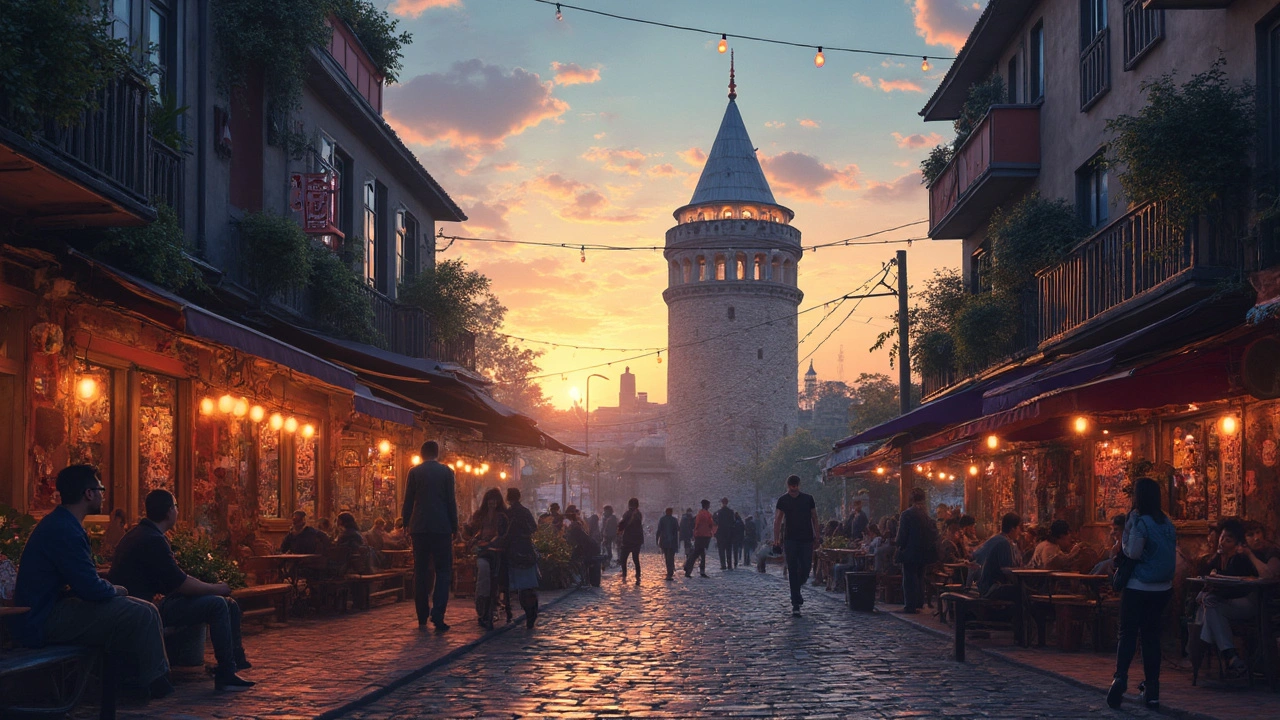
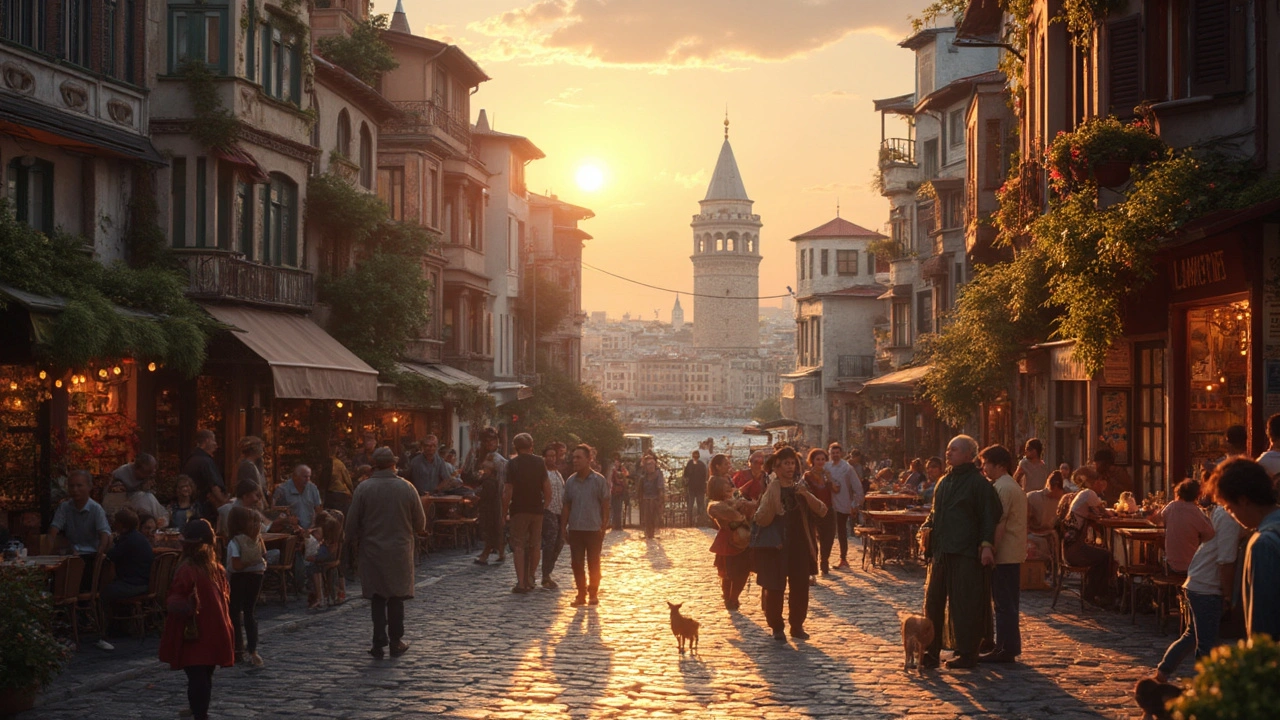
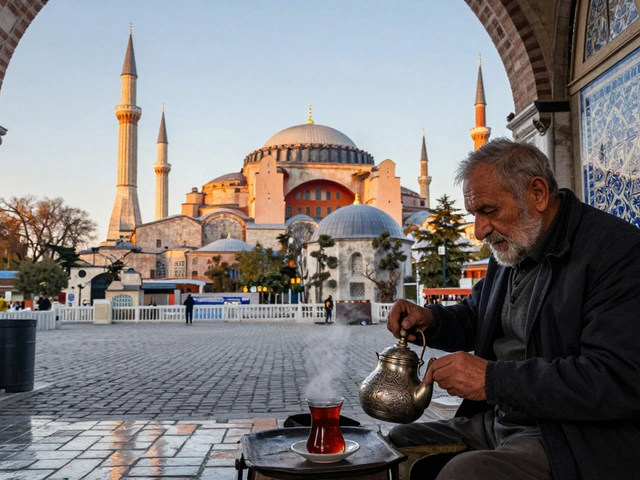
You’ve probably seen the photos: golden mosques glowing at sunset, the Bosphorus shimmering under a blue sky, street vendors selling warm simit as the call to prayer echoes through the hills. But if you’ve ever tried to plan a trip to Istanbul, you know it’s not that simple. When is the best time to visit Istanbul? The answer isn’t just about weather-it’s about crowds, prices, local life, and whether you want to stroll through Grand Bazaar in peace or dance until dawn in Kadıköy.
Let’s cut through the noise. If you want the sweet spot-good weather, manageable crowds, and prices that don’t make you flinch-April to May and September to October are your best bets. These months are when Istanbul feels like itself again: not packed with tourists, not freezing, not sweltering. But if you’re asking this question, you probably want more than a one-line answer. So let’s break it down, month by month, so you know exactly what to expect.
Why Timing Matters in Istanbul
Istanbul isn’t just a city. It’s a layered experience. In summer, the heat rolls in like a thick blanket. The streets of Sultanahmet get so crowded you can’t even take a photo without five people in the frame. In winter, the rain turns cobblestone alleys into slippery mazes, and some small museums shut down for the season. But in spring and fall? The city breathes.
You’ll notice it the moment you step off the ferry at Eminönü. The air smells like salt and fresh bread. Locals are back on the sidewalks, not huddled in cafés. Cafés themselves spill out onto the streets, and the scent of grilled corn and Turkish coffee fills the air. This isn’t just tourism season-it’s when Istanbul feels alive in a way it rarely does the rest of the year.
Spring: April and May
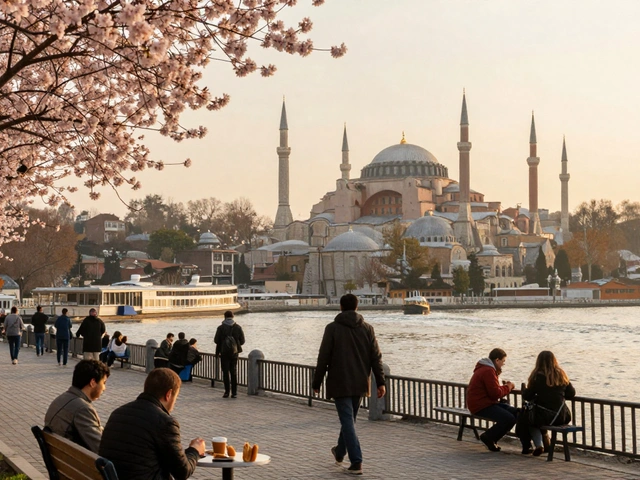
April and May are quietly the most perfect months to visit. Temperatures hover between 15°C and 22°C. The cherry blossoms bloom along the Bosphorus, and the hills of Beşiktaş turn soft green. You can walk from Hagia Sophia to Topkapı Palace without sweating through your shirt. The queues at the Blue Mosque? Maybe 10 minutes long-not the 45-minute waits you’ll see in July.
Local festivals start up too. The Istanbul International Film Festival kicks off in April. The city’s street markets, like the one in Kadıköy, come alive with handmade ceramics and fresh herbs. You’ll find locals enjoying outdoor meals on rooftop terraces, and you’ll get a table without a reservation.
Flights and hotels? Prices are still reasonable. You won’t pay double what you would in November. And because it’s not peak season, staff at hotels and tour companies are more relaxed. They’ll actually answer your questions.
Fall: September and October
If you missed spring, don’t panic. September and October are almost as good. The summer crowds have vanished, but the heat hasn’t fully left. Daytime temps stay around 20°C-26°C, perfect for walking the historic peninsula or taking a boat cruise along the Bosphorus.
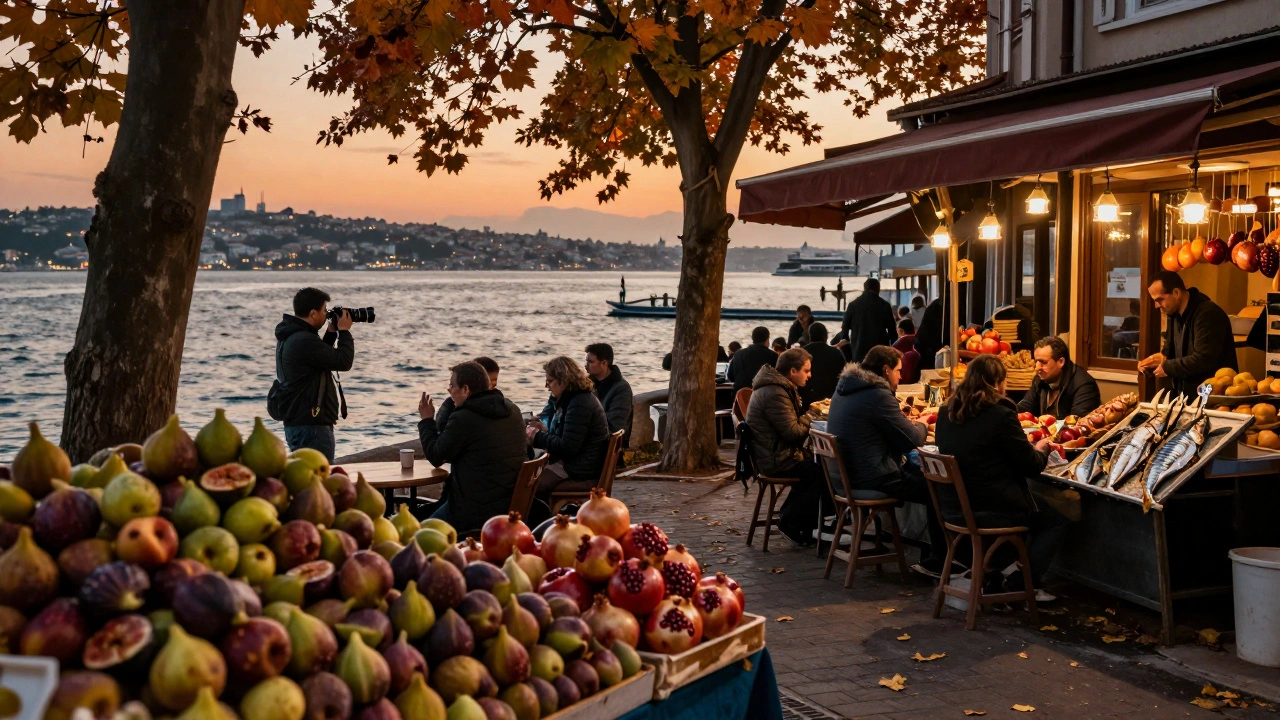
September is when Istanbul’s real rhythm returns. Schools reopen. The city quiets down. The beaches empty out. The food stalls that shut down in August reopen with fresh produce-think figs, pomegranates, and walnuts. The seafood is at its peak. You’ll find mackerel grilled over charcoal, served with lemon and flatbread, for under 200 Turkish lira.
October brings cooler nights and golden light. The light in the evening turns everything-mosques, bridges, alleyways-into a painting. It’s the best time for photography. And because it’s just before winter, prices drop again. You’ll find deals on boutique hotels in Nişantaşı and Galata.
Summer: June to August
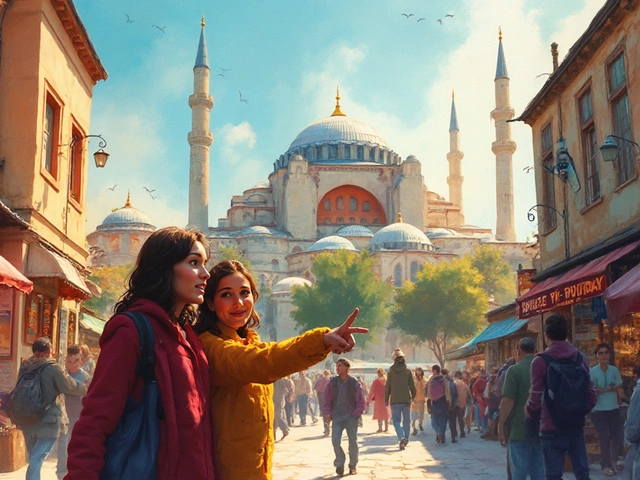
Here’s the truth: summer in Istanbul is hot. Like, really hot. Temperatures regularly hit 32°C, and humidity makes it feel like you’re walking through a steam room. The city is packed. Tour buses line up at Topkapı. The Grand Bazaar is shoulder-to-shoulder. You’ll spend half your day waiting in lines.
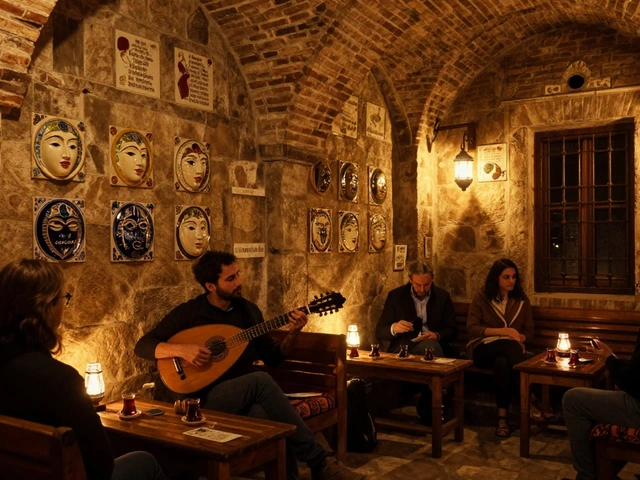
But it’s not all bad. If you love energy, noise, and life, summer is electric. The Bosphorus becomes a swimming lane. Locals head to the Princes’ Islands for the day. Beach clubs like Kumsalı open, and rooftop bars stay open until 3 a.m. The nightlife is unmatched.
Just be smart. Book everything early. Stay near the water-areas like Bebek, Arnavutköy, or Kandilli have breezes. Avoid the historic center midday. Go to museums in the morning. Take a ferry to Üsküdar for lunch. And drink more water than you think you need.
Winter: November to March
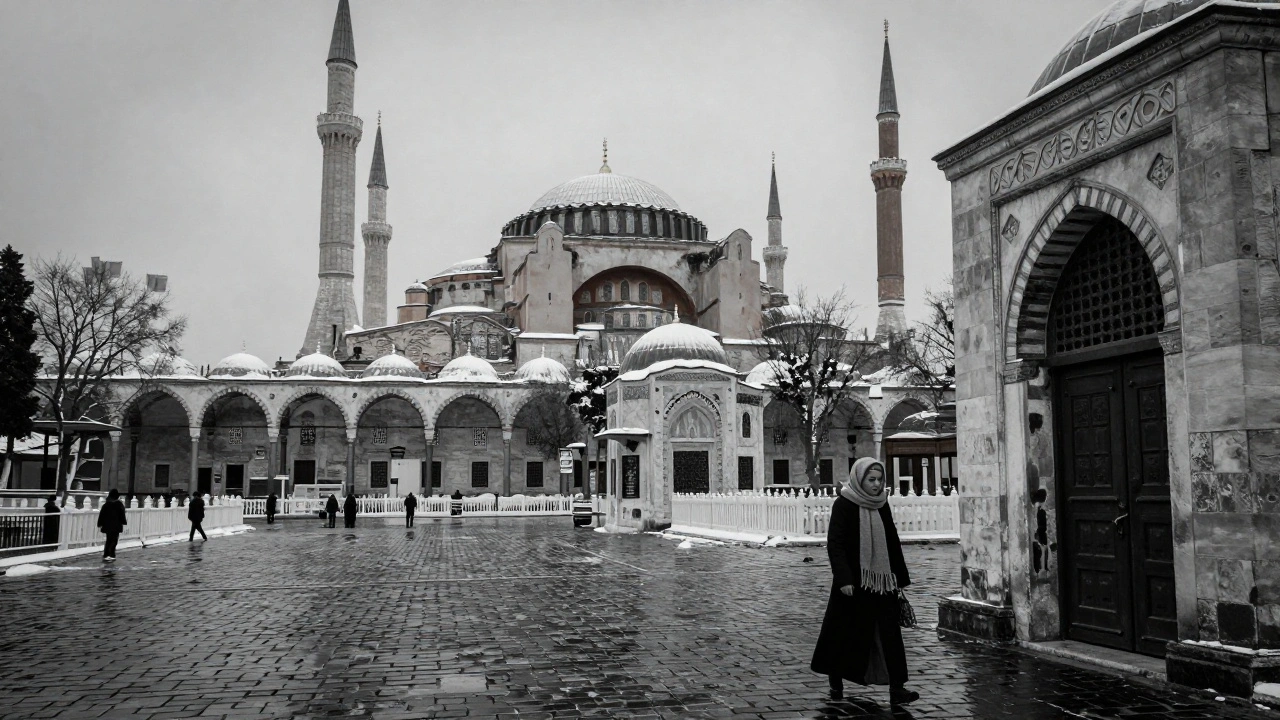
Winter in Istanbul is quiet. It’s also beautiful. Snow dusts the domes of the Süleymaniye Mosque. The city feels intimate, like a secret you’ve stumbled upon. The crowds? Gone. You can walk through the Spice Bazaar without bumping into anyone. The Hagia Sophia is empty. You’ll get a private guide for 30 euros instead of 80.
But here’s the catch: it’s cold. Rain is frequent. Some smaller museums close on weekdays. Outdoor cafes shut down. The wind off the Bosphorus cuts through your coat. If you’re not prepared, you’ll spend your trip shivering.
Still, if you like authenticity, winter is your window. You’ll eat at the same restaurants locals do. You’ll hear Turkish spoken more than English. You’ll find local artisans working in their workshops. And you’ll pay half the price for everything.
What to Expect by Season
- Spring (April-May): Mild weather, blooming gardens, fewer crowds, festivals, best for sightseeing.
- Summer (June-August): Hot, crowded, vibrant nightlife, beach access, high prices, best for party-goers.
- Fall (September-October): Warm days, cool nights, food markets open, great light for photos, low prices.
- Winter (November-March): Quiet, rainy, cold, authentic local life, low prices, best for culture lovers.
Comparison: Best Time to Visit vs. Worst Time
| Factor | Best Time (April-May, Sept-Oct) | Worst Time (July-Aug, Dec-Feb) |
|---|---|---|
| Weather | 15°C-25°C, sunny, low humidity | 30°C+ (summer), 0°C-8°C with rain (winter) |
| Crowds | Moderate-easy to explore | Extreme-long lines, packed sites |
| Prices | Normal rates, good deals | Summer: 50% higher; Winter: 30% lower |
| Local Experience | Real locals out and about | Summer: tourists dominate; Winter: locals stay indoors |
| Best For | Sightseeing, photography, food, culture | Summer: nightlife; Winter: budget travelers, quiet reflection |
What You Should Pack
Don’t just grab your summer shorts and call it a day. Istanbul’s weather shifts fast. Pack layers. A light jacket for evenings. Comfortable shoes-you’ll walk 10,000 steps a day. A small umbrella. And don’t forget a scarf. Not just for the mosque-it’s useful for sun protection, chilly ferry rides, and even covering your head if you need to enter a religious site without a hat.
If you’re visiting in winter, bring waterproof boots. The streets get slick. And if you’re coming in summer, sunscreen. The sun here is brutal, even on cloudy days.
FAQ: Your Questions About Visiting Istanbul Answered
Is it worth visiting Istanbul in winter?
Yes-if you want to experience Istanbul like a local. Winter is quiet, affordable, and deeply authentic. Museums are empty. You can book private tours. The food is still incredible. Just be ready for cold, rainy days and fewer open outdoor cafés.
What’s the cheapest month to visit Istanbul?
January and February are the cheapest. Flights and hotels drop by 30-40%. But the weather is cold and wet. If you’re okay with that, you’ll save big. Just avoid late December-it’s still high season because of holiday travelers.
Can I swim in Istanbul in summer?
Yes, but not in the city center. The Bosphorus is too busy with boats. Head to the Princes’ Islands-especially Büyükada or Heybeliada-for clean beaches. Or try Kumsalı Beach near Kadıköy. Water temperatures reach 25°C in August, so it’s comfortable.
How many days do I need in Istanbul?
Four days is the sweet spot. You’ll cover the historic peninsula (Hagia Sophia, Blue Mosque, Topkapı, Grand Bazaar), cross the Bosphorus, explore Kadıköy, and have time for a food tour. If you want to visit the Princes’ Islands or do a day trip to Bursa, add two more days.
Is Istanbul safe for solo travelers?
Extremely. Istanbul is one of the safest major cities in Europe for solo travelers. The streets are busy day and night. Locals are helpful. Just avoid poorly lit alleys after midnight, like anywhere else. Use ride-share apps instead of hailing cabs on the street.
Final Thought: Don’t Just Chase the Weather
The best time to visit Istanbul isn’t just about sunshine. It’s about what kind of experience you want. Do you want to feel the pulse of the city? Go in spring or fall. Do you want to dance until sunrise? Come in July. Do you want to sit alone in a 1,500-year-old church with no one else around? Visit in January.
Istanbul doesn’t change-it just reveals different sides of itself. You don’t need to wait for perfect weather. You just need to know what you’re looking for. And now, you do.