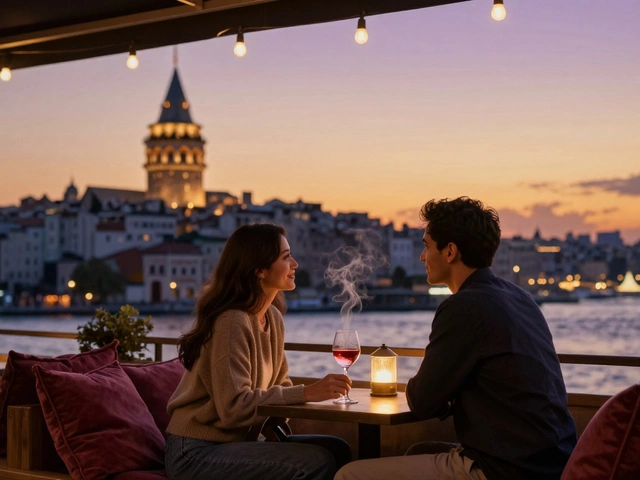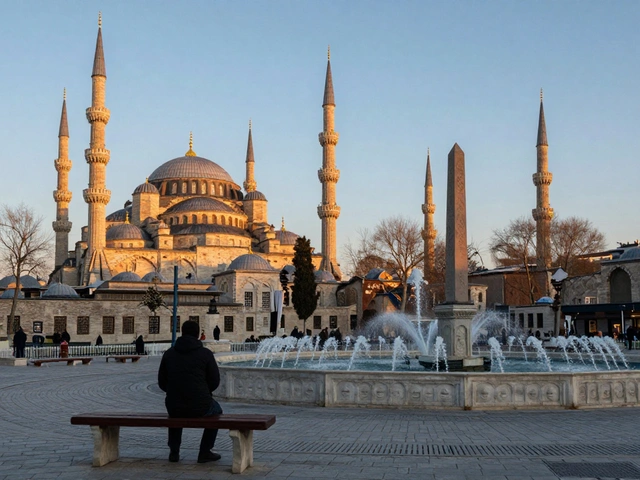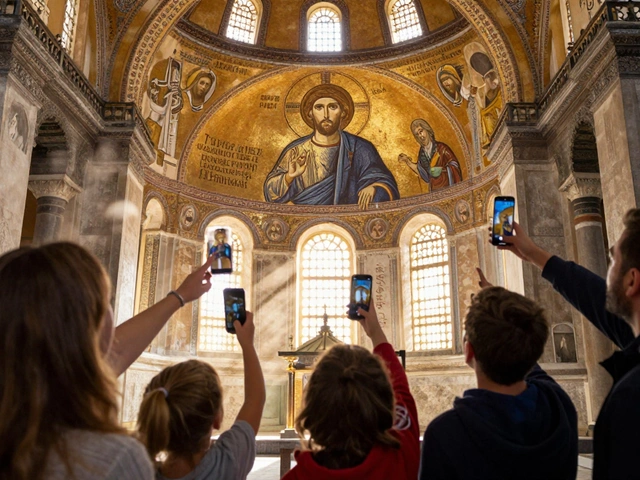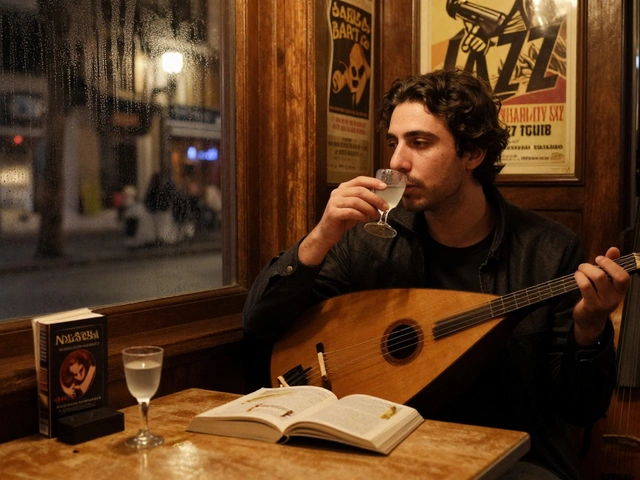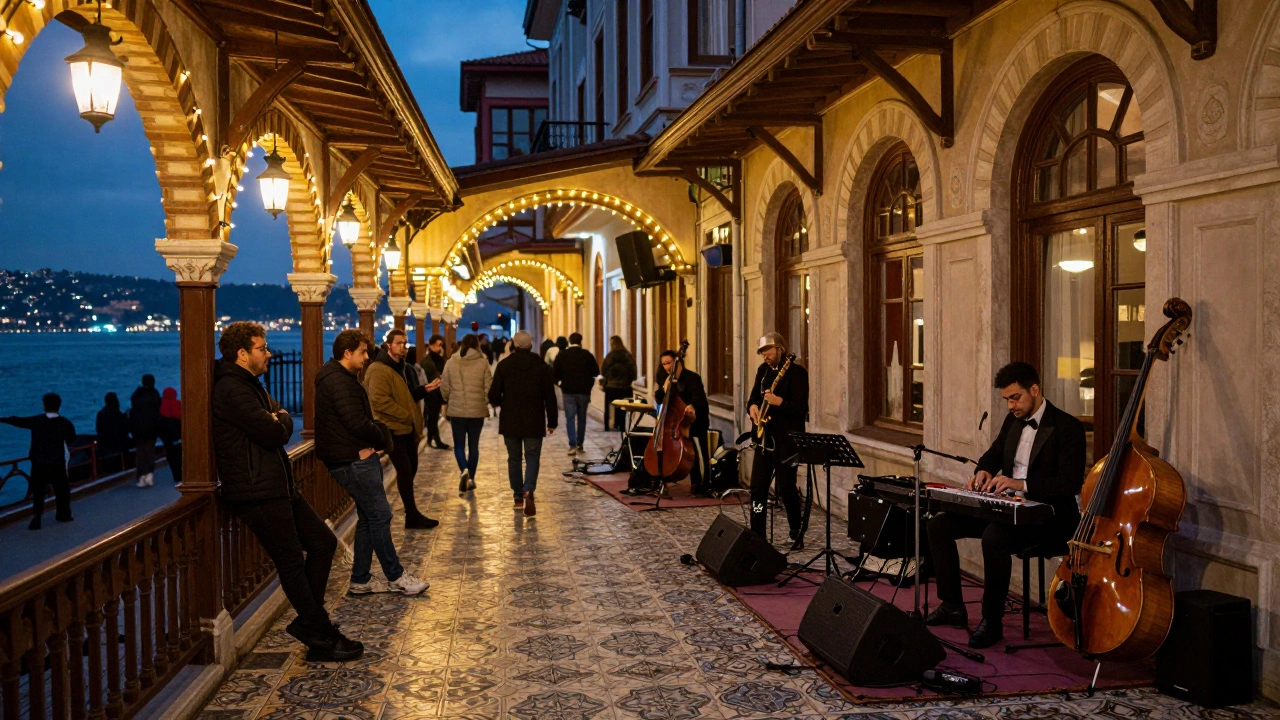
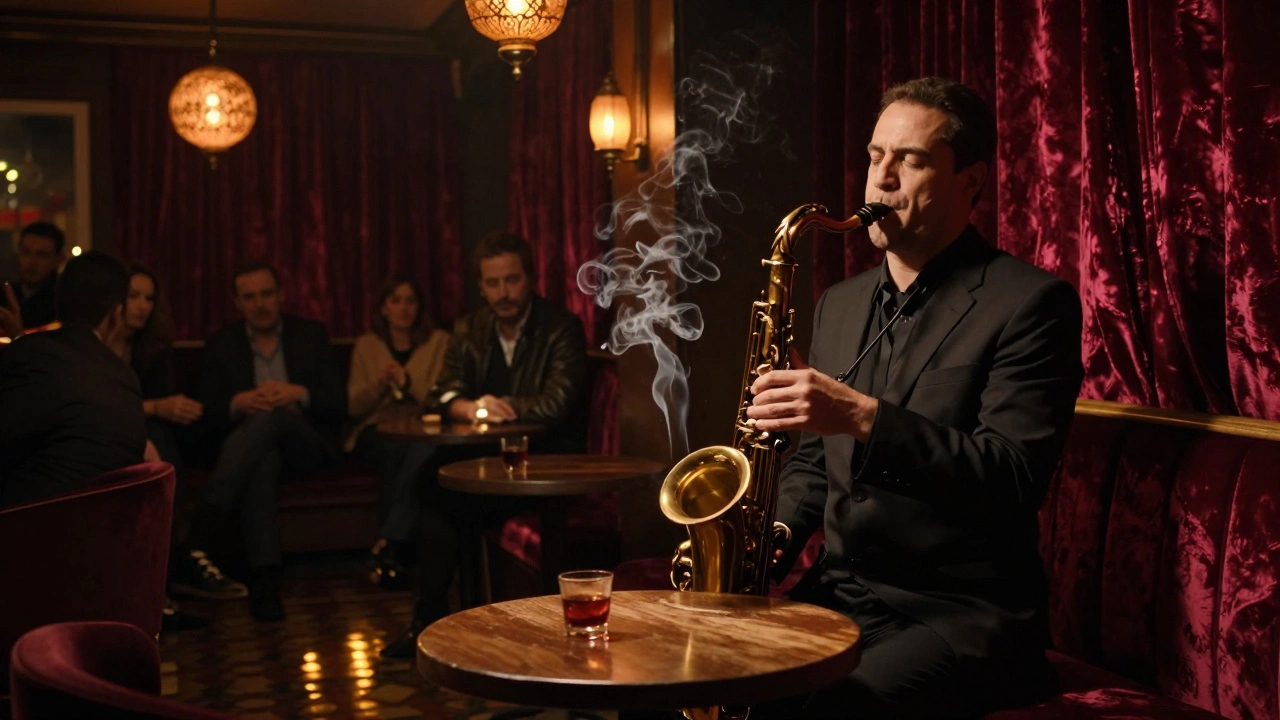
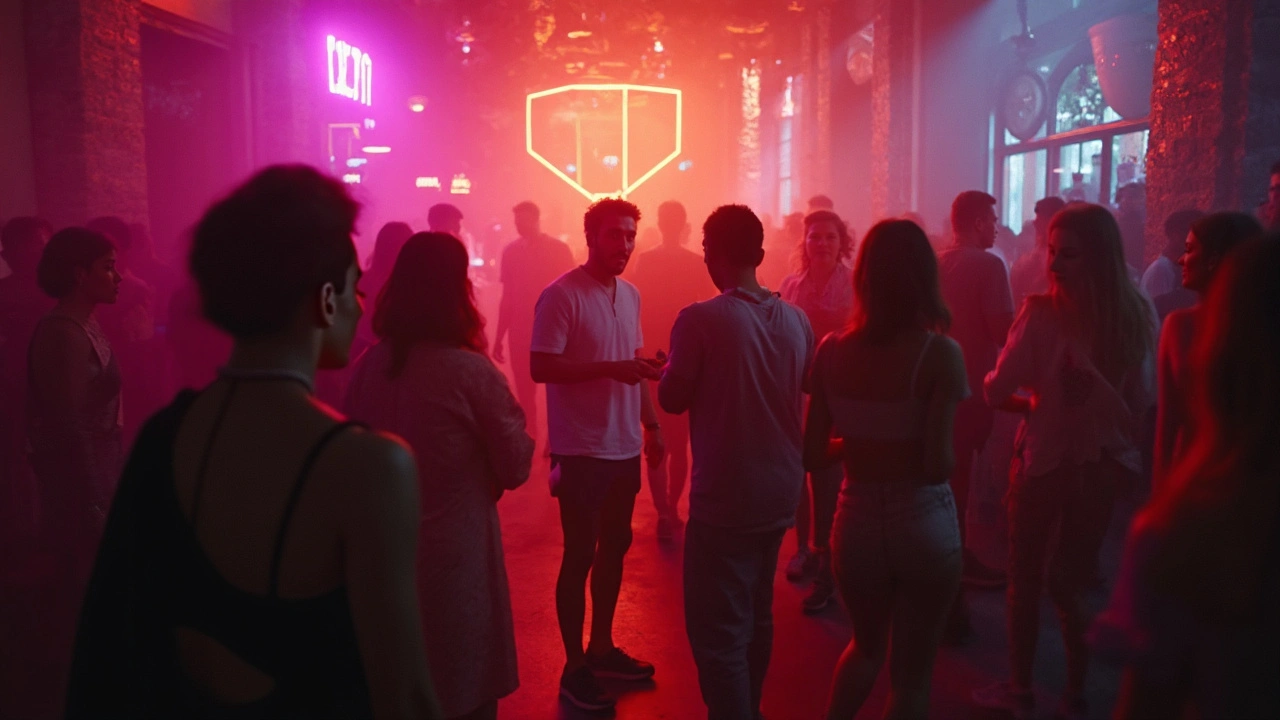
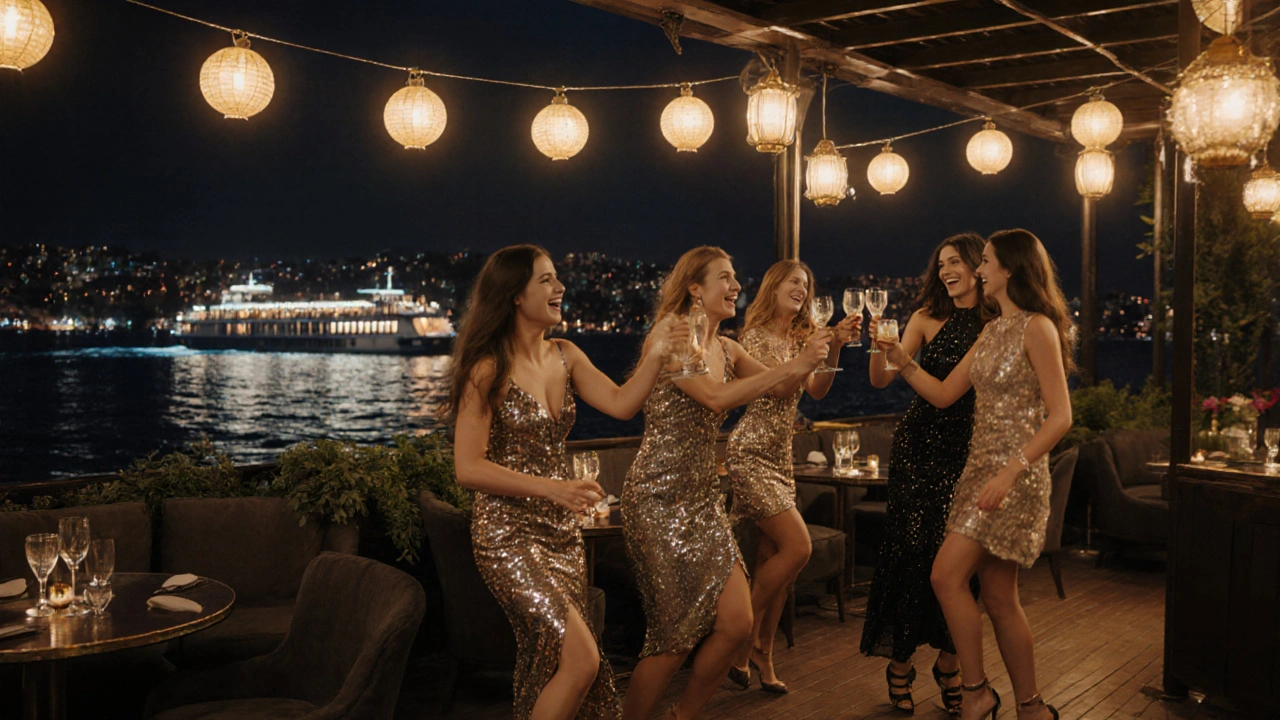

In Istanbul, the night doesn’t just begin after sunset-it rewires the city. While the call to prayer echoes over the Golden Horn and the Bosphorus glows with the last light of day, another rhythm starts to pulse beneath the cobblestones. This isn’t just about drinking or dancing. Istanbul’s nightlife is a living archive: Ottoman tea houses turn into jazz lounges, 19th-century Greek warehouses become underground techno spots, and fishermen’s docks along the Bosphorus host rooftop bars where locals sip raki under string lights. If you think nightlife means clubs and neon, you haven’t walked the alleyways of Beyoğlu after midnight.
From Ottoman Taverns to Modern Basslines
Istanbul’s nightlife didn’t start with EDM festivals. It began in the kanun rooms of the 17th century, where intellectuals gathered to recite poetry over sherbet and oud music. The spirit of those spaces lives on in places like Asitane in Topkapı, where traditional Turkish music still fills the air, but now it’s the younger generation that’s reshaping the scene. In Karaköy, the old Ottoman customs of gözetim-being watched, being polite-still matter. You won’t see rowdy crowds here. Instead, you’ll find people sipping çay on wooden benches, listening to ney flute players, and talking until 3 a.m. without raising their voices.
Fast forward to today: Beyoğlu’s İstiklal Avenue is no longer just a tourist strip. By 10 p.m., the side streets like Boğazkesen Caddesi and Çiçek Pasajı come alive. Çiçek Pasajı, once a 19th-century wine shop corridor, now houses Neon, a live music venue where Turkish rock bands like Mor ve Ötesi play to packed crowds. You’ll hear a mix of Arabic scales, Balkan brass, and synth beats-all in one night.
The Bosphorus Effect: Where the City Breathes at Night
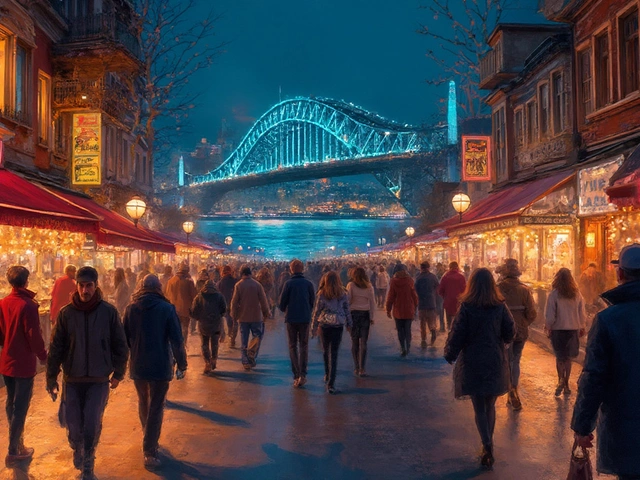
What makes Istanbul’s nightlife different from Berlin or Tokyo? The water. The Bosphorus isn’t just a backdrop-it’s a rhythm. The ferry horns, the lapping waves, the glow of the bridges: they all sync with the beat. In Bebek, Leb-i Derya sits right on the shore, where you can order a bottle of Çağlayancık wine and watch the ferries glide past with lights twinkling like stars. Locals don’t go here for the crowd. They go for the silence between songs.
Down in Kadıköy, across the water, the vibe shifts. This is where Istanbul’s youth live. The streets here aren’t touristy. They’re lived-in. Çarşı, the heart of Kadıköy, is a maze of indie record shops, craft beer bars like Barbican, and tiny venues like Yeni Çarşı where underground hip-hop artists drop new tracks every Friday. You won’t find a bouncer here. You’ll find a guy named Murat who knows your name and your favorite drink. That’s the culture.
Where to Drink Like a Local
If you’re looking for the real deal, skip the rooftop bars with $20 cocktails. Start with halk lokantası-the neighborhood eatery that turns into a bar after 10 p.m. In Fatih, Yeni Lokanta serves ayran and meze until 2 a.m., and the owner, Halil, will tell you stories about how the place was a tobacco warehouse in the 1950s. The drinks are cheap. The company? Priceless.
For raki lovers, Asmalı Mescit in Beyoğlu is the gold standard. It’s not fancy. It’s just wood tables, a single ceiling fan, and a bottle of Yeni Rakı on every table. You don’t order shots here. You sip slowly, with water on the side, letting the anise bloom. The food? Sardalya (grilled sardines), haydari (yogurt dip), and piyaz (white bean salad). This is how Istanbulans unwind-not with a cocktail, but with conversation.
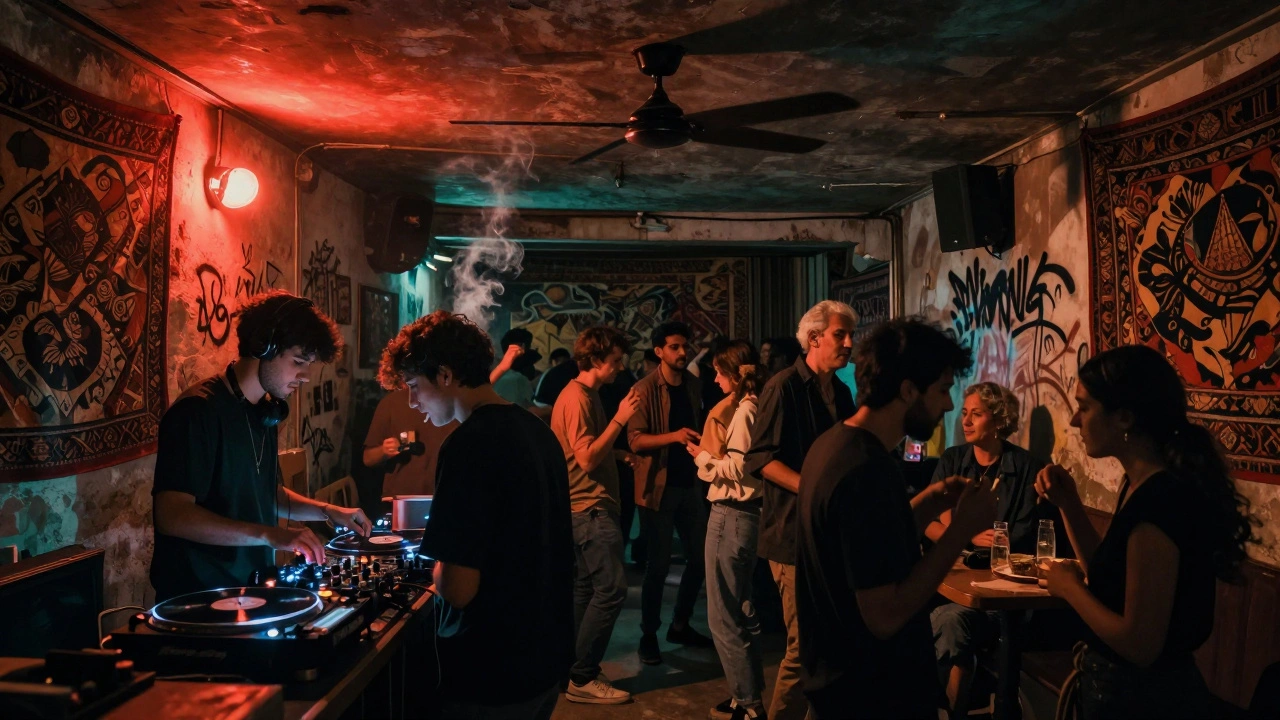
The Underground: From Basements to Rooftops
Don’t look for signs. Look for whispers. In the basement of a 1920s apartment building in Galata, Bar 21 hosts experimental electronic sets on Saturdays. The door is unmarked. You need a friend to get in. The sound? A blend of Turkish folk samples and Berlin techno. No VIP section. No bottle service. Just a 25-year-old DJ from Ankara spinning vinyl and a crowd of students, artists, and retired professors all dancing together.
On the other end of the spectrum, W Istanbul on the Bosphorus hosts weekly Boat Nights-a party on a converted fishing boat that sails from Karaköy to Bebek. It’s not cheap, but it’s one of the few places where you’ll see a Turkish banker in a linen shirt next to a Kurdish poet in a leather jacket. The music? Mostly deep house, but sometimes a live ney player joins in. It’s surreal. And it’s Istanbul.
When to Go, What to Wear, and What to Avoid
Weekends are alive, but Tuesday and Wednesday nights are where the real insiders go. Bars are quieter. The music is better. The prices drop. In Kadıköy, Yeni Çarşı often has free live jazz on Wednesdays. In Beyoğlu, Barbican offers half-price craft beers after 11 p.m. on weekdays.
What to wear? No dress code, unless you’re going to a high-end place like Leb-i Derya or W Istanbul. For most spots, clean jeans and a button-down shirt are fine. Women don’t need to cover up-this isn’t Ankara. But avoid flip-flops and tank tops in traditional neighborhoods like Bebek or Üsküdar. Locals notice.
Avoid places that advertise “Turkish Night” with belly dancers and fake oud music. Those are tourist traps. The real magic is in the quiet corners. Look for places where the staff doesn’t speak English. That’s usually a good sign.
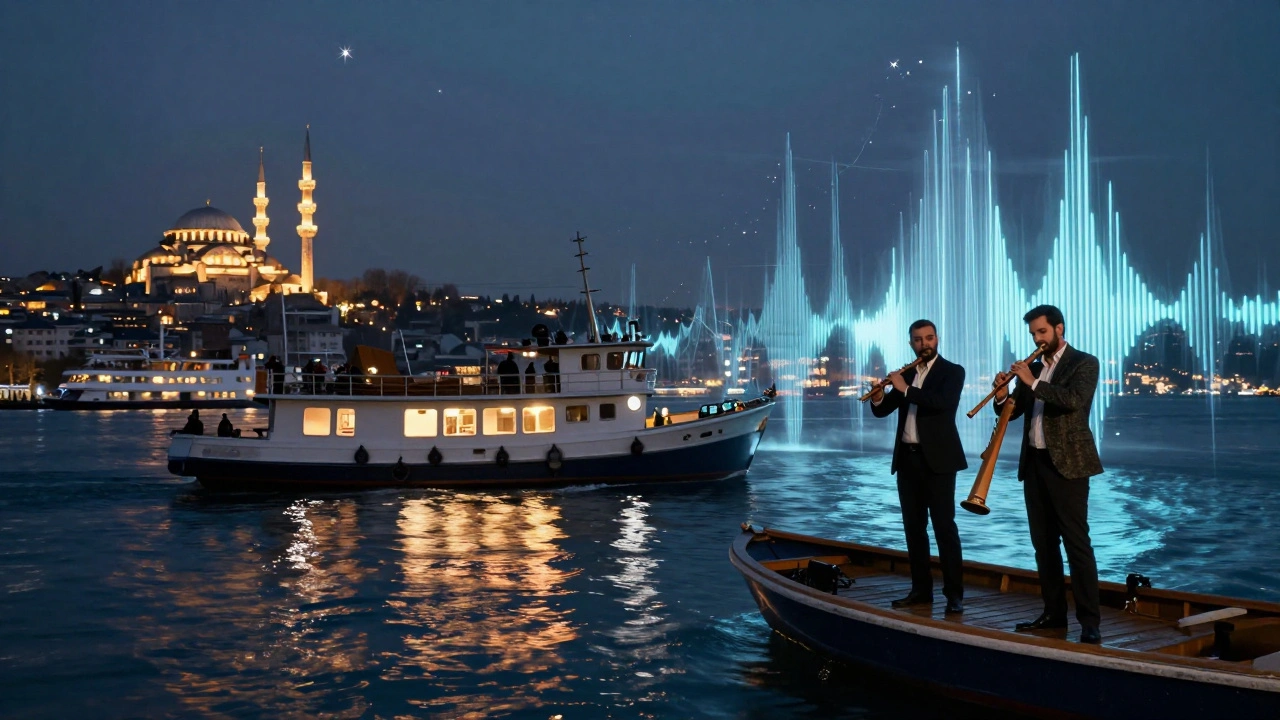
Music, Not Just Noise
Istanbul’s nightlife doesn’t just play music-it preserves it. At Arkaoda in Kadıköy, you’ll hear Arabesk legends like Müslüm Gürses on repeat. At Yalnız Gönüllü in Cihangir, it’s İstanbul Klasikleri-old Turkish pop from the 70s and 80s. And at Bar 21, you’ll hear a remix of a Sufi chant layered over a drum machine.
This isn’t just entertainment. It’s identity. Every note, every glass clink, every laugh in the alleyway is a thread in a centuries-old fabric. The Ottoman Empire fell. The Republic rose. But the night? The night stayed the same.
Seasonal Shifts and Local Events
Winter in Istanbul is cold, but the nightlife doesn’t sleep. In December, İstanbul Jazz Festival runs through the city’s historic churches and synagogues. In January, Kadıköy Sound Festival turns the whole district into a stage-free concerts in bookshops, bakeries, and even laundromats.
Summer? That’s when the Bosphorus comes alive. The Boat Party Season starts in June and ends in September. The most popular? The Çırağan Palace sunset cruise, where locals bring their own wine and sit on the deck with friends. No tickets needed. Just show up.
And if you’re lucky, you’ll catch a hafız reciting the Quran in a quiet courtyard near the Grand Bazaar at midnight-just before the last bar closes. It’s not a contradiction. It’s Istanbul.
Is Istanbul nightlife safe for solo travelers?
Yes, but with awareness. Istanbul’s nightlife is generally safe, especially in areas like Beyoğlu, Kadıköy, and Karaköy. Stick to well-lit streets, avoid empty alleys after 2 a.m., and don’t carry large amounts of cash. Locals are helpful-if you look lost, someone will ask if you need help. Avoid flashing expensive gear. The biggest risk isn’t crime-it’s getting so caught up in the music you miss the last ferry home.
What’s the legal drinking age in Istanbul?
The legal drinking age in Turkey is 18. ID checks are rare in casual bars but common in clubs and upscale venues. You’ll often be asked for a passport or Turkish ID. Don’t rely on a fake ID-Turkish police are strict, and fines can be steep.
Are there any nightlife areas to avoid in Istanbul?
Avoid areas like Sirkeci and Eminönü late at night unless you’re with someone who knows the area. These are transit zones, not nightlife hubs. Also, steer clear of unmarked clubs in industrial zones like Zeytinburnu or Esenler-these are often scams. Stick to neighborhoods with established bars: Beyoğlu, Kadıköy, Cihangir, Karaköy, and Bebek. If a place looks abandoned or has no windows, walk away.
Can I find vegetarian or vegan options in Istanbul nightlife spots?
Absolutely. Most bars in Kadıköy and Cihangir serve vegan meze-think stuffed grape leaves, grilled eggplant, lentil soup, and hummus. Barbican has a full vegan menu, and Yeni Çarşı offers vegan imam bayıldı (stuffed eggplant). Even traditional spots like Asmalı Mescit can make you a plate of vegetables without meat. Just ask: "Vejeteryen var mı?"
What’s the best way to get around Istanbul at night?
The metro runs until midnight, but the fun starts after that. Use the İstanbulkart for night buses (H1, H2, H3, H4), which operate until 4 a.m. and connect major nightlife zones. Ferries run until 1 a.m. on weekdays and 3 a.m. on weekends. Taxis are safe and affordable-always use BiTaksi or Uber to avoid overcharging. Never take unmarked cabs. And if you’re going across the Bosphorus, plan ahead-the last ferry is your lifeline.
There’s no single Istanbul nightlife. There are dozens-each shaped by the neighborhood, the music, the generations. It’s not about how loud it is. It’s about how deeply you listen.