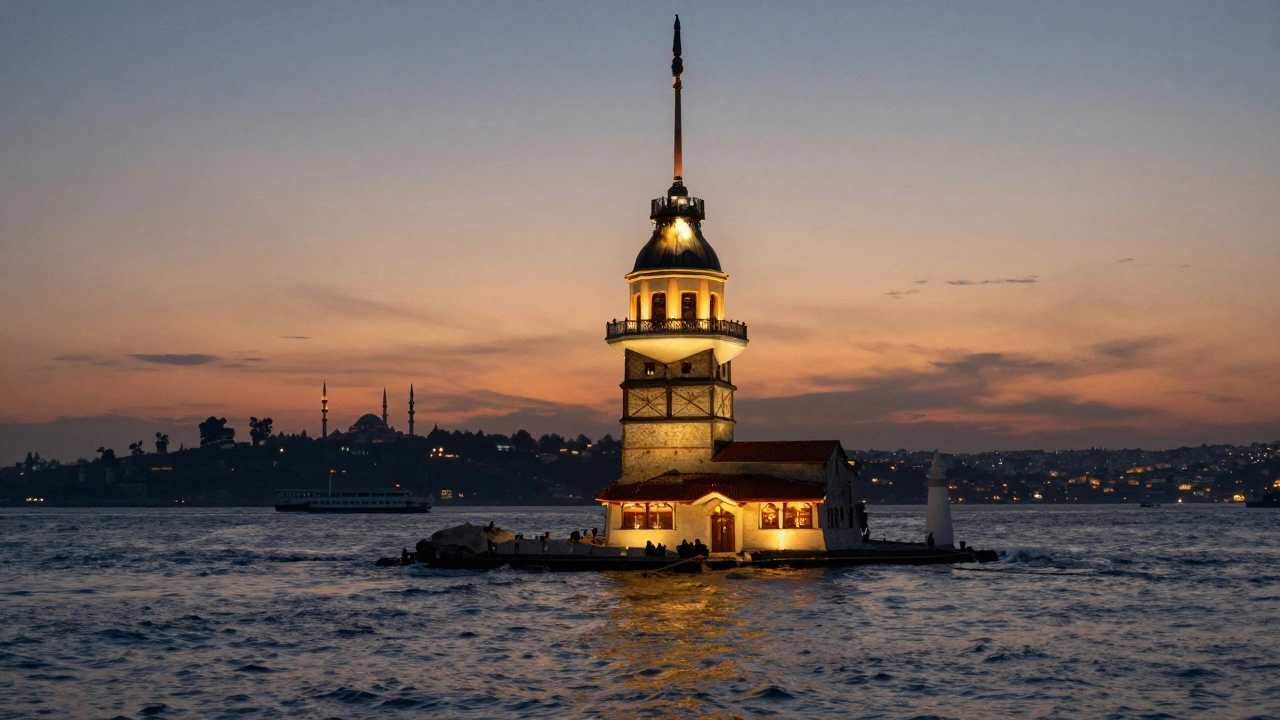
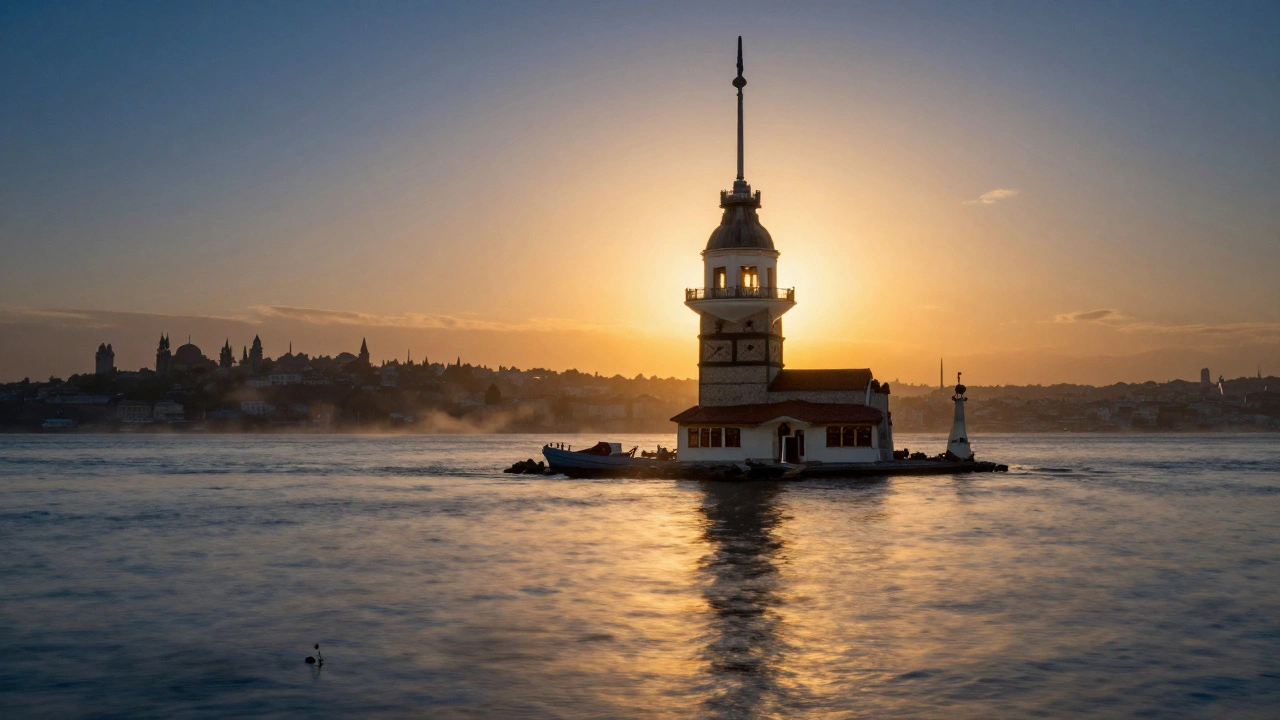
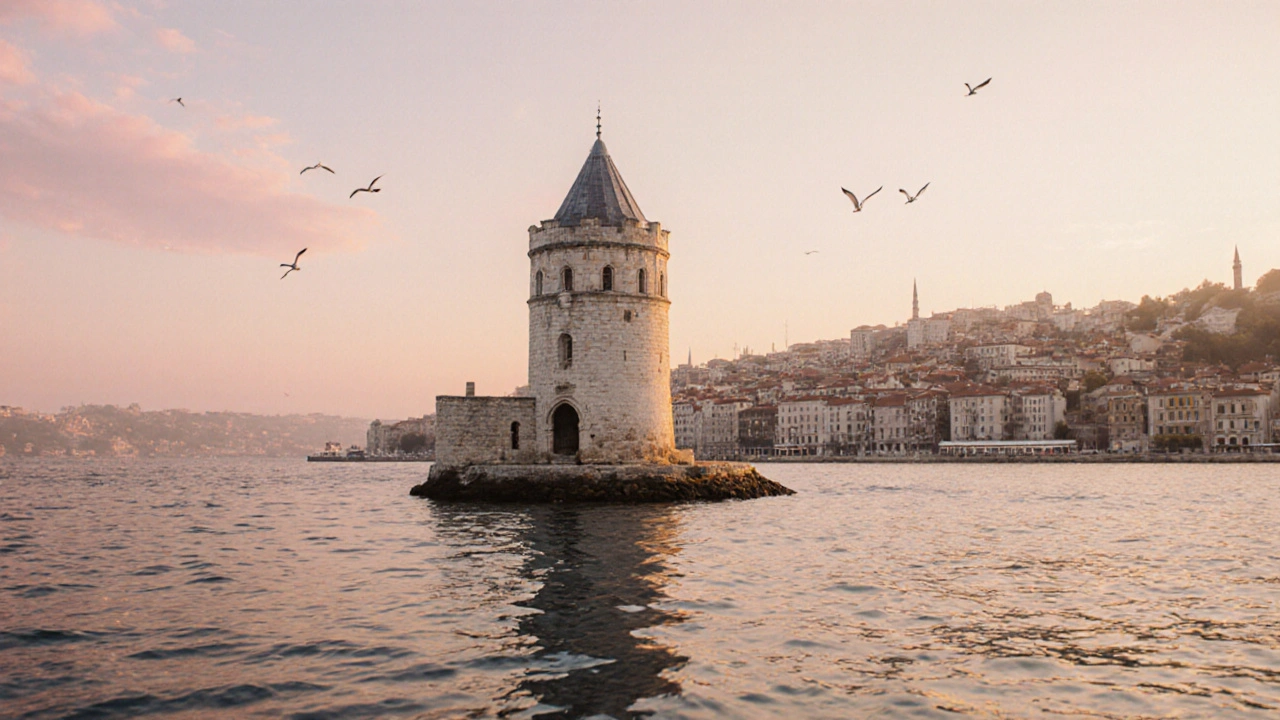
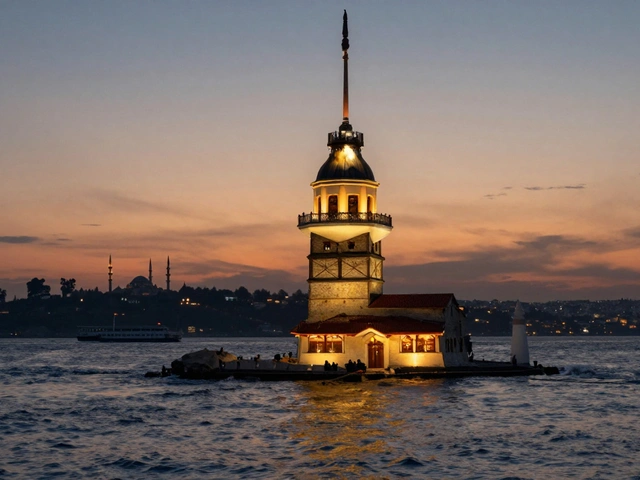
Just off the coast of Üsküdar, where the Bosphorus meets the Sea of Marmara, stands a slender stone tower that has watched over Istanbul for over a thousand years. The Maiden's Tower isn’t just another tourist photo spot-it’s a living piece of Istanbul’s soul, wrapped in myth, history, and the quiet rhythm of the city’s waters. If you’ve ever taken a ferry from Kadıköy to Beşiktaş and caught a glimpse of it glowing at sunset, you already know why this place pulls at something deeper than curiosity.
More Than a Tower: A Symbol of Istanbul’s Story
In Istanbul, history doesn’t sit quietly in museums. It lives on the docks, in the calls of the muezzin echoing over the water, in the way the light hits the minarets at dusk. The Maiden’s Tower, or Kız Kulesi in Turkish, is one of those rare places where every wave that laps against its base seems to whisper a different tale. Some say it was built by a Byzantine emperor to protect his daughter from a prophecy. Others claim it was a lighthouse for Roman ships. A few locals still swear it was once a prison for a sultan’s forbidden lover.
Here’s the truth: no single story holds it all. That’s why it endures. Unlike the Hagia Sophia or Topkapı Palace, which are grand and well-documented, the Maiden’s Tower thrives on mystery. It’s the kind of landmark that feels personal-like a secret only Istanbul knows.
Where Legends Took Root
The most famous legend begins with a Byzantine emperor who, after a soothsayer warned his daughter would die from a snake bite, built a tower on a tiny islet far from land. He kept her there, isolated, surrounded by water. But fate is clever. One summer, a snake slithered into the tower hidden inside a basket of figs brought from Princes’ Islands. The girl died. The tower, built to protect her, became her tomb.
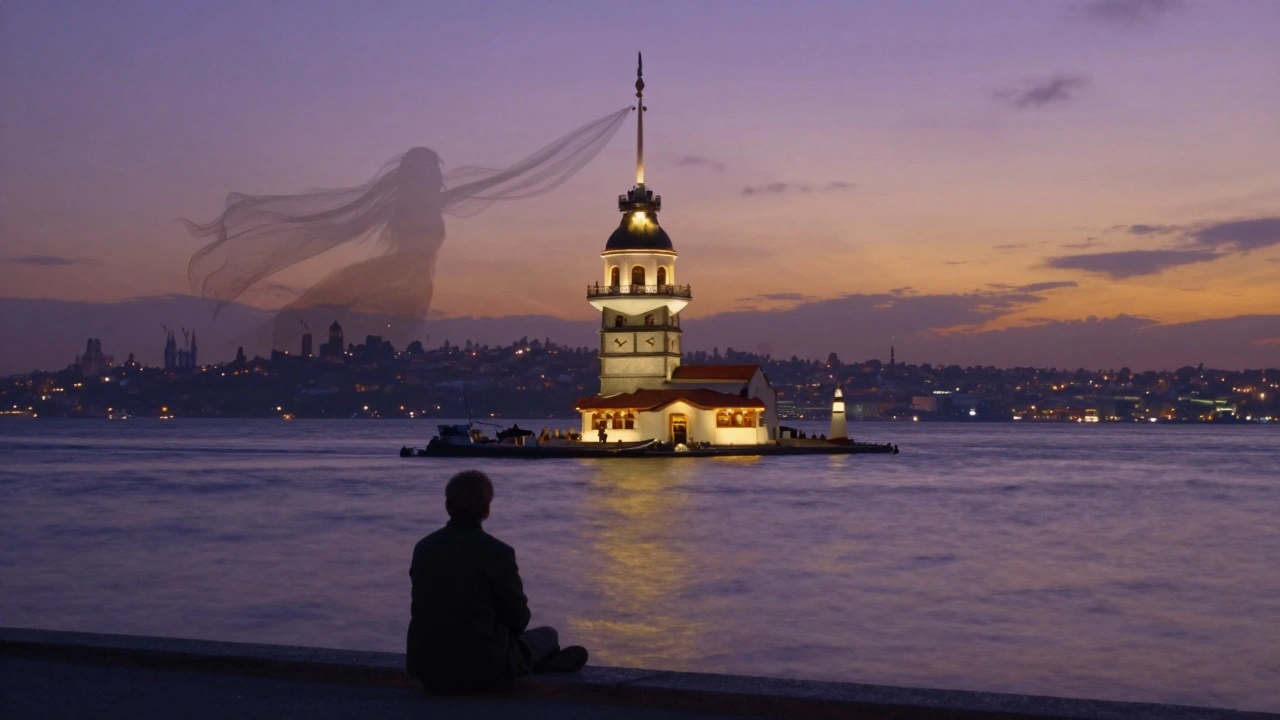
Another tale, popular among Turkish storytellers, says the tower was built by a wealthy merchant who fell in love with a woman from the mainland. He built it to keep her safe from pirates-but she vanished one night, leaving behind only a single silver earring. To this day, fishermen near the tower say they sometimes hear a woman’s voice singing in the wind.
These aren’t just bedtime stories. They’re part of how Istanbul understands itself. The tower is where myth and water meet-just like the city itself, which straddles two continents and holds centuries of voices in its streets.
Visiting the Tower Today
If you’re thinking of visiting, here’s how to do it right. The tower isn’t just a relic-it’s a functioning restaurant and café, run by a well-known Turkish hospitality group. You can take a short ferry ride from Üsküdar Pier (the same one where the 15th of March tram stops) for just 30 Turkish lira round-trip. The ride takes under ten minutes. No need to book ahead unless you want dinner.
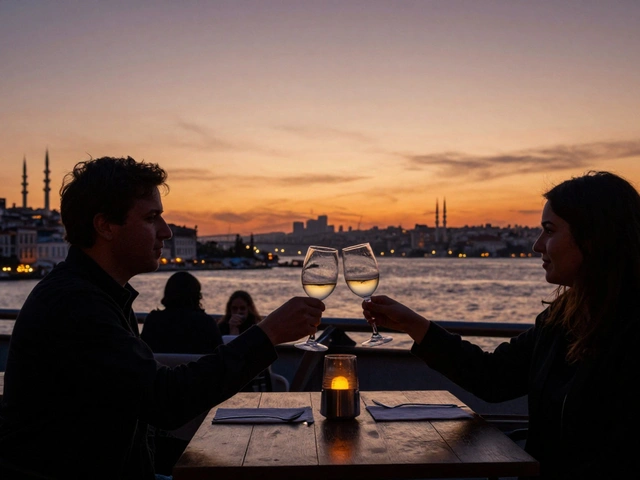
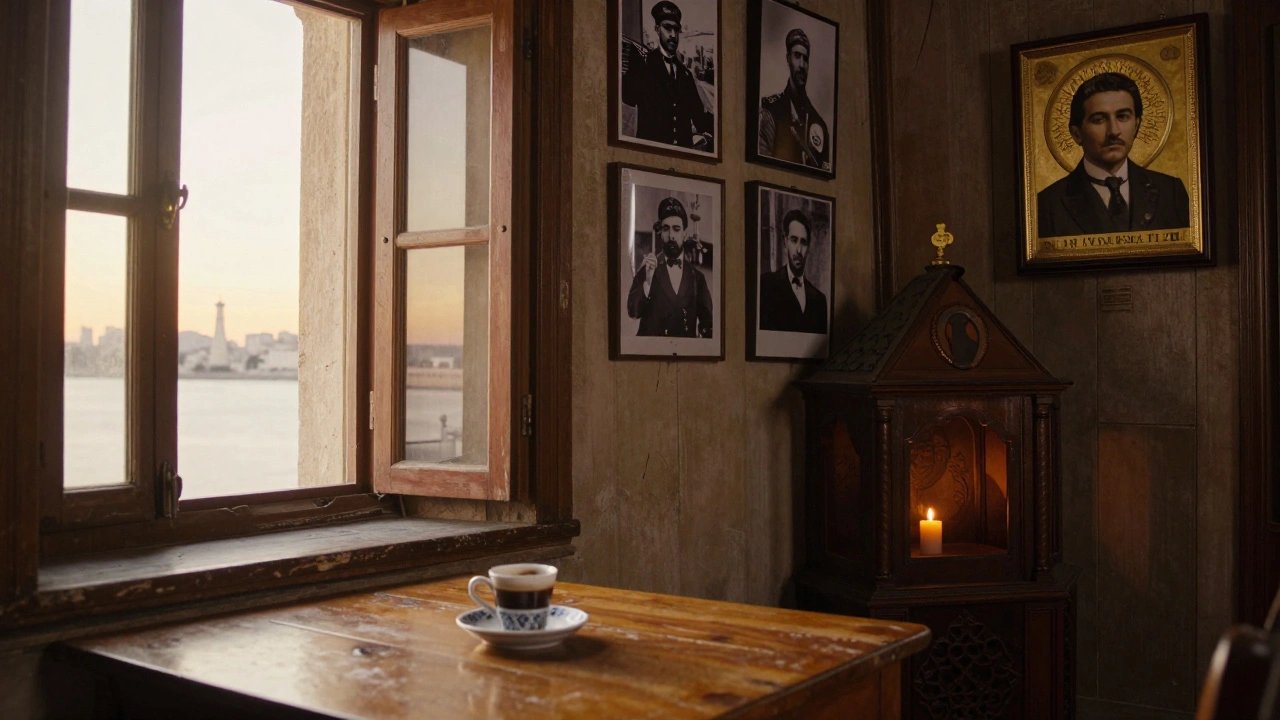
Go at sunset. The light turns the stone golden, and the call to prayer from the nearby Mihrimah Sultan Mosque drifts across the water. Bring a scarf if it’s spring or fall-wind off the Bosphorus gets sharp. Sit on the terrace, sip Turkish coffee from a ceramic cup, and watch the ferries glide by. You’ll see locals taking selfies with their families, expats sketching the view, and tourists asking the same question: “Why is it called the Maiden’s Tower?”
Inside, the walls are lined with old photographs: Ottoman sailors, French diplomats, even a 1920s photo of a young Mustafa Kemal Atatürk visiting. The menu is simple: grilled fish from the Black Sea, manti dumplings, and baklava made with pistachios from Gaziantep. No overpriced tourist traps here-just honest, local flavors.
Why It Still Matters
In a city that’s changing fast-new bridges, luxury condos rising along the Golden Horn, Instagram influencers posing at every corner-the Maiden’s Tower remains untouched. It hasn’t been turned into a museum. It hasn’t been flooded with chain stores. It still lets the sea speak.
For Istanbul residents, it’s more than a landmark. It’s a quiet reminder that not everything needs to be explained. The tower doesn’t need a plaque to tell you its story. You feel it when you ride the ferry, when you see the light catch its spire just as the last call to prayer fades.
It’s also a place where generations connect. Grandparents bring grandchildren to see it. Young couples take photos there before proposing. Artists paint it. Poets write about it. Even the city’s metro maps mark it-not as a museum, but as a destination.
Hidden Details You Won’t Find on Tourist Brochures
Most people don’t know that the tower has been rebuilt at least four times. The current structure dates to 1721, but the original foundation is Roman. Archaeologists found a 4th-century mosaic beneath the floor during renovations in the 1990s. You can’t see it now-it’s sealed off-but locals say if you stand at the base on a still night and press your ear to the stone, you can hear faint echoes of ancient chants.
There’s also a small chapel inside, dedicated to Saint Euphemia, a Christian martyr. It’s rarely open to the public, but if you ask the staff, they might let you peek in. The icon is painted on wood, not gold leaf. It’s worn from centuries of touch.
And if you’re curious about the name: “Maiden” doesn’t mean virgin. In old Greek and Byzantine terms, it meant “isolated” or “unreachable.” The tower was built to keep things out-not to lock someone in.
When to Go, How to Get There
Best time to visit? Late afternoon in April, May, or September. The weather is mild, the crowds thin, and the ferry lines are short. Avoid weekends in summer-Turkish families flock here for picnics on the shore, and the line for the boat can stretch to an hour.
From Sultanahmet: Take the T1 tram to Eminönü, then hop on the Üsküdar ferry (number 15, operated by Şehir Hatları). From Kadıköy: Walk to the Üsküdar ferry terminal (it’s right next to the Çarşı Metro station). The ferry runs every 20 minutes until 9 PM.
Pro tip: Buy a İstanbulkart at any kiosk. It works on ferries, trams, and buses. A single ride costs 12 lira. You’ll save money if you plan to explore more of the city.
What Else to Do Nearby
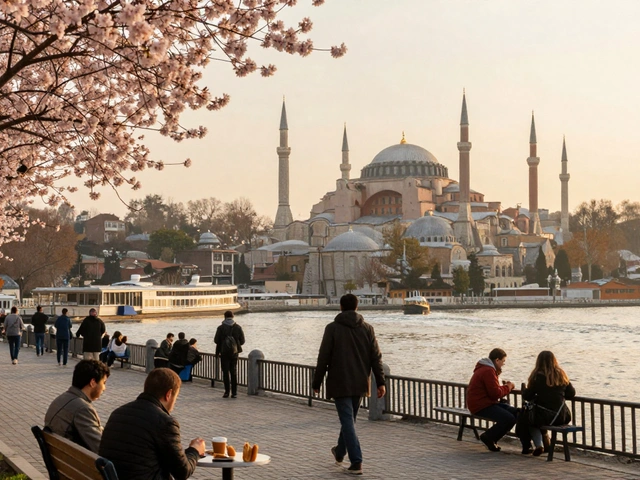
While you’re in Üsküdar, don’t miss the Mihrimah Sultan Mosque-designed by Mimar Sinan, it’s one of the most elegant in the city. Walk the waterfront promenade, where locals jog at dawn and old men play backgammon under chestnut trees. Grab a simit from a street vendor near the pier-warm, sesame-crusted, and still soft inside.
If you’re feeling adventurous, take the next ferry to Princes’ Islands. The Maiden’s Tower is the first thing you’ll see as you leave the mainland. It’s like saying goodbye to Istanbul before you even leave.
Why is the Maiden’s Tower called that?
The name comes from the Byzantine Greek word "kouros," meaning "isolated" or "unreachable." Early versions of the tower were built on small islands to keep people or treasures away from invaders. Over time, the name evolved into "Maiden’s Tower," likely influenced by legends about princesses kept in isolation. It’s not about virginity-it’s about separation.
Can you stay overnight in the Maiden’s Tower?
No, you can’t stay overnight. The tower is not a hotel. It operates as a restaurant and café during daylight hours and closes at 10 PM. The upper floors are used for storage and maintenance. There are no private rooms or guest accommodations.
Is the Maiden’s Tower really haunted?
There’s no official record of hauntings, but many Istanbul locals share stories-whispers in the wind, lights flickering when no one’s inside, the sound of a woman singing. These aren’t marketed as tourist attractions. They’re passed down quietly, like family recipes. If you visit at dusk, you might just feel something too.
Are there guided tours of the Maiden’s Tower?
There are no formal guided tours inside the tower. The staff can answer questions, and there are small informational panels in Turkish and English. For deeper history, join a Bosphorus cruise that includes a stop at the tower-many local operators like Istanbul Sea Tours offer storytelling during the ride.
Is it worth visiting if I’ve already seen Hagia Sophia and Topkapı?
Absolutely. Hagia Sophia and Topkapı tell you how Istanbul ruled. The Maiden’s Tower tells you how it dreamed. It’s quieter, more personal, and more authentically Istanbul. If you want to understand what the city feels like when the crowds are gone, this is the place.
So next time you’re in Istanbul, skip the crowded plazas. Take the ferry. Sit on the terrace. Watch the water. Let the legend settle into you. Because in a city as layered as this, the most powerful stories aren’t written in stone-they’re whispered on the wind.