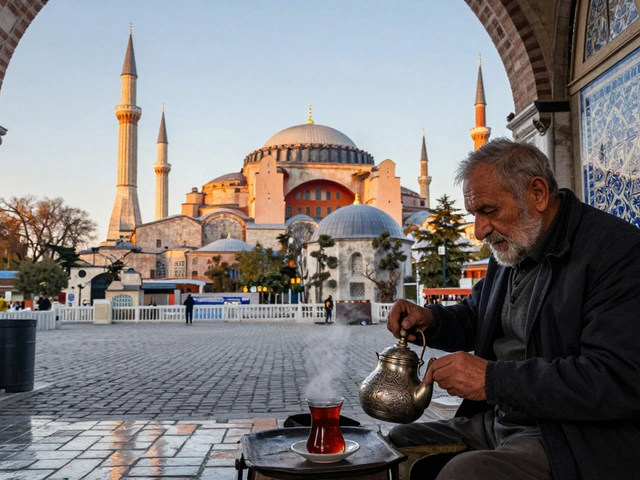
In Istanbul, history doesn’t live in books-it walks the cobblestones of the Grand Bazaar, whispers from the domes of Hagia Sophia, and echoes in the vaulted halls of Topkapi Palace. For history buffs, this city isn’t just a destination; it’s a layered archive where Roman aqueducts meet Ottoman courtyards and Byzantine mosaics glow under morning light. You don’t need a tour guide to feel the weight of centuries here-you just need to know where to look.
Topkapi Palace: Where Power Was Worn Like Silk
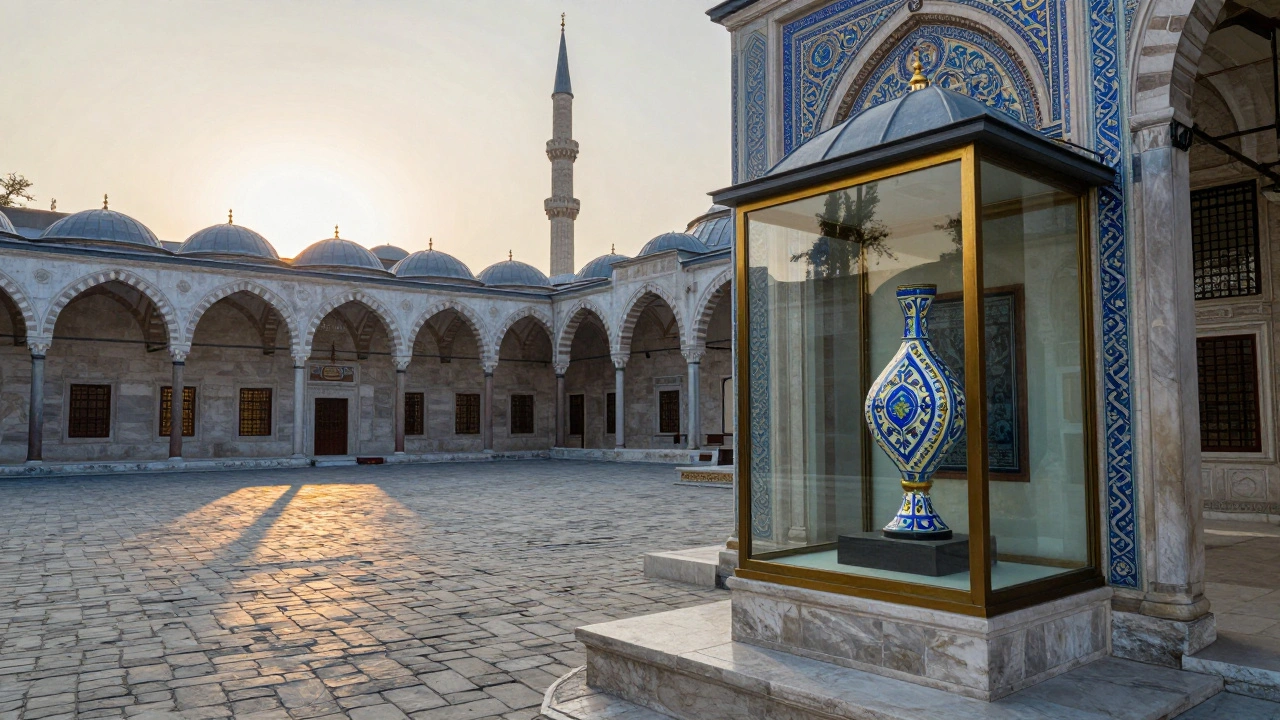
Topkapi Palace wasn’t just a royal residence-it was the beating heart of an empire that stretched from the Balkans to the Persian Gulf. Built in 1465 by Mehmed the Conqueror, it housed sultans for nearly 400 years. Walk through the Courtyard of the Eunuchs and you’ll see where the palace’s most trusted servants guarded access to the inner sanctum. The Treasury holds the Spoonmaker’s Diamond, a 86-carat gem that once belonged to a Mughal emperor, and the Sacred Relics Chamber displays the Prophet Muhammad’s cloak and sword. Locals know the best time to visit is early Tuesday morning, when the crowds from cruise ships haven’t arrived yet. Skip the overpriced guided tours offered by touts near the entrance; instead, pick up a detailed audioguide from the official kiosk near the Imperial Gate for 250 TL.
Hagia Sophia: A Church, a Mosque, a Monument
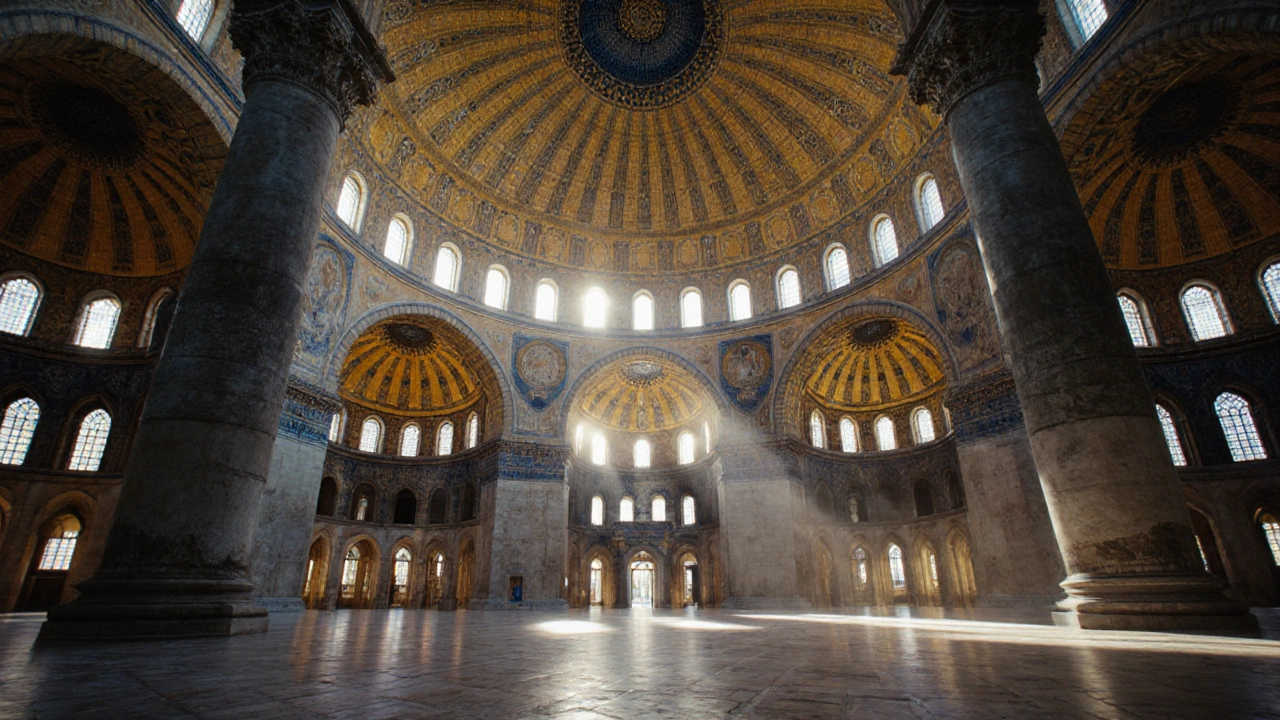
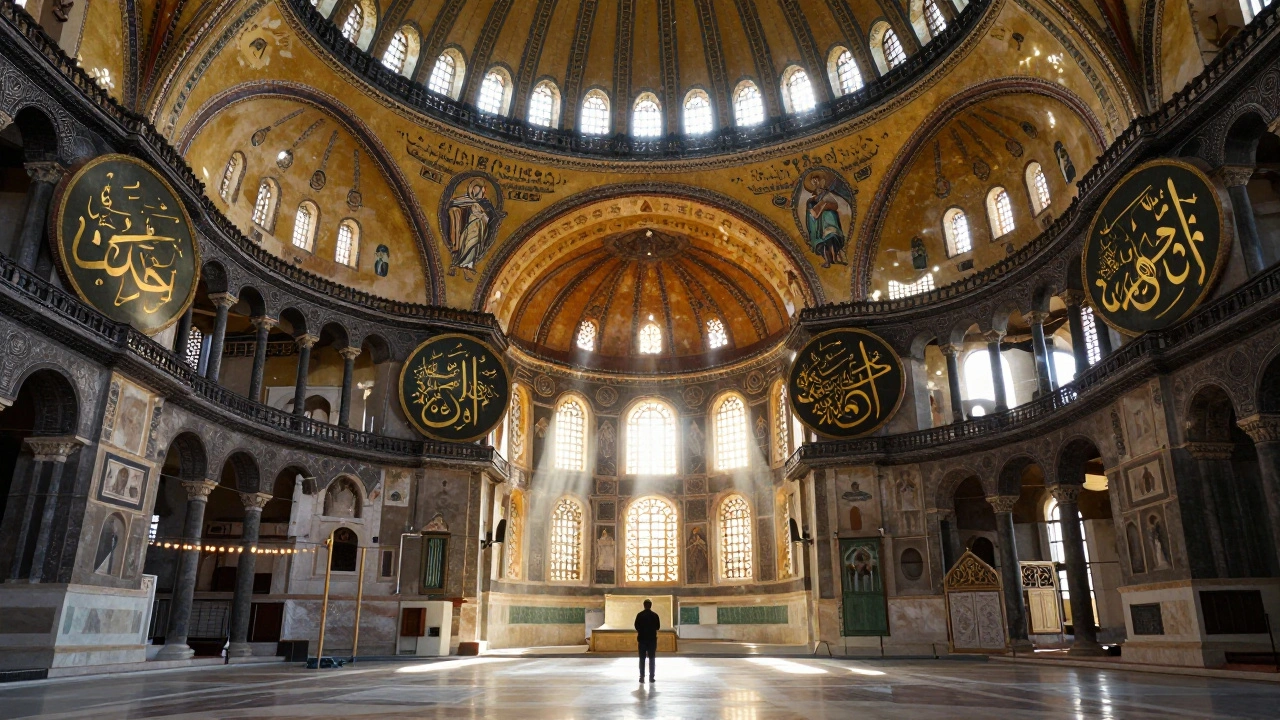
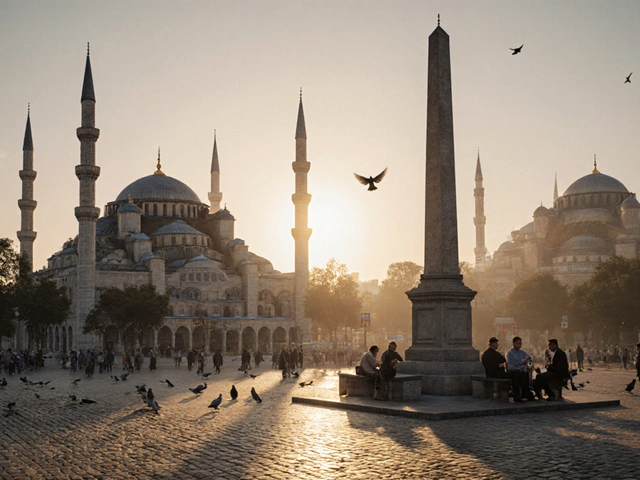
No other building in Istanbul tells the story of empire, faith, and transformation like Hagia Sophia. Originally built as a Christian cathedral in 537 AD under Emperor Justinian, it was converted into a mosque after the Ottoman conquest in 1453, and then into a museum in 1935-before reverting to a mosque in 2020. The scale still takes your breath away: 32 meters wide, 55 meters tall, its dome seems to float above the marble floor. Look up at the golden mosaics of the Virgin Mary and Christ Pantocrator, still visible beneath the calligraphy of Allah and the Prophet. Locals say the best light for photos is late afternoon, when the sun streams through the upper windows and turns the dust motes into gold. Don’t miss the Ottoman calligraphic roundels-each one 7.5 meters across-hanging near the main prayer area, among the largest in the world.
The Theodosian Walls: Istanbul’s Forgotten Fortress
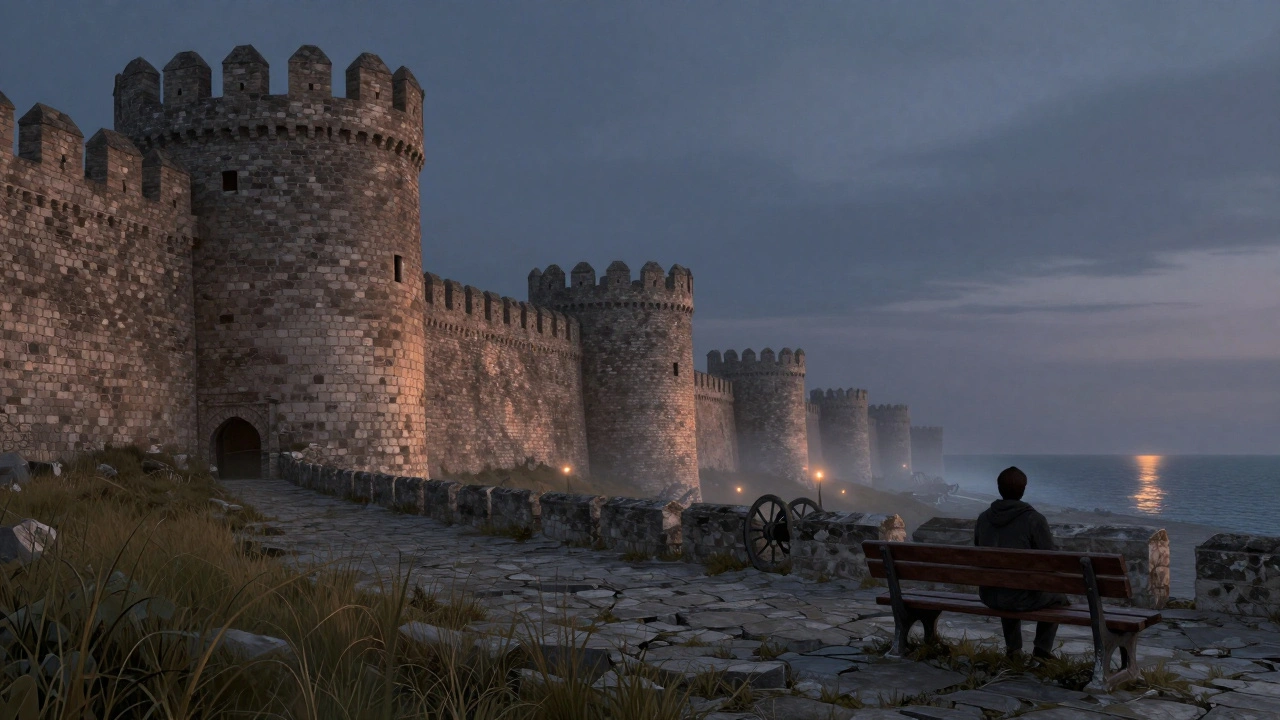
Most tourists head straight to the Bosphorus, but the real ancient marvels lie east of the city center. The Theodosian Walls, built in the 5th century, once protected Constantinople from invaders for over a thousand years. Stretching 6.5 kilometers from the Sea of Marmara to the Golden Horn, they’re the most complete surviving defensive system from late antiquity. Walk the stretch near the Edirnekapı Gate, where the inner and outer walls still stand 15 meters tall, flanked by 96 towers. Locals know that the small park just north of the gate, near the Church of St. John the Baptist, is the quietest spot to sit and imagine the siege of 1453. You can climb a few restored towers for free-no ticket needed. Bring water; there’s no shade, and the wind off the Marmara can be biting even in December.
Chora Church (Kariye Museum): Byzantine Art’s Best-Kept Secret
Forget the crowds at Hagia Sophia-head to Kariye Museum in the quiet neighborhood of Edirnekapı for the most stunning Byzantine mosaics and frescoes in the world. Built as a monastery in the 4th century and rebuilt in the 11th, its interior was covered in gold-leaf mosaics between 1315 and 1321 by the artist Theophanes the Greek. Scenes from the life of Christ and the Virgin Mary unfold like a painted epic, each figure rendered with startling emotion and detail. The Resurrection mosaic, showing Christ pulling Adam and Eve from their tombs, is considered one of the greatest masterpieces of medieval art. Entry is 1,200 TL, and the museum opens at 9 AM-arrive early to avoid the tour groups that come from the city center. Locals say the best way to experience it is to sit on the bench near the narthex and let the images wash over you for 20 minutes. No photography is allowed inside, but the official brochure, sold at the entrance, is worth the 300 TL.
The Roman Aqueduct of Valens: A Waterway That Still Stands
When you’re walking through the busy streets of Fatih near the Grand Bazaar, you might miss it-a massive stone archway tucked between a kebab shop and a stationery store. That’s the Valens Aqueduct, built in 368 AD to carry water from the hills of Thrace into Constantinople. It’s 952 meters long, with 150 original arches still standing. The section near Bozdoğan Kemeri is the most intact. Locals use it as a shortcut to the Spice Bazaar, but few stop to admire it. If you’re curious, walk the path behind the arches on the side street called Bozdoğan Sokak. You’ll find a small plaque explaining how water once flowed through ceramic pipes inside the arches, feeding public fountains and bathhouses. It’s the only surviving part of the city’s ancient water system-and it still stands, untouched by modern reconstruction.
Yedikule Fortress: A Prison, a Bastion, a View
Just outside the city’s old walls, Yedikule Fortress-meaning “Seven Towers”-was built in 408 AD as part of the Theodosian Walls. It later became a state prison for high-profile captives, including Byzantine emperors and Ottoman grand viziers. The fortress still holds the original iron chains used to lock prisoners in the underground cells. The top tower offers one of the best panoramic views of the old city without the crowds of Galata Tower. Locals come here on weekends to picnic under the fig trees, and on clear days, you can see the Marmara Sea, the Golden Horn, and even the minarets of Süleymaniye Mosque. Entry is 600 TL, and the ticket office opens at 8:30 AM. Bring a snack-the nearest café is a 15-minute walk away.
Where to Go Next: Beyond the Obvious
If you’ve seen the big names, dig deeper. The Church of St. Saviour in Chora is open for prayer on Sundays-locals sometimes light candles there before heading to Friday prayers at the nearby Fatih Mosque. Visit the Constantine Cistern in the Sultanahmet district-it’s smaller than the more famous Basilica Cistern but has original Roman columns and a quiet, almost sacred atmosphere. In the Kadıköy neighborhood, the Chalcedon Ruins sit under a modern apartment building-locals say the foundations are older than the city itself. For a true insider experience, take the 15-minute ferry from Eminönü to the Princes’ Islands. On Büyükada, the St. George Monastery still holds Greek Orthodox services, and its wooden staircases creak under the same footsteps that have echoed since 800 AD.
Practical Tips for History Buffs in Istanbul
- Buy the Istanbul Museum Pass-it covers entry to Topkapi, Hagia Sophia, Chora, Yedikule, and more. It costs 1,500 TL for 5 days and pays for itself after two sites.
- Most major sites close on Mondays. Plan your week around that.
- Wear comfortable shoes. The cobblestones in Sultanahmet are uneven, and the paths at the Theodosian Walls are steep.
- Carry small change. Many smaller sites don’t accept cards, and the 50 TL entrance fee for the Valens Aqueduct viewing point is cash-only.
- Visit during the shoulder seasons (April-May or September-October). Summer heat makes walking the walls unbearable, and winter winds make the open-air ruins chilly.
Are these landmarks open year-round?
Most major historical sites in Istanbul are open every day except Mondays. Hagia Sophia, Topkapi Palace, and Chora Museum follow this schedule. Some smaller sites like the Valens Aqueduct and Yedikule Fortress open daily, but hours may shorten in winter. Always check the official website of the Ministry of Culture and Tourism before visiting, as special events or religious holidays can cause temporary closures.
Can I visit all these landmarks in one day?
It’s physically possible, but not advisable. Trying to see Topkapi, Hagia Sophia, Chora, and Yedikule in one day means rushing through each. You’ll miss the details-the mosaics, the inscriptions, the quiet corners where history lives. Spread them over three or four days. Start with Hagia Sophia and Topkapi on one day, then Chora and the aqueduct on another. Save Yedikule for a calm afternoon when you want a view and some quiet.
Is photography allowed inside the historical sites?
Photography is allowed in most outdoor areas and open courtyards. Inside Chora Museum, no photos are permitted-this is strictly enforced. In Hagia Sophia and Topkapi, you can take photos unless there’s a prayer in progress. Flash photography is banned in all indoor sites to protect the mosaics and frescoes. Tripods require a special permit, which is rarely granted to tourists.
Are there guided tours in English for these sites?
Yes, but avoid the ones offered by street vendors. The official guides at each site are certified by the Ministry of Culture and speak fluent English. They charge around 300-500 TL per group for a 1-hour tour. For deeper insight, consider booking a private historian through Istanbul History Walks-they specialize in Byzantine and Ottoman archaeology and offer tours that include lesser-known sites like the Aqueduct of Valens and the Monastery of Stoudios.
What’s the best way to get between these landmarks?
Use the Istanbulkart, a reloadable transit card. It works on trams, buses, ferries, and the Marmaray subway. From Sultanahmet to Chora, take tram T1 to Vezneciler, then walk 10 minutes. To Yedikule, take the Marmaray to Yedikule station. For the Theodosian Walls, the best access is from Edirnekapı-take the 74T bus from Aksaray. Avoid taxis for short distances; traffic is slow, and you’ll pay double for a 15-minute ride.
Final Thought: History Isn’t Just Seen-It’s Felt
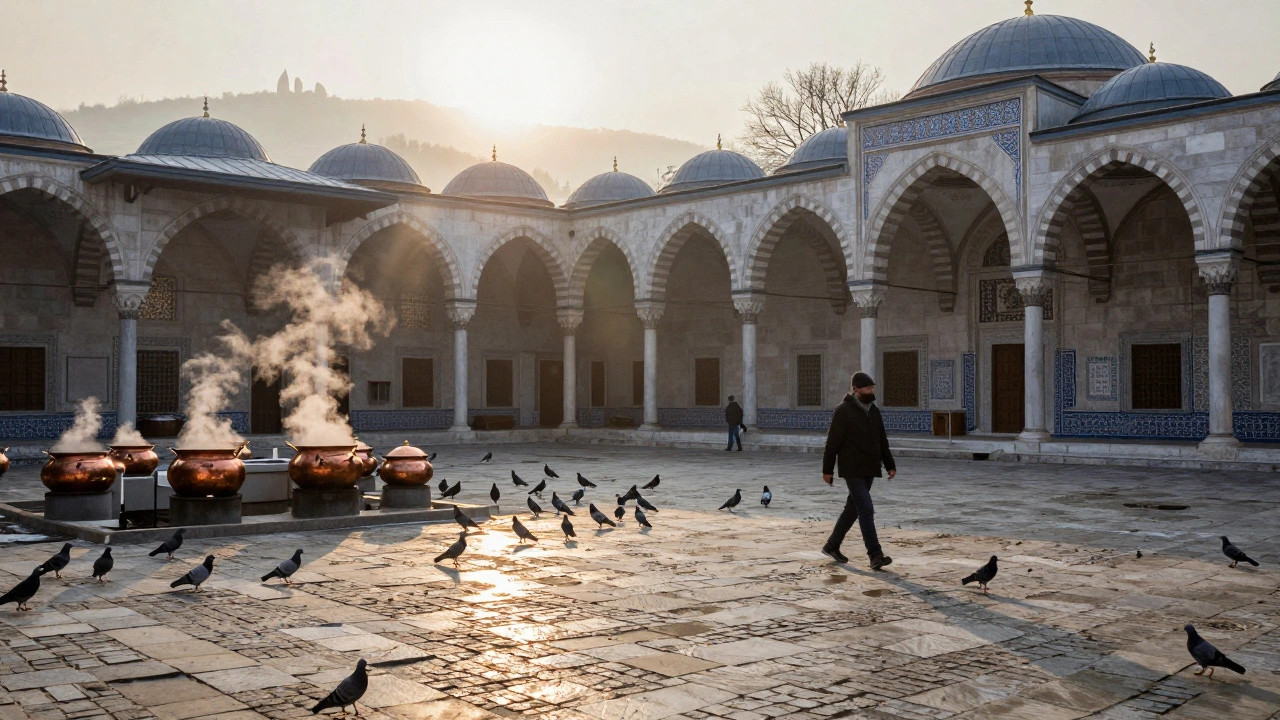
In Istanbul, history isn’t behind glass. It’s in the steam rising from a çay glass at a corner café near the Theodosian Walls. It’s in the call to prayer echoing from a 16th-century minaret as you stand beneath Roman arches. It’s in the way an old woman sells dried figs next to a 1,600-year-old column, unaware that she’s standing where a Roman merchant once traded spices. You don’t need to be an academic to feel it. You just need to slow down, look up, and listen.


10 Comments
Just went last month. Chora was insane. No photos? Fine. I just sat there for 20 mins like they said. Mind blown. 😍
This is such a thoughtful guide! I love how you highlight the quiet moments-not just the big sights. I spent an entire afternoon just sitting by the Valens Aqueduct with a cup of tea, listening to the city hum around those ancient stones. It felt like time paused. Thank you for reminding us that history isn’t just something to check off-it’s something to sit with.
OMG u so right about Chora!! Like, the mosaics?? They're not just art, they're like... divine quantum energy encoded in gold leaf, bro. I cried. Not because I'm emotional, but because the Byzantines had a deeper understanding of the cosmos than modern architects. #SpiritualArchitecture
The way you describe Istanbul’s history as something you feel rather than see is profoundly accurate. There’s a quiet dignity in how these ruins coexist with daily life-the çay seller next to a 1600-year-old column, the call to prayer echoing over Roman arches. It’s not performative heritage; it’s lived continuity. That’s rare. Most cities sanitize their past. Istanbul lets it breathe.
Let’s be real-most tourists treat Hagia Sophia like a selfie backdrop. Meanwhile, the calligraphic roundels are 7.5 meters of theological poetry, and nobody’s even looking up. I once watched a group of teens do TikTok dances in front of the Virgin Mary mosaic while their mom yelled, ‘Hurry up, we’re behind schedule!’ History isn’t a theme park. It’s a temple. And yes, the audioguide at Topkapi is worth every lira. Skip the touts. They’re selling fantasies. The real story’s in the details.
Everyone’s acting like Chora is some sacred secret, but let’s be honest-it’s just another museum with overpriced brochures. And don’t get me started on the ‘Istanbul Museum Pass.’ It’s a scam designed to make you feel like you’re saving money while actually forcing you to visit places you don’t care about. I skipped three sites on your list and still had the best trip of my life. Sometimes less is more.
Just a quick note: you said 'the 50 TL entrance fee for the Valens Aqueduct viewing point'-but that’s not right. It’s free! There’s no fee at all. You just walk up to the arches on Bozdoğan Sokak. I checked twice because I thought I missed something. No ticket, no kiosk, no nothing. Just stone, sky, and history. Great guide otherwise, though!
You think you know history until you’re standing under those arches and realize the people who built this didn’t have power tools or GPS. They had sweat, faith, and a stubborn belief that their work would outlast empires. And now? Some guy’s selling kebabs right next to it. That’s the real magic. Not the gold, not the mosaics-just the fact that it’s still here. And you? You’re just another ghost walking over the same stones. But hey, at least you’re paying attention now, right? 😌
When I visited Yedikule, an old man handed me a fig from his tree and said, ‘This tree has seen three empires fall. You’re just passing through.’ I didn’t know what to say. So I just ate the fig. Sweet. Juicy. Like history itself-unexpectedly tender. I’ve never felt so small and so connected at the same time. Also, the view? Worth every step up those dusty stairs. Bring water. And maybe a snack. He was right about the café.
Okay, but have you considered that the entire narrative of ‘Byzantine art as spiritual transcendence’ is a colonialist fantasy constructed by Western art historians to exoticize Eastern Christian aesthetics? The mosaics aren’t ‘divine’-they’re political propaganda dressed in gold leaf. And the fact that you romanticize the ‘quiet corners’ while ignoring the Turkish state’s erasure of Armenian and Greek heritage? That’s not reverence. That’s performative nostalgia. Just saying.