Hagia Sophia History: From Byzantine Church to Ottoman Mosque and Modern Museum
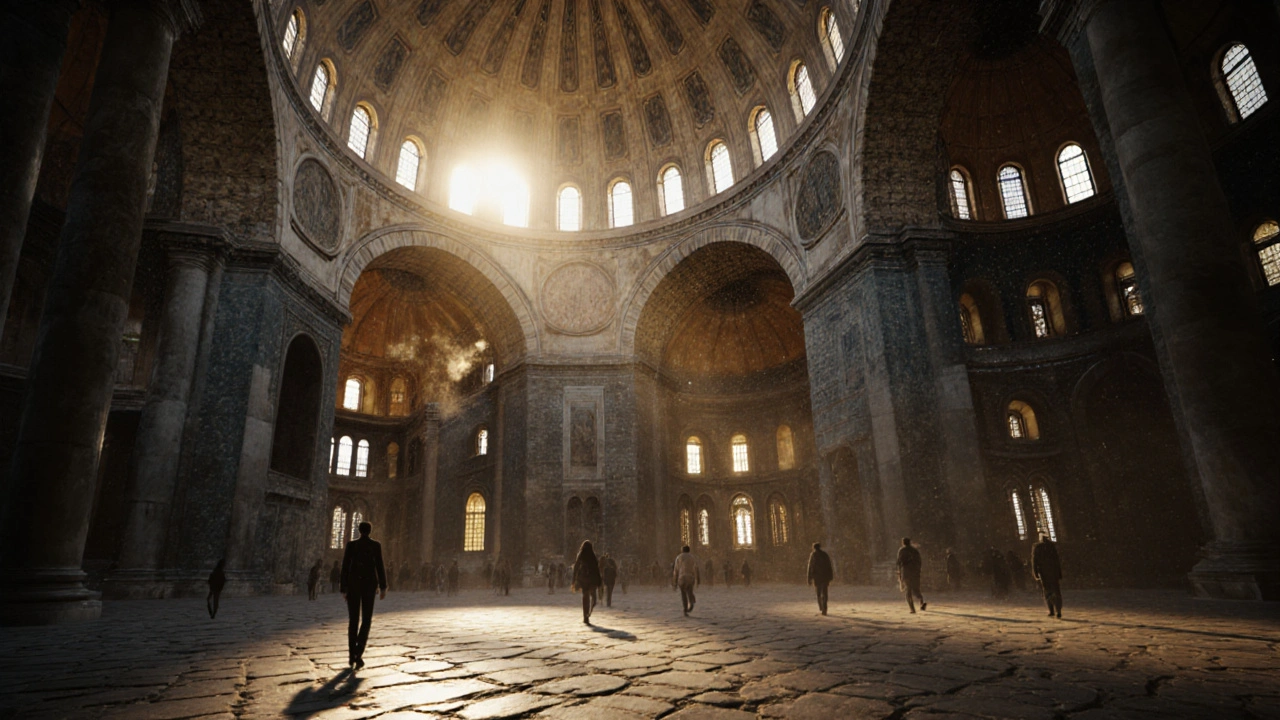
When you stand in front of Hagia Sophia, a monumental structure in Istanbul that has served as a cathedral, mosque, and museum over 1,500 years. Also known as Ayasofya, it’s not just a building—it’s a living record of empires that rose, fell, and left their mark on the city’s skyline and spirit. Built in 537 AD under Emperor Justinian I, it was the largest church in the world for nearly a thousand years. Its massive dome, seemingly floating on light, was an engineering miracle that stunned visitors and inspired architects from Baghdad to Moscow.
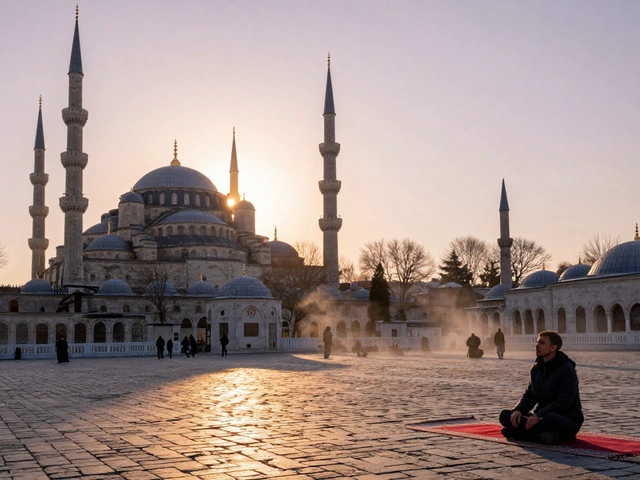
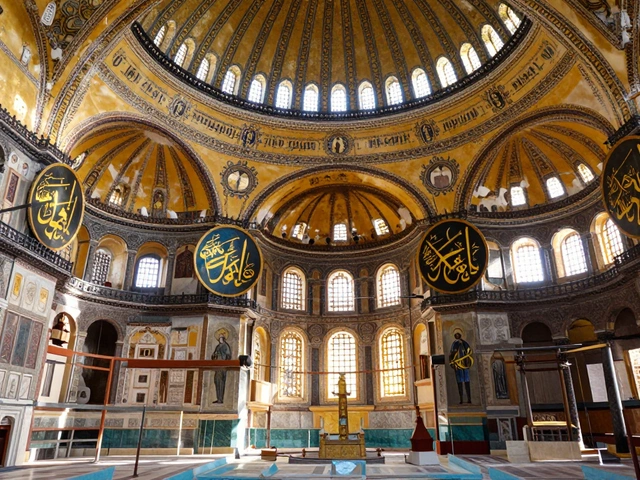
The Byzantine ruins, the surviving remnants of the Eastern Roman Empire’s grandeur, visible in Hagia Sophia’s mosaics and marble floors still whisper stories of imperial rituals and religious devotion. After the Ottoman conquest in 1453, Sultan Mehmed II turned it into a mosque, a place of Islamic worship that added minarets, calligraphy, and giant prayer rugs over the Christian imagery. The mosaics weren’t destroyed—they were plastered over, preserved by respect, not erasure. Centuries later, in 1935, Mustafa Kemal Atatürk made it a museum, a neutral space meant to honor its layered past, open to all faiths and cultures. In 2020, it became a mosque again, sparking global debate—but the building itself remains unchanged, holding both the Virgin Mary and the name of Allah on its walls.
What makes Hagia Sophia different from other ancient sites isn’t just its age. It’s how it’s been reshaped, reused, and reimagined—not as a relic, but as a living part of daily life. Locals still pray here. Tourists still stare up at the dome. Artists still sketch its arches. And every time the call to prayer echoes from its minarets, you feel the weight of history—not as something behind glass, but as something breathing.
Below, you’ll find real stories from people who’ve walked its floors, seen its light change at dawn, and discovered secrets hidden in its tiles and arches. Whether you’re here for the architecture, the faith, the politics, or just the view from the upper gallery—this is where Istanbul’s soul is most visible.