Turkish Mosques: Iconic Spiritual Landmarks in Istanbul
When you think of Turkish mosques, sacred spaces that blend spiritual tradition with architectural mastery in Turkey. Also known as Islamic places of worship in Turkey, they are more than just buildings—they're the heartbeat of Istanbul’s identity. These aren’t just places where people pray. They’re monuments built by emperors, shaped by centuries of faith, and still alive with daily rituals. Walk into any major Turkish mosque in Istanbul, and you’re stepping into a story that began over a thousand years ago.
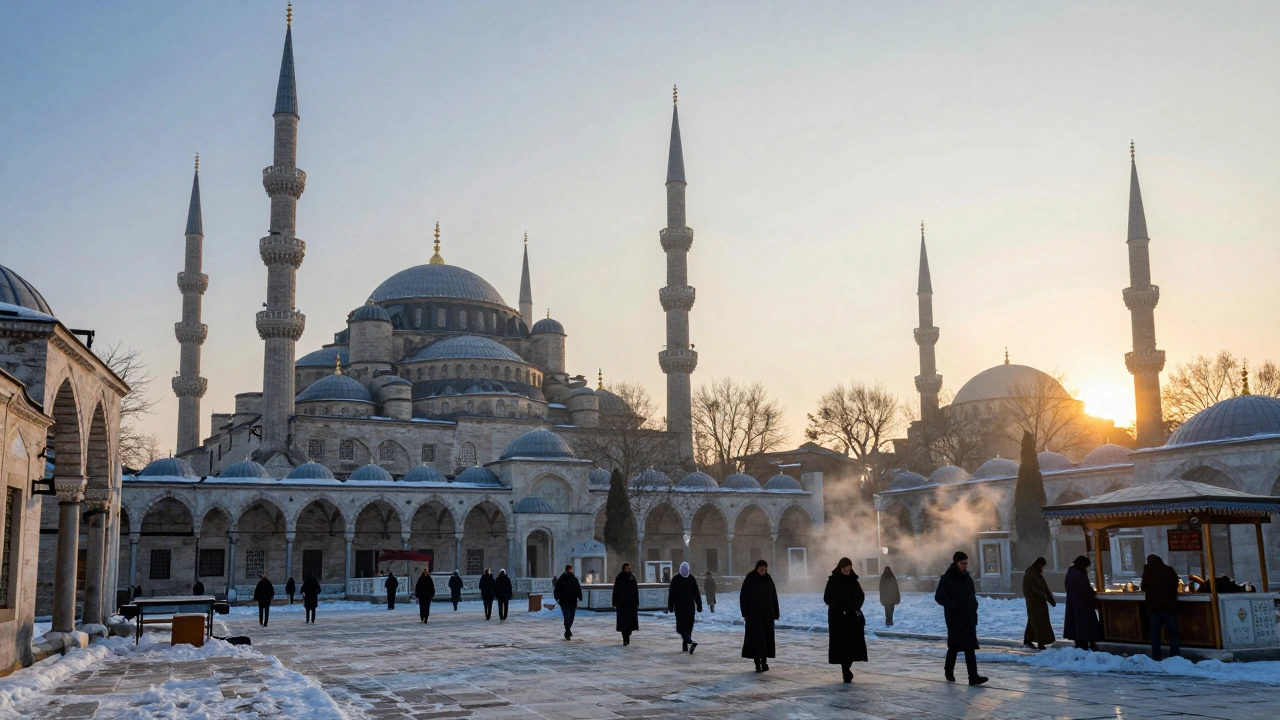
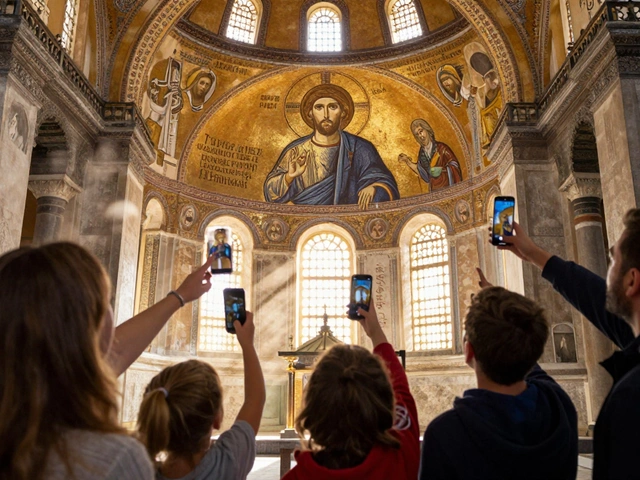
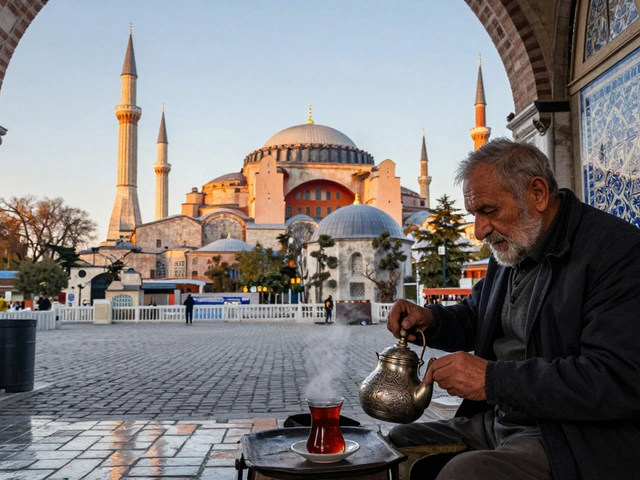
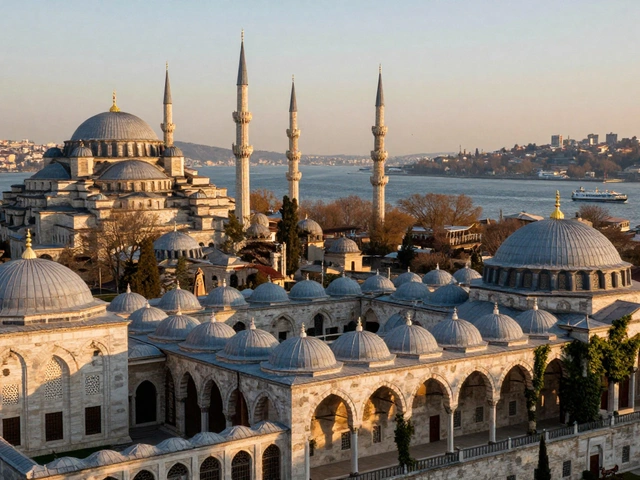
The most famous of these is the Blue Mosque, the stunning 17th-century Ottoman mosque in Sultanahmet with six minarets and hand-painted tiles. Also known as Sultan Ahmed Mosque, it was built to rival the nearby Hagia Sophia—and it succeeded. Then there’s Hagia Sophia, a former cathedral turned mosque, now a museum that holds both Christian mosaics and Islamic calligraphy. Also known as Ayasofya, it’s a physical timeline of empires—Byzantine, Ottoman, and modern Turkey—all in one structure. These two alone draw millions every year, but they’re just the start. Around them, smaller mosques like Rüstem Pasha, Süleymaniye, and Mihrimah Sultan offer quieter, equally breathtaking experiences with intricate tilework, soaring domes, and light that dances across marble floors.
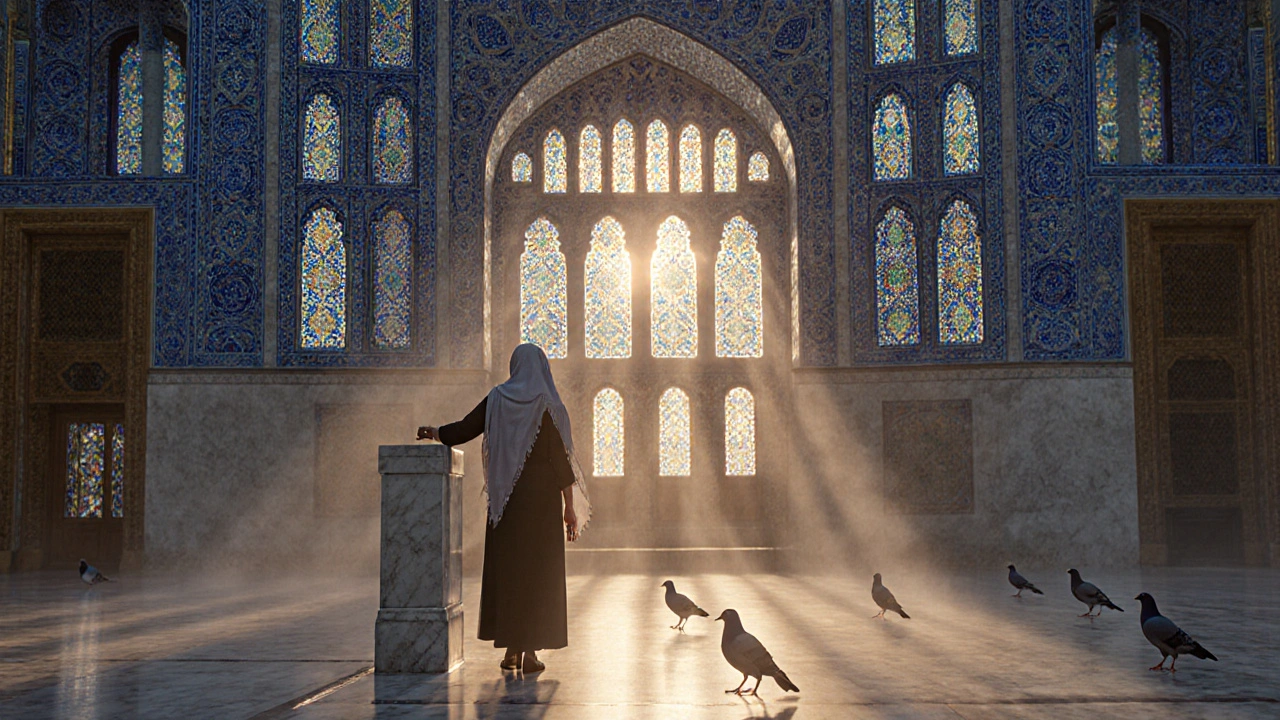
Turkish mosques aren’t just about looks. They’re part of a living culture. Locals still gather for Friday prayers, children learn Quran in mosque schools, and the call to prayer echoes over the Bosphorus every day. The architecture—those giant domes, slender minarets, and open courtyards—wasn’t just for beauty. It was designed to carry sound, to cool the air, and to make space for hundreds to pray together. Even today, you’ll see women in headscarves kneeling quietly in corners, tourists taking photos, and old men sipping tea after prayers, all sharing the same sacred ground.
What makes these mosques different from others around the world? It’s the way they sit right in the middle of daily life. You don’t need to be Muslim to visit. You just need to respect the space—cover your head, remove your shoes, and move quietly. That’s it. And when you do, you’ll feel something rare: a sense of peace that doesn’t come from silence, but from centuries of devotion still breathing in the stones.
Below, you’ll find real stories and guides from people who’ve walked these floors, stood under these domes, and seen how light hits the tiles just before sunset. Whether you’re planning your first visit or you’ve been here ten times, there’s something here you haven’t noticed yet.