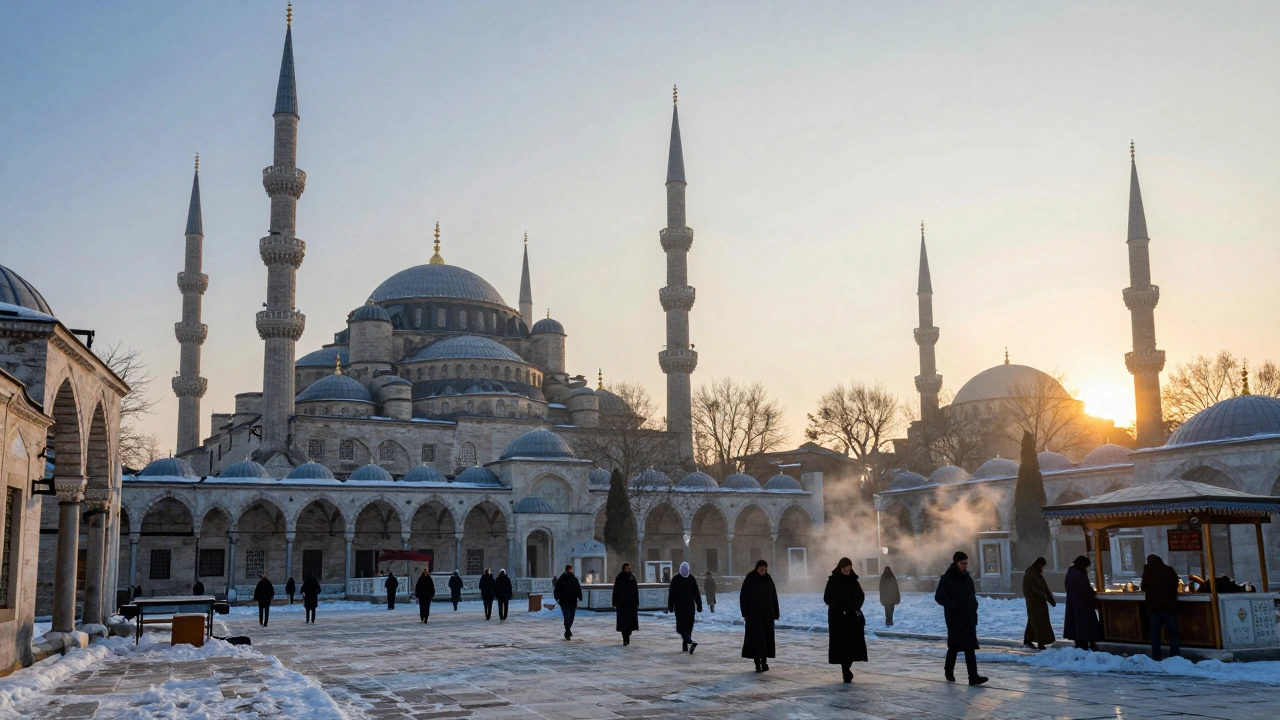
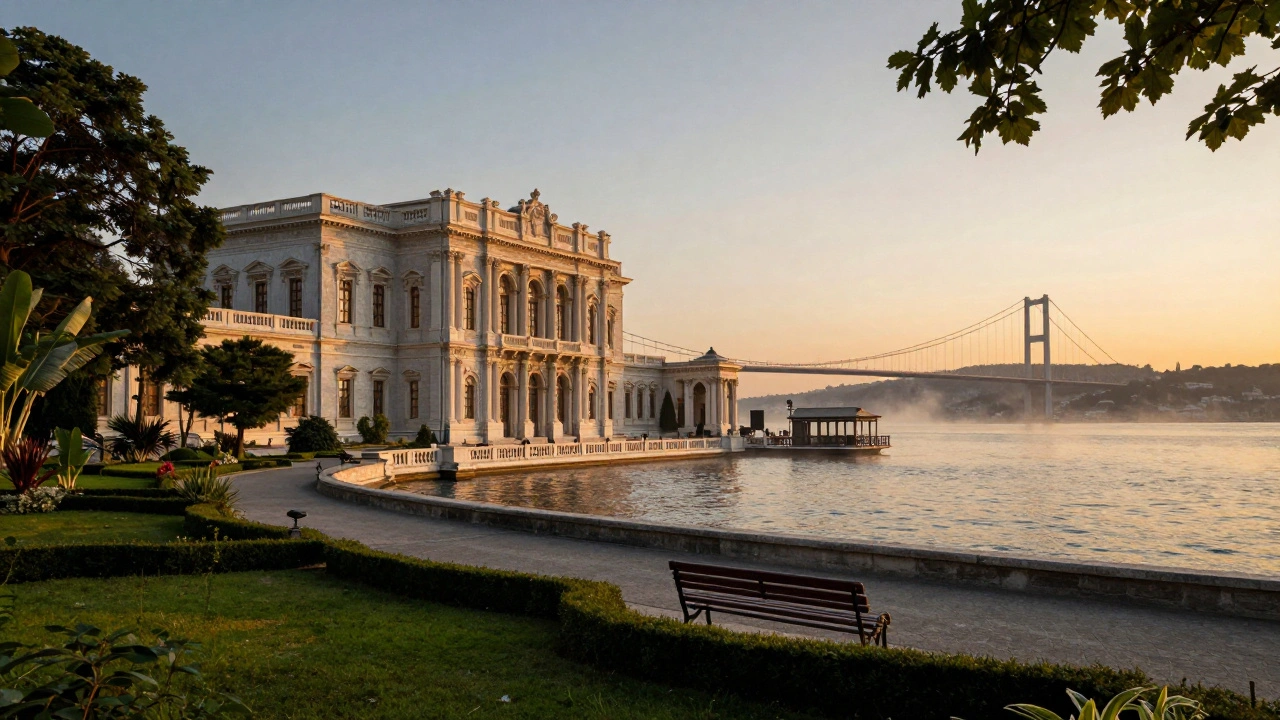
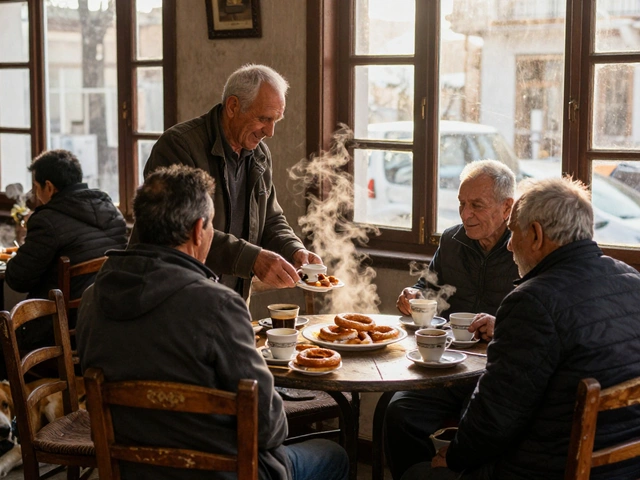
In Istanbul, few places feel as deeply rooted in the city’s soul as the Blue Mosque. You don’t just visit it-you experience it. Whether you’re a lifelong resident who walks past it on your way to the tram at Sultanahmet, a new expat still learning the rhythm of the city, or a tourist who’s saved up for years to see it in person, the Blue Mosque doesn’t just stand there. It speaks. It hums with the quiet devotion of morning prayers, echoes with the footsteps of pilgrims, and glows under the winter sun like a jewel stitched into the skyline.
Why the Blue Mosque Isn’t Just Another Tourist Spot
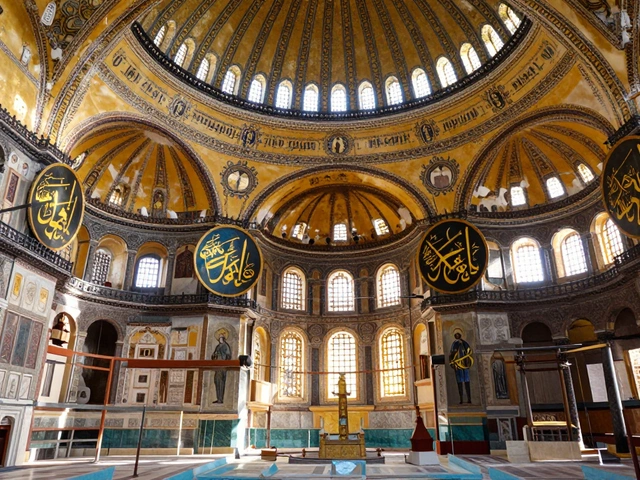
People often call it the Blue Mosque because of the 20,000 hand-painted Iznik tiles that cover its interior walls. But that’s not why locals love it. It’s not even the six minarets-rare for a mosque, and once controversial when it was built. What makes it sacred isn’t the tiles or the architecture. It’s the way it’s woven into daily life in Istanbul. Every morning, before the sun rises over the Bosphorus, the call to prayer rises from its minarets, drifting over the Hippodrome, past the Hagia Sophia, and into the windows of apartments in Fatih and Eminönü. For many Istanbul residents, that sound is the start of the day. It’s not background noise. It’s a rhythm. A reminder. Unlike some of Istanbul’s other grand mosques, the Blue Mosque remains an active place of worship. You’ll see women in headscarves kneeling on the prayer rugs, men in wool coats brushing snow off their shoes before entering, and students from nearby universities taking quiet breaks between classes. It’s not a museum. It’s a living space.The Tiles That Tell a Story
The blue isn’t just decorative-it’s symbolic. The Iznik tiles, made in the town of Iznik, just north of Bursa, were the finest ceramics in the Ottoman Empire. Each one was fired at temperatures over 1,300°C, then painted with cobalt blue, turquoise, and crimson using techniques passed down for generations. The patterns? Floral motifs of tulips, carnations, and cypress trees-symbols of paradise, eternity, and resilience. In 2025, Istanbul’s cultural heritage teams restored 1,200 of these tiles after decades of soot and humidity damage. The work was done by artisans from the same workshops that supplied the mosque in 1616. You can still visit those workshops in Iznik today, where local families still hand-paint tiles using the same brushes their great-grandparents used. Walk inside during midday, when sunlight streams through the 260 stained-glass windows. Watch how the light shifts across the tiles-how the blue deepens near the mihrab, how the gold leaf glimmers like honey on the arches. This isn’t just art. It’s devotion made visible.The Six Minarets and the Controversy That Shaped Istanbul
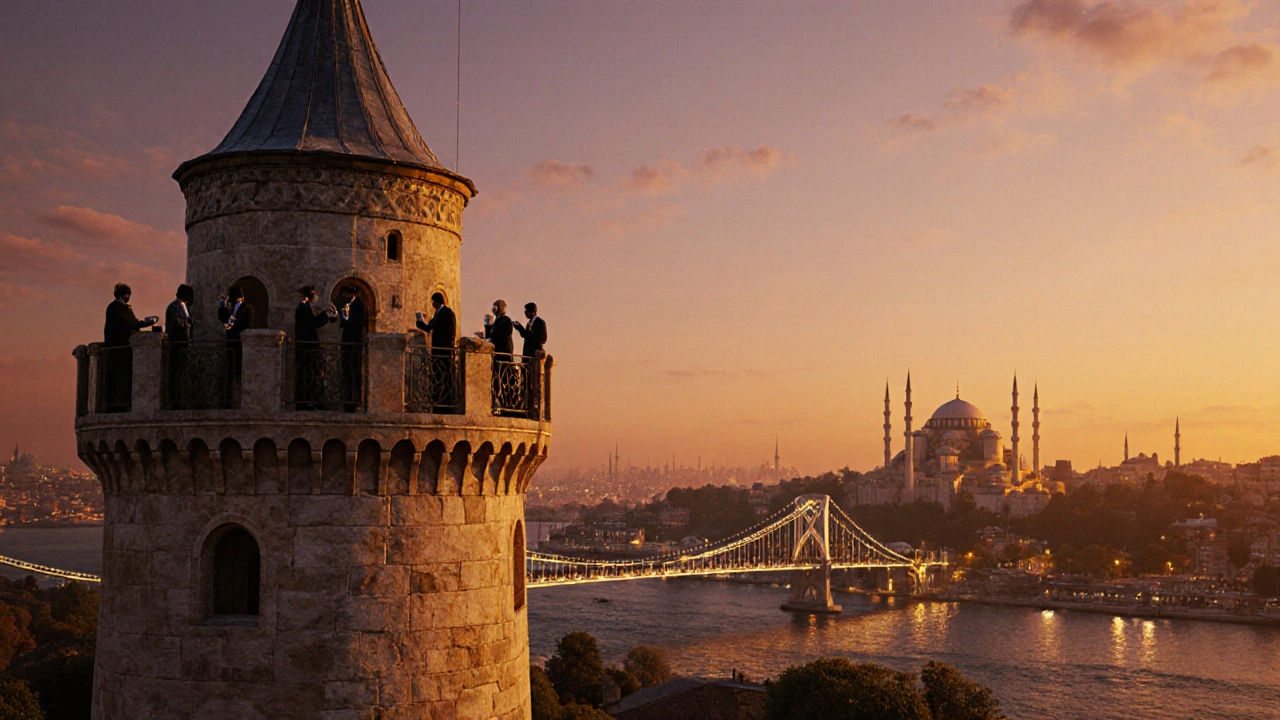
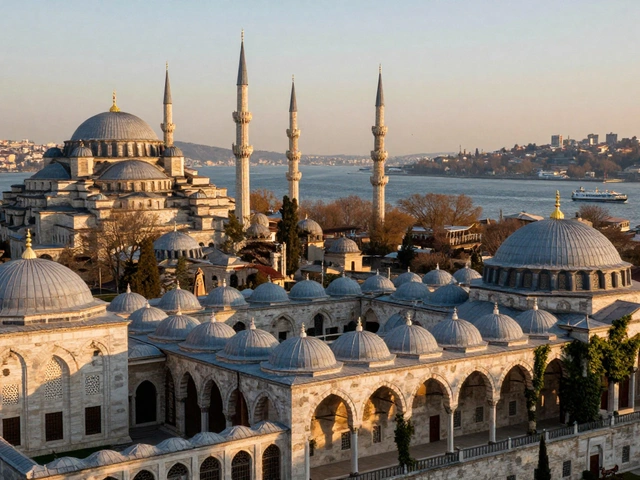
When Sultan Ahmed I ordered the mosque built in 1609, he wanted to rival the grandeur of Hagia Sophia. But he made one bold choice: six minarets. At the time, only the Kaaba in Mecca had that many. The outcry was loud. Some called it arrogance. Others feared it would upset the balance of the Islamic world. The solution? Sultan Ahmed funded a seventh minaret for Mecca-paid for with his own treasury. That’s how Istanbul’s history works: ambition, humility, and compromise, all stitched together. Today, the six minarets are a point of pride. Locals joke that if you stand on the Galata Tower and count them, you’ll know you’re in the right city. At dusk, when the call to prayer echoes from all six, the sound rolls across the Golden Horn like a wave. It’s one of those moments you don’t forget.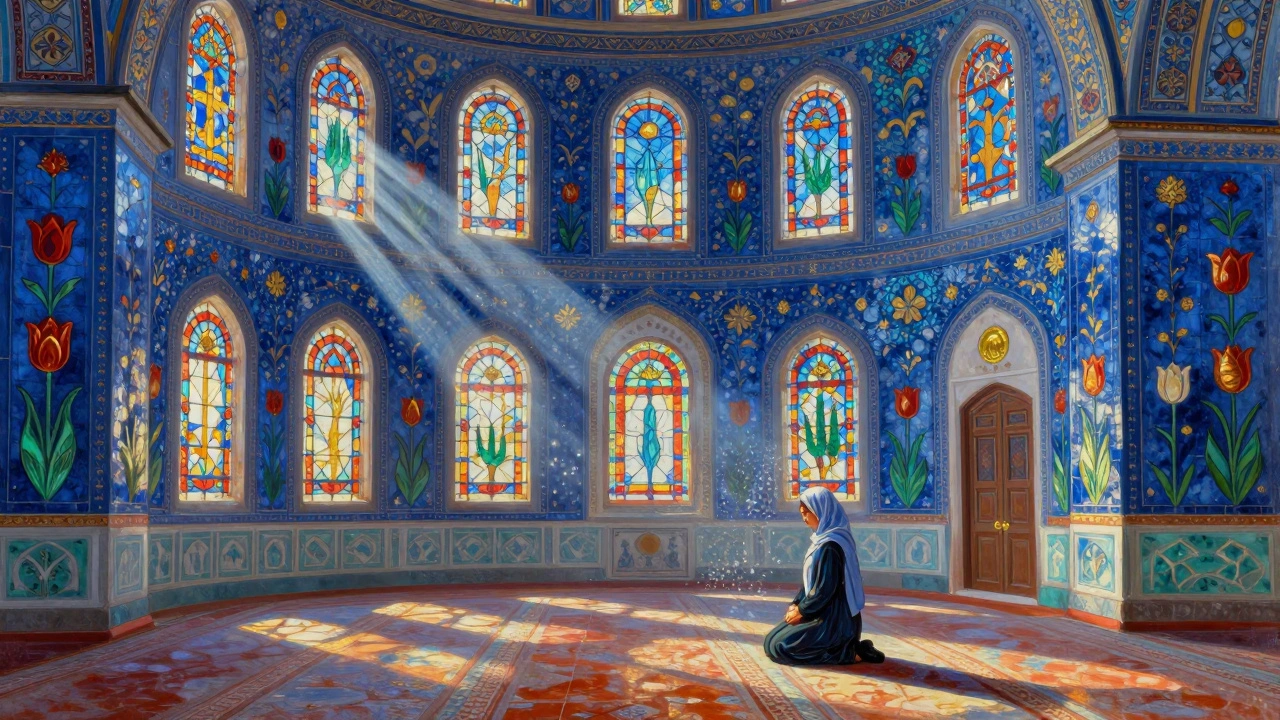
How to Visit Like a Local
If you’re visiting, here’s how to do it right:- Go early. The mosque opens at 9 a.m., but the best light-and the fewest crowds-come between 9:30 and 11 a.m. Afternoon is when tour buses arrive in droves.
- Wear modest clothing. Scarves are provided at the entrance, but bring your own. A lightweight cotton scarf from the Grand Bazaar’s silk stalls (look for the shop near the Egyptian Bazaar) works better than the stiff ones handed out by guards.
- Leave your shoes at the rack. Don’t rush. Locals take their time, folding socks neatly, checking their bags. It’s part of the ritual.
- Don’t expect silence. Prayers happen daily. If you hear the imam’s voice rising during your visit, pause. Stand still. It’s not a performance. It’s prayer.
- Afterward, walk to the nearby Arasta Bazaar. It’s quieter than the Grand Bazaar, and you’ll find handwoven towels from Denizli and ceramic tea sets from Iznik-perfect souvenirs that actually mean something.
More Than a Mosque: A Mirror of Istanbul
The Blue Mosque doesn’t exist in isolation. It’s part of a living ecosystem. Just across the courtyard is the Hagia Sophia, once a church, then a mosque, now a museum. A few steps away, the Topkapi Palace holds Ottoman treasures. The Spice Bazaar smells of sumac and saffron. The tram rattles past every ten minutes. In Istanbul, history isn’t preserved behind glass. It’s lived in. You’ll see a grandmother buying simit from the vendor outside the mosque’s west gate. A teenager taking selfies with her friends, then quietly removing her shoes before stepping inside. A French tourist reading a guidebook, then closing it to just listen. This is what makes the Blue Mosque more than a landmark. It’s a mirror. It reflects the layers of Istanbul: the sacred and the everyday, the ancient and the new, the foreign and the familiar.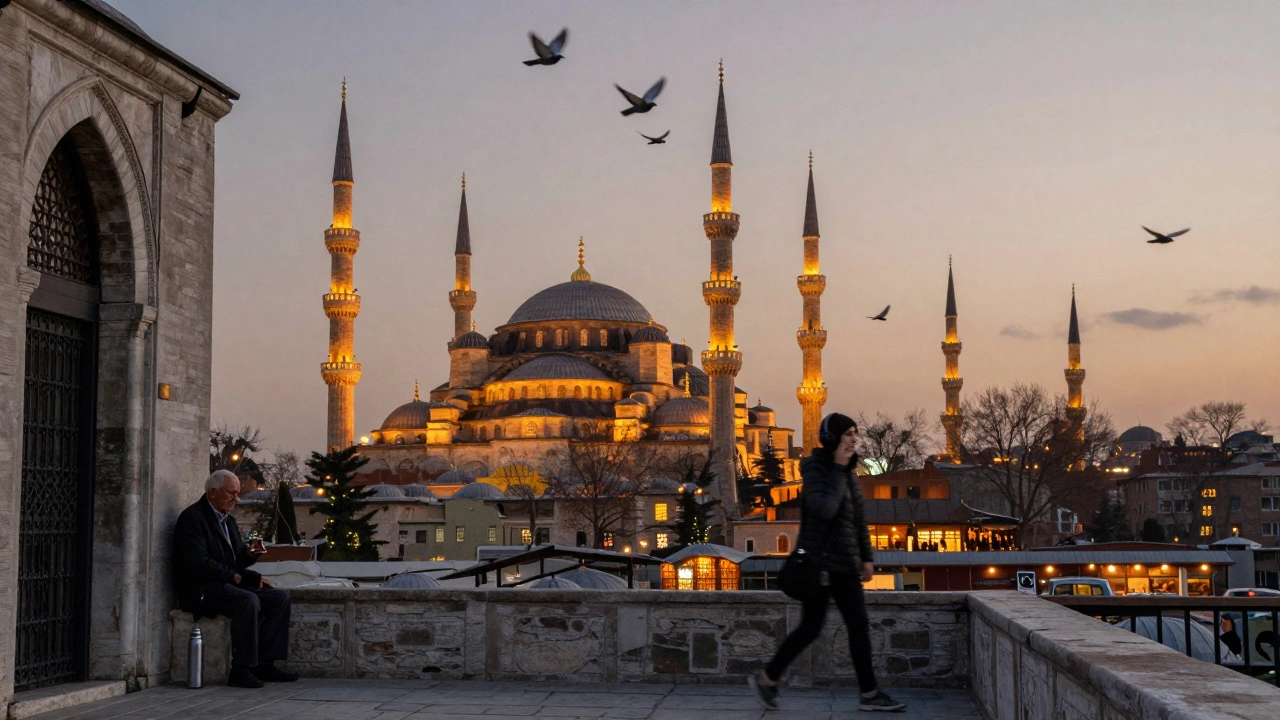
What It Means to Be in Istanbul Today
In 2025, Istanbul is changing. New metro lines connect Kadıköy to the airport. Rooftop cafés buzz with digital nomads. But the Blue Mosque still stands, unchanged in spirit. It doesn’t compete with the city’s modernity. It grounds it. Locals know this. When someone’s having a hard day, they say, “Go sit by the Blue Mosque.” Not to pray. Just to sit. To watch the pigeons swirl around the minarets. To hear the wind carry the call to prayer over the rooftops of Beyoğlu. It’s not about religion. It’s about belonging. If you’ve ever felt lost in Istanbul-overwhelmed by the noise, the crowds, the pace-this is where you find your center. Not because it’s beautiful (though it is). But because it’s real. And in a city that never stops moving, that’s rare.Can I visit the Blue Mosque during prayer times?
Yes, but non-worshippers are asked to stay in the side aisles and avoid walking through the main prayer area. The mosque closes to tourists for about 90 minutes during the five daily prayers, especially during Friday midday prayers. Check the official schedule posted at the entrance-locals know the times by heart, but tourists often miss them.
Is there a dress code for women visiting the Blue Mosque?
Yes. Women must cover their heads, shoulders, and legs. Scarves are provided at the entrance, but they’re often thin and poorly made. Bring your own lightweight cotton or silk scarf-many locals buy them from the Arasta Bazaar or from stalls near the entrance of the Grand Bazaar. Long sleeves and skirts or pants that cover the knees are required. No bare feet-socks are fine, but no sandals or flip-flops.
Why is it called the Blue Mosque if it’s not actually blue?
It’s called the Blue Mosque because of the 20,000 Iznik tiles lining its interior walls, mostly painted in shades of blue-cobalt, turquoise, and indigo. The tiles were made in the 17th century in Iznik, a town in northwestern Turkey known for its ceramic craftsmanship. The blue color was chosen to represent the heavens and paradise in Islamic art. The name stuck, even though officially it’s the Sultan Ahmed Mosque.
How long does it take to visit the Blue Mosque properly?
You can walk through quickly in 15 minutes, but to truly experience it, plan for 45 to 60 minutes. Take time to sit quietly near the mihrab, watch how the light changes, read the calligraphy on the walls, and listen to the echo of footsteps. Many locals spend 20 minutes just sitting on the benches near the entrance, sipping tea from thermoses they brought from home.
Is the Blue Mosque crowded during holidays like Ramadan or Eid?
Extremely. During Ramadan, the mosque fills to capacity for nightly prayers. On Eid al-Fitr and Eid al-Adha, lines stretch from the mosque all the way to the Hippodrome. If you’re visiting during these times, go early in the morning before sunrise. Locals often bring blankets and food to share after prayers-it’s a community event, not just a religious one.


5 Comments
i just sat by the blue mosque last spring and didn't say a word for 45 minutes. the pigeons and the call to prayer made me feel like i was part of something bigger. no filter, no agenda. just air and light and quiet.
best thing i did all year.
what struck me most wasn't the tiles or the minarets but how ordinary it all felt. a woman in a wool coat brushing snow off her shoes. a kid laughing as he chased a pigeon near the entrance. the way the light hits the mihrab at noon like it's been doing for 400 years. this isn't a monument. it's a living room for the city. and we're all just guests who got lucky enough to sit down.
we spend so much time chasing meaning in grand gestures. sometimes it's just there, quietly humming in the background of a Tuesday morning.
just a heads up for anyone planning to go: the official website has the prayer times updated daily and they're super accurate. i missed the 1pm closure once and got stuck in the main aisle during salah. felt awful. locals were super chill about it but still. best to check the schedule before you go. also the tea at the Arasta Bazaar stall with the blue awning? 15 lira and the best çay in the neighborhood. bring cash.
OMG i went there last ramadan and it was wild 😭 the whole courtyard was full of people sharing food and singing softly after taraweeh. one old man gave me a piece of baklava and just smiled. no english, no words needed. that's the magic of this place. it doesn't care who you are. it just holds space. 🙏❤️
I'm sorry but this article is riddled with grammatical errors and misleading information. You say 'the Blue Mosque isn't just another tourist spot' - but then you refer to it as 'the Sultan Ahmed Mosque' in parentheses, which is incorrect. It's officially the Sultan Ahmed Mosque, and 'Blue Mosque' is a colloquial nickname. Also, the tiles are not '20,000 hand-painted Iznik tiles' - that number is wildly inflated. The actual count is closer to 15,000. And you say 'the mosque closes for 90 minutes during each prayer' - that's false. It closes for 20-30 minutes max, and only the main prayer hall is cleared. You're misleading tourists. Fix this.