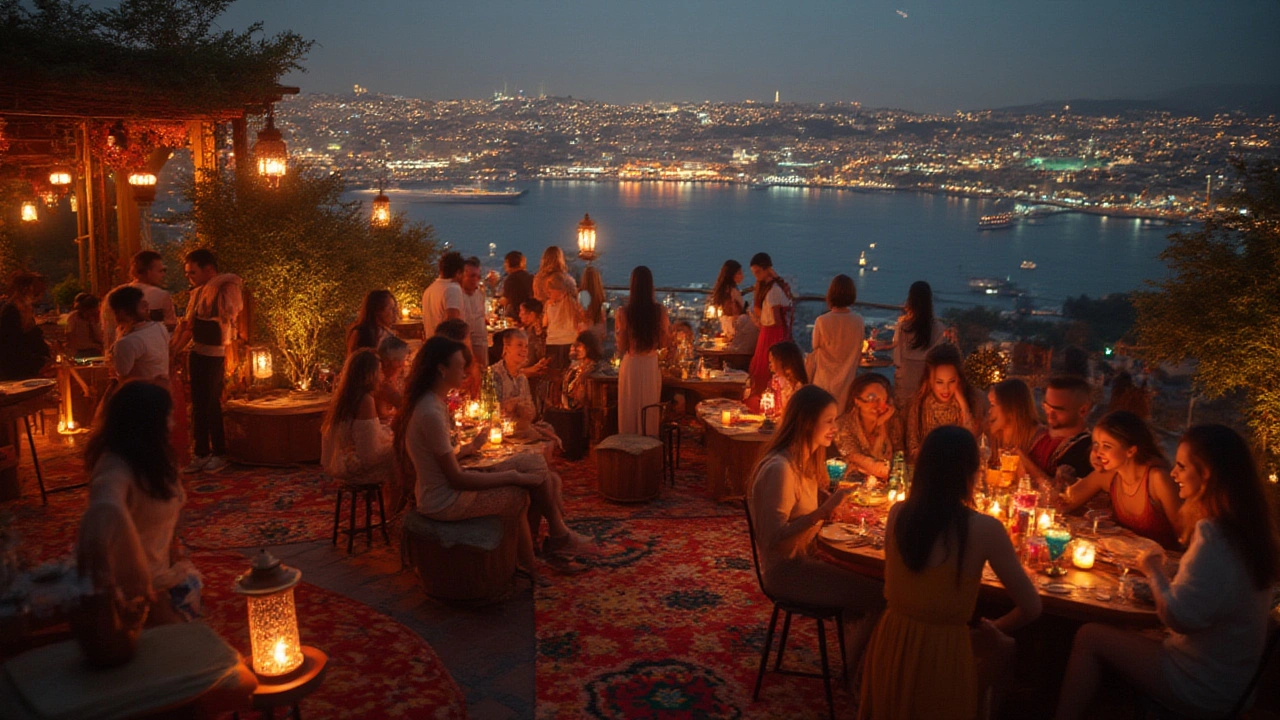
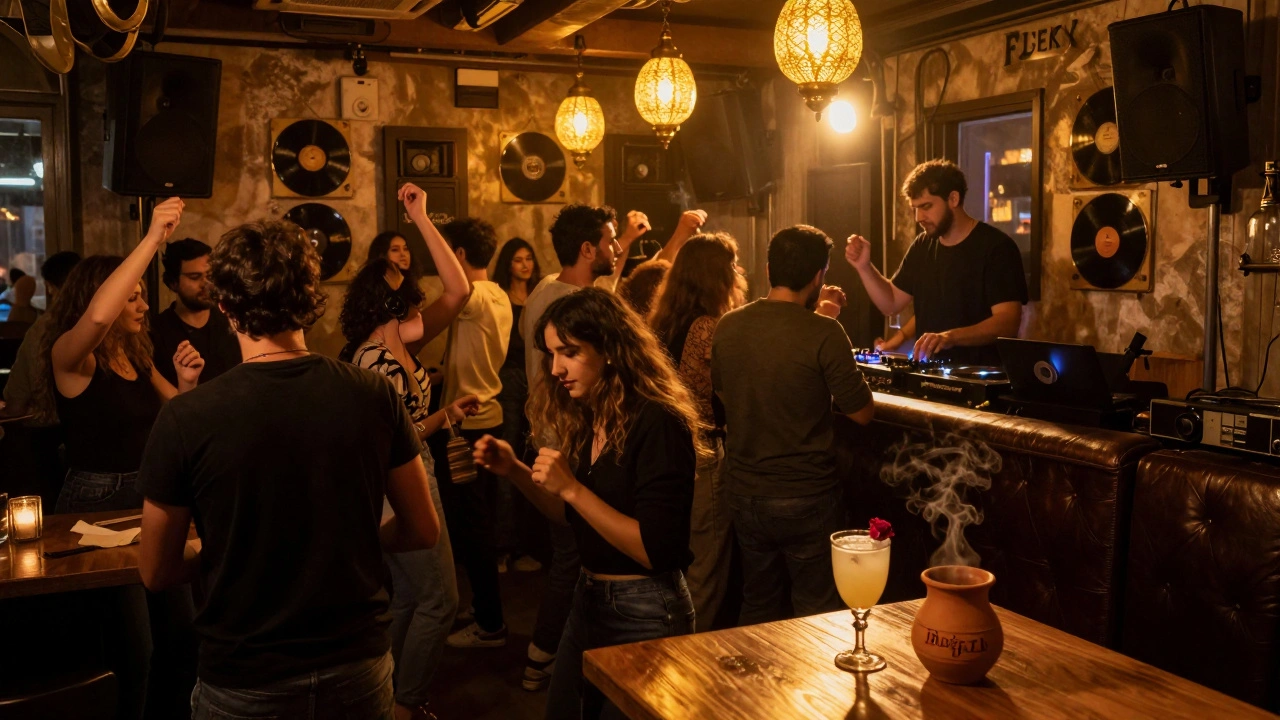
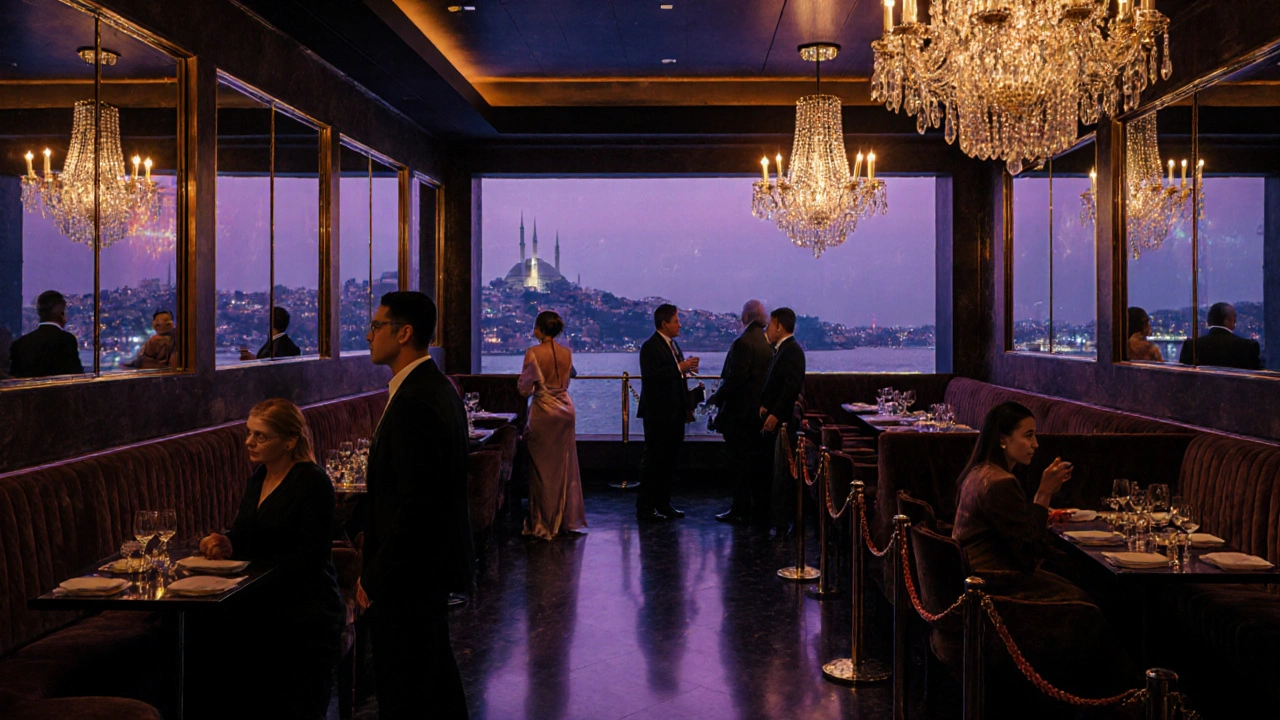
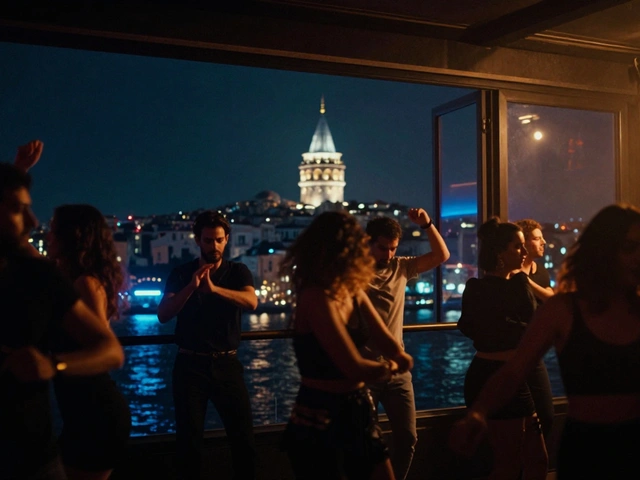
In Istanbul, where the Bosphorus whispers secrets between continents and alleyways hide centuries of intrigue, masquerade clubs aren’t just a trend-they’re a return to something deeply local. For generations, Istanbul has thrived on duality: public piety and private revelry, Ottoman grandeur and underground jazz, the call to prayer and the bass drop in a basement bar. Now, masked gatherings are surging in popularity-not because they’re exotic, but because they feel authentically Istanbul.
Why Masks Fit Istanbul’s Soul
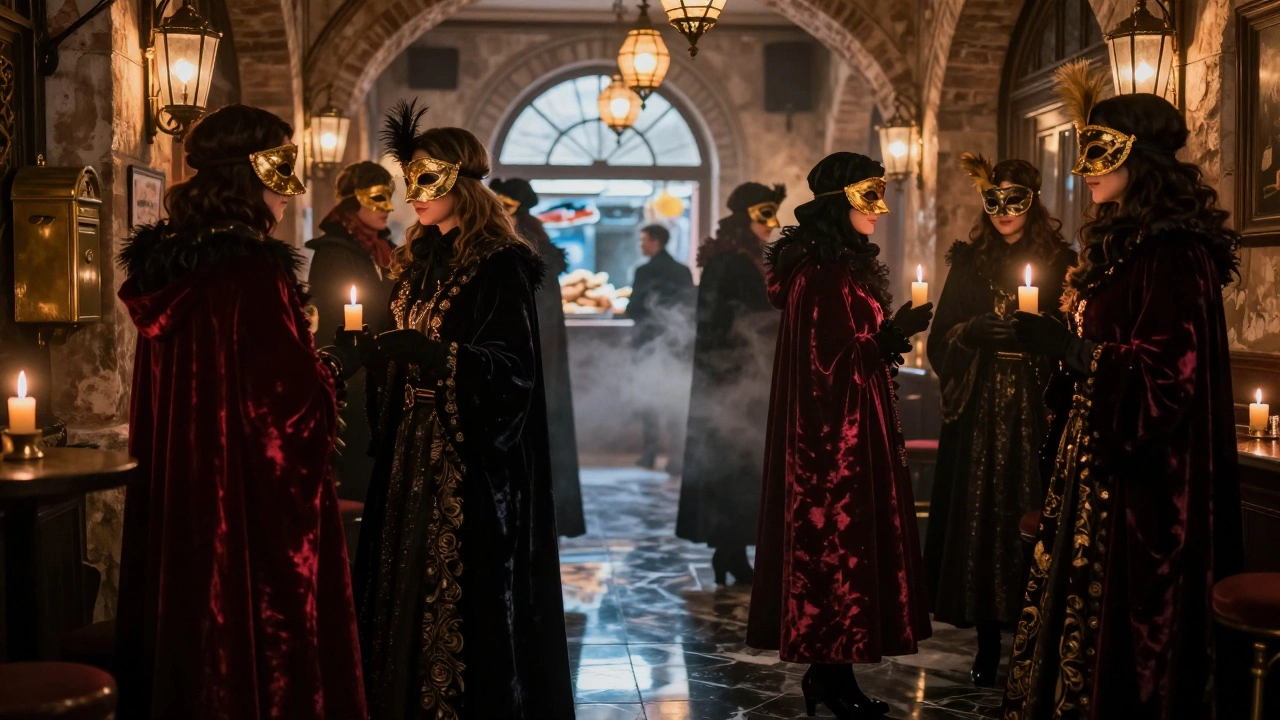
Istanbul has always been a city of veils. The harem was a world behind closed doors. The lokanta owner knew your name but never your business. Even now, in a city where social media oversharing is common, people are craving spaces where identity isn’t pinned to a LinkedIn profile or Instagram handle. Masquerade clubs offer exactly that: anonymity with elegance. Unlike generic themed bars in Kadıköy or Beyoğlu, these venues don’t rely on neon signs or loud DJs. They’re tucked into restored Ottoman warehouses in Balat, hidden above bookshops in Nişantaşı, or accessed through unmarked doors in Karaköy. Guests arrive in full regalia-velvet cloaks, feathered half-masks, lace gloves-often custom-made by tailors in the Grand Bazaar or artisans in Üsküdar. The masks aren’t plastic novelties; they’re hand-painted by local craftsmen using gold leaf and Ottoman motifs, sold by shops like Maskara Atölyesi near Eminönü.Where the Secret Parties Are Hiding
The most talked-about masquerade club in Istanbul right now is La Maschera, tucked beneath a 19th-century silk warehouse in Karaköy. You don’t book online. You get an invitation through a friend, or you leave a note in the old brass mailbox beside the fish market at Galata Pier. The door opens only after you whisper a phrase in Ottoman Turkish: “Gizli rüzgâr, açık kapı”-“Secret wind, open door.” Another hotspot is Çıkmaz (Dead End), a monthly event hosted in a restored Ottoman bathhouse in Beyoğlu. Guests wear masks inspired by Seljuk and Byzantine designs, and the music shifts from ney flute to ambient electronica as midnight approaches. No phones are allowed. No photos. Just candlelight, oud players, and the rustle of silk as strangers become dance partners. Even luxury hotels are joining in. The Pera Palace Hotel now hosts a quarterly “Bosphorus Masquerade Ball”-a nod to its 1892 opening, when aristocrats from Vienna to Cairo arrived in full costume. Tickets sell out in hours. Attendees arrive by private dolmuş from Beşiktaş or by yacht from Üsküdar, dressed as Ottoman viziers, Venetian courtesans, or 1920s flappers with Turkish embroidery.Why Now? The Cultural Shift
This isn’t just about fashion. It’s about control. After years of political tension, economic uncertainty, and digital saturation, Istanbul’s residents are reclaiming privacy as a form of resistance. Young professionals in Şişli, students from Boğaziçi University, and expats from London or Berlin all say the same thing: “Here, I’m not a client, a follower, or a tourist. I’m just someone who wants to move without being seen.” Social media has backfired. Instagram influencers who once posted from rooftop bars now avoid tagging locations. The most popular nightlife spots in Istanbul today are those you can’t find on Google Maps. Masquerade clubs thrive because they’re invisible by design. There’s also a revival of Ottoman-era traditions. In the 17th century, hayat mahfili-private entertainment salons-were common among the elite. Women, men, and non-binary guests mingled freely behind silk curtains, masked, dancing to tanbur music. Modern masquerade clubs are reviving that spirit, blending it with contemporary aesthetics.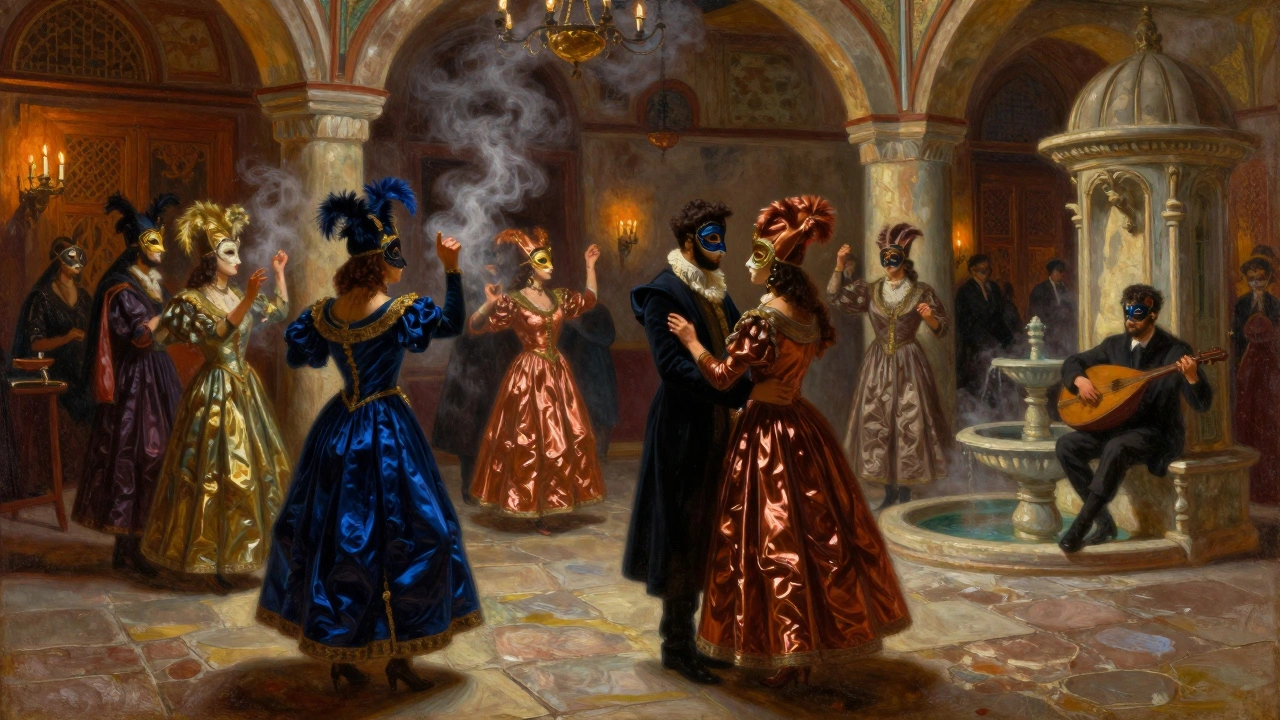
How to Get In (Without Looking Like a Tourist)
You won’t find tickets on Eventbrite or Kuponu. Here’s how real insiders get access:- Visit Kitapçık, a quiet bookstore in Cihangir, and ask for the “blue journal” behind the counter. Leave your name and phone number. If you’re chosen, you’ll get a coded message within 72 hours.
- Attend a private tea ceremony at Çayhane in Beşiktaş. The owner, Ayşe Hanım, knows everyone. If you speak Turkish with even a slight accent, she’ll ask: “Do you believe in ghosts?” Answer: “Only the ones that dance.”
- Follow @karakoygizli on Instagram. It doesn’t post events-but it does post old photos of masks. Comment with a single emoji: 🕯️. If you’re invited, you’ll get a reply with a location and date.
The Rules: What No One Tells You
There are three unspoken rules at every masquerade club in Istanbul:- Never ask someone’s name. If they want you to know, they’ll tell you-maybe over a glass of raki, maybe not.
- Don’t photograph anyone. Not even the decor. The staff will politely ask you to delete it. If you refuse, you’re banned-for life.
- Leave your phone in a velvet pouch at the door. The venue provides a locked wooden box with your mask number. Retrieve it only when you leave.
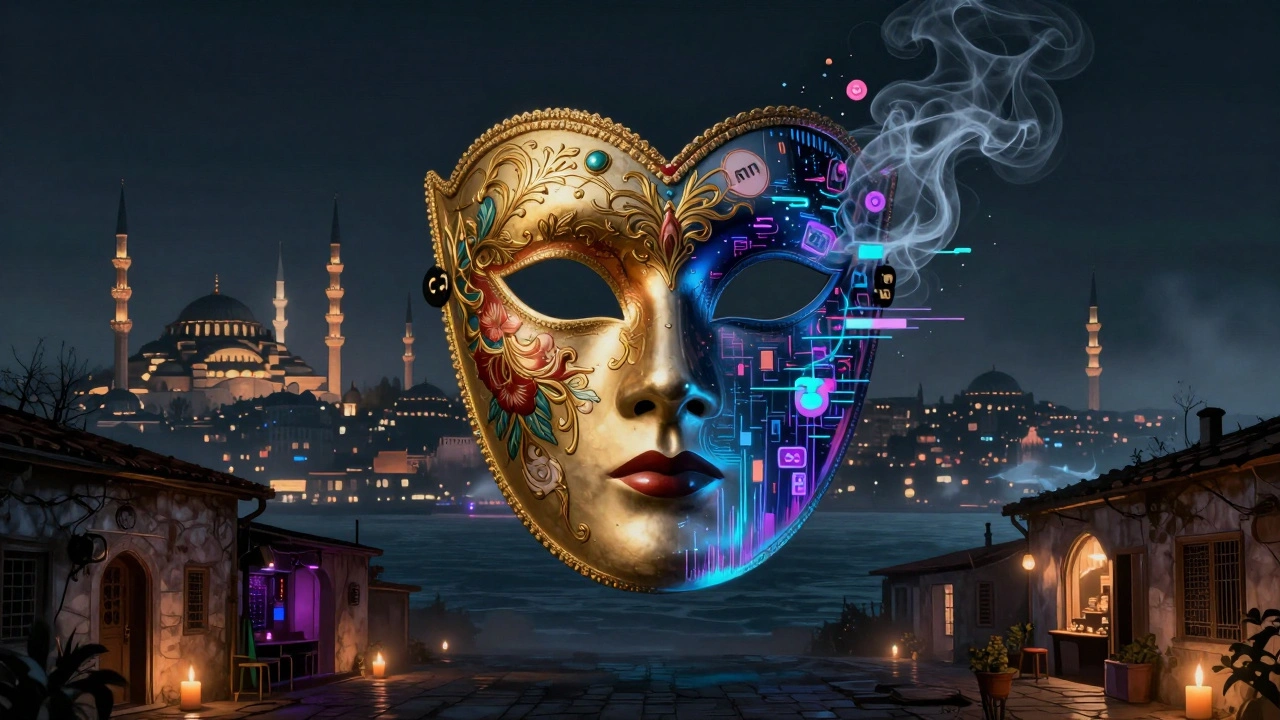
Who’s Going? The Real Crowd
It’s not just artists and hipsters. You’ll find:- A former Turkish diplomat from Ankara who now runs a hidden library in Kadıköy
- A Syrian refugee turned textile designer who makes masks using traditional hand-loomed fabrics from Gaziantep
- A German tech CEO who flies in every month just to disappear
- A 72-year-old widow from Ortaköy who still wears her wedding veil as a mask
What Comes Next?
Masquerade clubs are spreading. A new one is rumored to open in a disused Ottoman prison near Üsküdar. Another is being planned in a converted 1880s synagogue in Hasköy. These aren’t gimmicks. They’re responses to a city that’s lost its rhythm-and found it again, in the quiet between a mask and a heartbeat. Istanbul doesn’t need more rooftop bars. It needs spaces where the past doesn’t scream, but whispers. Where you can be someone else, even if just for one night. Where the only thing brighter than the candlelight is the freedom to vanish.Are masquerade clubs in Istanbul legal?
Yes, they operate under private club licenses, which allow gatherings of up to 50 people without public entertainment permits. Most venues are registered as cultural associations under Turkish law, not as nightclubs. They avoid alcohol sales to stay in legal gray areas, serving tea, coffee, and non-alcoholic cocktails instead. Some offer raki by private request, but only to members.
Can tourists join masquerade clubs in Istanbul?
Tourists can join-but only through invitation. No walk-ins. You must be referred by someone already in the network, or gain entry through one of the discreet methods like the bookstore note or Instagram interaction. Many venues screen guests to preserve exclusivity and safety. If you’re staying at a luxury hotel like the Çırağan Palace, ask the concierge about cultural events-they sometimes receive private invites.
Do I need to buy a mask, or can I rent one?
You can rent, but most guests buy. Rental masks are available at Maskara Atölyesi in Eminönü and İstanbul Maske Atölyesi in Kadıköy, starting at 1,200 TL. But the real insiders commission custom pieces from artisans in the Grand Bazaar’s mask district near Nuruosmaniye. A hand-painted, gold-leafed mask from a master craftsman costs between 3,500 and 8,000 TL-and often becomes a family heirloom.
Are these clubs only for adults?
Yes. All venues enforce a strict 21+ policy. Even though the events are elegant and not alcohol-focused, the atmosphere, music, and themes are designed for mature audiences. Some clubs host daytime literary salons for younger guests, but these are separate from the evening masquerades and require separate invitations.
What’s the best time of year to experience a masquerade club in Istanbul?
Winter is ideal. Between November and February, the city’s mood turns introspective. The fog over the Bosphorus adds mystery, and the colder nights make the candlelit halls feel even more intimate. Major events cluster around the week before Nowruz (March 21) and the week after Ramadan ends. Avoid summer-most venues close for the season, and the heat makes velvet and lace unbearable.

5 Comments
I just got back from La Maschera last weekend and I swear I didn’t know if I was in Istanbul or a dream.
They gave me this handmade mask with Ottoman calligraphy on the side-gold leaf, real gold-and I still haven’t washed the silk gloves.
Everyone was so chill, no one asked my name, no one cared if I was American or not.
And the music? Nay flute mixed with ambient beats like someone dropped a Sufi poet into a Berlin club.
I left at 4am and walked past the Galata Bridge and the whole city felt like it was holding its breath.
I didn’t post a single pic. Not even a blurry one.
That’s the thing-you don’t go for the ‘gram, you go because you’re tired of being seen.
I told my therapist about it and she said I was having an identity crisis.
I told her no, I was having an identity reset.
Everyone here is so obsessed with being known, but in Istanbul, being unknown is the ultimate luxury.
Also, the baklava in the velvet pouch? Best snack of my life.
And yes, I cried a little when I had to take the mask off.
Wish I could go again next month.
Anyone else get the coded message from @karakoygizli? I commented 🕯️ and got a reply in 48 hours.
It’s not a party, it’s a ritual.
This is just another Western fantasy dressed up as Turkish culture you know what I mean
They always do this take some ancient tradition and slap a velvet cloak on it and call it art
Masked parties my ass
Back in my village in Rajasthan we had real secret gatherings where people danced under moonlight with real instruments not some overpriced silk and fake gold leaf
And you think this is authentic
Ha
These clubs are just for rich expats and Instagram influencers who want to feel exotic without leaving their bubble
Real Turks don’t need masks to be mysterious we’ve been mysterious for 800 years
And now you want to charge 8000 TL for a mask
That’s robbery
And you call it culture
No
This is capitalism with a fez on
Okay but the legal angle is actually fascinating
Private club licenses under cultural associations avoids the nightclub regulations completely
And no alcohol sales means they don’t need liquor licenses which is why they can operate in residential zones
Plus the 50-person cap is genius because it keeps it intimate and avoids noise complaints
They’re basically exploiting a loophole in Turkish municipal code that dates back to the 1980s
And the tea ceremony gatekeeping at Çayhane in Beşiktaş
That’s not just exclusivity that’s anthropological theater
It’s a modern-day initiation rite disguised as hospitality
And the fact that they use Ottoman Turkish phrases like ‘Gizli rüzgâr, açık kapı’
That’s linguistic preservation as performance art
They’re not just hosting parties they’re curating cultural memory
And the mask artisans in the Grand Bazaar
They’re not selling costumes they’re reviving a lost craft
Some of those patterns haven’t been used since the 18th century
And yes I checked the archives at the Istanbul Museum of Turkish and Islamic Arts
So before you dismiss this as a trend
Understand that it’s a quiet act of cultural reclamation
Y’all this is the most beautiful thing I’ve seen all year
Imagine a world where your worth isn’t measured by your followers or your LinkedIn headline
Where you can just… be
Not a client
Not a tourist
Not a data point
Just a soul wrapped in velvet and gold leaf dancing to the oud under candlelight
It’s like the city finally remembered how to breathe
And the fact that a 72-year-old widow wears her wedding veil as a mask
That’s not just poetic that’s soul medicine
These clubs are the antidote to digital burnout
They’re not hiding from the world they’re relearning how to be in it
And the way they use baklava as a secret snack
That’s genius
It’s sweet
It’s nostalgic
It’s Turkish
It’s everything
I’m booking my flight next week
And I’m getting a custom mask
Even if it costs me my rent for three months
This is the kind of magic that changes you
And I’m not just saying that
I’m already dreaming in Ottoman Turkish
What’s really happening here is a collective trauma response
After years of surveillance capitalism political instability and algorithmic identity policing
People are craving ontological anonymity
These masquerade clubs aren’t about fashion they’re about epistemic freedom
You’re not just hiding your face you’re reclaiming your narrative
And the ritualistic elements-the velvet pouches the no-phones rule the whispered passwords
These are all micro-resistances against the panopticon
It’s Foucault meets the Grand Bazaar
And the fact that it’s thriving in a city that’s been saturated with performative publicness
That’s revolutionary
This isn’t escapism
This is re-embodiment
You don’t need to be Turkish to feel this
You just need to be tired of being seen
And honestly
If you’re reading this and you’re not already planning your mask
You’re not ready for the next phase of human connection
Go find the blue journal