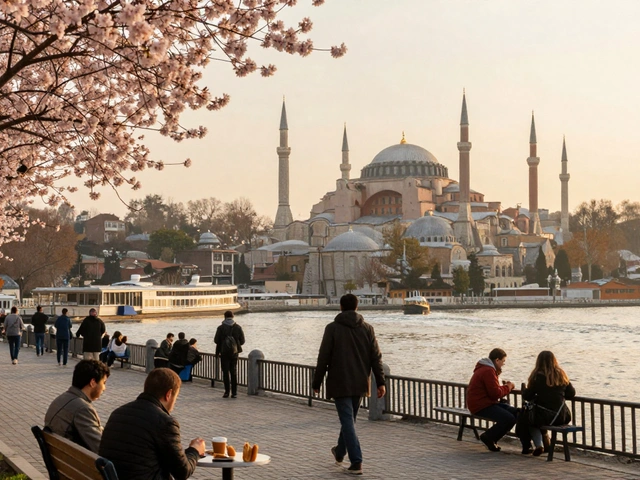
When you walk through the streets of Istanbul, past the bustling bazaars of Eminönü and the quiet alleys behind the Grand Bazaar, one building dominates the skyline-not just because of its size, but because of what it carries in its stones. Hagia Sophia isn’t just another Istanbul attraction. It’s the city’s heartbeat, layered with centuries of faith, power, and art that no textbook or tour guide can fully capture. If you’ve ever stood beneath its dome and felt the silence hum, you’re not imagining it. That’s history breathing.
The Dome That Defied Gravity
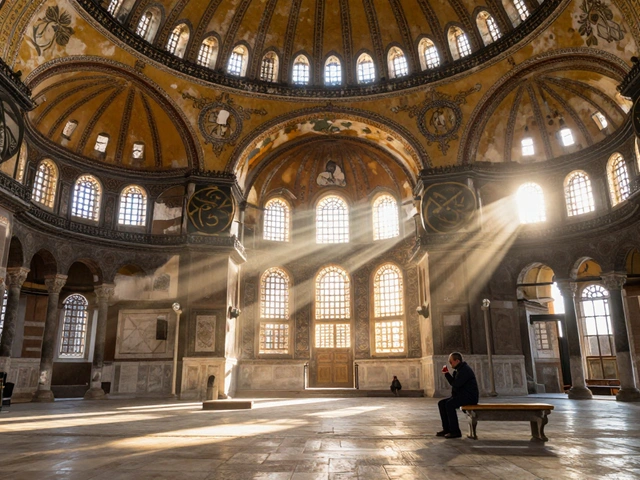
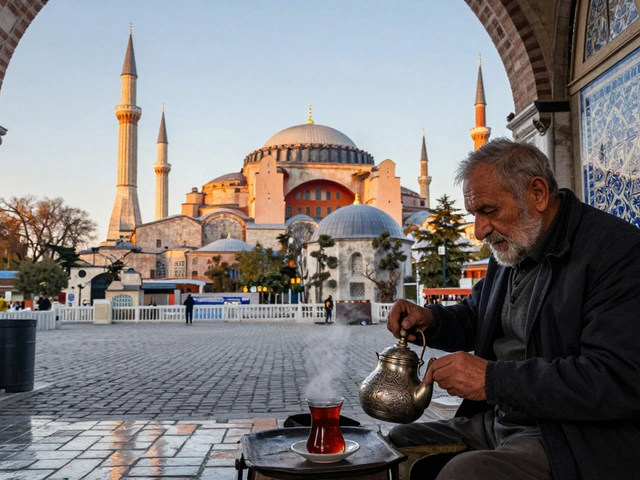
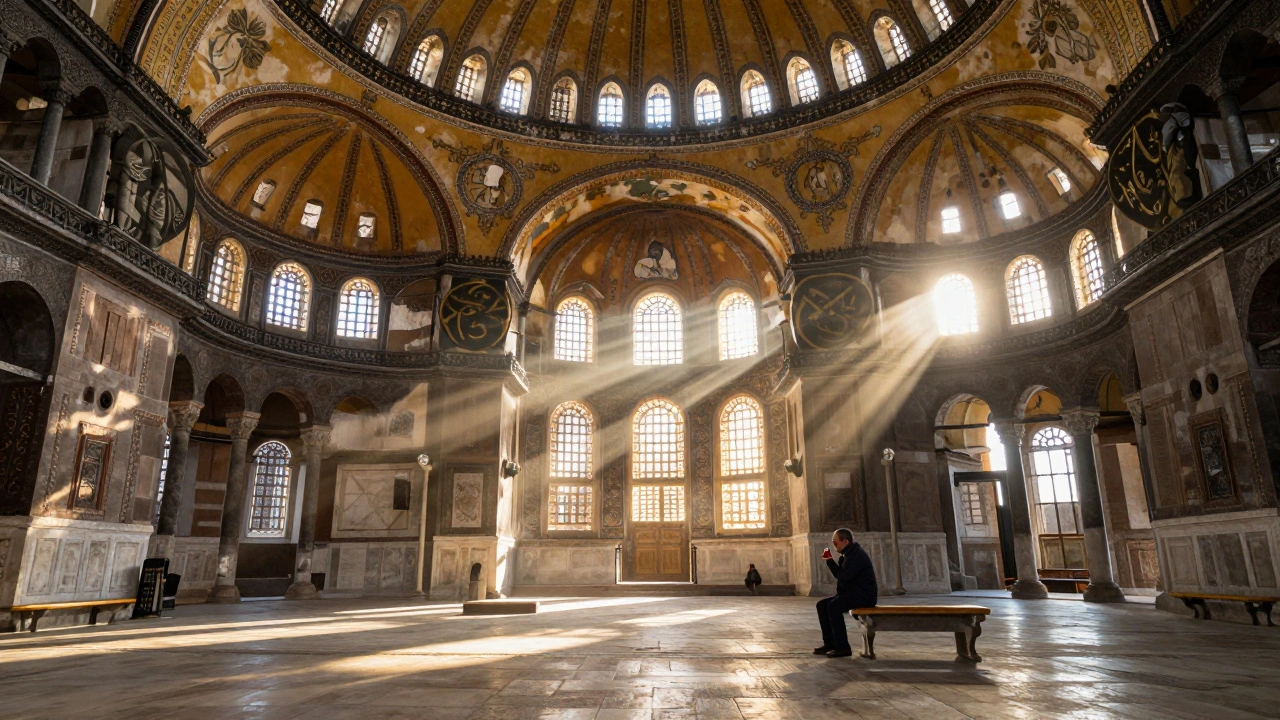
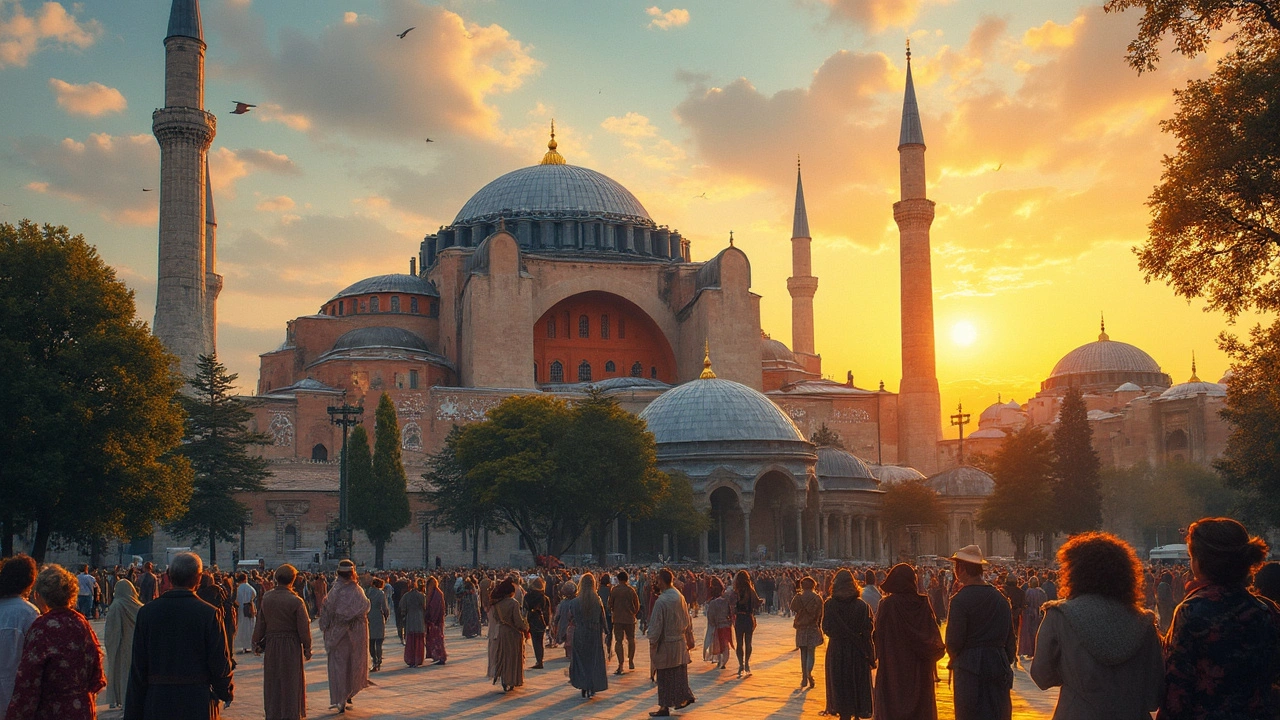
The dome of Hagia Sophia isn’t just impressive-it’s revolutionary. When it was completed in 537 AD under Emperor Justinian I, it was the largest dome in the world, and for nearly a thousand years, no one could replicate its engineering. The secret? Lightweight pumice stone from the volcanic islands near Marmara, and a system of pendentives that let the weight of the dome flow down into the four massive piers below. Unlike later mosques that used slender minarets for support, Hagia Sophia’s genius was in its balance. The dome appears to float, suspended by light. Walk inside on a clear morning, and sunlight streams through the 40 windows around its base. It’s the same light that once illuminated Byzantine emperors, Ottoman sultans, and now, Istanbul locals sipping çay on the steps outside.
From Church to Mosque to Museum-And Back Again
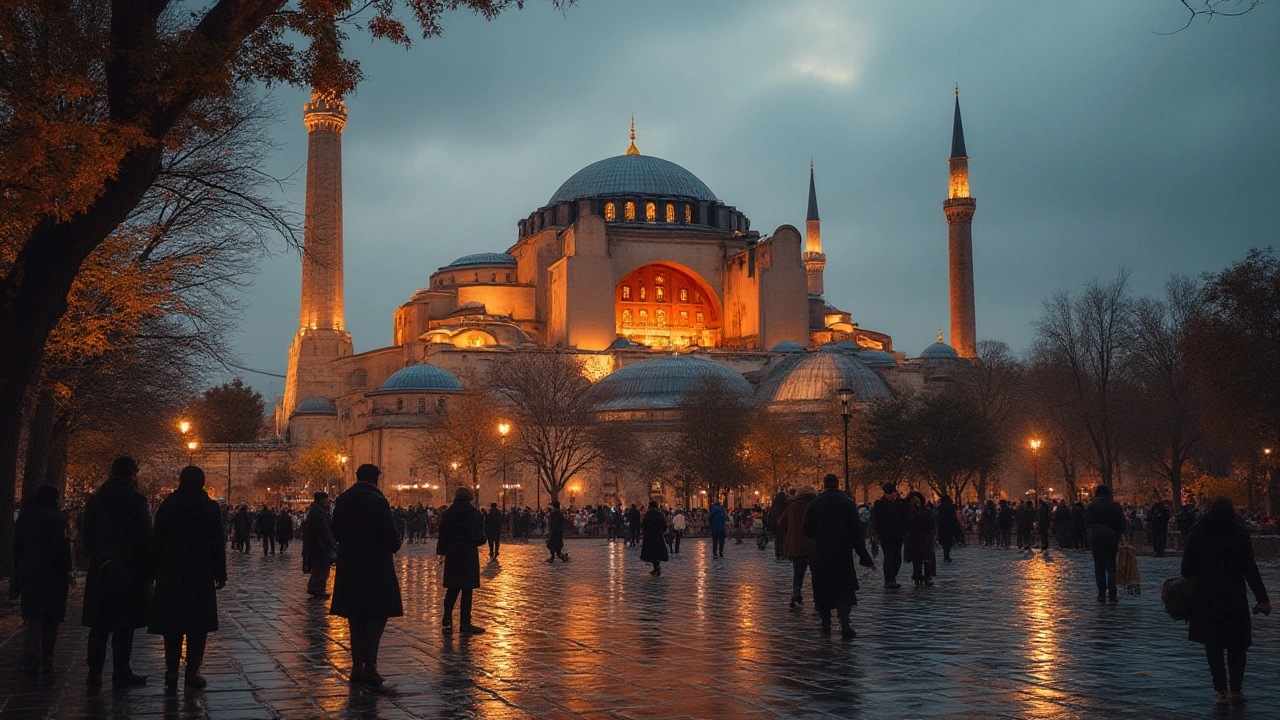
What makes Hagia Sophia unique isn’t just its architecture-it’s its story. For 900 years, it was the center of Eastern Christianity, the seat of the Patriarch of Constantinople. Then, in 1453, after the fall of Constantinople, Mehmed the Conqueror walked in, ordered the bells removed, the Christian mosaics covered with plaster, and the mihrab and minbar installed. The mosaics weren’t destroyed-they were hidden. Covered in whitewash, they survived centuries of neglect, only to be uncovered again in the 1930s when Mustafa Kemal Atatürk turned it into a museum. In 2020, it became a mosque once more. But here’s what most visitors don’t realize: the call to prayer still echoes over the same floor where Byzantine priests once chanted. The same marble columns, quarried from ancient temples in Ephesus and Baalbek, still hold up the same dome.
The Mosaics That Whispered Through Centuries
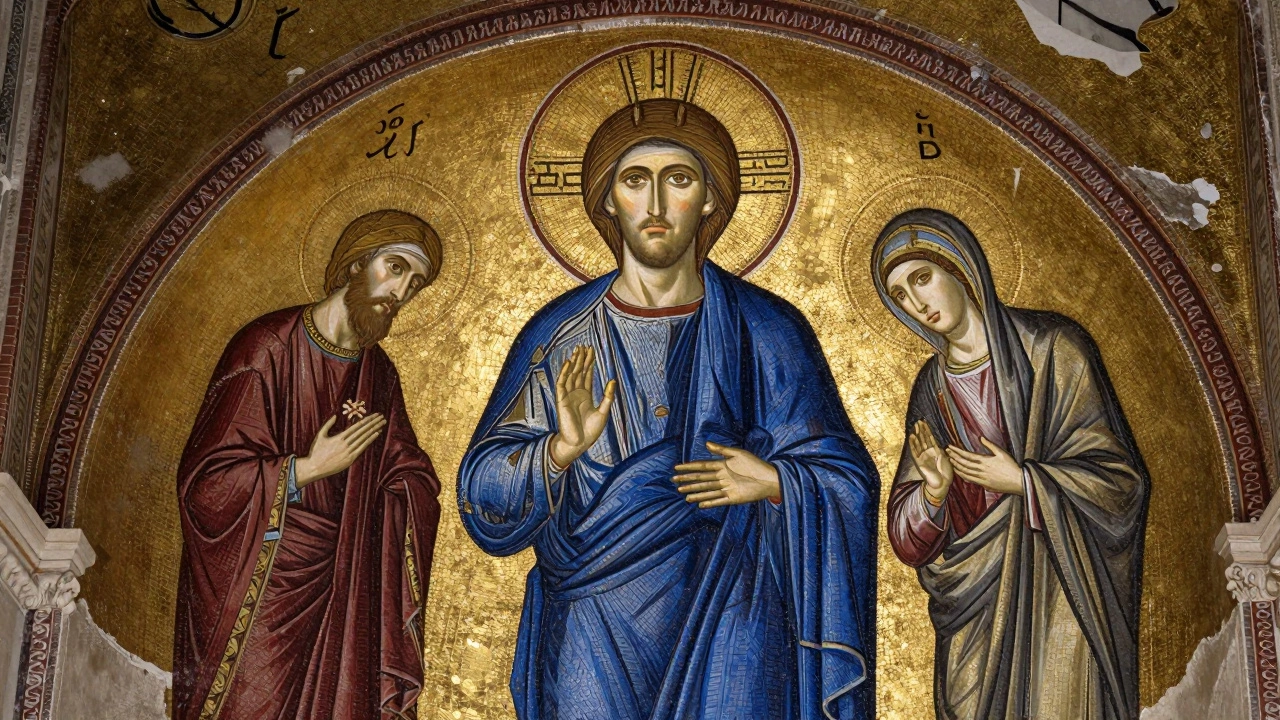
Look up near the imperial door, and you’ll find the Deesis mosaic-one of the most powerful images in Christian art. Christ, flanked by the Virgin Mary and John the Baptist, is shown in mercy, his hand raised in blessing. This mosaic was hidden under plaster during Ottoman times, but when workers peeled it away in 1934, the colors were still vivid. The gold tesserae? Made from real gold leaf, hammered into thin sheets and backed with glass. You’ll find similar mosaics in the upper galleries: Empress Zoe with Christ, Emperor Constantine IX offering a model of the church, and the famous Virgin Pantanassa. These aren’t just decorations-they’re prayers in stone. Locals in Fatih and Üsküdar still talk about how, during the 1950s, schoolchildren from nearby primary schools would come on field trips to sketch these figures in their notebooks. Today, you can still see students from Kadıköy Art High School doing the same.
The Calligraphy That Tells a Different Story
Step into the main prayer hall, and your eyes are drawn to the giant roundels on the pillars. Each one is 10 meters wide, hand-painted in black ink on white plaster, featuring the names of Allah, Muhammad, and the four caliphs. These aren’t machine-printed signs-they’re monumental calligraphy, done by the greatest Ottoman masters. The largest, on the south side, was written by Ahmed Karahisari in the 16th century. His style, called the “Suleymaniye script,” was so precise that even today, calligraphy students at the Istanbul State Academy of Fine Arts study his work. The ink? Made from soot mixed with gum arabic and rosewater-a recipe unchanged since the days of Suleiman the Magnificent. You’ll smell it sometimes, especially on humid mornings, when the scent rises from the stone.
How Istanbul’s Climate Shaped Its Design
Most people don’t realize that Hagia Sophia’s structure had to survive Istanbul’s extremes: freezing winters, scorching summers, and earthquakes that shake the Marmara Fault every few decades. The builders used a special mortar made from crushed brick, lime, and egg whites-a technique borrowed from ancient Roman aqueducts. It’s still holding. In 1999, after the Kocaeli earthquake, engineers found that the dome had shifted by just 3 centimeters. That’s why the building has never needed a full structural overhaul. Local restoration teams use traditional materials: handmade bricks from Bursa, natural pigments from Çanakkale, and wood from the Black Sea forests for scaffolding. Even today, when repairs are done, they avoid modern cement. The city’s heritage is preserved with the same care a grandmother uses to mend an old quilt.
What You’ll Notice If You Visit Like a Local
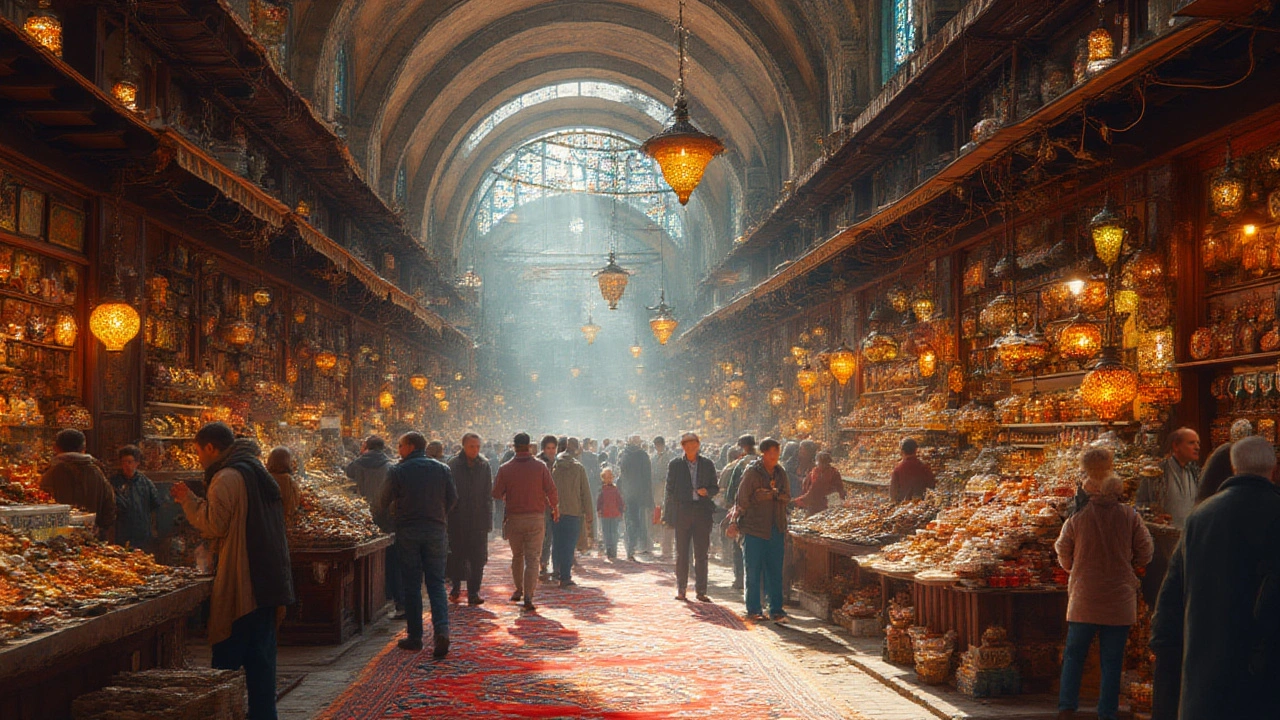
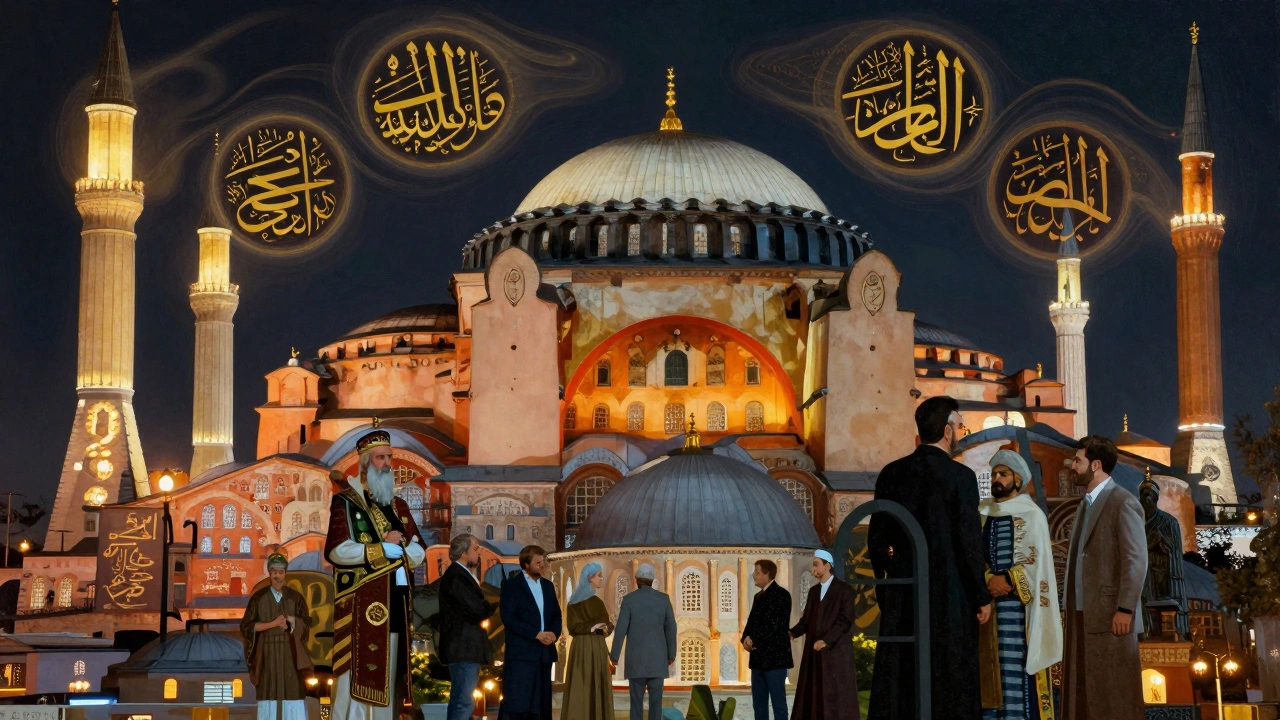
If you’re from Kadıköy, Beyoğlu, or even a suburb like Pendik, you know Hagia Sophia isn’t just a tourist site-it’s part of daily life. Locals don’t line up at 8 a.m. to get in. They come on weekdays, right after morning prayers, when the crowd thins and the light hits the mosaics just right. Some bring their own tea in a thermos and sit on the stone benches near the southern entrance. Others come with their children to point out the hidden carvings: the imprint of a Byzantine craftsman’s thumb in the mortar, the scratch marks from Ottoman soldiers who once sharpened their swords against the columns. You won’t find these details in guidebooks. But if you ask a shopkeeper in the Spice Bazaar-say, Mehmet from the old family spice stall near the Egyptian Bazaar-he’ll tell you about how his grandfather used to bring him here on Sundays, before the crowds came.
Why It Still Matters Today
Hagia Sophia isn’t frozen in time. It’s alive. On Fridays, the call to prayer rises over the Bosphorus, blending with the horns of ferries leaving Karaköy. On Sundays, Orthodox Christians from the Greek and Armenian communities still gather quietly outside, praying in their own traditions. Tourists take selfies, yes-but so do Istanbul families, posing with their grandchildren under the dome, as if to say: this is ours, too. It’s not just a relic. It’s a mirror. And in a city that’s been conquered, rebuilt, and reborn a dozen times, that’s the most powerful thing of all.