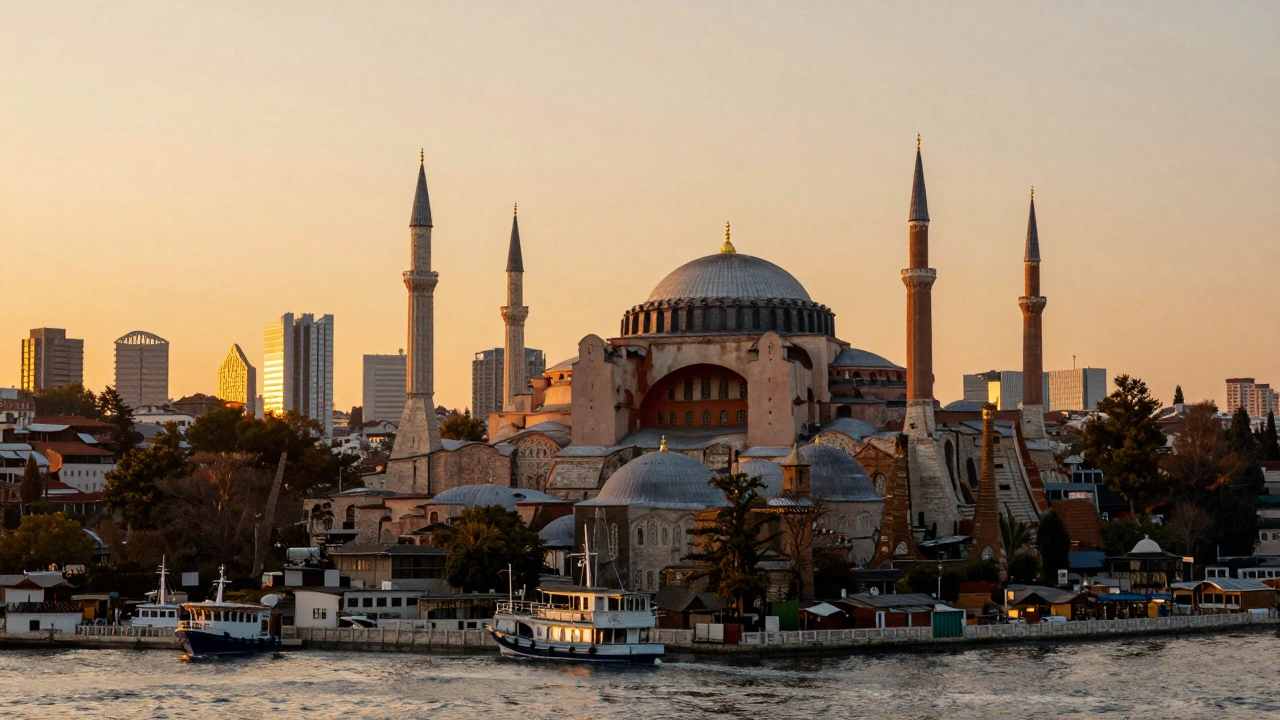
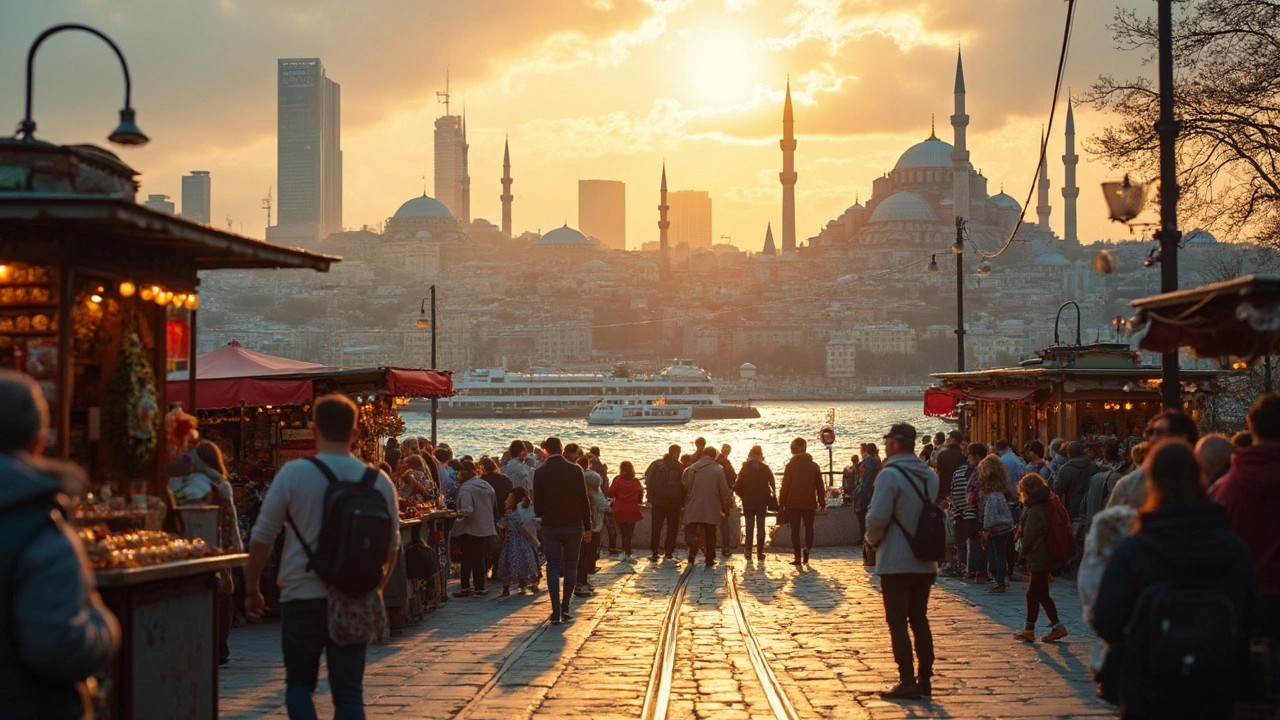
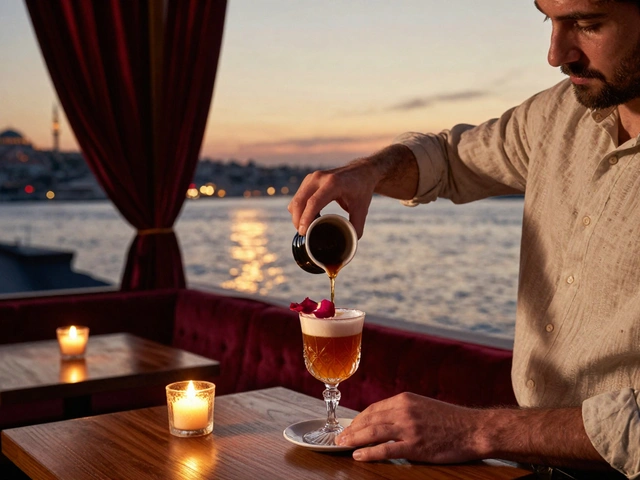
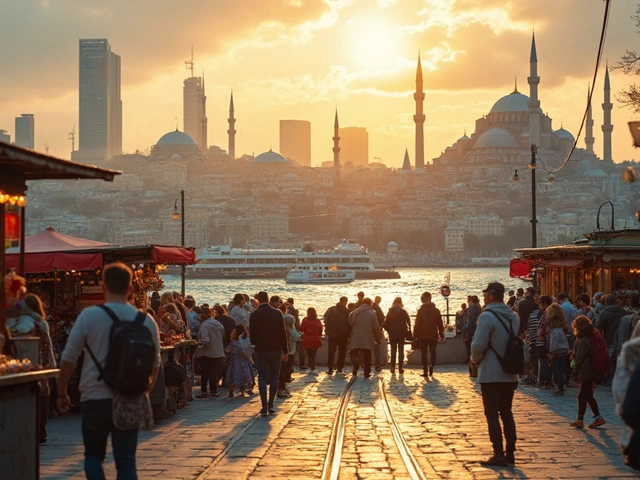
In Istanbul, every corner of the city whispers history through stone, mortar, and minarets. Walk along the Bosphorus at sunset, and you’ll see how the skyline isn’t just a view-it’s a timeline. From the Byzantine domes of Hagia Sophia to the sleek glass towers of Maslak, Istanbul’s buildings don’t just stand there. They remember. They argue. They evolve. And if you’ve ever stood on the Galata Bridge watching the ferries pass beneath you, you’ve felt it: this city doesn’t just have architecture. It lives inside it.
The Hagia Sophia: When Faith Became Form
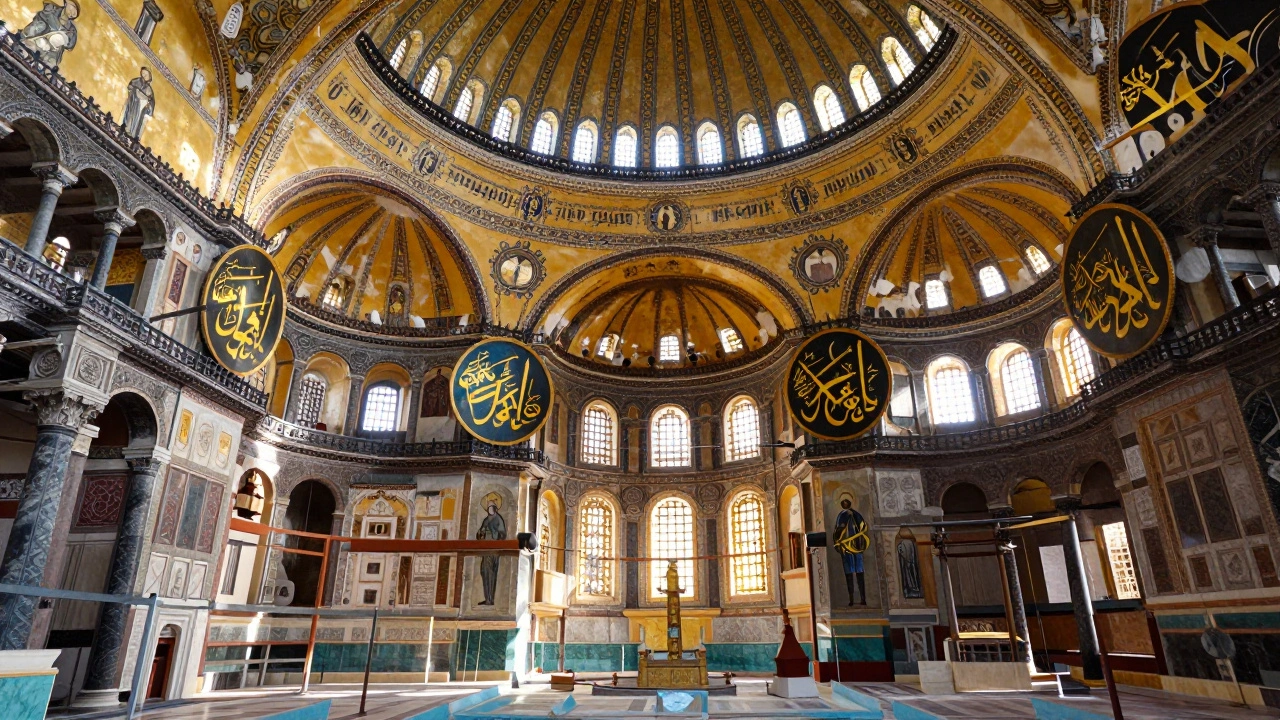
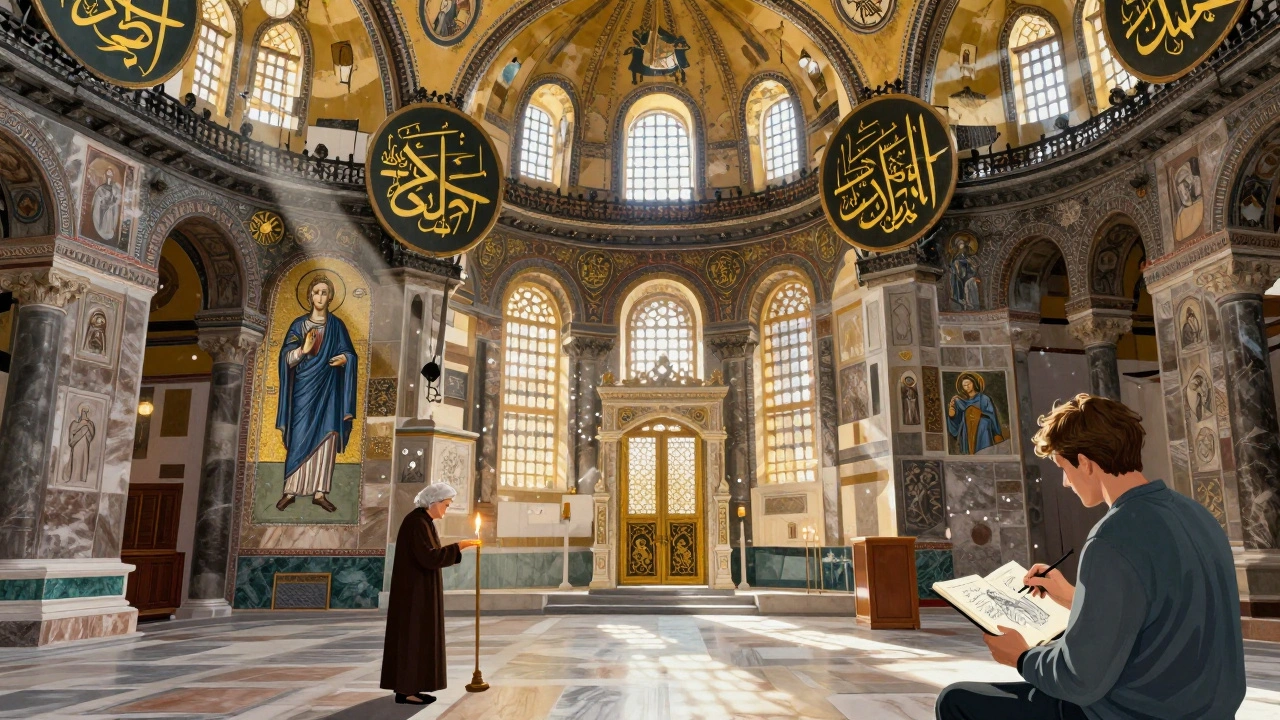
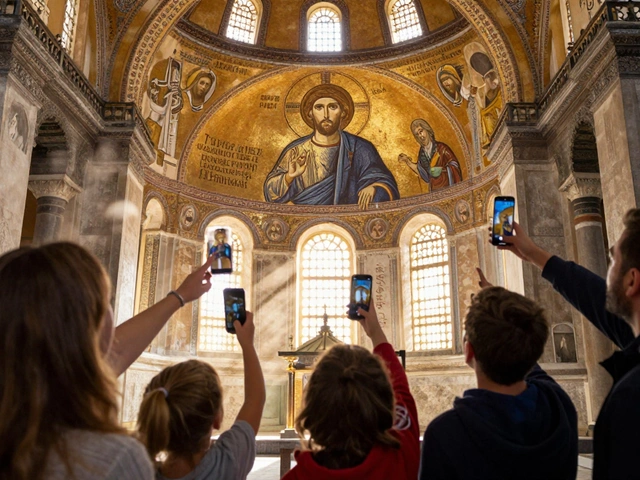
No building in Istanbul has been more reshaped by history than Hagia Sophia. Built in 537 AD under Emperor Justinian, it was the largest cathedral in the world for nearly a thousand years. Its dome-55 meters high and 31 meters wide-seemed to float above the marble floor, a miracle of engineering that baffled even the Ottoman engineers who later converted it into a mosque. They didn’t tear it down. They added minarets, plastered over mosaics, and let the building keep its soul. Today, it’s a museum again, then a mosque, then a museum once more. But the truth? It’s always been both. The Christian mosaics peek through the Islamic calligraphy like memories refusing to be erased. Locals know this: Hagia Sophia isn’t just a monument. It’s the city’s emotional center. You’ll find elderly women lighting candles near the imperial door, students sketching its arches in notebooks from the nearby Sahaflar Çarşısı, and tourists whispering as they pass under the weight of a thousand years.
The Blue Mosque: Power, Piety, and Perfect Proportions
If Hagia Sophia is the soul of Istanbul, the Sultan Ahmed Mosque-better known as the Blue Mosque-is its voice. Built between 1609 and 1616 by Sultan Ahmed I, it was meant to rival Hagia Sophia. And it did. Six minarets, a rarity at the time, announced its ambition. Inside, over 20,000 hand-painted İznik tiles in shades of cobalt and emerald create a shimmering, ever-changing glow. The tiles? Made in the same kilns that once supplied Topkapı Palace. The windows? Designed so that sunlight hits the prayer rugs at just the right angle during morning prayers. Locals don’t just visit the Blue Mosque. They pray here, propose here, bring their children here to feel the quiet. On Fridays, the courtyard fills with men in woolen caps and women in headscarves, their footsteps echoing on the same stones that have heard centuries of whispered prayers. It’s not a tourist attraction-it’s a living place of worship, and that’s why it still hums with purpose.
Galata Tower: The Watchtower That Saw It All
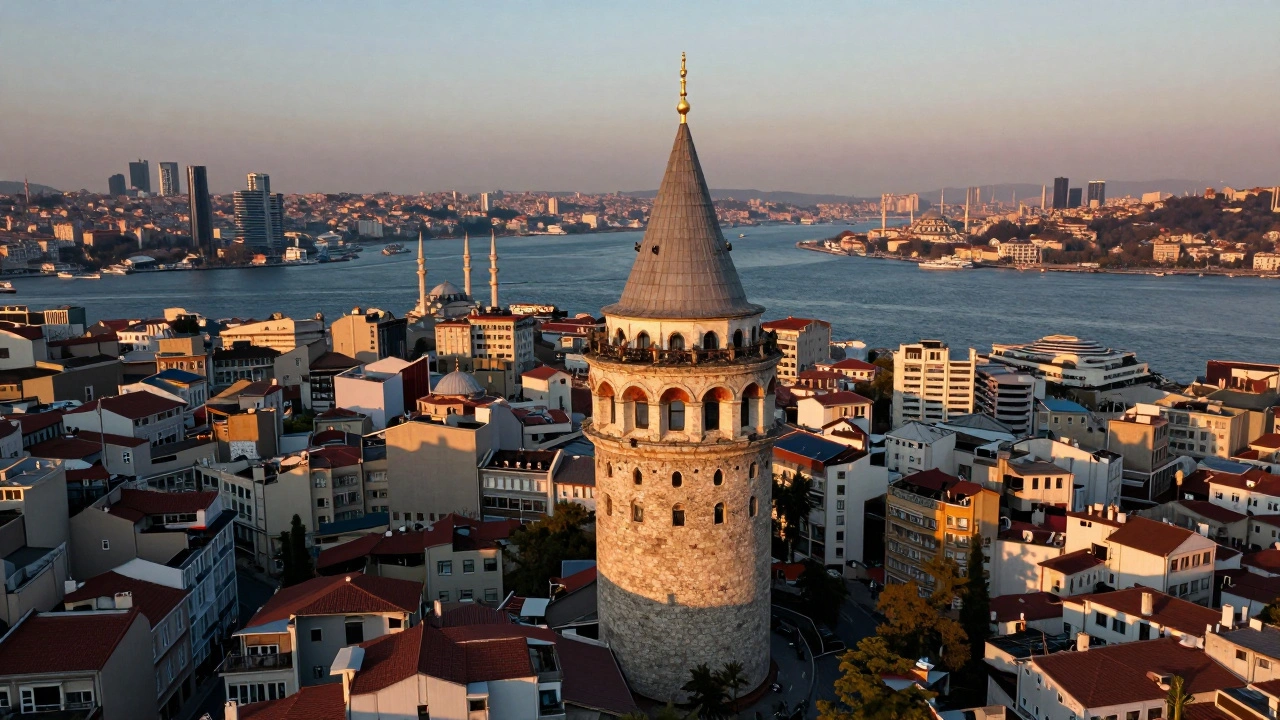
Perched on a hill in Karaköy, Galata Tower was built in 1348 by the Genoese as a fortress, not a landmark. But over time, it became Istanbul’s most trusted observer. It watched the fall of Constantinople in 1453. It saw Ottoman ships sail into the Golden Horn. It survived earthquakes, fires, and the rise of skyscrapers. Today, it’s one of the most visited spots in the city-not because it’s pretty, but because it gives you the only view that makes sense of Istanbul’s chaos. From the top, you can trace the curve of the Bosphorus, spot the minarets of Süleymaniye in the distance, and see the modern towers of Levent rising like glass sentinels. Locals know: if you want to understand Istanbul’s layered identity, climb the 168 steps. At the top, you’re not just looking at a city. You’re seeing how Byzantium, Genoa, and the Ottoman Empire all tried to claim it-and how Istanbul outlasted them all.
The Süleymaniye Mosque: Architecture as Legacy
While the Blue Mosque shouts its grandeur, the Süleymaniye Mosque whispers it. Designed by Mimar Sinan, the Ottoman Empire’s greatest architect, it was built between 1551 and 1557 for Sultan Süleyman the Magnificent. Sinan called it his “masterpiece,” and it shows. The dome, 53 meters high, is nearly identical to Hagia Sophia’s-but here, the space feels lighter, more open. The acoustics are so precise that a pin dropped in the center can be heard at the farthest corner. The complex includes a hospital, school, library, and public kitchen, making it a social hub as much as a religious one. Even today, the Süleymaniye Library holds over 40,000 manuscripts, many of them handwritten in Ottoman Turkish. Locals still come here for quiet study, for wedding photos, for the view from the garden overlooking the Golden Horn. It’s not flashy. But if you’ve ever sat on the stone bench near the eastern wall, watching the call to prayer echo over the rooftops, you’ll know why this building still feels like home.
Modern Istanbul: Glass, Steel, and the Search for Identity
Walk through Levent or Maslak today, and you’ll see towers that look like they belong in Dubai or Frankfurt. The Zorlu Center, the Istanbul Sapphire, the new Istanbul Airport terminal-these aren’t just buildings. They’re declarations. Young architects in Istanbul are caught between two pulls: honoring the city’s Ottoman and Byzantine roots, or chasing global trends. Some, like the team behind the new Istanbul Modern Museum on the Bosphorus, blend the old with the new: raw concrete walls, open-air terraces, and glass facades that reflect the water like a mirror. Others, like the controversial Çamlıca Mosque, built in 2019, try to outsize the past with a dome 72 meters high and four minarets taller than any in the city. Critics call it excessive. Supporters say it’s a statement: Istanbul isn’t just preserving history. It’s writing its next chapter.
Why These Buildings Matter to Istanbul’s People
These aren’t just postcard sights. They’re part of daily life. The man who sells simit near the Blue Mosque has been there for 30 years-he knows which angle the morning sun hits the tiles just right. The university student who sketches Hagia Sophia every Sunday doesn’t care if it’s a museum or a mosque. She cares that it’s still standing. The expat who moved here from Berlin says she fell in love not with the Bosphorus, but with the way the call to prayer still rises above traffic noise, unchanged since the 15th century. In Istanbul, architecture isn’t about style. It’s about endurance. It’s about how a city holds onto its past while learning to breathe in the present.
Where to See Istanbul’s Architecture Like a Local
- Take the T1 tram from Eminönü to Aksaray. Get off at the third stop and walk up to the Church of St. Saviour in Chora. The mosaics here are the best-preserved in the city-and most tourists never find them.
- Visit the Fener and Balat neighborhoods on a Saturday morning. The colorful wooden houses with carved balconies are Ottoman-era homes, many still lived in by Greek, Armenian, and Jewish families. Look for the red-tiled roofs and iron latticework-details you won’t see in modern apartments.
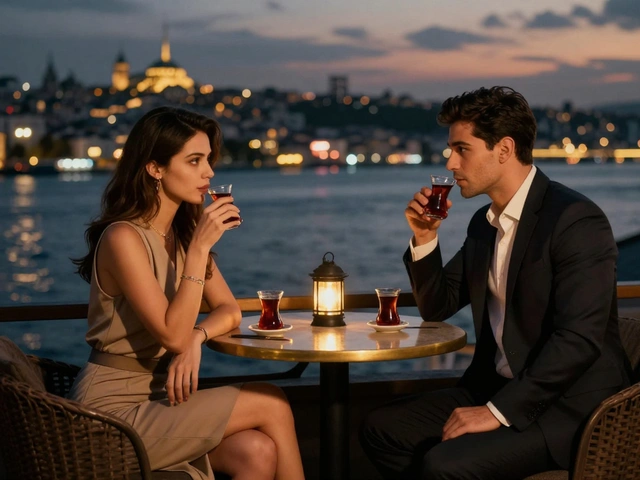
- Go to the rooftop of the Marmara Pera Hotel at dusk. Order a cup of Turkish coffee and watch the sun set behind the domes of Süleymaniye. No ticket needed. Just the view.
- Join a walking tour led by the Istanbul Architecture Foundation. They offer free weekend walks that focus on lesser-known Byzantine cisterns and Ottoman water systems-things even many locals don’t know about.
What You Won’t Find in Guidebooks
Most tourists go to the Topkapı Palace. Few know that the palace’s outer walls were built with stones taken from ancient Roman temples. Walk behind the palace, past the Harem, and you’ll find a small gate leading to a hidden garden. There, under the shade of a 400-year-old plane tree, is a stone bench where Ottoman sultans once sat alone. No sign. No crowd. Just silence. That’s the real architecture of Istanbul-not the grand domes, but the quiet corners where history still breathes.
Why is Hagia Sophia considered both a Christian and Islamic monument?
Hagia Sophia was originally built as a Christian cathedral in 537 AD. After the Ottoman conquest of Constantinople in 1453, it was converted into a mosque, with minarets added and Christian mosaics covered with plaster. In 1935, it became a museum, and in 2020, it was reconverted into a mosque. But the original mosaics were never destroyed-only preserved beneath layers. Today, visitors can see both Islamic calligraphy and Byzantine mosaics side by side, making it a rare physical record of two faiths coexisting in one space.
Are the Blue Mosque and Süleymaniye Mosque still used for prayer?
Yes, both are active mosques. The Blue Mosque welcomes worshippers five times a day, and visitors are allowed to enter outside prayer times. The Süleymaniye Mosque is even more integrated into daily life-it has a functioning library, a school, and a public kitchen that still serves free meals to those in need. Locals treat them as community centers, not just tourist spots.
What’s the best time to visit Istanbul’s iconic buildings to avoid crowds?
Go early. Hagia Sophia opens at 9 AM, but locals arrive by 8:15 to avoid the tour groups. The Blue Mosque is quietest right after morning prayers (around 7:30 AM) and just before sunset. Galata Tower is least crowded on weekday mornings. Avoid weekends and holidays-especially during Ramadan and Eid, when locals flock to these sites.
Can you take photos inside the Blue Mosque?
Yes, but with respect. Photography is allowed in the main prayer hall, but never during prayer times. Don’t use flash, and avoid pointing your camera at worshippers. Women must cover their heads-scarves are provided at the entrance. Many locals take photos, but they do so quietly, as if in a library.
Is it worth visiting modern buildings like Istanbul Sapphire or Zorlu Center?
If you’re interested in how Istanbul is changing, yes. The Zorlu Center has one of the best contemporary art galleries in Turkey. Istanbul Sapphire’s observation deck offers a stunning view of the skyline, especially at night. But don’t confuse them with the city’s soul. The real magic is in the old stone buildings where history still lives. Modern towers reflect Istanbul’s future-but the domes and minarets tell you where it came from.
Next Steps: How to Deepen Your Understanding
If you want to go beyond the postcard view, start with a book: Constantinople: City of the World’s Desire by Philip Mansel gives context. Visit the Istanbul Architecture Museum in Tophane-it’s small, free, and packed with scale models of Ottoman mosques and Byzantine cisterns. Or join a local walking tour led by an architect who grew up in Kadıköy or Beşiktaş. The city’s buildings aren’t just stone and mortar. They’re memory made visible. And in Istanbul, remembering is how you survive.

6 Comments
Man, I stood at the top of Galata Tower at sunrise and just lost it. Not because of the view-though holy hell, that view-but because I realized I’d never seen a city that refuses to choose between its past and its future. Hagia Sophia’s mosaics peeking through calligraphy? That’s not architecture. That’s poetry carved in stone. And the way the call to prayer still cuts through traffic like it’s always been there? I’ve been to 40 countries. This is the only place that feels alive in its bones.
Also, the simit guy near the Blue Mosque? He’s the real MVP. No one talks about him, but he’s seen more history than most museums.
I’m booking a flight back next month. Bring snacks.
Let’s be real-this whole ‘architecture as memory’ crap is just romanticized decay. Hagia Sophia wasn’t ‘respected’ when they covered the mosaics. It was erased. Then repackaged. Now it’s a cultural buffet for tourists who want to feel profound while snapping selfies.
And don’t get me started on the Çamlıca Mosque. 72-meter dome? Four minarets taller than any in the city? That’s not legacy-it’s insecurity dressed in marble. You don’t build to outdo history. You build to honor it. This isn’t reverence. It’s performance art with a construction budget.
And yes, I’m aware this sounds harsh. But someone has to say it while the rest of you sip Turkish coffee and call it ‘spiritual.’
Yall act like Istanbul’s buildings are sacred relics but forget who built em. The Byzantines? They stole Roman stuff. Ottomans? They conquered it. Now the west comes here like its some kind of spiritual retreat like they didn’t colonize half the planet.
And dont even get me started on the ‘locals know’ bs. Who are these locals? The ones who sell fake Iznik tiles to Americans? The ones who charge 500 lira to take a pic with a guy in a fez?
Real talk-this city’s not ‘breathing.’ Its just surviving capitalism with better architecture than your hometown.
Also-Hagia Sophia was a mosque first, then a museum, then a mosque again. The ‘coexistence’ narrative? That’s woke propaganda with a dome.
Also also-why are there so many pics of women in headscarves in this post? Is this a travel blog or a missionary pamphlet?
The structural ontology of Istanbul’s built environment reveals a dialectical synthesis of Byzantine ecclesiology and Ottoman urban pragmatics. The dome as epistemological vessel-Hagia Sophia’s hemispheric transcendence versus Süleymaniye’s harmonic equilibrium-demonstrates a shift from theological spectacle to sociotechnical integration.
Modern towers like Istanbul Sapphire represent neocolonial aesthetic hegemony. Yet the cisterns, the water systems, the hidden gardens-these are the true infrastructures of memory. Not monuments. Systems.
And the simit vendor? He is the unacknowledged curator of temporal continuity. No signage. No archive. Just bread. And silence.
Architecture as endurance. Not as spectacle. As process. As daily ritual. As breath.
Also: the 168 steps of Galata Tower are a metric of humility. Climb them. Don’t take the elevator. The view is not the point. The ascent is.
-T.K.
I love how you mentioned the Church of St. Saviour in Chora-it’s so underrated. I went there last spring and spent two hours just staring at the mosaics. The detail in the Virgin Mary’s eyes? It’s like she’s still watching. And no one else was there. Just me, the light coming through the windows, and this quiet hum of centuries.
Also, the rooftop at Marmara Pera at dusk? Perfect. I brought a notebook and wrote for an hour. No one bothered me. No one even looked at me. Just the domes, the water, and the call to prayer drifting over the rooftops like a lullaby.
Thank you for writing this. It made me want to go back.
Joe, I hear you. The Çamlıca Mosque does feel like a statement more than a sanctuary. But maybe it’s not about outdoing the past-it’s about saying, ‘We’re still here, and we’re still building.’ Not everyone wants to live in the past. Some of us want to add our own line to the story.
Danny, I get your frustration. But the mosaics weren’t erased-they were protected. Covered, yes. Destroyed? No. That’s not propaganda. That’s preservation.
And Tejas-you’re right about the ascent. I climbed Galata Tower last week. My legs were shaking. My phone died. I didn’t take a single photo. But I sat there for 45 minutes and just… listened. The city didn’t speak. But I heard it.
Grace, you said it best: it’s not about the postcard. It’s about the quiet corners. The bench under the plane tree. The woman lighting a candle near the imperial door. The student sketching the arches. That’s where the soul is.
This city doesn’t need us to understand it. It just needs us to show up. Quietly. Respectfully. Openly.
Thank you for reminding me why I love it.