Blue Mosque Istanbul: History, Visiting Tips, and Nearby Attractions
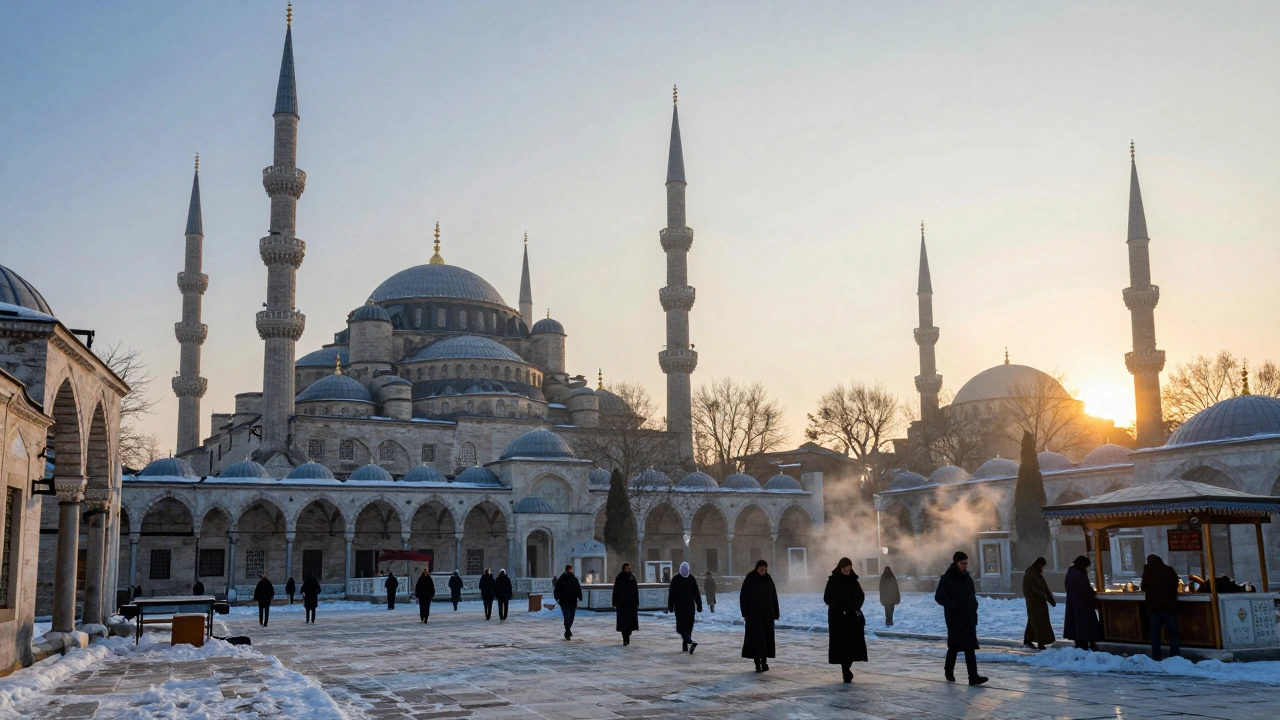
When you stand in front of the Blue Mosque, a 17th-century Ottoman imperial mosque in Istanbul, known for its six minarets and hand-painted blue tiles. Also known as the Sultan Ahmed Mosque, it’s not just a place of worship—it’s one of the most photographed landmarks in the world, drawing millions because it sits right in the middle of Istanbul’s historic core. Unlike most mosques, it has six minarets, a detail that caused controversy when it was built because only the mosque in Mecca had that many at the time. The sultan ordered a seventh minaret built in Mecca to settle the dispute. That’s the kind of story you won’t find in guidebooks—but you’ll see it in the way locals talk about it.
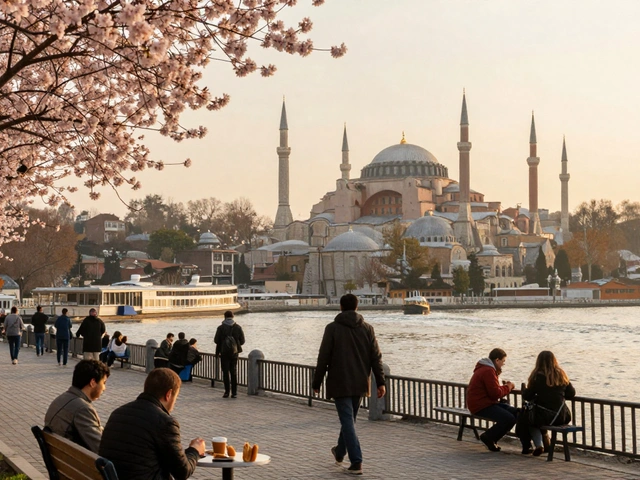
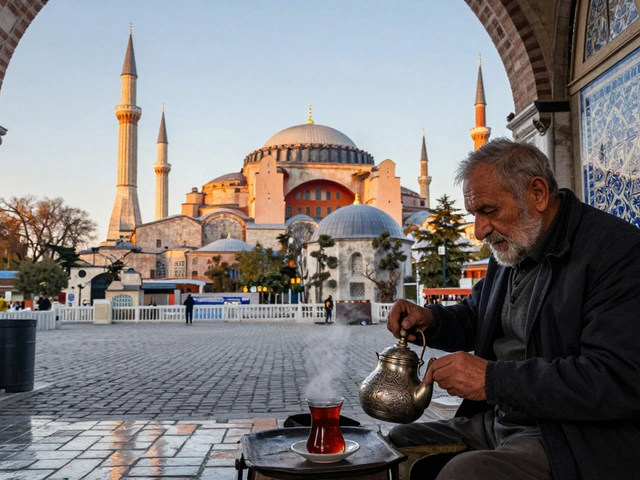
The mosque’s real magic isn’t just in its size or color—it’s in how it connects to everything around it. Just steps away is Hagia Sophia, a former church turned mosque turned museum, now a mosque again, with Byzantine mosaics and Ottoman calligraphy layered over centuries. Then there’s Sultanahmet Square, the open space that ties the Blue Mosque, Hagia Sophia, and Topkapi Palace together as the beating heart of old Istanbul. You can walk from one to the next in under ten minutes, and each place tells a different part of the same story: power, faith, and daily life in a city that never stopped changing.
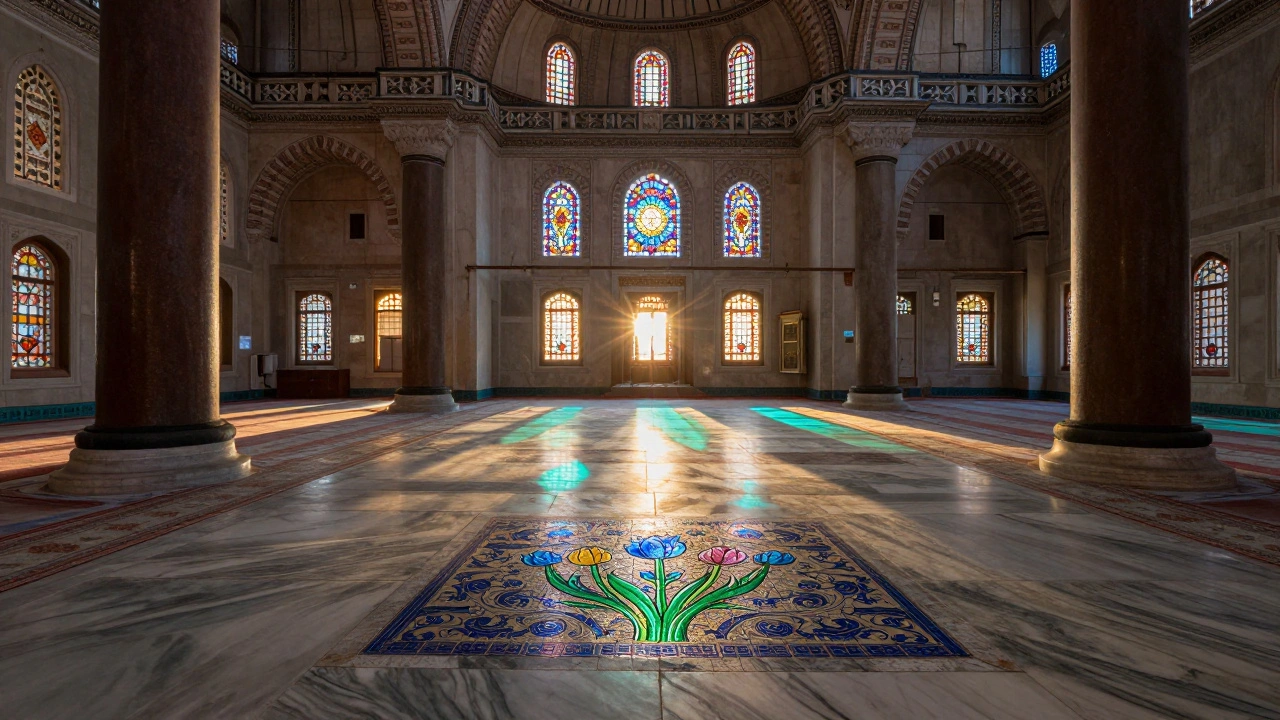
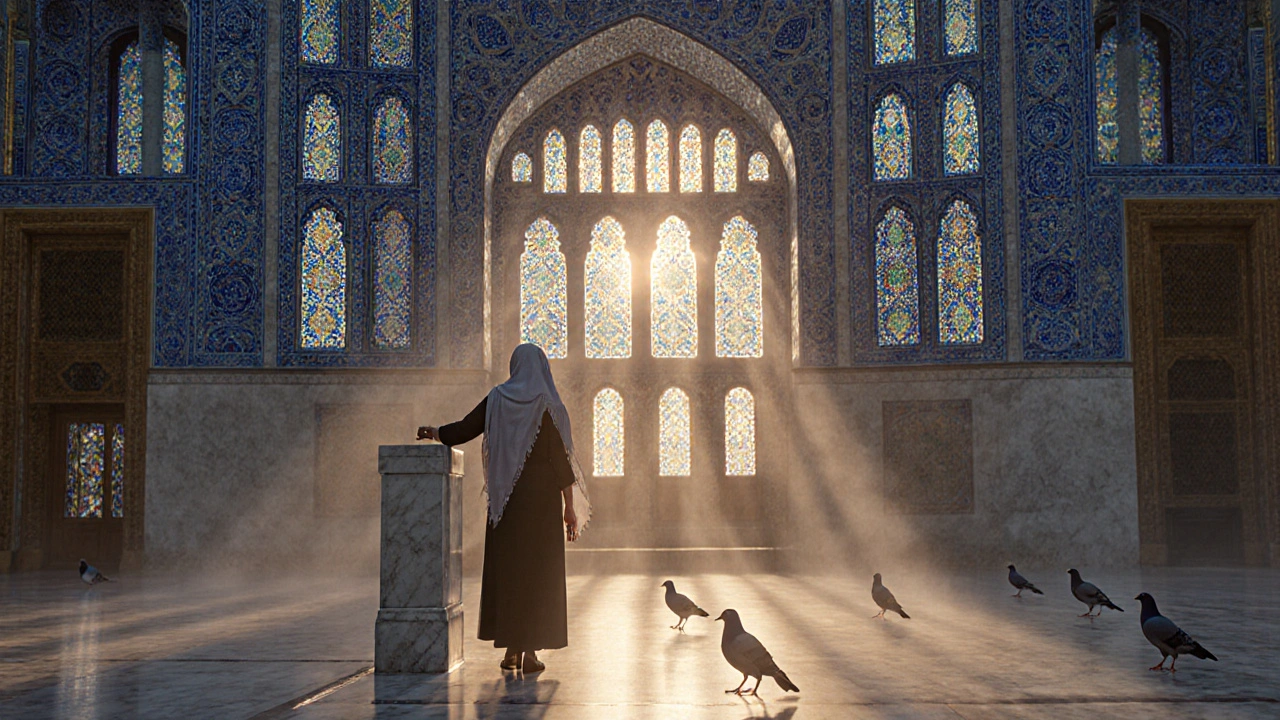
Visiting the Blue Mosque is simple, but there are rules. Women need to cover their heads—scarves are free at the entrance if you forget. Everyone takes off their shoes before stepping inside. The tile work? Over 20,000 hand-painted Iznik tiles, mostly blue, which is why it got its nickname. The light filtering through 260 stained-glass windows turns the whole space into a quiet, glowing sanctuary. Locals come here to pray, but tourists come to stare—and honestly, you’ll do both. The best time to go? Early morning or late afternoon. Midday is packed, and the sun hits the tiles just right when the light is soft.
You’ll notice people sitting quietly on the steps outside, watching the call to prayer echo over the square. That’s not just tourism—that’s culture. The mosque isn’t a museum. It’s alive. And the people around you? They’re not just background. They’re part of why this place still matters. After you leave, walk toward the Hippodrome. Look for the Egyptian Obelisk. Then head to the Grand Bazaar for tea and baklava. You’ll end up at Topkapi Palace before you know it. The Blue Mosque doesn’t exist alone. It’s the anchor of a whole district built over a thousand years of history. And if you only see one thing in Istanbul, make it this one—but don’t stop there. The rest of the city is waiting just beyond the courtyard walls.