Must-See Landmarks for History Buffs in Istanbul
Discover Istanbul's most powerful historical landmarks-from Topkapi Palace to the Theodosian Walls-where empires rose, fell, and left behind art, architecture, and stories that still resonate today.
When you walk through Istanbul, you’re not just visiting a modern city—you’re stepping over the remains of Byzantine ruins, the physical remnants of the Eastern Roman Empire that once ruled from this very spot. Also known as Constantinople ruins, these structures are the silent witnesses to emperors, wars, and faiths that shaped the world before modern Turkey even existed. This isn’t some distant history book. The Byzantine ruins are right under your feet—in the foundations of mosques, beneath alleyways in Sultanahmet, and inside the vaulted ceilings of hidden cisterns.
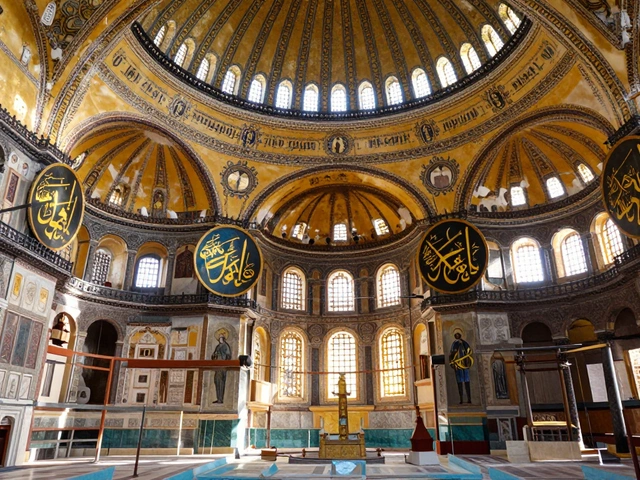
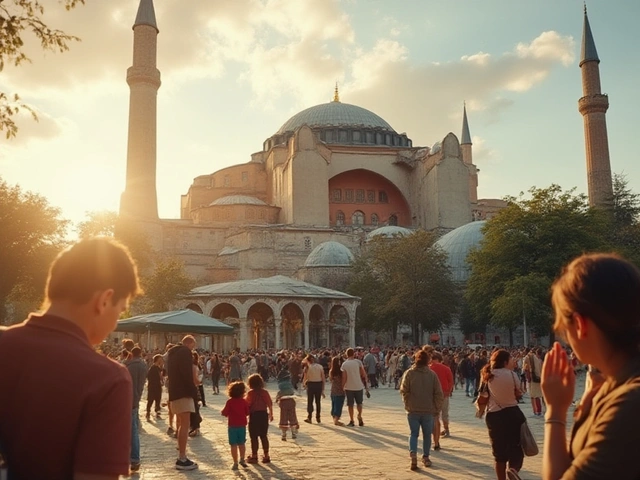
Look up at Hagia Sophia, a former cathedral turned mosque turned museum, built in 537 AD as the heart of Byzantine Christianity. It’s not just a building—it’s the most powerful symbol of Byzantine ambition and engineering, with its massive dome still defying gravity after 1,500 years. Walk a few steps away and you’ll find the Theodosian Walls, a 5-mile-long defensive system that kept invaders out for nearly 1,000 years. You can still trace their broken stones along the city’s edge, where locals jog past ancient towers that once held siege engines and archers. Even the Basilica Cistern, a vast underground water reservoir with haunting Medusa heads as column bases, was built to supply the Great Palace of Constantinople. These aren’t tourist props—they’re functional relics, still standing because the Byzantines built them to last. And you’ll find smaller traces everywhere: broken columns in parks, mosaic fragments under glass in museums, and arches hidden behind café walls in Kadıköy.
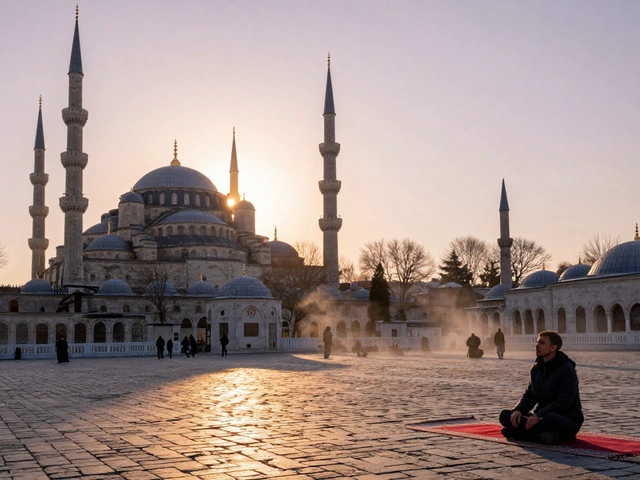
What makes these ruins different from others? They didn’t just vanish. They were reused, repurposed, and woven into daily life. A Byzantine aqueduct became a bridge. A palace chapel became a mosque. A public bath became a warehouse. That’s why Istanbul doesn’t feel like a museum—it feels alive, layered, and deeply connected to its past. You don’t need a guidebook to feel it. Just stand still in Sultanahmet Square, listen to the call to prayer echo off ancient stone, and imagine the chants of monks who once filled this same space.
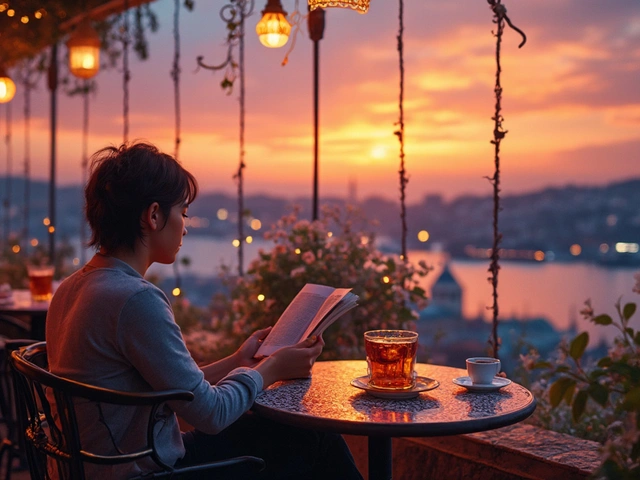
Below, you’ll find real stories from people who’ve explored these ruins—not just as sights, but as living parts of Istanbul’s soul. Whether it’s catching sunset light through Hagia Sophia’s windows, finding a hidden Byzantine gate in a quiet neighborhood, or sipping tea above a forgotten cistern, these posts show you how to connect with the empire that never really left.
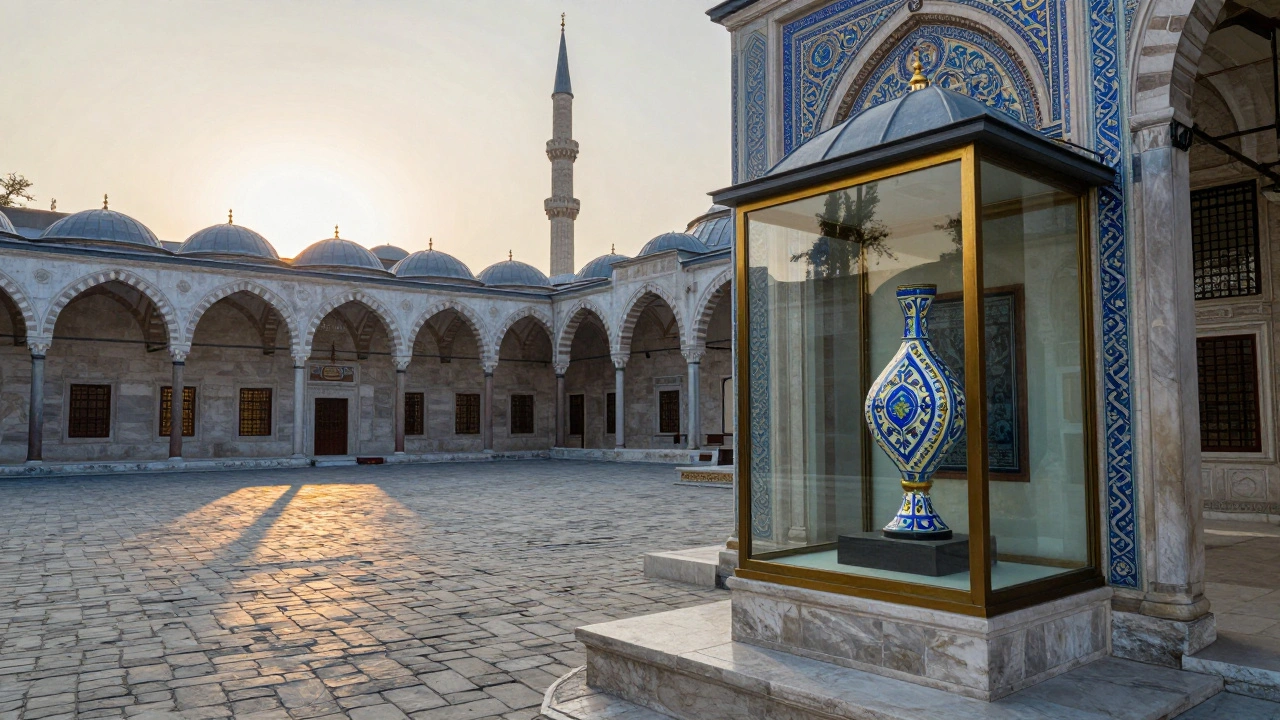
Discover Istanbul's most powerful historical landmarks-from Topkapi Palace to the Theodosian Walls-where empires rose, fell, and left behind art, architecture, and stories that still resonate today.
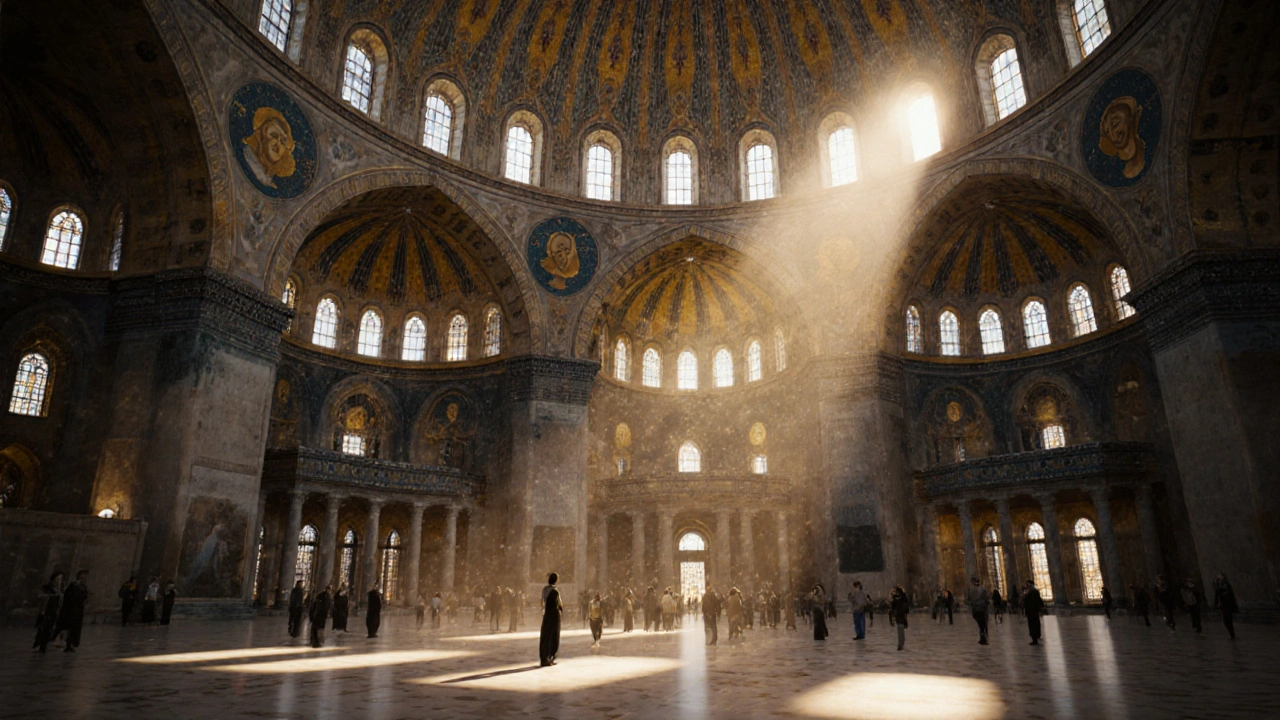
Explore Istanbul’s most powerful historical landmarks-from Hagia Sophia to the Basilica Cistern-and uncover how these ancient sites still shape the city’s soul today. A local’s guide to experiencing history, not just seeing it.
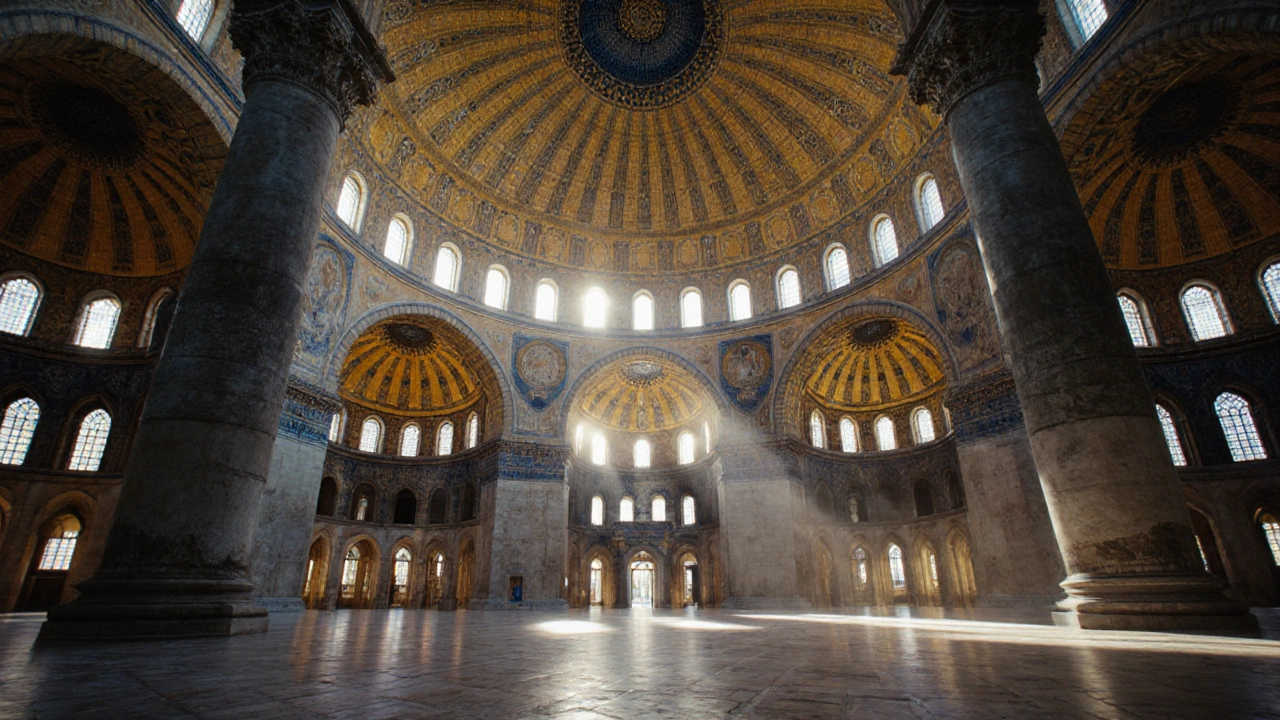
Discover Istanbul’s most breathtaking historical sites-from Hagia Sophia’s floating dome to the hidden Byzantine mosaics of Chora Church. These architectural wonders shaped a city that still breathes with ancient soul.