Sultan Ahmed Mosque: Istanbul's Blue Mosque and Its Historic Surroundings
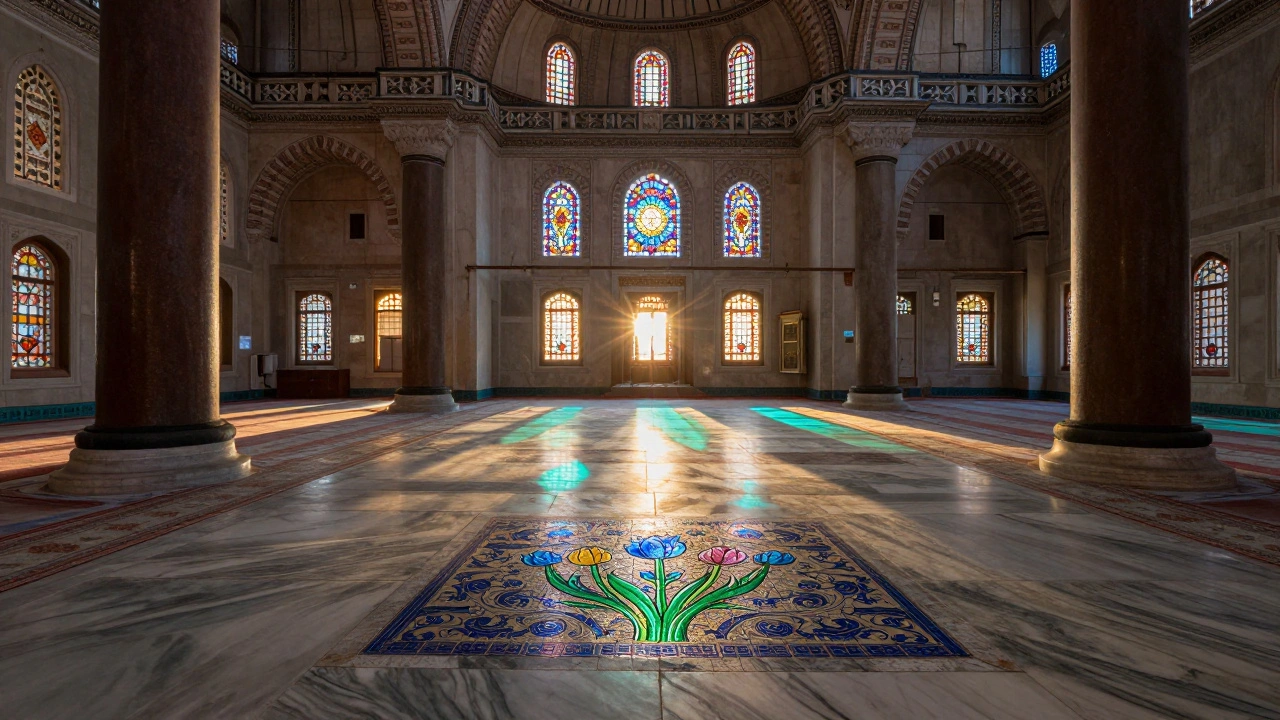
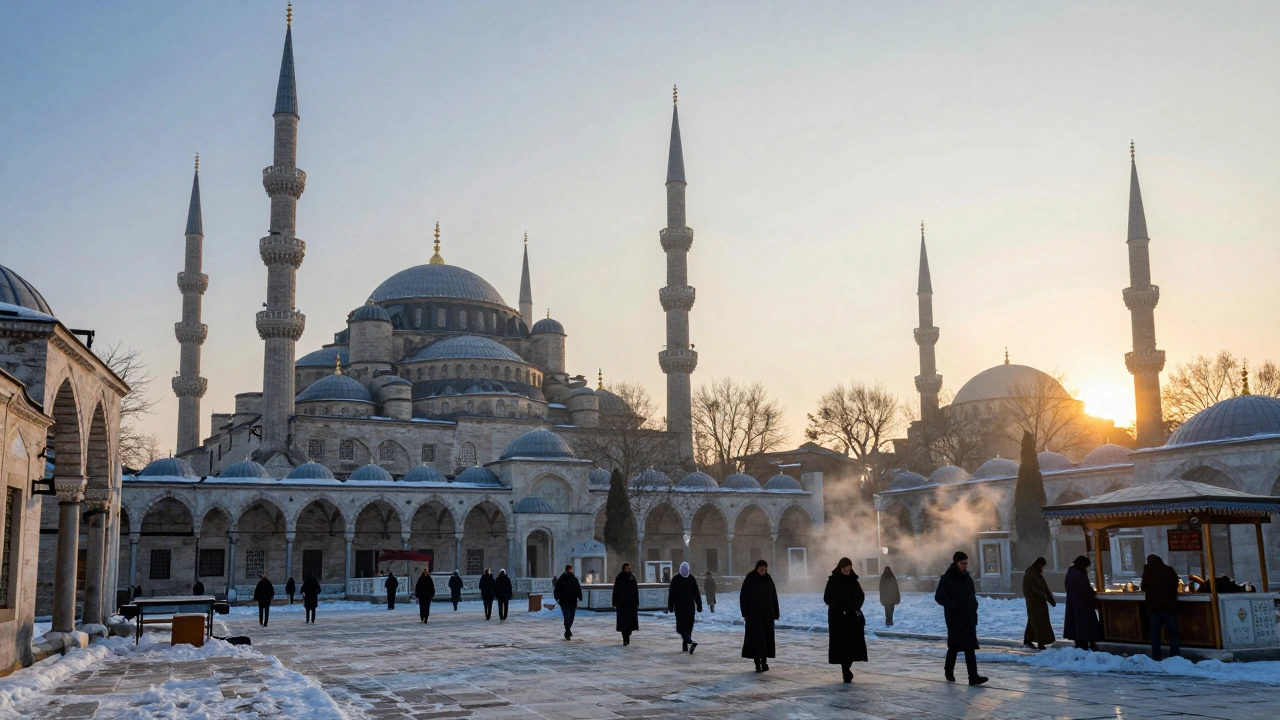
Sultan Ahmed Mosque, the iconic Ottoman-era mosque in Istanbul known for its blue Iznik tiles and six towering minarets, is one of the most visited religious sites in the world. Also known as the Blue Mosque, it was built between 1609 and 1616 under Sultan Ahmed I to rival the nearby Hagia Sophia in grandeur and spiritual presence. This isn’t just a place of worship—it’s a living piece of Istanbul’s soul, where prayer, history, and daily life blend under its massive dome.
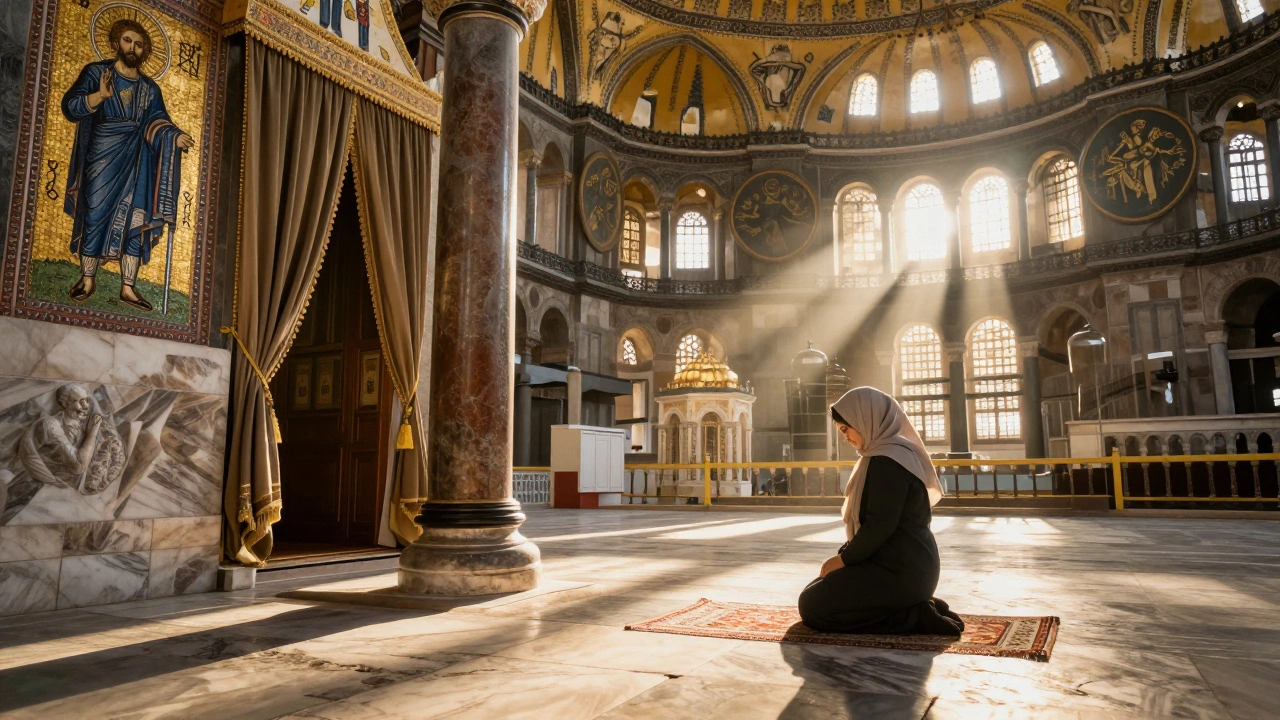
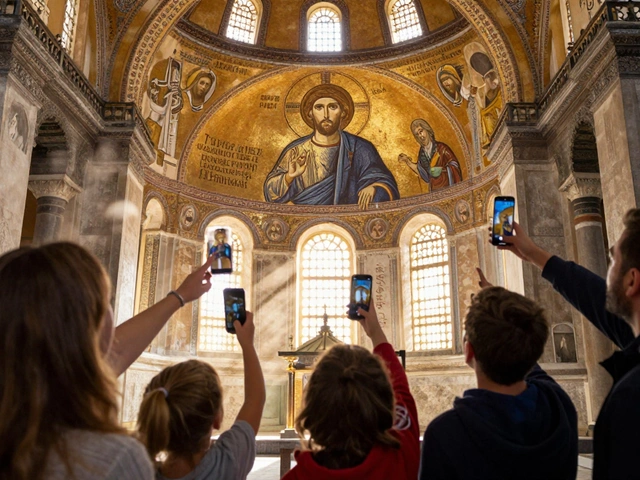
The mosque doesn’t exist in isolation. It’s the centerpiece of Sultanahmet Square, the historic heart of Istanbul where Byzantine ruins, Ottoman palaces, and modern Turkish life collide. Just steps away, you’ll find Hagia Sophia, the former cathedral turned mosque turned museum, whose massive dome and mosaics shaped Islamic architecture for centuries. Across the square, Topkapi Palace, the centuries-old home of Ottoman sultans with its courtyards, treasures, and harem quarters waits to tell stories of power, politics, and palace intrigue. These three landmarks form a triangle of history you can walk through in under an hour, each one echoing the next.
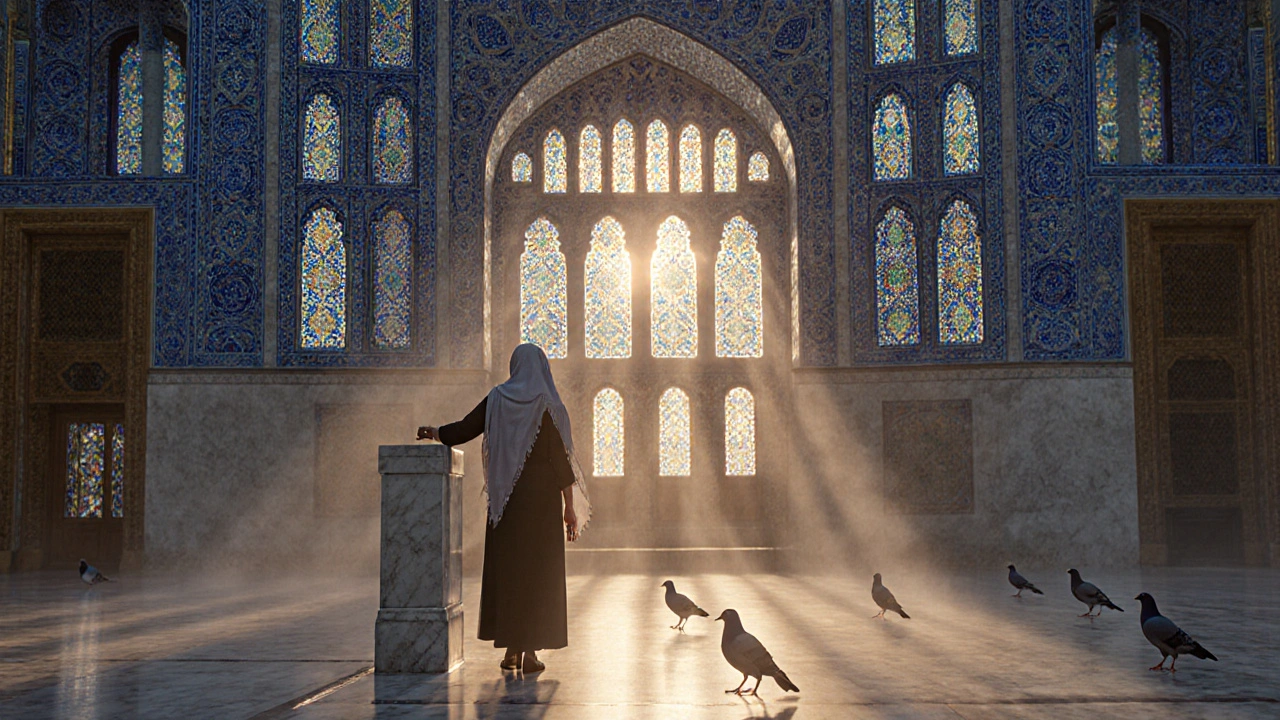
What makes the Sultan Ahmed Mosque different from other mosques isn’t just its looks—it’s how it sits in the middle of a city that never stops. Locals come for morning prayers, tourists line up for photos, and guides point out the 20,000 hand-painted tiles that give it its name. The call to prayer still echoes over the Bosphorus at dawn, and the courtyard fills with the quiet hum of people removing shoes before stepping inside. You don’t just visit this mosque—you feel it.
What you’ll find in the posts below are real stories from people who’ve walked these streets, sat in these courtyards, and seen how the Blue Mosque changes with the light, the season, and the century. From how to avoid the crowds at sunrise to why the mosque’s interior feels different in winter, these posts give you the unfiltered, practical truth—not the brochures. Whether you’re planning your first trip or returning for the tenth time, you’ll walk away knowing exactly where to stand, when to go, and what most visitors never notice.