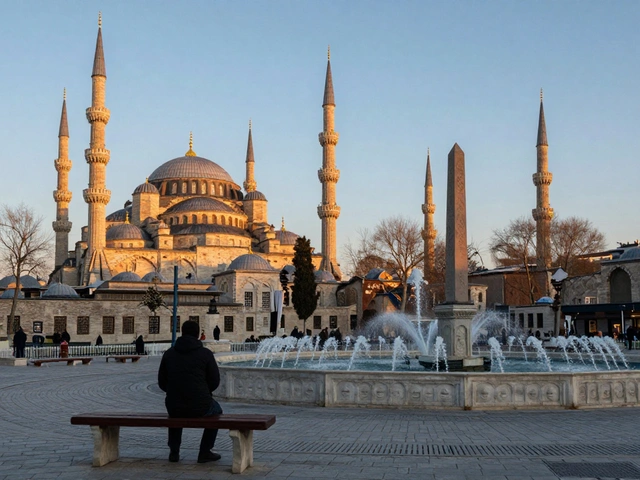
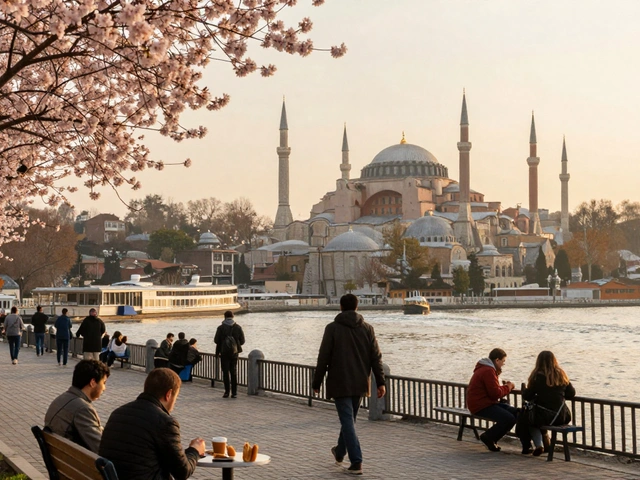
When you stand in the heart of Istanbul’s historic peninsula, there’s a moment-just after the tram rattles past, the call to prayer fades, and the crowd thins-that the city breathes. That moment happens in Sultanahmet Square. Not because it’s the biggest plaza, but because it’s the one place where Istanbul’s soul doesn’t just show up-it sits down, stretches out, and lets you stare right into its 1,500-year-old face.
The Square That Holds Istanbul’s Heart
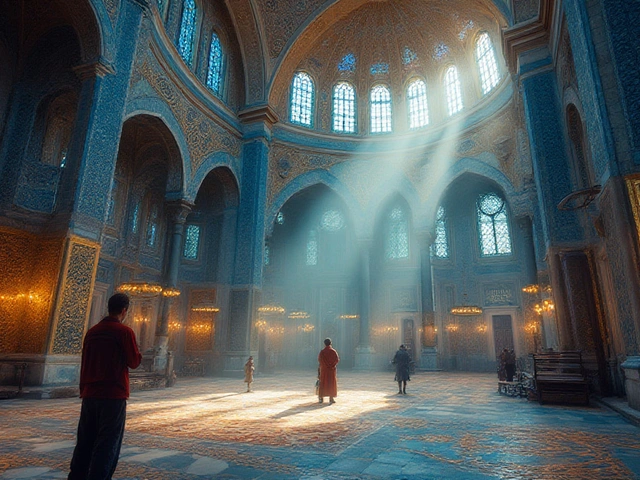
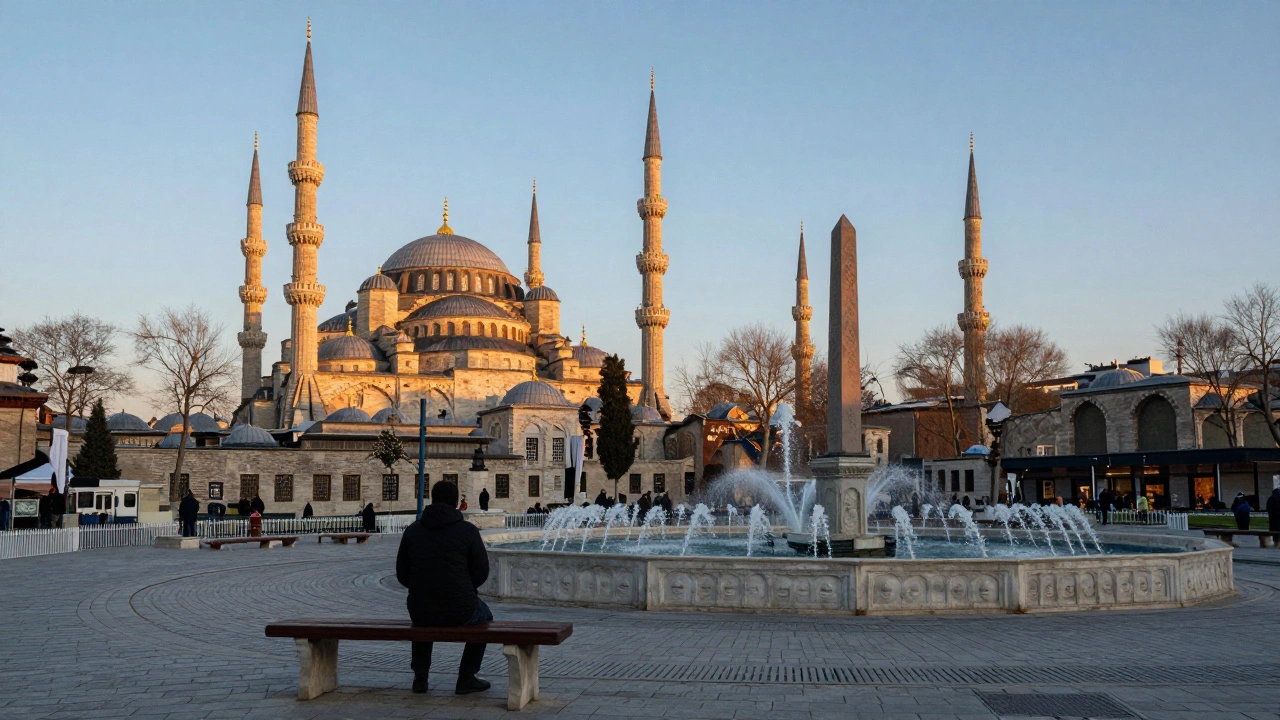
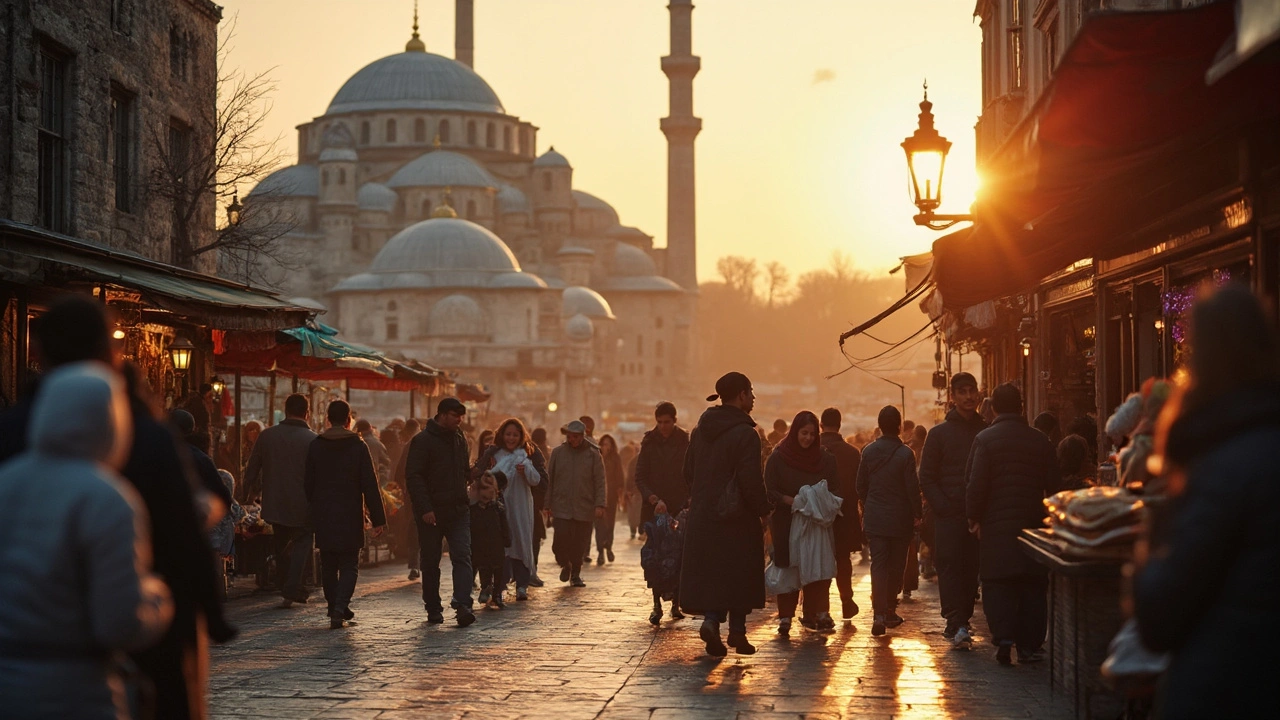
Sultanahmet Square isn’t just a parking lot for tour buses. It’s the silent stage where Byzantium, Constantinople, and Istanbul all took their bows. The ground beneath your feet? It’s the old Hippodrome, where chariots once thundered and emperors waved from marble thrones. Today, you’ll find the Serpentine Column, the Obelisk of Thutmose III, and the German Fountain-each a whisper from a different empire. But none of them compete with what rises around you.Walk to the edge of the square near the Blue Mosque’s western wall. Look up. The mosque’s six minarets don’t just pierce the skyline-they pull your eyes upward, like gravity itself has changed. The tiles inside? Hand-painted Iznik ceramics from the 1600s, still glowing under morning light. Locals don’t call it the Blue Mosque. They say Külliyesi-the Complex-because it’s not just a mosque. It’s a school, a hospital, a soup kitchen, and a tomb all wrapped in blue-glazed tile.
Hagia Sophia: When Architecture Becomes Prayer
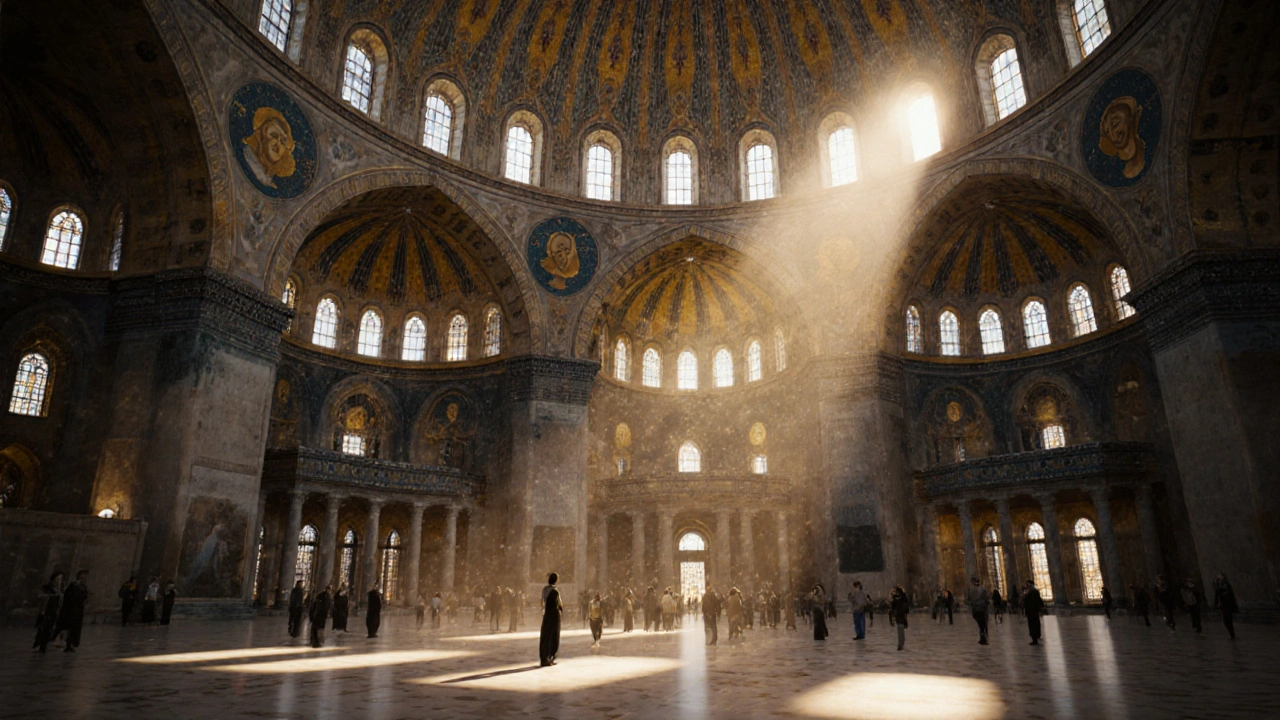
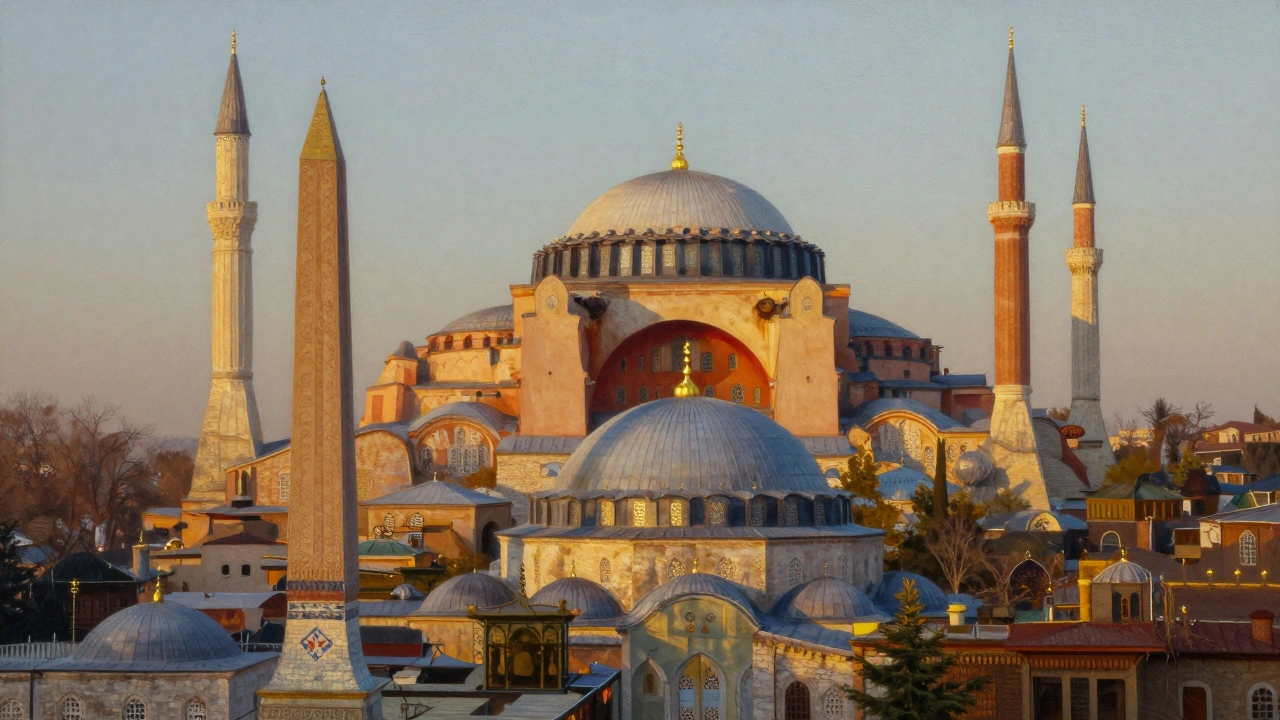
Turn left from the mosque, and there it is: Hagia Sophia. Not as a museum. Not as a mosque. As a living monument that refuses to be boxed in. In 2026, it’s officially a mosque again, but the mosaics of Christ Pantocrator still shimmer behind the velvet curtains. Locals come here at dawn, not just to pray, but to touch the cold marble columns that have held the weight of empires. If you want the best view, don’t stand in the main courtyard. Walk to the small garden on the southeast side, past the old cistern entrance. That’s where you’ll catch the dome framed perfectly between the minarets of the Blue Mosque and the silhouette of the Topkapi Palace behind it.At sunrise, the light hits the dome’s gold leaf like a spotlight. Locals say if you’re quiet enough, you can still hear the echo of Justinian’s voice from 537 AD. You can’t. But you can feel it.
Topkapi Palace: The View From Above
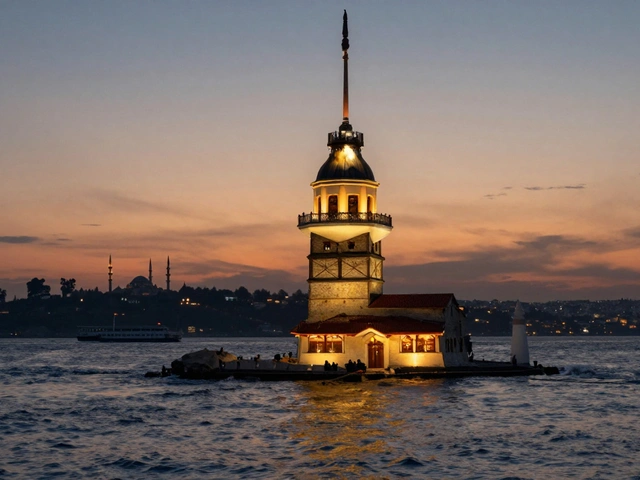
Most tourists think Topkapi is just a palace. They walk the courtyards, snap photos of the Harem, and leave. But the real secret? The view from the palace’s outer terrace, just past the Imperial Council building. It’s not on any map. You need to know where to turn. From that stone ledge, you look straight down the Bosphorus. The Golden Horn curls like a silver ribbon. The Galata Tower stands tall on the other side. And right below you? The entire Sultanahmet Square, with its domes and minarets, looks like a single, breathing organism.Locals bring their tea here. Not coffee. Turkish tea, served in thin-walled glasses from a çaydanlık. You’ll see university students sketching the skyline, retirees smoking sigara, and foreign photographers trying-and failing-to capture the way the light changes at 4:30 p.m. That’s when the sun slants just right, and the Blue Mosque’s tiles turn from cobalt to molten gold.
The Hidden Vantage Points No One Tells You About
If you’ve seen the postcard shots, you’ve seen the obvious. But Istanbul’s best views aren’t on Instagram. They’re tucked away.- Head to the Arasta Bazaar behind the Blue Mosque. Climb the narrow stairs to the third floor of the old caravanserai. There’s a rooftop café called Çinili Köşk-yes, the one with the tilework. Order a ayran and sit on the bench. The view? Directly down the axis of the mosque’s main dome, with the Hippodrome’s obelisk framing the foreground.
- At dusk, walk to the Yerebatan Sarnıcı (Basilica Cistern) entrance. Stand just outside the ticket booth, facing the street. The light from the mosque’s windows reflects off the wet pavement. It looks like the city is floating.
- On weekends, the Çemberlitaş Hamamı opens its roof terrace to non-customers for 20 TL. Bring a towel, a bottle of water, and sit on the edge. You’ll see the minarets of both the Blue Mosque and Hagia Sophia aligned perfectly, with the silhouette of the Suleymaniye Mosque in the distance.
When to Go: Timing Is Everything
Istanbul’s light changes faster than a lokma seller’s hands. Here’s the truth:- 5:30 a.m. - The square is empty. The call to prayer from the Blue Mosque echoes clean and clear. No tourists. No noise. Just the smell of fresh simit from the cart near the tram stop.
- 11:00 a.m. - The sun is high. Shadows are short. The mosaics inside Hagia Sophia glow. This is when locals take their children here to explain what “empire” means.
- 4:30 p.m. - Golden hour. The tiles of the Blue Mosque turn liquid. The dome of Hagia Sophia catches fire. This is the moment every photographer waits for-and every local knows to step away from the crowds.
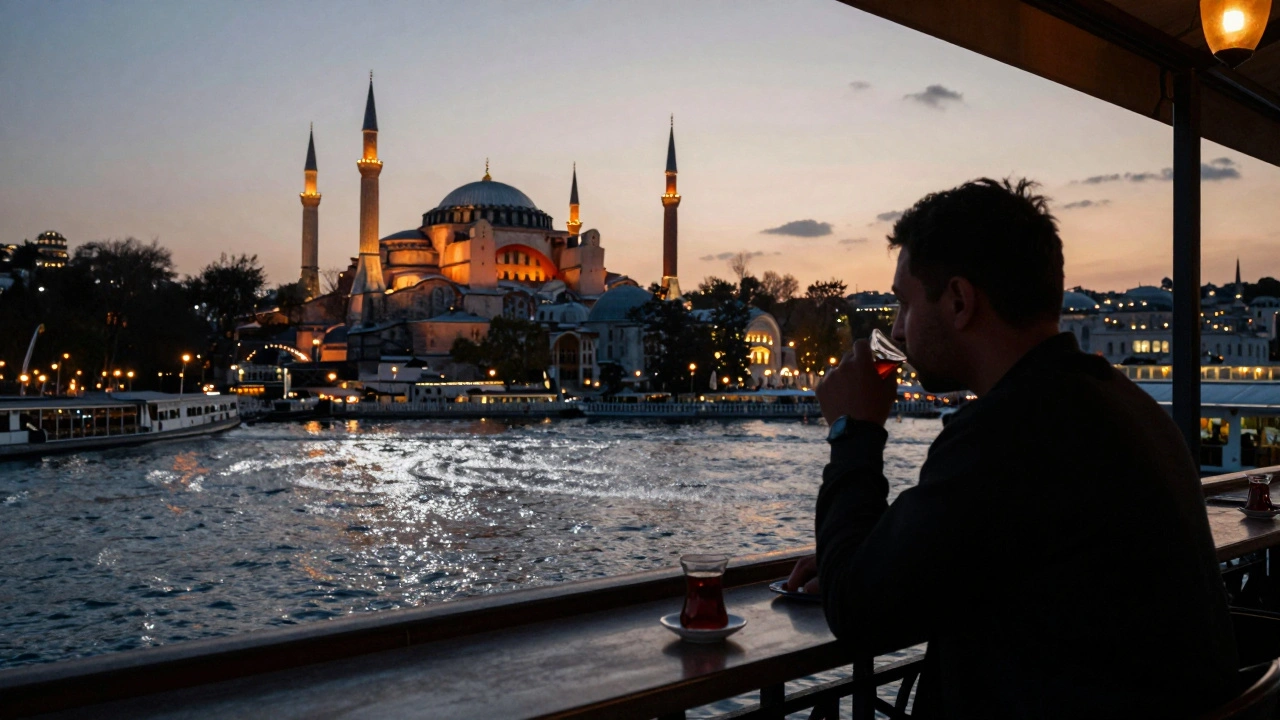
- 9:30 p.m. - After the last prayer, the square is lit by soft amber lamps. The minarets glow like candles. The silence is thick. You’ll hear a man singing a gazel from a nearby window. No one claps. No one records. They just listen.
What to Bring (And What to Leave Behind)
You don’t need a tripod. You don’t need a drone. You don’t need a guidebook.- Bring: A çay cup from Çaykur (yes, the Turkish brand), a light jacket (it gets chilly after sunset), and a small notebook. Write down what you feel, not what you see.
- Leave: The selfie stick. The loud tour group. The expectation that this place will behave like a theme park. Sultanahmet Square doesn’t perform. It remembers.
And if you’re from Istanbul? You already know this. But maybe you forgot. Maybe you’ve been too busy with traffic, work, or the latest kebab spot in Kadıköy. Come back. Sit on the stone bench near the German Fountain. Look up. The city hasn’t changed. You have.
Can you visit Sultanahmet Square at night?
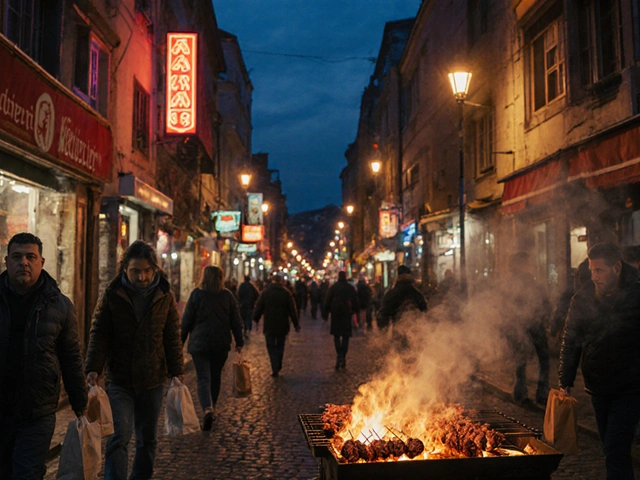
Yes, and it’s one of the best times to go. The square is well-lit and safe, with police patrols near the Blue Mosque and Hagia Sophia. The lights turn on at sunset and stay on until 1 a.m. Locals often walk here after dinner, especially on weekends. The mosque’s minarets glow softly, and the air smells like incense and roasted chestnuts from the street vendor near the tram stop.
Is it worth paying to go inside Hagia Sophia or the Blue Mosque?
For Hagia Sophia, yes-if you want to see the mosaics. The main prayer hall is open to all, but the upper galleries (where the best mosaics are) require a ticket. For the Blue Mosque, entry is free. You’ll need to remove your shoes and cover your head if you’re a woman. Locals say the real experience is sitting quietly on the prayer rug after evening prayer. No ticket needed. Just patience.
What’s the best way to get to Sultanahmet Square?
Take the T1 tram to Sultanahmet stop. It’s the easiest. Avoid taxis-they get stuck in the narrow streets. If you’re coming from Beyoğlu, walk down İstiklal Avenue to Taksim, then take the funicular to Kabataş, and switch to the tram. It’s a 30-minute walk, but you’ll pass through the soul of Istanbul: street musicians, lokma sellers, and old men playing backgammon under chestnut trees.
Are there any free viewpoints near Sultanahmet Square?
Absolutely. The rooftop of the Arasta Bazaar’s Çinili Köşk café (20 TL for a drink) gives you a panoramic view without climbing. The steps of the Hagia Sophia’s courtyard are free to sit on. And if you walk to the edge of the Hippodrome near the Serpentine Column, you’ll get the same view that Ottoman sultans used to watch chariot races from-no ticket, no crowd.
What should I avoid when visiting Sultanahmet Square?
Don’t buy souvenirs from the hawkers right outside the mosques-they’re overpriced and fake. Skip the guided tours that promise "secret spots"-most are just rehashes of guidebooks. And never rush. This isn’t a checklist. It’s a conversation. Sit. Listen. Let the city speak.