
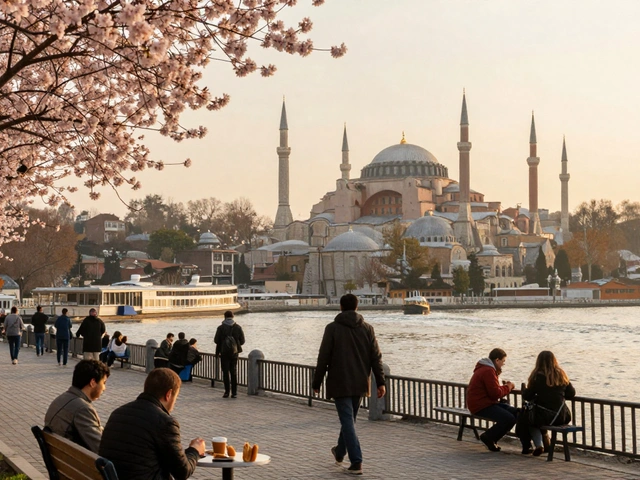
When you walk into the Grand Bazaar in Istanbul, you don’t just enter a market-you step into a living mosaic of light, color, and chaos. It’s not just one of Istanbul’s oldest shopping centers; it’s a sensory overload that’s been drawing photographers, locals, and travelers for over 500 years. With more than 4,000 shops tucked under arched ceilings and narrow passageways, finding the perfect photo isn’t about luck-it’s about knowing where to look. And if you’re scrolling through Instagram looking for that next viral shot, you’re not alone. Locals here know the hidden corners that make strangers stop mid-step and pull out their phones.
The Red Carpet of Carpets
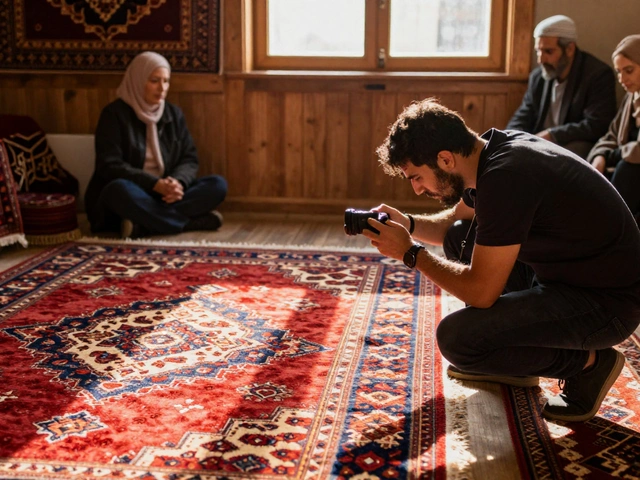
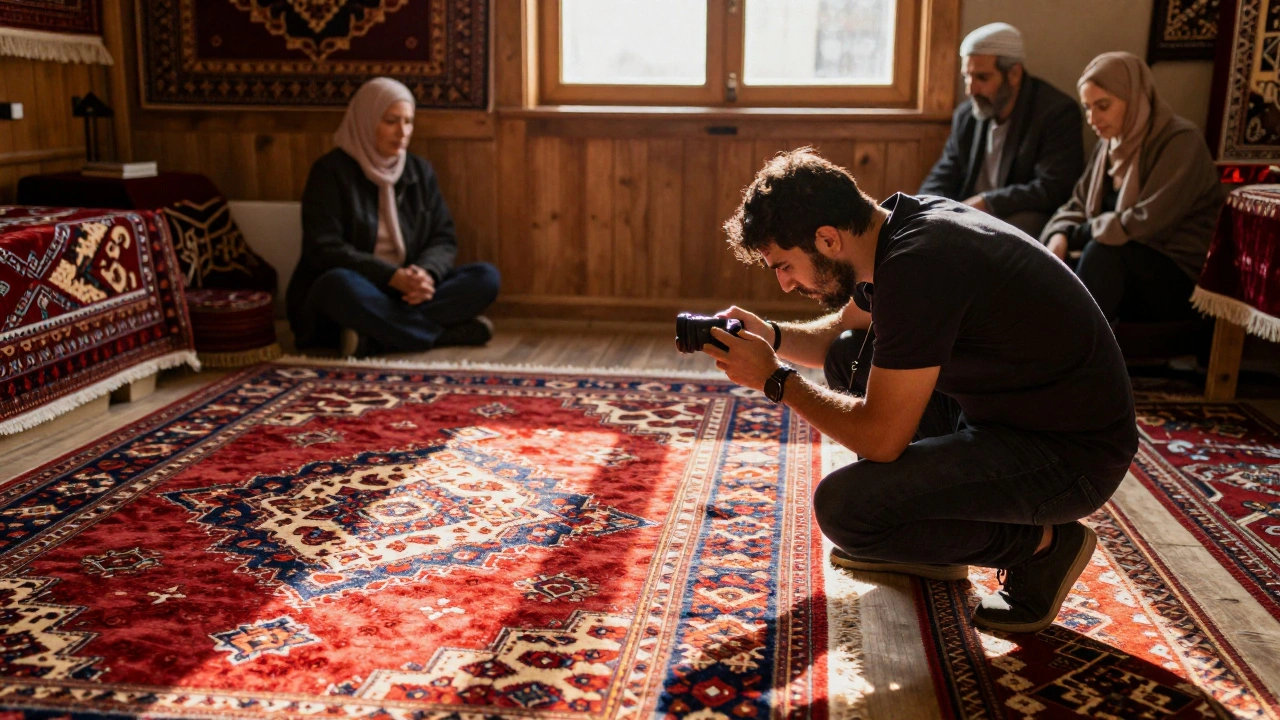
Start at the Carpets and Kilims Section, near the Nisanci Gate. This isn’t just a row of rugs-it’s a tunnel of woven stories. Vendors from Konya, Kayseri, and Van lay out kilims so vivid they look painted. The real magic happens between 10:30 a.m. and 12:30 p.m., when sunlight slants through the skylights and hits the wool just right. A deep crimson Uzbek rug, a geometric Yalova design, or a faded blue Kars piece can look like a masterpiece under that golden glow. Don’t just snap a flat shot-crouch low, tilt your phone, and let the patterns lead your eye. One local photographer, Aylin from Kadikoy, says, “I’ve taken 80% of my best shots here. The light changes like a clock.”The Lantern Labyrinth
Head toward the Lantern Courtyard-a small, vaulted alcove tucked between the copper sellers and the spice stalls. Hundreds of hand-blown glass lanterns hang from the ceiling in warm yellows, deep reds, and midnight blues. At sunset, when the electric lights turn on but the natural light still lingers, the space becomes a dreamy kaleidoscope. The trick? Stand near the back wall, where the lanterns overlap. Capture the reflection of a glowing red orb on a polished copper tray. It’s a classic Istanbul moment: ancient craftsmanship meeting modern aesthetics. You’ll see at least five people taking selfies here every hour. But the real pro move? Wait for a vendor to light a candle inside a lantern. The flicker adds life. No filter needed.The Spice Stall with the Golden Dust
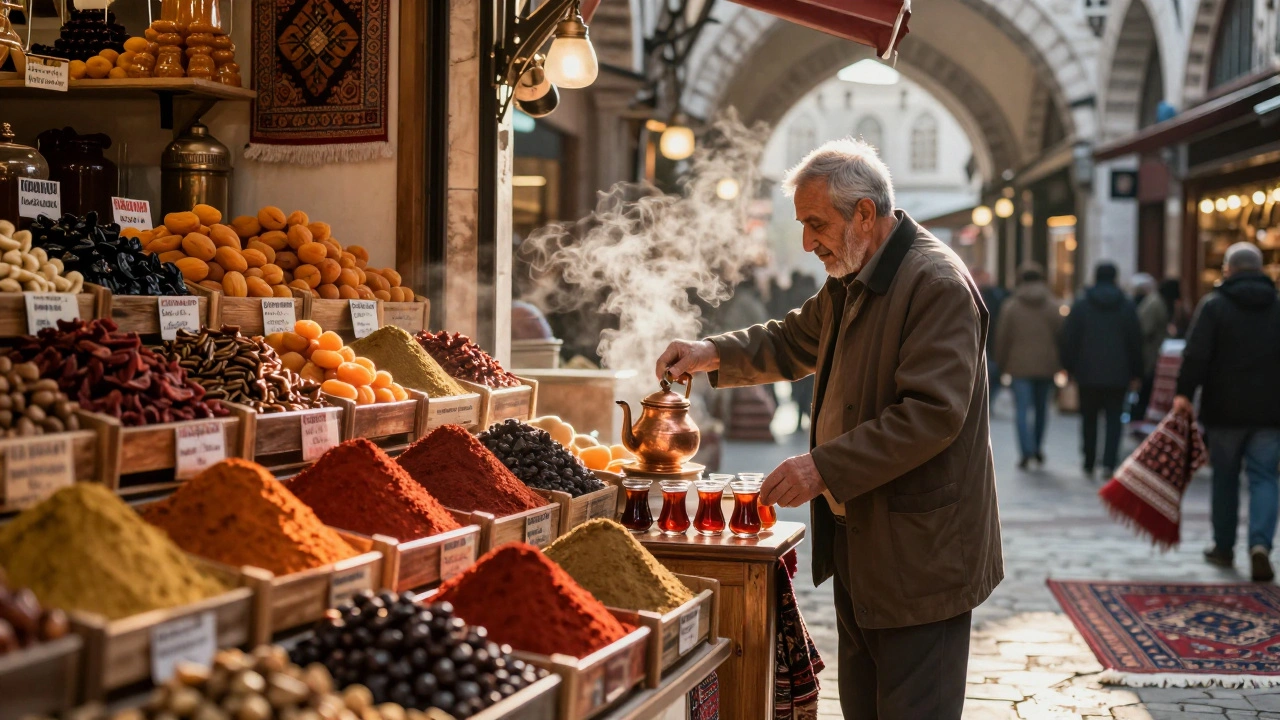
Don’t skip the Spice Bazaar entrance, even if you think you’ve seen it all. The real photo op isn’t the sacks of saffron or the piles of dried mint. It’s the gold-leafed rosewater jars from the old family-run shop near the north wall. The shop, called Çiçekçi Mehmet, has been around since 1932. Their jars are hand-painted with Ottoman floral patterns and sealed with real 24-karat gold leaf. When the sun hits them just right, the gold sparkles like crushed diamonds. Locals come here to buy rosewater for Eid, but photographers come for the shimmer. Hold your phone close-get the reflection of the gold on the glass. Bonus: the shopkeeper, Halil, will often pour a tiny sample into a spoon and let you smell it. That’s the moment-the quiet, sweet scent, the sparkle, the smile. That’s the shot.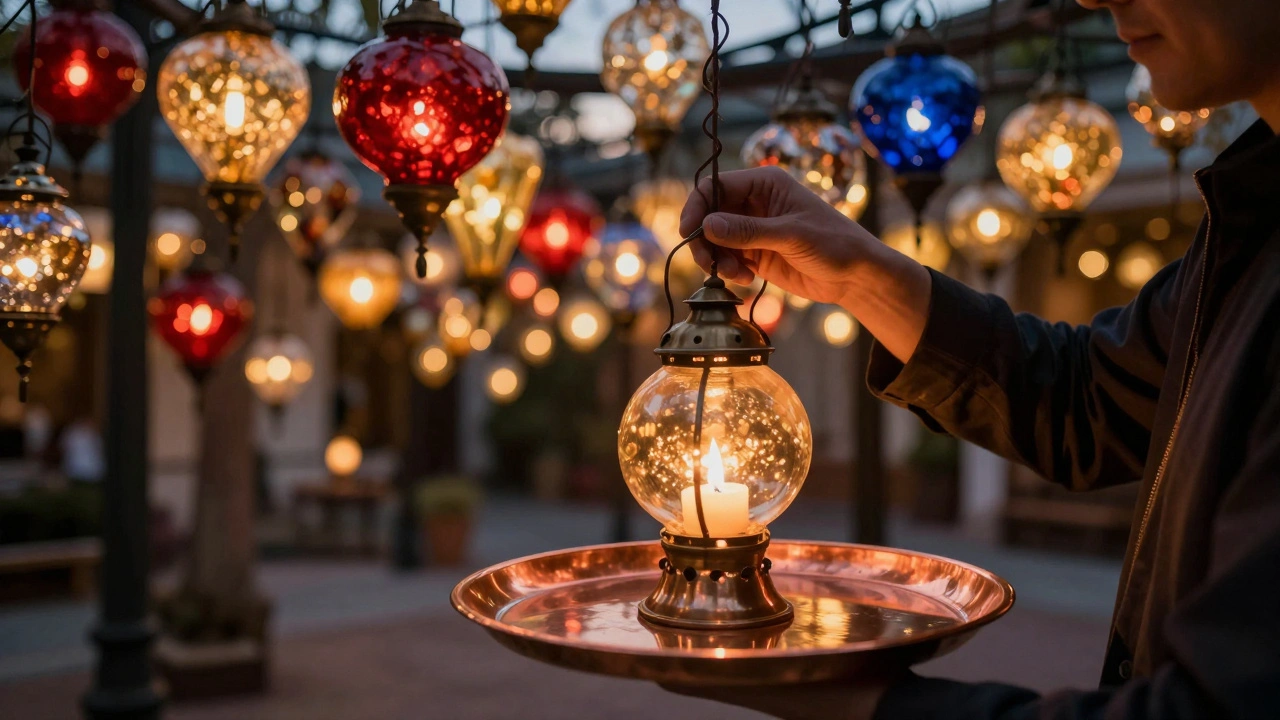
The Copper Artist’s Hands
In the heart of the bazaar, near the old clock tower, you’ll find Yusuf the Copper Smith. He’s been hammering brass pots since 1987. His stall is small, but the sound is unforgettable: a rhythmic, metallic ping-ping-ping that echoes down the alley. He doesn’t use power tools. Just a hammer, an anvil, and decades of muscle memory. The best time to photograph him is between 2 p.m. and 4 p.m., when the light from the high windows hits his sweat-slicked arms and the copper glows like molten honey. Capture his hands-the calluses, the tools, the rhythm. One frame of him mid-strike, the copper bending under pressure, tells a story no caption can. Locals say, “If you want to see Istanbul’s soul, watch a man turn metal into art with his bare hands.”The Tea Cup with a View
There’s a tiny tea stall on the second-floor balcony above the jewelry section, run by a woman named Emine. It’s not on any map. You have to climb a narrow wooden staircase, past the silk merchants and the antiques, to find it. The view? A sliver of the bazaar’s ceiling, with lanterns and copper pots hanging like a chandelier. She serves çay in thin, tulip-shaped glasses-no sugar, no milk. Just pure, strong black tea. The glass is warm in your hands. The steam curls upward. And behind you, through the open archway, you see the crowd below: a sea of scarves, bags, and turbaned heads. Take a photo from above, looking down into the chaos, with the tea glass in the foreground. It’s quiet. It’s real. And it’s the kind of shot that makes people ask, “Where is this?”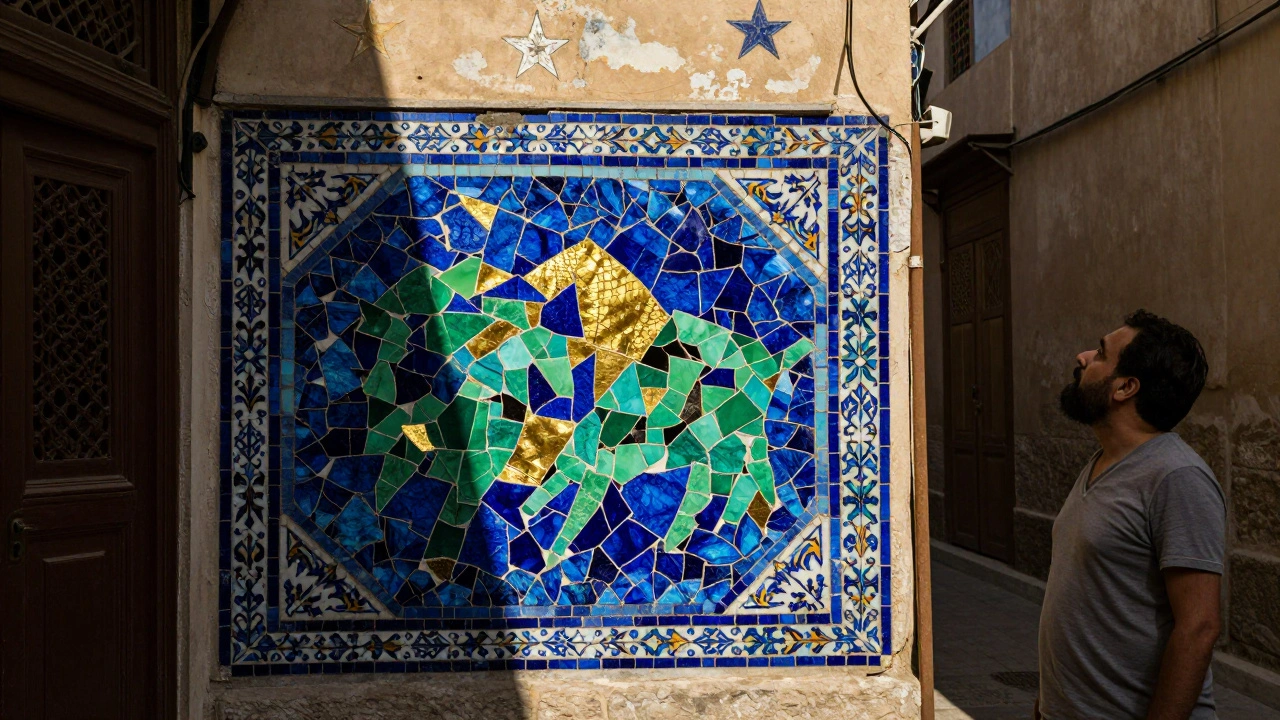
The Doorway of a Thousand Colors
Near the entrance to the Gold Souk, there’s a narrow, unmarked alleyway. It’s where the tile makers store their leftover pieces. Every few weeks, a vendor named Selim arranges broken tiles-blue Iznik, green Ottoman, gold-edged Persian-into a mosaic wall. It changes daily. One week it’s a floral pattern. The next, it’s a geometric star. The wall is only three feet wide and six feet tall, but it’s the most photographed thing in the bazaar. Locals come here after work to snap a quick pic. Tourists line up. The best time? Late afternoon, when the sun hits the blue tiles just right and they glow like lapis lazuli. Bring a white shirt. The contrast makes your photo pop. And don’t forget to look up-the ceiling above this alley is painted with faded Ottoman stars. It’s easy to miss. But once you see it, you’ll understand why this place never gets old.Why This Matters
The Grand Bazaar isn’t just a tourist trap. For Istanbul residents, it’s a living archive. The carpets hold the patterns of our grandmothers’ homes. The lanterns echo the Ramadan nights of our childhood. The tea is the same brew our fathers drank before heading to work. When you photograph here, you’re not just capturing a pretty scene-you’re documenting a pulse that’s been beating since the 15th century. And if you’re lucky, you’ll catch a moment that feels like it belongs in a museum. Because in Istanbul, beauty doesn’t need to be staged. It just needs to be seen.What’s the best time of day to photograph the Grand Bazaar?
The golden hour between 10:30 a.m. and 12:30 p.m. gives the best natural light for colors and textures. Late afternoon, around 4 p.m., works well for the lanterns and the tile wall. Avoid midday-too many shadows and crowds. If you want quiet, come on a Sunday morning before 9 a.m., when locals shop before the tourists arrive.
Can I use a tripod inside the Grand Bazaar?
Technically, yes-but most vendors won’t let you set one up. The alleys are too narrow, and you’ll block foot traffic. Use a phone with image stabilization or a small tabletop tripod. If you’re serious about long exposures, go early in the morning when the bazaar is nearly empty. Some photographers sneak in a mini tripod under their coat. But don’t be rude. Respect the space.
Are there any free photo spots I shouldn’t miss?
Absolutely. The tile mosaic wall near the Gold Souk entrance, the tea balcony above the jewelry section, and the copper smith’s stall are all free. No one asks for money. Just don’t block shop entrances. The lantern courtyard is also free to photograph-just don’t touch the lanterns. And the spice stall with the gold-leaf jars? You can take photos while they’re serving tea. No purchase required.
What should I wear to blend in and photograph better?
Wear neutral colors-gray, beige, navy. Bright outfits distract from the bazaar’s colors. Avoid white if you’re shooting near the spice stalls; turmeric stains everything. Locals often wear scarves, but not for fashion-they use them to shield from dust. If you’re a woman, a light headscarf helps you move more freely without drawing attention. Men: skip the tourist hats. A simple cap or nothing at all works best.
Is the Grand Bazaar safe for solo photographers?
Yes, it’s one of the safest public spaces in Istanbul. The bazaar has its own security team, and locals look out for each other. But don’t leave your camera unattended. Pickpockets are rare, but they exist. Keep your phone or camera close. If someone asks to take your photo, smile and say “Evet, tabii” (yes, of course). It’s common here. Many shopkeepers will invite you to pose with their goods. It’s part of the culture.